Beautiful Belle Isle guidebook connects visitors to Detroit’s hidden history and natural resources
 Print
Print Email
EmailMSU Extension and Michigan Sea Grant staff have partnered with Belle Isle Conservatory to create a handy guidebook for touring the Detroit-based destination in any season.

In every season, Belle Isle draws visitors. Some come to relax on Detroit’s only public swimming beach. In winter, others sit in their cars watching ice drift across the Detroit River. No matter the time of year, the island offers something for everyone. With scenic views and year-round recreation within Detroit city limits, the 982-acre state park welcomes millions of visitors each year. What many visitors may not realize is the depth of history and ecology that define the island.
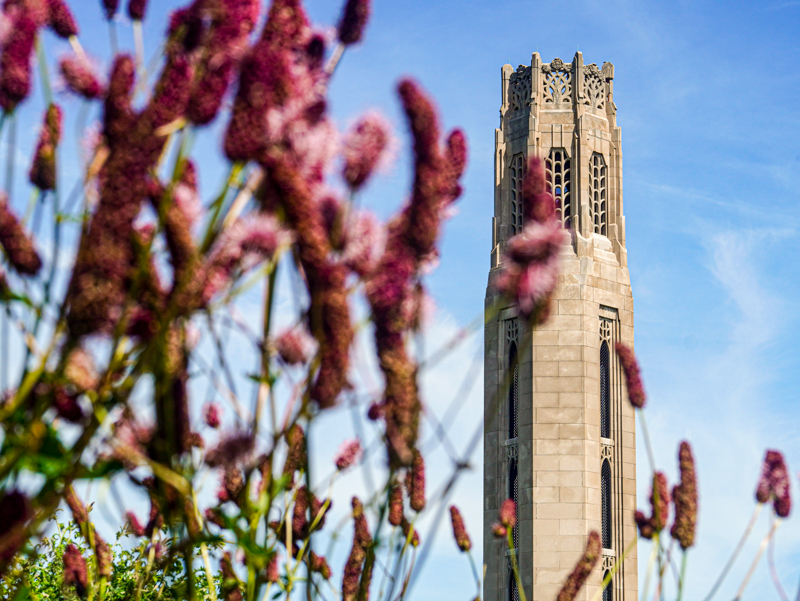
That gap in awareness inspired Mary Bohling, former Michigan Sea Grant educator and a current district director for Michigan State University Extension, to create a guidebook that helps people explore Belle Isle on their own.
“It has what a lot of people know—but also what a lot of people don’t know,” Bohling said. “All of these characters, places, and people are steeped in such a long and really interesting history.”
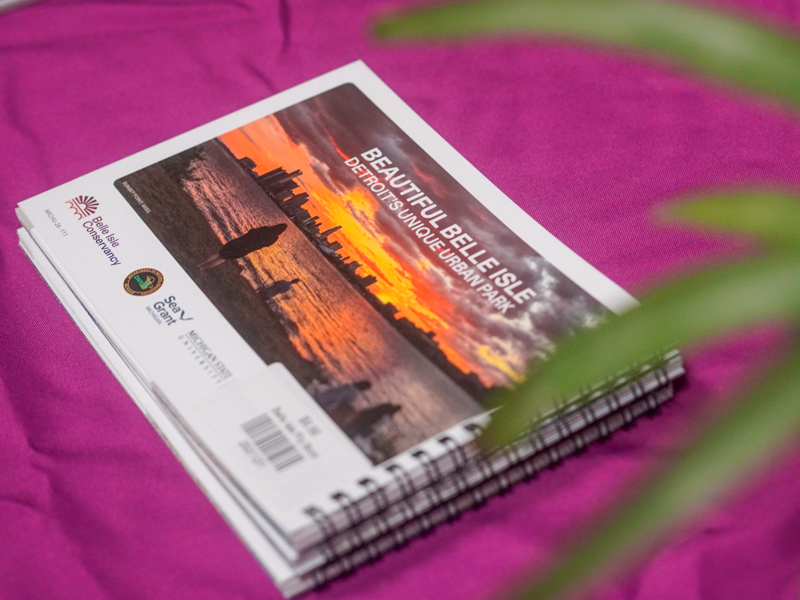
The newly released second edition of Beautiful Belle Isle: Detroit’s Unique Urban Park highlights 22 sites of historical, cultural and ecological significance. Designed to be easy to carry, the guidebook allows readers to explore the island by foot, by bike, or car in an accessible, self-guided way.
“One of the added benefits is that families can use this as a way of spending time together and discovering the island,” Bohling said. “People use it to enrich their family outings.”
The book weaves together stories of the island’s past and present—from its Indigenous roots and French influence on its connections to nationally recognized landscape design and ongoing conservation efforts.
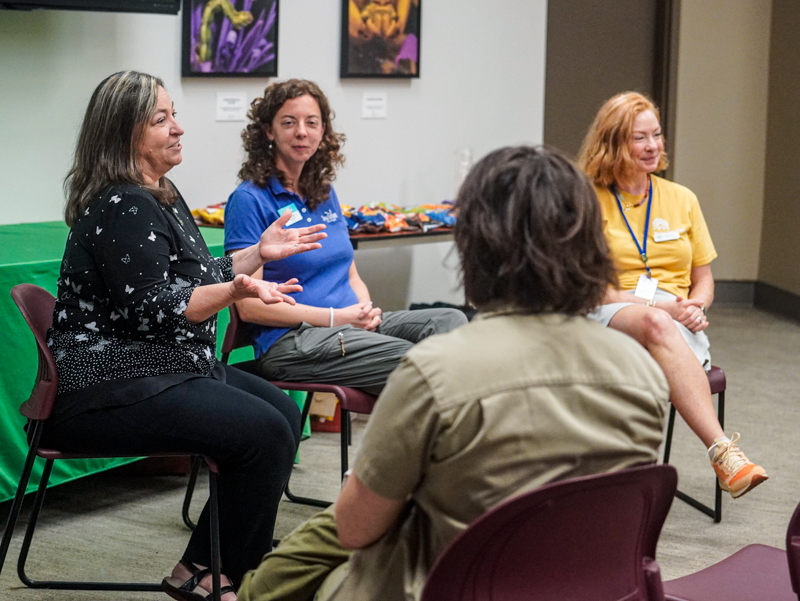
Belle Isle’s history also intersects with the nation’s founding. The island served as a prisoner-of-war site during the American Revolution, and on July 4, 1845, thousands gathered there for an Independence Day celebration that helped solidify its place in Detroit’s cultural history. It’s the day it was decided the island would receive its official name – Belle Isle – after Michigan Governor Lewis Cass’ daughter, Isabelle, also known as Belle.
“There is no place like this,” said Amy Emmert, senior director of education and engagement for the Belle Isle Conservancy. “At least in my travels, no place like this.”

The Belle Isle Conservancy has been a strong proponent for this second edition of the popular guidebook. The idea to update the guidebook gained momentum through community interest and collaboration. Emmert herself was driven to have another version available to the public.
“If it weren’t for the Conservancy’s interest and pushing, I don’t know that it would have happened,” Bohling said.
This collaboration is a testament to how far a project can go with a thoughtful partnership. This one, between MSU Extension, Michigan Sea Grant, and Belle Isle Conservancy, brought together subject matter expertise, community connection, and communications support—hallmarks of MSU Extension’s work across Michigan.
“We’re always looking for opportunities where we can help amplify a partner’s message and get that out to the public,” said Michigan Sea Grant educator Erica Anculle.
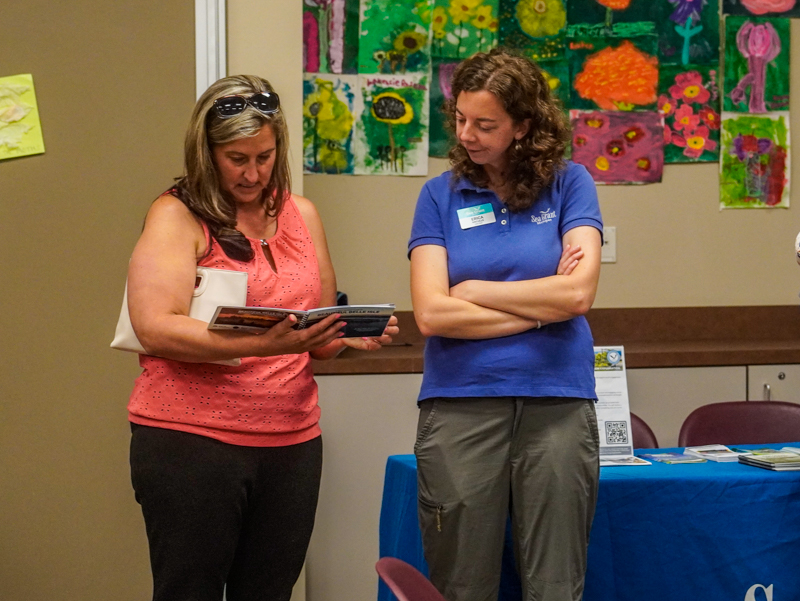
Ultimately, the guidebook is designed to help more people experience Belle Isle in meaningful ways. By combining history, ecology, and personal stories, the co-authors hope to inspire curiosity, connection, and a greater appreciation for Detroit’s natural and cultural history.
For the co-authors, the project also reflects their personal connections to Belle Isle. Emmert first visited the island as a young traveler before returning to work in Detroit. Over time, her understanding of the island deepened.
“It’s a jewel in the crown of Detroit,” Emmert said.
Bohling’s connection began unexpectedly, helping rescue birds as an environmental expert for DTE Energy. That work led her to the Belle Isle Nature Center and a deeper appreciation of the island’s environmental significance. Bohling grew up a few miles from the city center and admits she was influenced by common misconceptions about the city.
“The perception of Detroit was that being outside there was dangerous,” Bohling said. “That’s a misperception I’m happy this book can help change.”
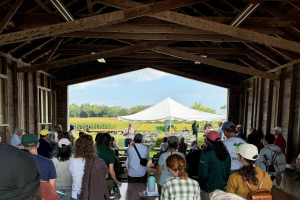
At the June book launch on Belle Isle, the possibilities for building connections and lasting impact became personal for Bohling.
“It still brings tears to my eyes,” Bohling said. “That was my dad’s first visit to Belle Isle. Now we have that as a new connection.”
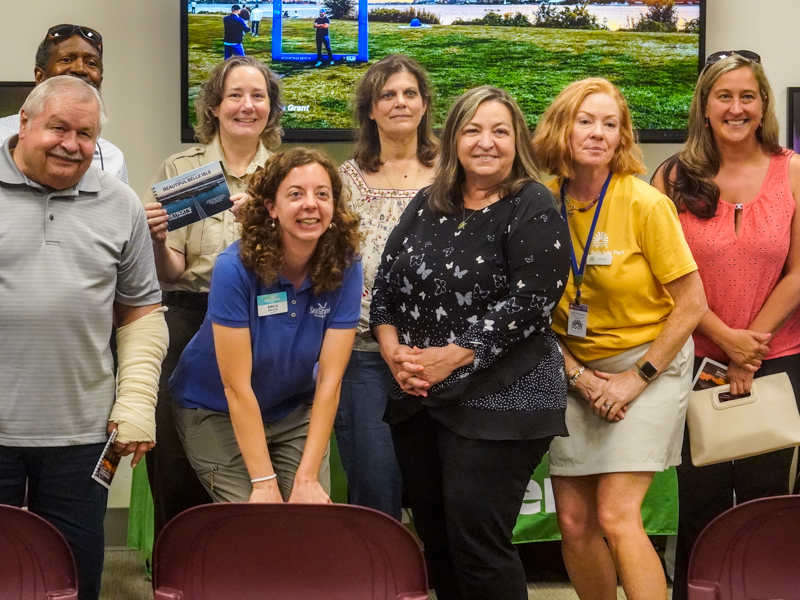
Beautiful Belle Isle: Detroit’s Unique Urban Park is available for purchase through the Belle Isle Conservancy bookstore.