


Community-led nutrition and physical activity efforts across Michigan receive $65,000 in support from MSU Extension
 Print
Print Email
EmailCommunity Change Fund helps partners strengthen and sustain access to healthy food and physical activity.
Michigan State University Extension has awarded $65,000 in SNAP-Ed–funded supplies and materials to community partners across Michigan through its Community Change Fund. The initiative supported eligible local organizations in continuing and strengthening efforts that promote access to nourishing food and opportunities for physical activity. The Community Change Fund built upon community partnerships developed through what was MSU Extension’s 30+ year SNAP-Ed program and was a response to the July 2025 elimination of federal funding for the SNAP-Ed program. Awarding remaining program funds to other organizations reflects MSU Extension’s continued commitment to supporting local partners in Michigan and sustaining community-driven progress.
Through coaching and technical assistance from MSU Extension staff and with the purchase of SNAP-Ed–allowable supplies and materials, these funds helped partners strengthen changes that make healthy choices easier and more accessible and expand on successful nutrition and physical activity systems change efforts. The Community Change Fund prioritized efforts where a small investment would create meaningful, lasting impact. Supplies purchased helped partners build on existing successes by supporting improvements that promote nourishing food choices, active living, and long-term sustainability.
Examples of Community Change Fund Projects in Action
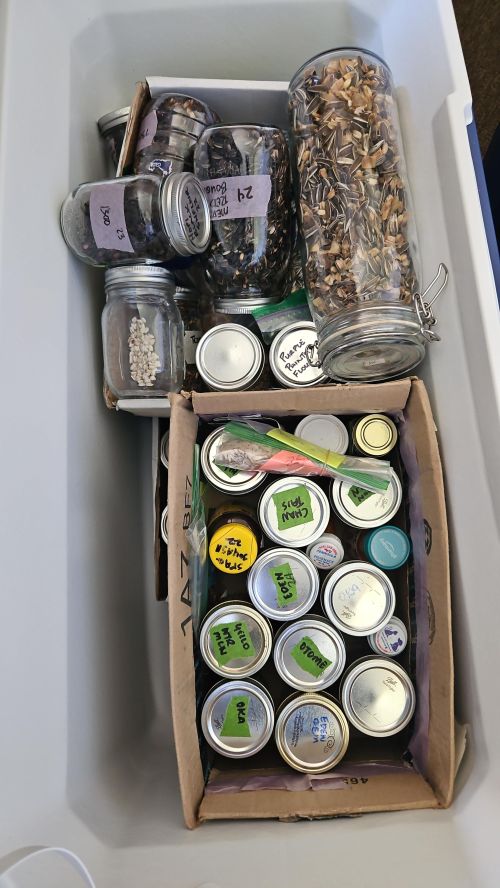
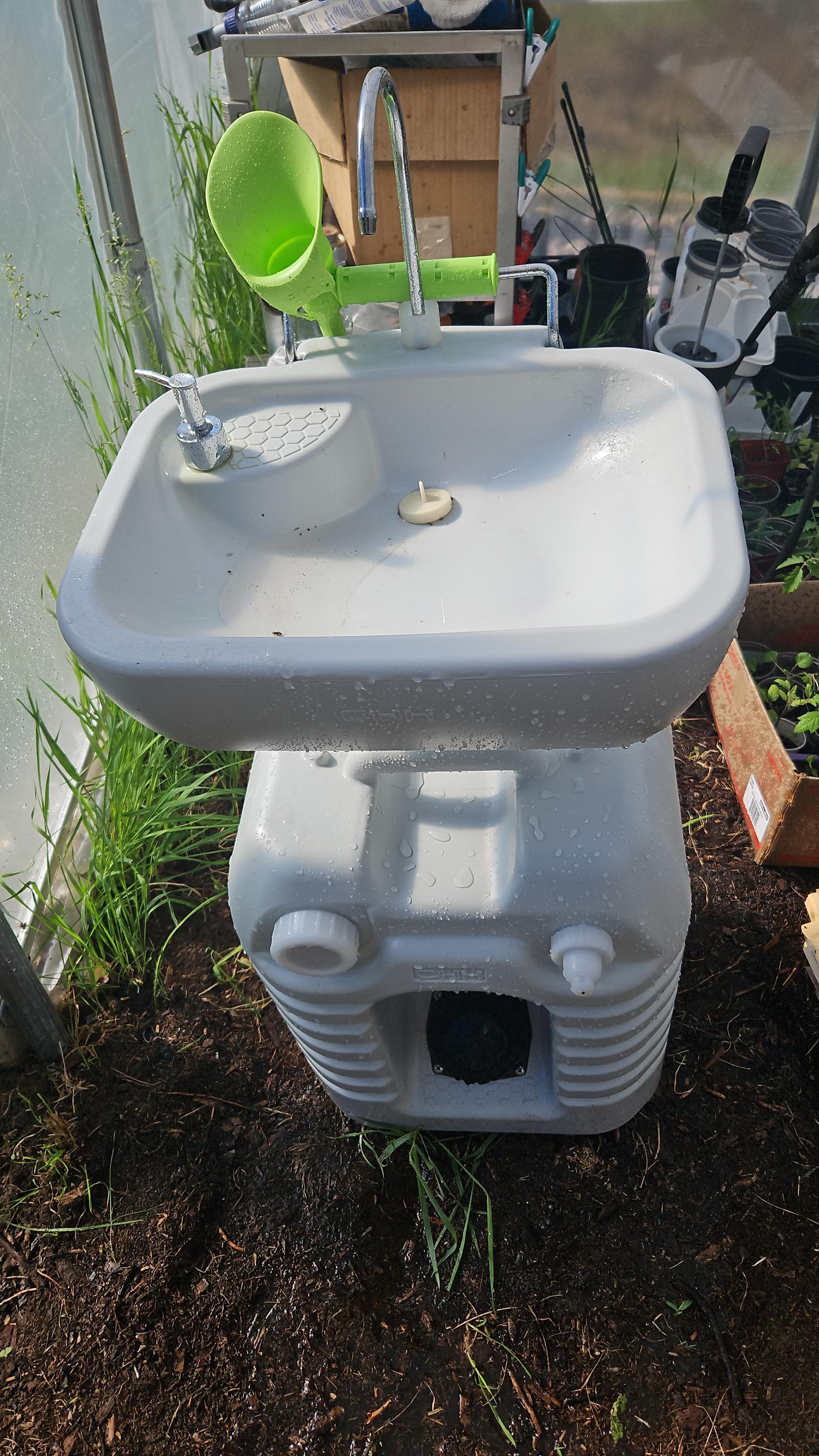
In addition to facilitating seed saving and educational workshops, the Upper Peninsula nonprofit Gwinn Food System grows a variety of heirloom produce for local food pantries. Kazakh melon, St. Valery carrots and Hopi squash are among the more than 80 varieties grown in support of a stronger local food system. Steve Finley, Director of General Operations, was grateful for the support. “We are a small organization. Gaining access to these funds for needed equipment was like Christmas. The coolers will help us store food longer. Lettuce, kale, spinach and tatsoi are heat sensitive, and we can now keep them cool after harvest, helping us support others without compromising quality.” Materials purchased with support from the Community Change Fund, in partnership with local MSU Extension Educator Erin Tigue, are strengthening on-farm food safety and improving the transportation of fresh produce to pantries such as St. Vincent de Paul in Gwinn—ultimately increasing access to high-quality, fresh food.
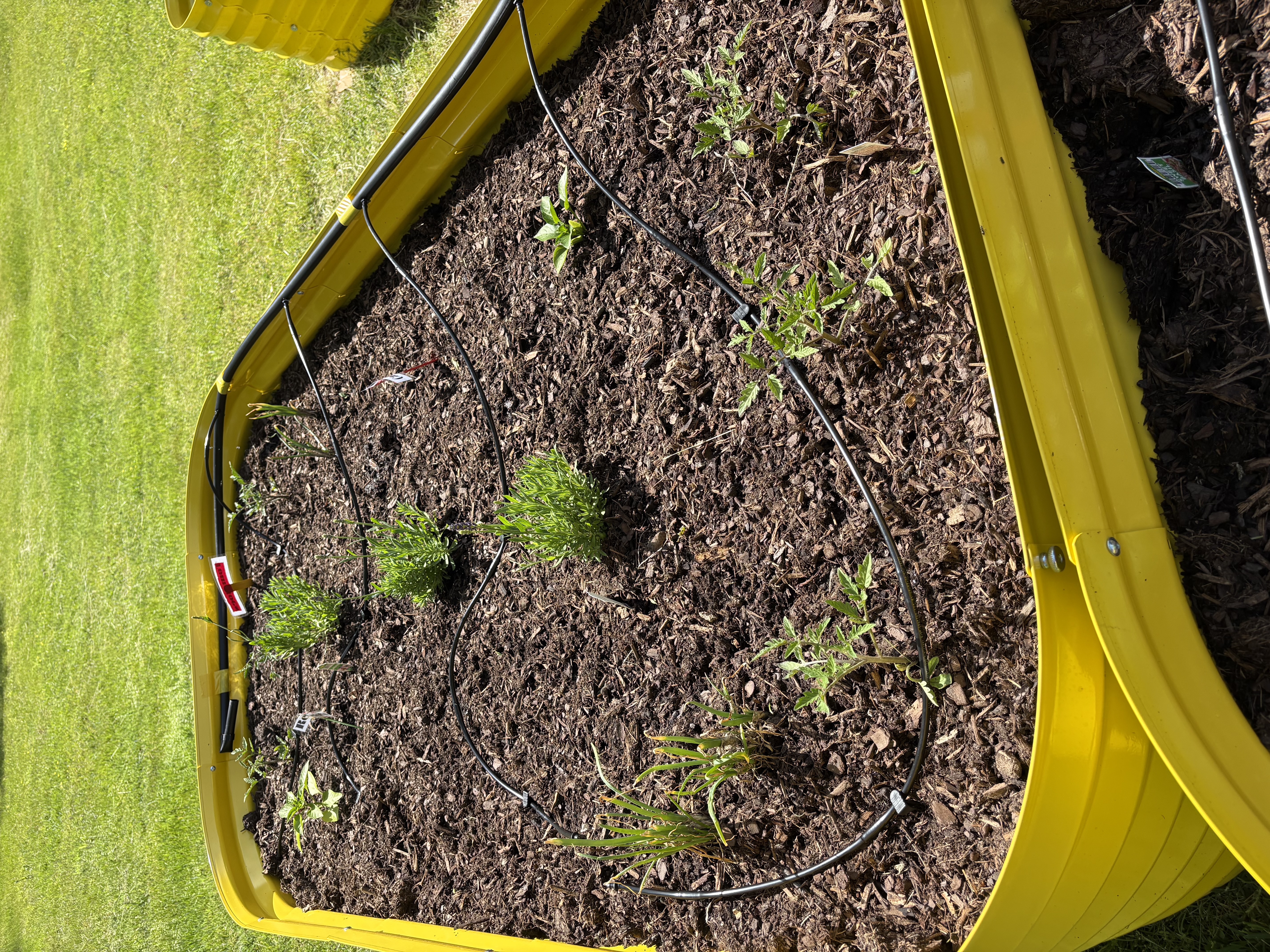
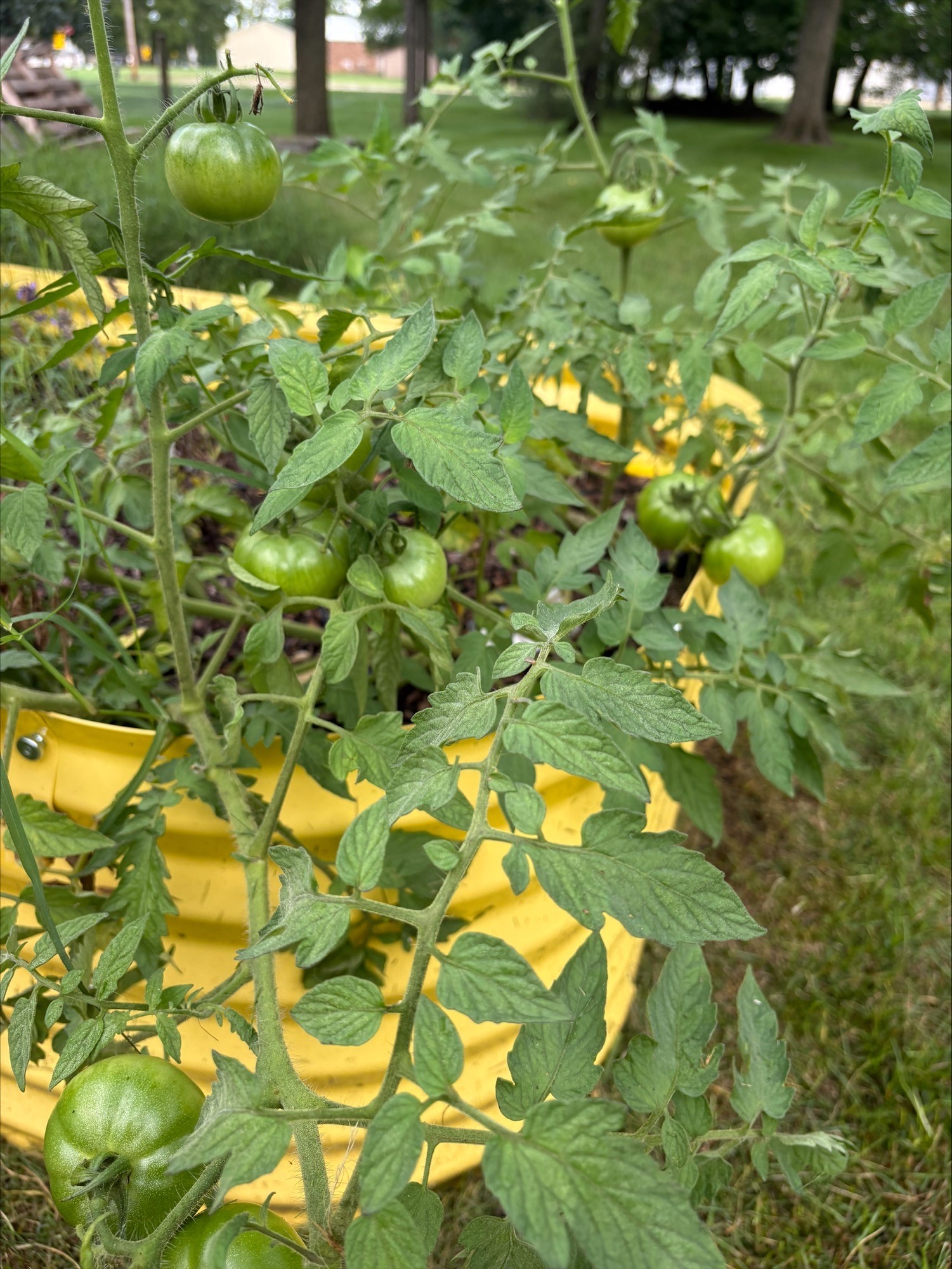
“I’ve been wanting a garden for a long time,” shared Robin Neeb RD, Nutrition Manager with Flowers Early Learning. Through the Community Change Fund, Neeb was able to purchase raised garden beds, child-sized garden tools, and a variety of vegetable and herb plants and seeds to establish a garden that supports hands-on nutrition education. With guidance from MSU Extension Educator, Leena Abouzahr, Neeb selected developmentally appropriate tools and other educational resources, allowing the garden to function as an outdoor classroom. Flowers Early Learning provides Head Start and Early Head Start services, supporting the mental, social, and emotional development of children from birth to 5 years. “We serve family-style meals, and our teachers use mealtime to talk about how food is grown, Neeb explained. “Having a garden will deepen the learning, giving children the chance to experience the full process from seed to harvest. We also hope it encourages them to try more vegetables.”
“The Community Change Fund is about more than materials,” reflected MSU Extension Supervising Educator Heidi DeVooght. “It’s about listening
to partners, building on what is already working, and supporting communities as they continue this work in ways that fit their needs. Many of these partnerships were developed through the work of MSU Extension staff. Through site visits, conversations, and planning efforts, partners identified both strengths and challenges, ensuring that each project reflects real community priorities.” DeVooght supported partners in Lansing, Jackson and Monroe with supplies to enhance existing edible gardens and environments that encourage active play.
While each project reflected the unique needs of its community, all shared a common goal: Creating environments where healthy choices are easier and more accessible.
Projects supported through the Community Change Fund included the following organizations:
- Alger County 4-H Garden Club
- Bendle Public Schools
- Burton Senior Activity Center
- Durfee Elementary-Middle School Student Garden Club
- Flint Public Library
- Flowers Early Learning
- Great Start to Quality Southeast Resource Center
- Gianna House
- Great Start to Quality Central Resource Center
- Great Start to Quality Eastern Resource Center
- Great Start to Quality Northwest Resource Center
- Great Start to Quality Upper Peninsula Resource Center
- Greenville Public Schools
- Greenville Public Schools
- Gwinn Food System
- Holly Park Academy
- Jackson Interfaith Shelter
- Keicher Elementary- Michigan Center
- Keys Grace Academy
- Krapohl Senior Center
- LACASA Center
- Macomb County Health Department
- Monroe County Youth Center
- Oak Park Farmers Market
- Ovid-Elsie Public Schools
- Personal Growth Center and Country Christian Church
- St. Clair County Regional Educational Service Agency
- Swartz Creek Area Senior Center
- Women’s Center of Greater Lansing
- Young People of Purpose Community Garden
- Zeeland Public Schools
The Community Change Fund helped inspire the development of the Community Change Hub, a self-guided, virtual collection of resources designed to help community members and organizations create and support environments where positive choices are more accessible and realistic for everyone.