Community scientists are documenting aquatic invasive species in Michigan using iNaturalist
 Print
Print Email
EmailYour lake or stream visit can turn into meaningful data.
During a single weekend in April 2026, more than 106,000 people across 754 cities worldwide participated in the “City Nature Challenge” on the iNaturalist app, uploading observations of plants, animals, fungi and other organisms from their local environments.
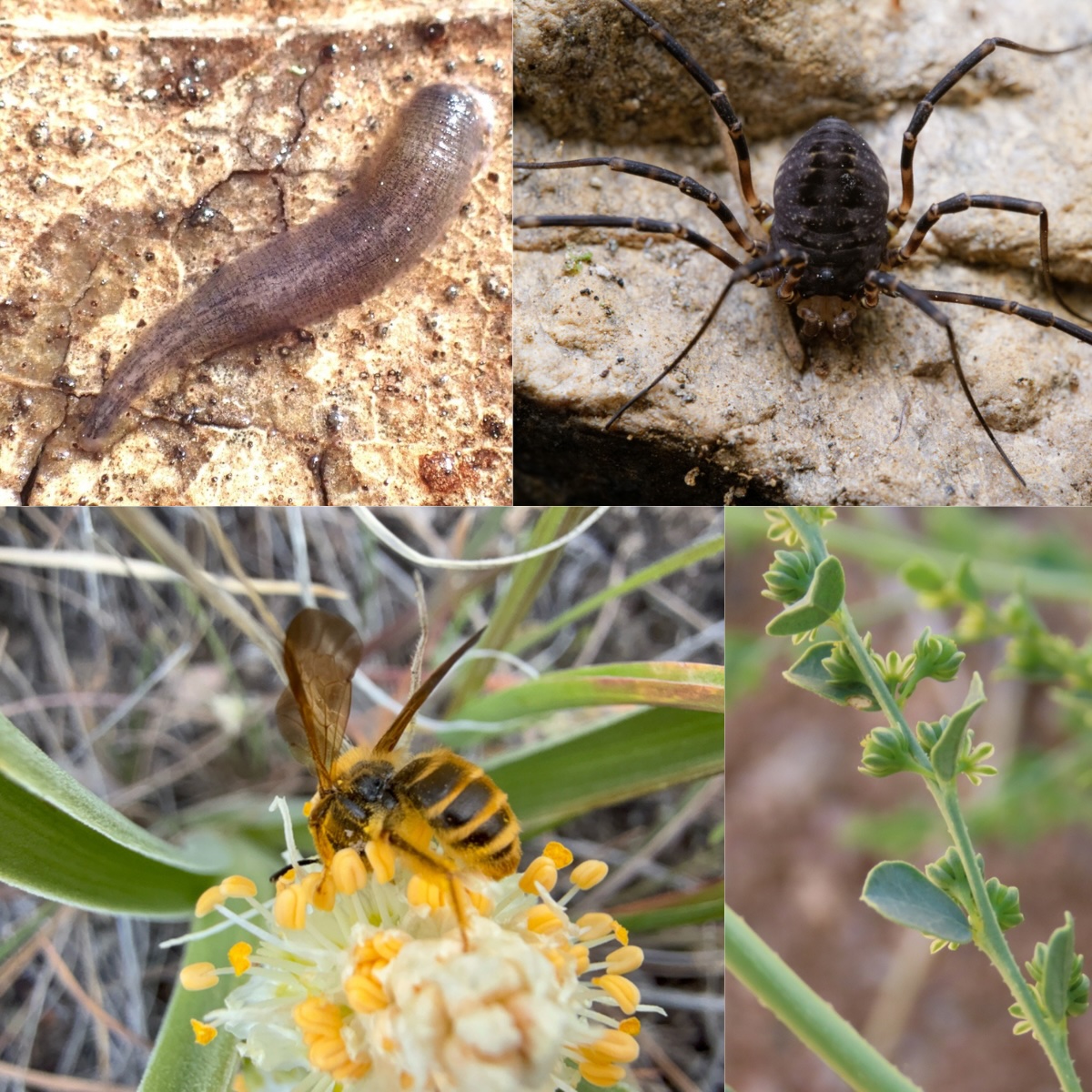
Some of those observations turned out to be rare, including species never before recorded on iNaturalist and a plant with only 13 known records in a global biodiversity database.
One observer in San Francisco uploaded a photo of a leech species that had never before been documented on iNaturalist. In Utah, another participant documented a rare mining bee believed to be the primary pollinator of a toxic flowering plant. Across the globe, everyday observations became part of larger biodiversity datasets that researchers and land managers use to understand where species live and how ecosystems are changing.
Over the past decade, community science has grown quickly through platforms like iNaturalist, where anyone can upload observations from a smartphone. Individually, these observations may seem as simple as photos of something interesting someone came across, but collectively they can become something much larger. Millions of observations from across the world now contribute to biodiversity mapping efforts, invasive species tracking, ecological monitoring and scientific research.
Not every observation becomes a rare species record or major discovery, but even common observations can help clarify species distributions, seasonal timing, habitat use or the spread of invasive species.
Aquatic invasive species are a good fit for this kind of community science. Early detection matters, and new infestations are often first noticed by people already spending time near the water. A patch of phragmites along a shoreline, a few zebra mussels attached to a dock, or invasive aquatic plants appearing near a public access site can all become useful observations.
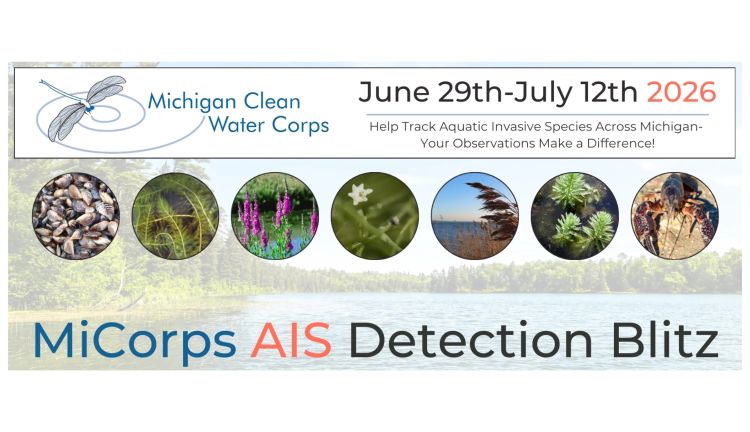
In Michigan, the Michigan Clean Water Corps (MiCorps) through Michigan State University Extension is preparing for the second annual Aquatic Invasive Species (AIS) Detection Blitz, running statewide from June 29 through July 12, 2026. The event encourages people across the state to document suspected aquatic invasive species while they are already spending time near lakes, rivers, streams, wetlands and shorelines.
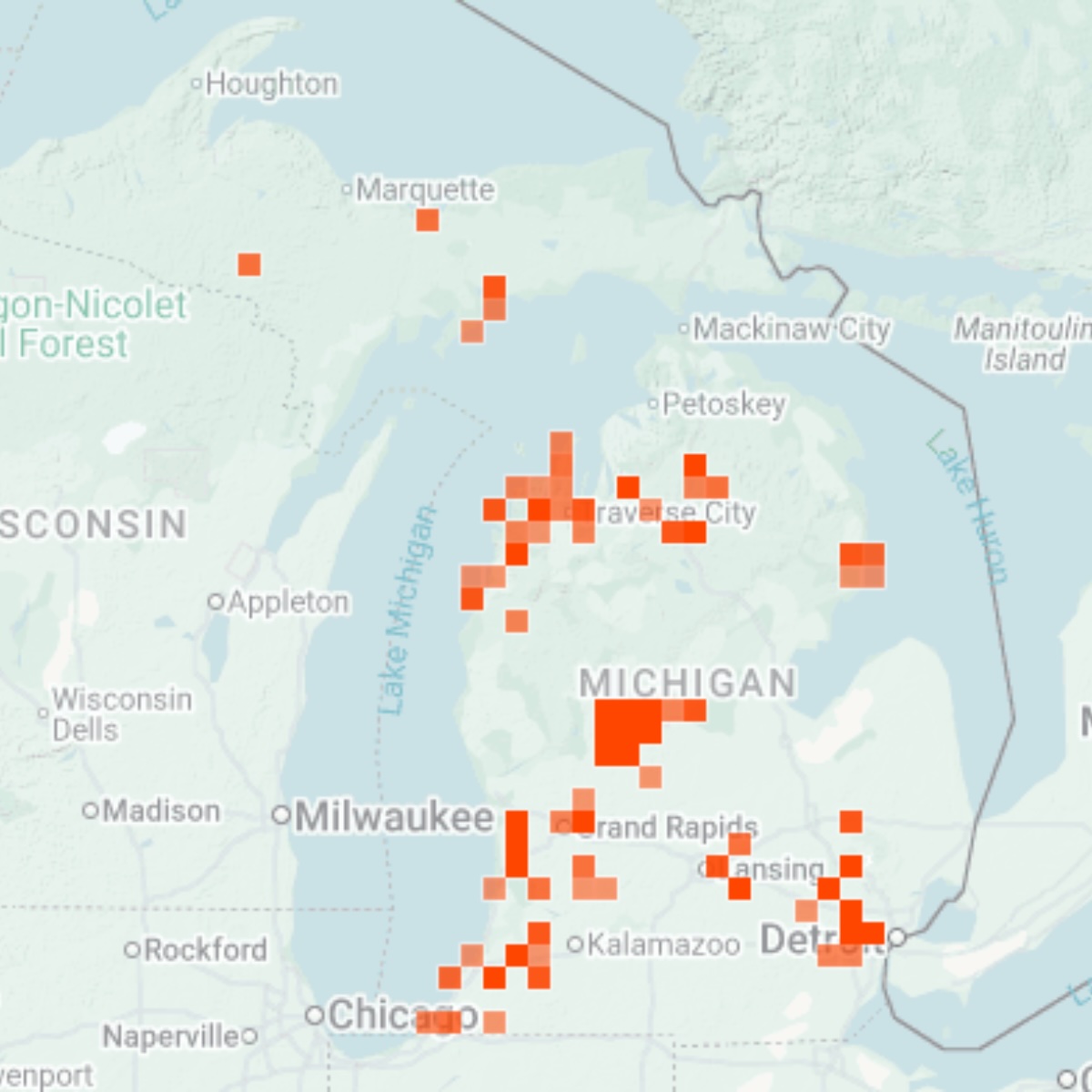
Participants upload observations using the free iNaturalist app, where the observations are automatically added to a statewide project focused specifically on aquatic invasive species. Last year’s AIS Detection Blitz documented species like phragmites, Eurasian watermilfoil, invasive cattails, curly-leaf pondweed and zebra mussels across Michigan. In total, volunteers contributed 110 verified aquatic invasive species observations during the project window.
The AIS Detection Blitz also overlaps with the Great Lakes Aquatic Invasive Species Landing Blitz, a region-wide outreach effort focused on prevention messaging at boating access sites across the Great Lakes basin. Together, the two efforts work in different but connected ways: one helps prevent spread, and the other helps document where invasive species are already showing up.
Participation in the AIS Detection Blitz is intentionally simple. You don’t need to be an expert to take part. Participants only need to download the free iNaturalist app, search “2026 MiCorps AIS Detection Blitz,” and join the project. Once joined, any observations uploaded during the event dates are automatically added to the statewide map.
Those interested in participating or partnering for the Detection Blitz are welcome to join the MiCorps team June 9, 2026, at 11 a.m. for an instructional webinar to walk through the process. The webinar will be recorded and available online.
Whether someone is spending time at a northern Michigan lake over the Fourth of July holiday, paddling a river, walking a shoreline trail or already knows of invasive species near their local waters, each observation helps build a better picture of AIS distribution across Michigan.
For aquatic invasive species, the difference between one report and none can matter a lot.
More information about the project, participation, webinar registration for the June 9 informational session, and partner promo materials can be found on the MiCorps AIS Detection Blitz landing page at micorps.net/events/aisblitz.