From hayfield to vegetable production: A year one case study
 Print
Print Email
EmailThe importance of the first year in farming: Insights from a beginning grower.
Starting a new farming venture is exciting, but it can also be overwhelming—especially for beginner farmers who are learning as they go. This article shares a new grower’s experience in their first season. The goal is to provide realistic expectations, highlight common challenges, and offer practical lessons that may help others who are just beginning their farming journey.
Every farm, site and grower is different, so your experience may not look exactly like this one. However, many new farmers face similar challenges such as soil preparation, equipment needs, irrigation setup, crop selection and overall planning of the fields. By reflecting on this case example, narrated by the new farmer, hopefully readers gain insight to avoid preventable mistakes and make more informed decisions as they develop their own vegetable production systems.
Michigan State University Extension offers resources, workshops and technical assistance to support new and beginning farmers. If you need guidance at any stage of your journey, MSU Extension is here to help.
How it all started
In 2023, after watching YouTube videos of smiling farmers making a living at their local markets, I began imagining what a small-scale vegetable grower’s life might look like. To me, farming represented a blend of physical work, business development, community engagement and a chance to contribute directly to the local food system.
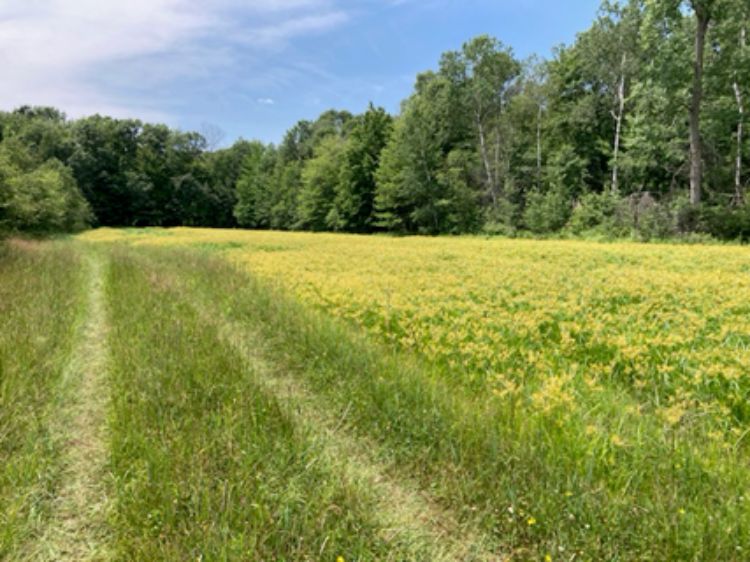
In November 2024, I decided to purchase a hayfield to start vegetable production. In the spring of 2025, I started farming and wanted to keep it simple, start it small and figure out which plants like me back. In the same year, I started failing spectacularly, repeatedly and usefully. However, the first-year experience provided valuable insights into site preparation, soil management, infrastructure development, crop planning and scale.
I believe I failed the first year because of overambition, lack of tools, lack of water (irrigation system), weather challenges and organizational issues. Below is the timeline of my farming experience:
The property
- Former hayfield with historical crop production
- No electricity, water, equipment or storage infrastructure
- Owned by the same family for approximately 100 years
- Initial production area of 1.5 acres
I set an initial budget for $2,500 but quickly increased it to $5,000 due to property reassessment and other unforeseen expenses.
Season review
April-May: Initial field preparation
Fieldwork began using rented tillers. Progress was slow but steady. I tested the soil using a Walmart soil tester, which showed a pH of 7.2. The soil looked great, I thought, “This is so dang easy!”
May-June: Reality arrives
Assistance from a neighboring landowner who helped with plowing and discing the field significantly improved soil quality. Planted approximately 85 varieties of vegetables, including ancient grains/flax, herbal teas, sage, lavender and other garden fun stuff for market.
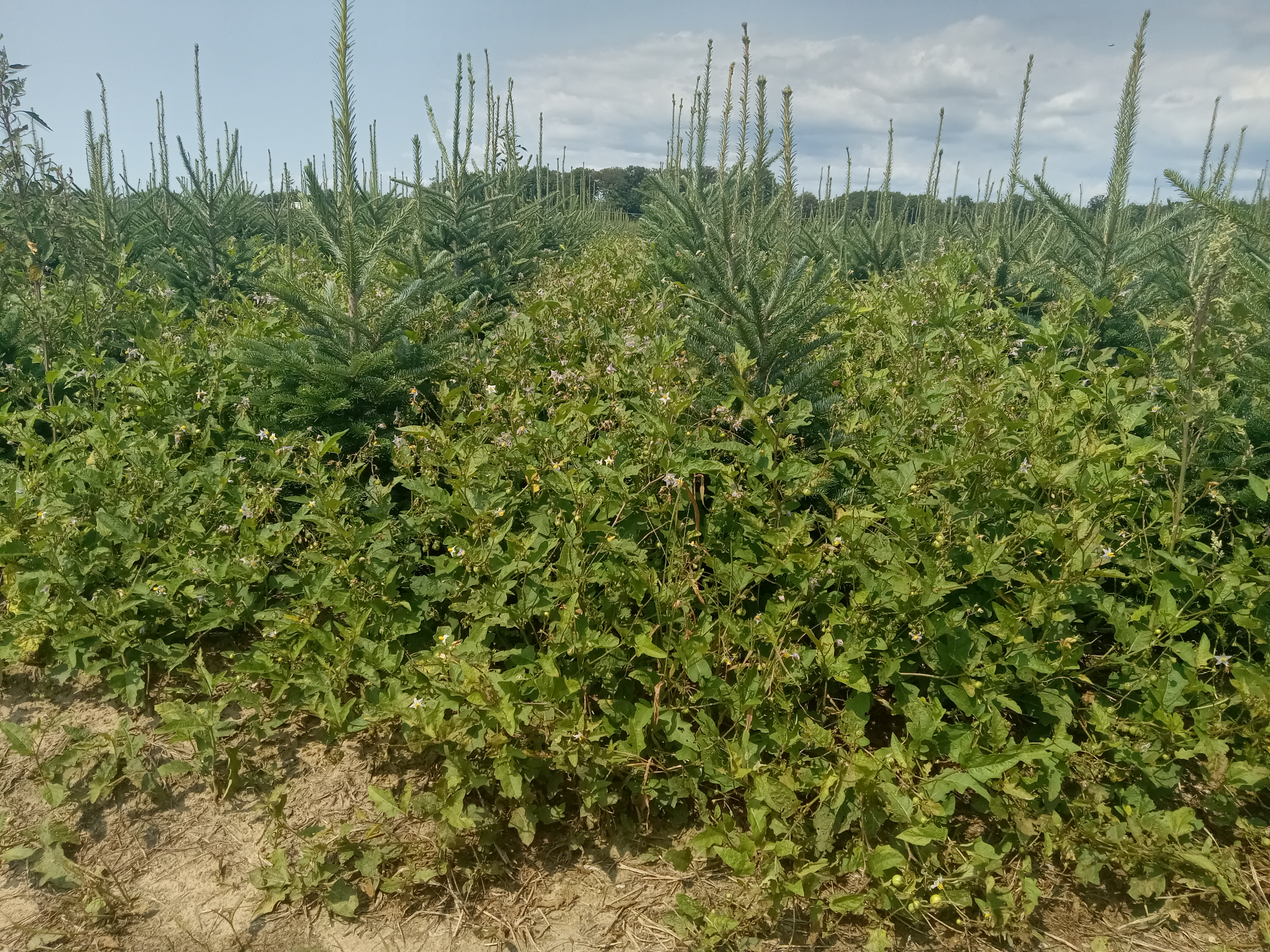
Later in the summer, the soil was tested again using the Michigan State University Extension soil kit and the results were much less favorable. Some early-season challenges were weed pressure. I could not differentiate crops from weeds. For example, crops like Thai basil I could see because of its purple flower, but other varieties of basil were difficult to identify among the weeds.
Sunchokes and potatoes did relatively well. Transplants that I started at home were alive, but direct-seeded crops never sprouted or if they did, they died quickly.
Irrigation challenges
The farm is located 15 miles from the residence, and rainfall patterns differed significantly between sites. Irrigation evolved over the season. The season started with a 48-gallon bag to multiple bags and then to the tote. The tote fills for $0.50 at the water plant, and despite providing an increased amount of water, it was still labor-intensive, irregular and insufficient during dry periods.
July: The turning point
By July 4, I knew the field lacked fertility, weeds were out of control and big changes were needed.
Actions taken
- Completed Michigan State University Extension’s cover crop/soil health crop online class
- Purchased a tractor with a vertical plow and tiller
- Used AI tools to redesign and standardize the layout for next season
- Notified local market manager that I would not make to the October market
August: Starting over
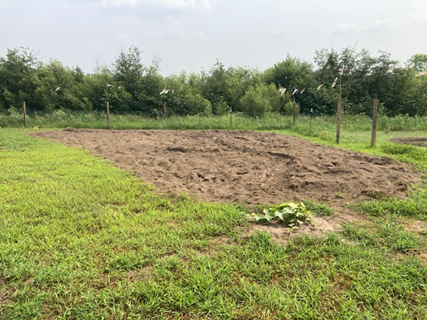
- Reworked 0.5 acres using a flail mover, plow and tiller
- Applied lime, commercially available compost and planted cover crops
- Established a test bed of garlic
- Began developing a real water source
- Harvest results: fair potatoes, stunted corn and green tomatoes
October
Scheduled consultation with an expert in garlic farming to improve garlic production. Terminated cover crop, prepared beds to plant garlic and planted.
Where things went wrong and what I learned
Ambition
I attempted to convert 1.5 acres of hay field into vegetable production in a single season, largely by hand and using rented equipment. Planted 85 different crops, many chosen because they were interesting but not feasible. Several “cool” crops required specialized harvesting, drying or processing equipment that I did not have. In hindsight, the season should have been dedicated entirely to field transformation, not production.
Lack of tools
My goal was to avoid large purchases before earning even a dollar in sales. However, renting equipment repeatedly was inefficient, and I ultimately needed the tractor and its implements from the start.
Lack of water
Rainfall on the farm was consistently lower than at my house. Early season dryness hindered establishment.
Weather
Heat waves above 95 F and periods of heavy wildfire smoke slowed progress and made fieldwork physically taxing and sometimes required a respirator.
Organization
My paper plan was immaculate and my field was not. Weeds obscured crop rows, and with so many species planted early identification was difficult.
Next year’s plan
What am I planting next year, you ask? Garlic, a Three Sisters planting for the food bank, pie pumpkins or winter squash (or maybe both) and a cover crop program. I will also plant 5,000 square feet of mostly perennial for tea production. I plan to gradually expand this format into the full four acres and keep rotation in mind.
The last and very important piece of my journey is off-farm income. It gives me the luxury of calling this a learning experience until I can get to market and call it a business. Mentally that’s huge.
Overall, next year I plan to focus on fewer crops and make sure I can manage the fields and area I am working with. I want to incorporate cover crops as much as possible and avoid pesticides as I work toward becoming organic. Owning a tractor is very helpful and hope will move things quicker. I plan to have better irrigation set up. There is still so much to learn, but after getting through this first, rough season, I now have a little better idea of what I am doing out there!
The first-year experience illustrates that starting a farm involves both successes and setbacks. While everyone’s challenges may differ whether due to resources that you start with, planning, site conditions or weather, the learning process is universal. Hopefully, the lessons shared here help you as a beginning farmer to approach your own operation with realistic expectations and better preparation. As you move forward, remember that you don’t have to navigate the farming journey alone—MSU Extension is available to support new and beginning farmers as they build resilient and successful farms. Below are some resources that might be helpful to check out.