In-season crop rotation: Boosting garden health with cover crops
 Print
Print Email
EmailCrop rotation is a time-tested gardening method that helps reduce pests, improve soil health and increase yields.
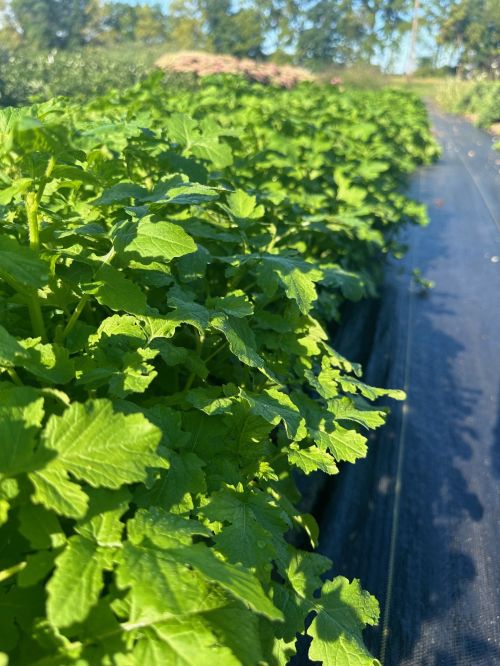
Crop rotation is a time-tested gardening method that helps reduce pests, improve soil health and increase yields. While many gardeners rotate crops from year to year, in-season crop rotation—planting cover crops between vegetable harvests—is a powerful way to keep your garden productive and your soil thriving all season long.
An important part of gardening is inspecting your garden and the plants for weeds and diseases. Cover crops can sometimes become weeds if not managed properly. It is also possible for cover crops to harbor diseases that can impact the quality and yield of your plants.

What works
Some cover crops are especially well-suited for short windows between vegetable plantings. These fast-growing species can be planted after an early crop and terminated before the next one goes in.
- Buckwheat: A fast-growing summer cover crop that matures in 4–6 weeks. It suppresses weeds, attracts pollinators and improves soil structure. Buckwheat is ideal for planting between spring and fall vegetables like peas and squash.
- Quick-growing greens: Mustard greens and other brassicas grow quickly and can suppress weeds while adding biomass to the soil.
- Table radish: These crops are especially useful in late summer and early fall, when there’s still time for a short growing cycle before frost.
What doesn’t work
Not all cover crops are suitable for in-season rotation. Some common challenges include:
- Slow-growing species: Legumes like clover or vetch may take too long to establish in short windows.
- Cover crops that become weeds: If not terminated properly, some cover crops can reseed and become a problem in future plantings.
Also, avoid planting cover crops from the same plant family as your next vegetable crop to reduce disease risk. For example, planting mustard before cabbage may increase the risk of clubroot.
Best practices
Here’s a simple guide to using cover crops between vegetable plantings:
|
Cover Crop |
Planting Time |
Termination Time |
Notes |
|
Buckwheat |
Mid-summer |
4–6 weeks after sowing |
Mow before seed set; compost or till in |
|
Oilseed Radish |
Late summer |
Before hard frost |
Deep roots loosen soil; nutrient scavenger |
|
Mustard Greens |
Late summer |
Before flowering |
Mow before seed set; adds biomass; suppresses weeds |
|
Oats |
Late summer |
Winterkill |
Easy to manage; good for erosion control |
Tips
- Plant cover crops immediately after harvesting vegetables.
- Use shallow tilling or mowing to terminate crops before they go to seed.
- Allow 2–3 weeks between cover crop termination and planting the next vegetable crop.
Other uses
Cover crops offer more than just rotation benefits. They also help with:
- Compost: Harvested cover crops like buckwheat and radish can be added to compost piles. Their biomass breaks down quickly and adds nutrients to the finished compost.
- Pest Control: Some cover crops suppress weeds and attract beneficial insects. Buckwheat, for example, draws pollinators and predatory insects that help control pests.
- Soil Building: Cover crops improve soil structure, increase organic matter and help retain moisture. Radishes and oats are especially good at loosening compacted soil and preventing erosion.
In-season crop rotation is a great way to keep your garden productive and healthy all season long. By using fast-growing cover crops between vegetable plantings, you can improve soil, reduce weeds, and prepare for your next crop. Just remember to choose the right crop for your timing and goals and
manage it carefully to avoid problems.