Insect friend or foe? Brown insect with triangular head and tent-like wings
 Print
Print Email
EmailSeveral brown lacewings have been spotted this year already. Are they agricultural friends, foes or something in-between?
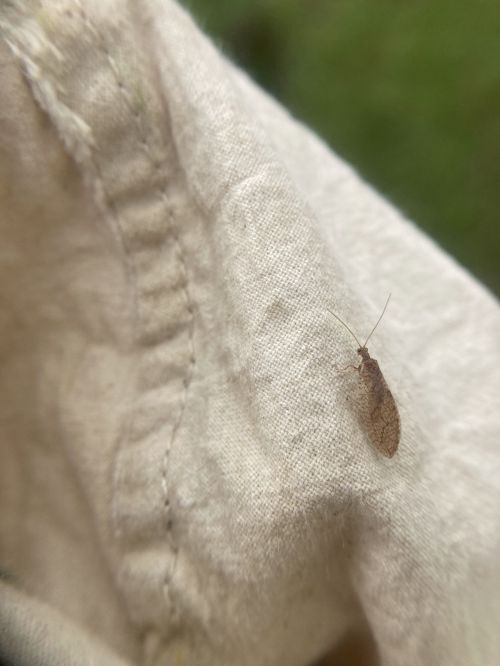
Only relatively few insects are economic agricultural pests out of the millions of insects in the world. But what are less familiar insects doing out in the fields? Are they benefiting us, causing harm or neither?
I’ve seen several brown lacewings this year already, many more than I usually find in field crops. They appeared early in alfalfa and forages and are now in other field crops. You may have heard of or seen green lacewings, which are like the brown ones, that are beneficial predators of aphids and soft-bodied larvae.
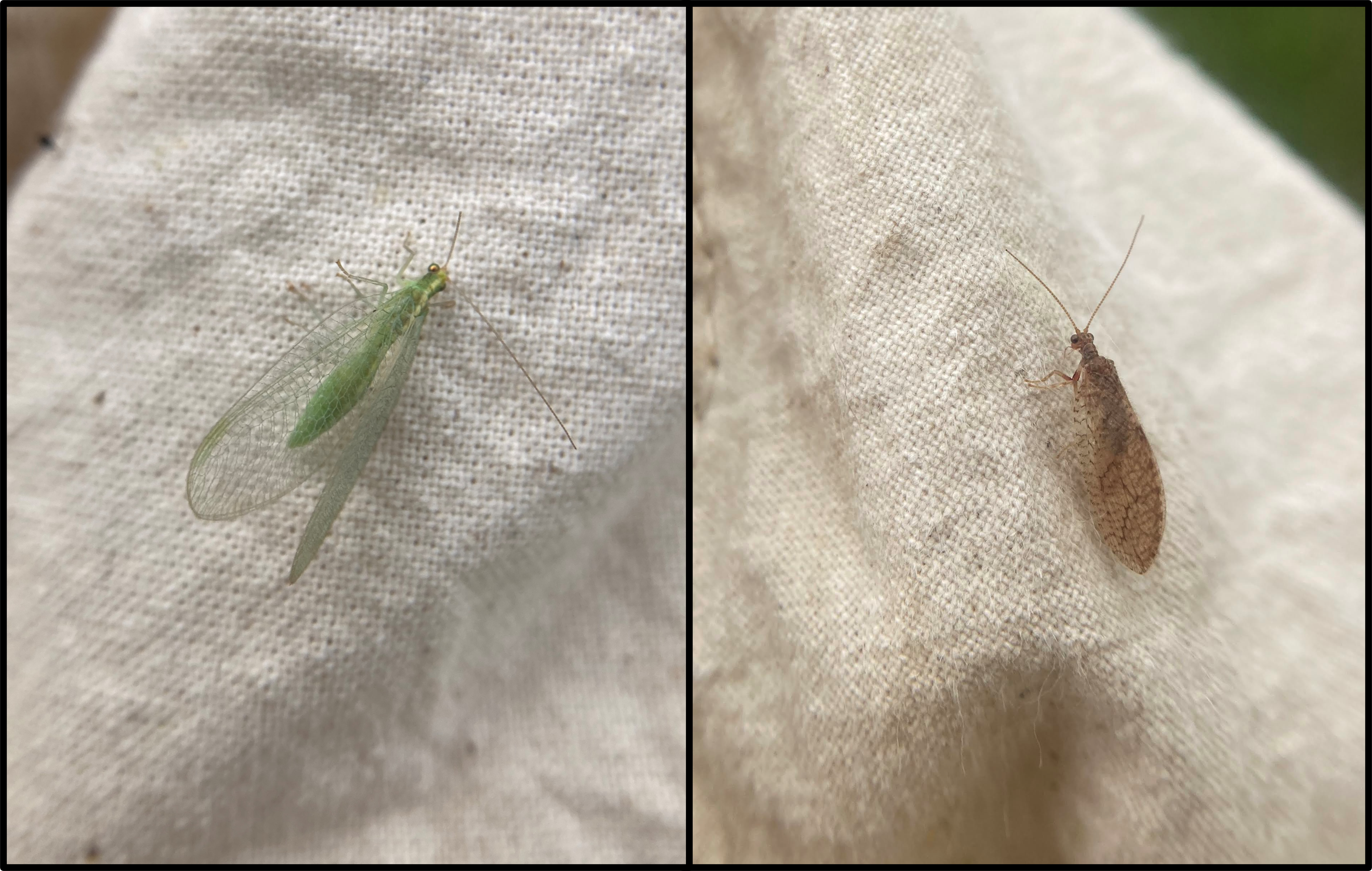
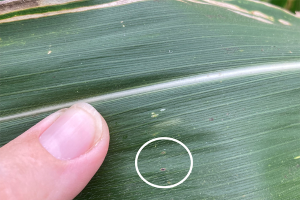
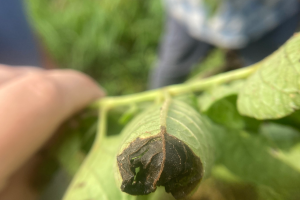
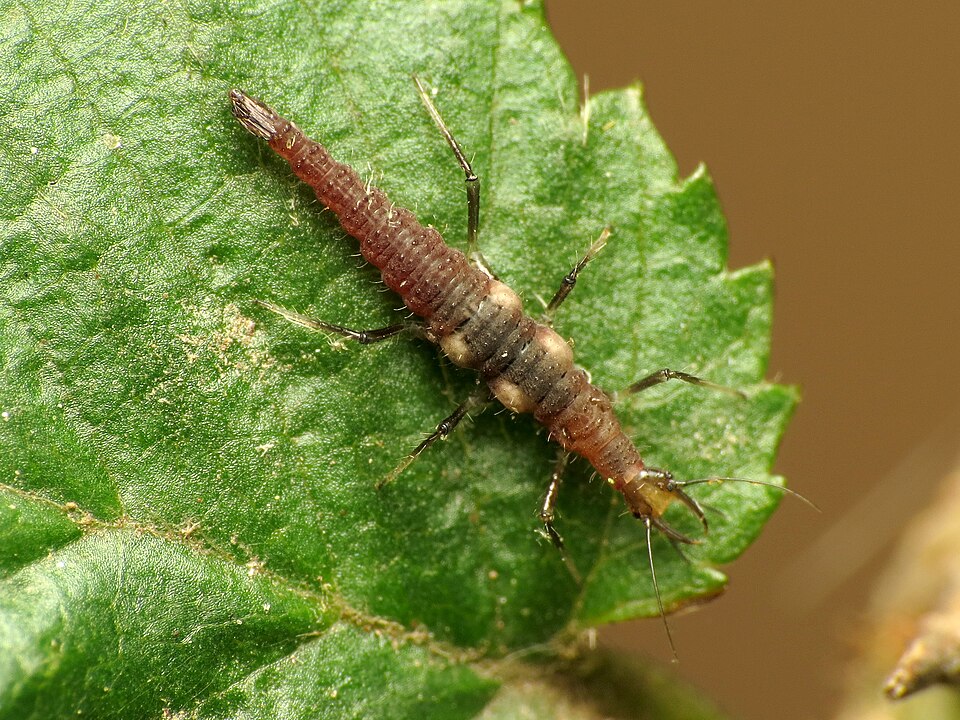
Brown lacewing adults are identifiable by their brown colored bodies and clear wings held tent-like over the body. There may be dark spots or markings on parts of the wings. If you are able to get close enough to see the lacewing’s veins, they fork or branch near the edge of the wing. Larvae are dark and narrow with their posterior coming to a clear point, like a skinny alligator. They have prominent curved mandibles that stick out in front of their head.
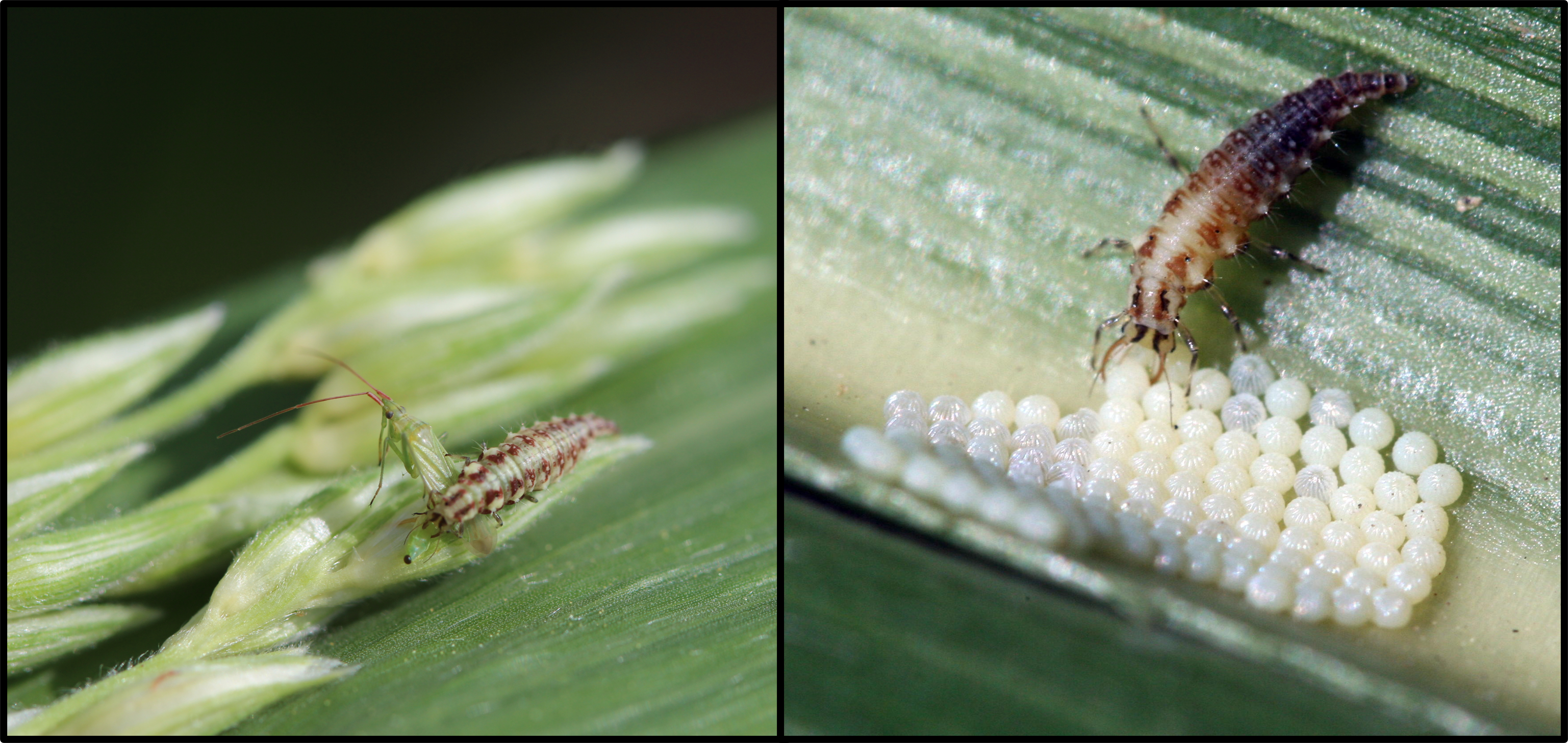
Lacewing larvae and adults feed on aphids, caterpillars and other insects. Field crops growers may be pleased to know that lacewings will feed on western bean cutworm eggs. Verdict: friend.
You can preserve brown lacewings by avoiding broad-spectrum insecticides and only applying chemical controls when pests are at the treatment threshold. For insect pest scouting and threshold guidelines in field crops, refer to the Insect pest management guide.
For more pictures and details, check out the Michigan State University (MSU) Extension profiles on lacewings.