Michigan expands invasive plant list: What retailers and homeowners need to know
 Print
Print Email
EmailMichigan adds six species to its invasive list, with phased bans beginning June 19, 2026.
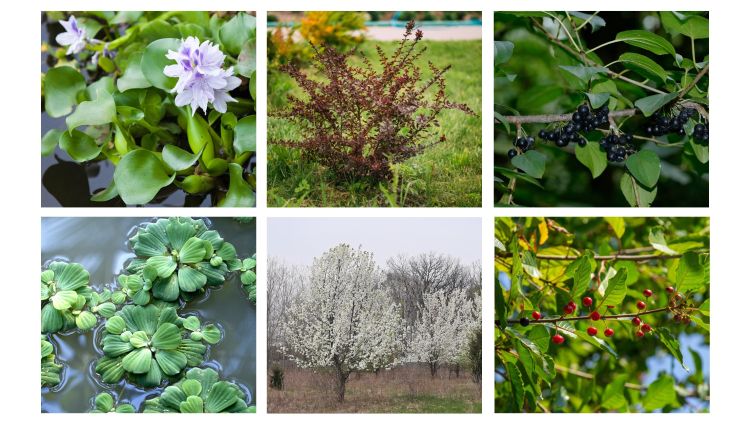
Michigan continues to leverage Part 413 of the state’s Natural Resources and Environmental Protection Act (NREPA). In May 2026, the Michigan Commission of Agriculture and Rural Development approved an Invasive Species Order that added six plants to the state’s prohibited and restricted species lists.
In Michigan, an invasive species is defined as one that is not native and whose introduction causes harm — or is likely to cause harm — to Michigan's economy, environment or human health.
Effective June 19, 2026, the following aquatic plants and their cultivars will be considered prohibited:
- Water hyacinth (Eichhornia crassipes)
- Water lettuce (Pistia stratiotes)
Effective January 1, 2028, the following plants and their cultivars will be considered restricted:
- Common buckthorn (Rhamnus cathartica)
- Glossy buckthorn (Frangula alnus)
- Callery pear (Pyrus calleryana)
- Japanese barberry (Berberis thunbergii)
It will be illegal to introduce, import, sell, possess with intent to distribute or intentionally propagate these species in Michigan. This includes cultivated varieties, even if they are thought to be sterile.
Prior to the order, the Michigan Department of Agriculture and Rural Development conducted an in-depth review of the latest scientific research, species distribution data and climate modeling for each species. The state also received over 2,000 public comments on the proposal, with the majority being in favor of adding these species to the regulated list.
What does this mean for homeowners?
If any of these species are already present on a property or in nearby waterways, the homeowner is not in violation of the law and is not required to take immediate action. After the regulation takes effect, however, these plants cannot be purchased online or from out-of-state sources and should not be shared or traded with others.
Care should be taken when managing or removing these plants, as improper disposal can lead to their spread. Following proper disposal guidelines is critical to prevent their introduction into natural areas. The Michigan Citizen’s Guide to Invasive Plant Disposal provides guidance for private landowners on safe and effective disposal methods.
Water hyacinth and water lettuce are common in water gardens and are often discarded in the fall during seasonal cleanouts. As the Michigan State University Extension Reduce Invasive Pet and Plant Escapes (RIPPLE) program emphasizes, never release aquatic plants or animals into natural waterways, including lakes, rivers, storm drains or retention ponds.
The RIPPLE program promotes responsible water garden and aquarium practices by providing guidance to professionals, retailers, and hobbyists on how to properly manage unwanted plants and animals to prevent their introduction into Michigan’s lakes and streams.
What does this mean for landscapers, plant nurseries and retailers?
Plant nurseries and retailers will no longer be able to introduce, import, sell, possess with intent to distribute, or intentionally propagate water hyacinth (Eichhornia crassipes) and water lettuce (Pistia stratiotes) starting June 19, 2026.
These rules will apply January 1, 2028, for the following species: common buckthorn (Rhamnus cathartica), glossy buckthorn (Frangula alnus), Callery pear (Pyrus calleryana), and Japanese barberry (Berberis thunbergii). Cultivated varieties of these plants, even if they are thought to be sterile, will not be allowed for sale. Landscapers, nurseries and retailers should not have any stock of these plants when this new regulation takes effect.
Similar to homeowners, landscapers should be vigilant and cautious when managing and removing these plants for clients. They should use proper disposal techniques such as those outlined in the Michigan Citizen’s Guide to Invasive Plant Disposal. Local Cooperative Invasive Species Management Areas (CISMA) are also available to provide recommendations on removal, decontamination and alternative species.
If there are questions regarding the implementation of this new regulation, nurseries and retailers are encouraged to direct those questions to Susie Iott, Michigan Department of Agriculture and Rural Development Invasive Species Program Specialist, at iotts@michigan.gov.
Prohibited aquatic plants effective June 19, 2026
Effective June 19, 2026, water hyacinth (Eichhornia crassipes) and water lettuce (Pistia stratiotes) will be prohibited. Both aquatic plants have been on Michigan’s invasive species watch list for years due to the threats they pose to the environment. These species can reproduce and spread rapidly, crowding out native aquatic plants, interfering with water flow, and ultimately degrading fish and wildlife habitat. In 2021, more than 3,500 pounds of water lettuce and water hyacinth were removed from waterways in southeast Michigan.
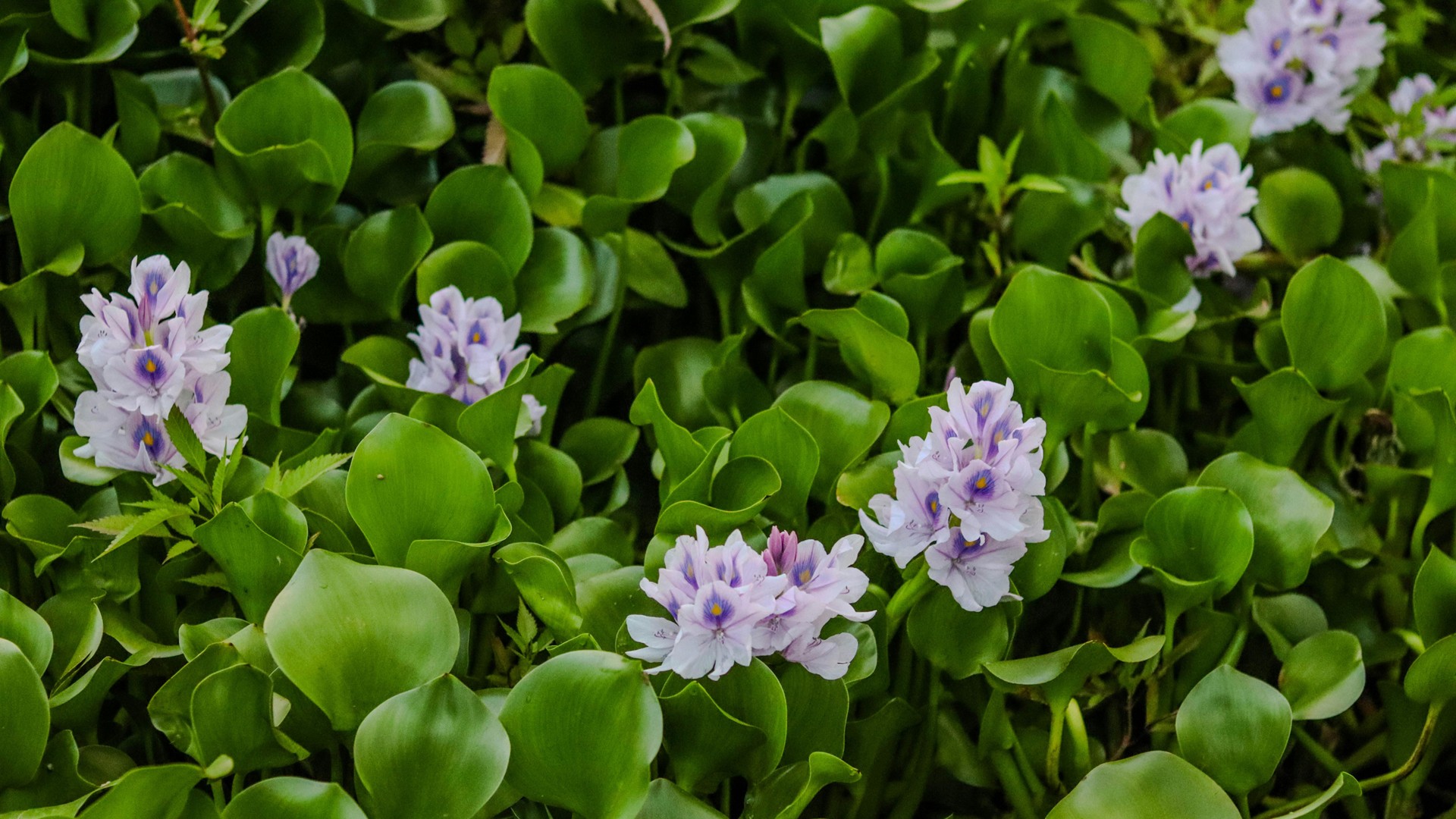
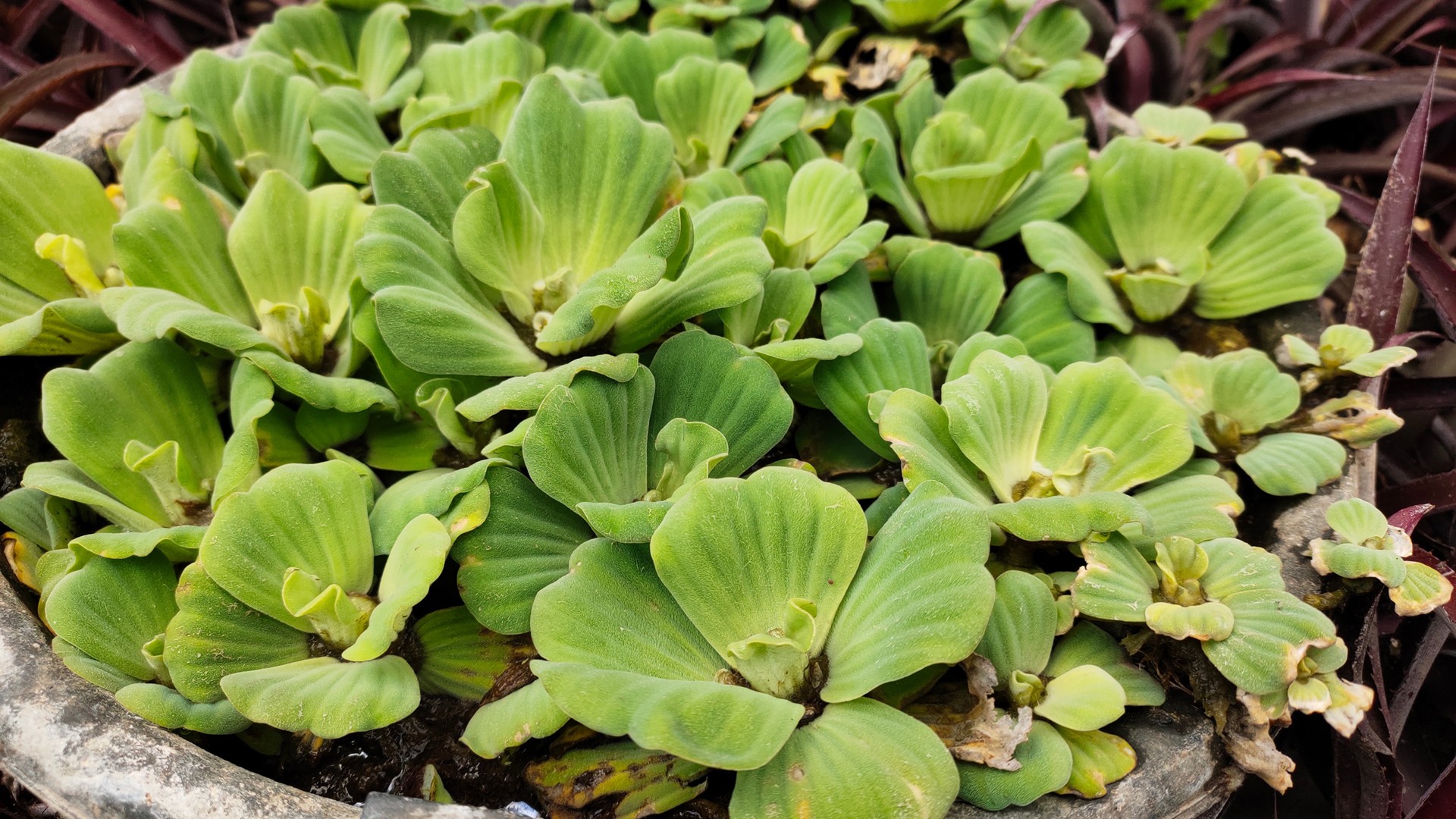
While these species are popular in the water garden and aquarium trade, there are alternative options available that provide similar benefits. For water gardens, some alternatives include white water lily (Nymphaea odorata), pickerelweed (Pontederia cordata) and broad-leaf arrowhead (Sagittaria latifolia). For aquariums, there are a handful of other floating aquatic plants commonly available in trade, such as red root floater (Phyllanthus fluitans).
These changes to the state’s regulations reflect ongoing efforts to limit the negative ecological and economic impacts of invasive species and help align Michigan regulations with other states in the region. Preventing the sale of high-risk species is one of several tools used to combat invasive species and reduce their spread.
Michigan State University Extension will provide additional information regarding the newly listed woody plant species and resources on alternative landscaping options in future articles. For more information on invasive species in Michigan, please visit michigan.gov/invasives.