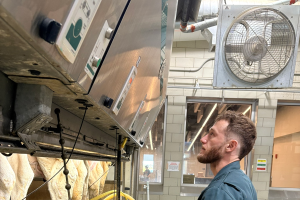
MSU World Agriculture Center hosts students from Taiwan
 Print
Print Email
EmailScholars from National Chung Hsing University were shown how MSU Extension impacts farms across the state.
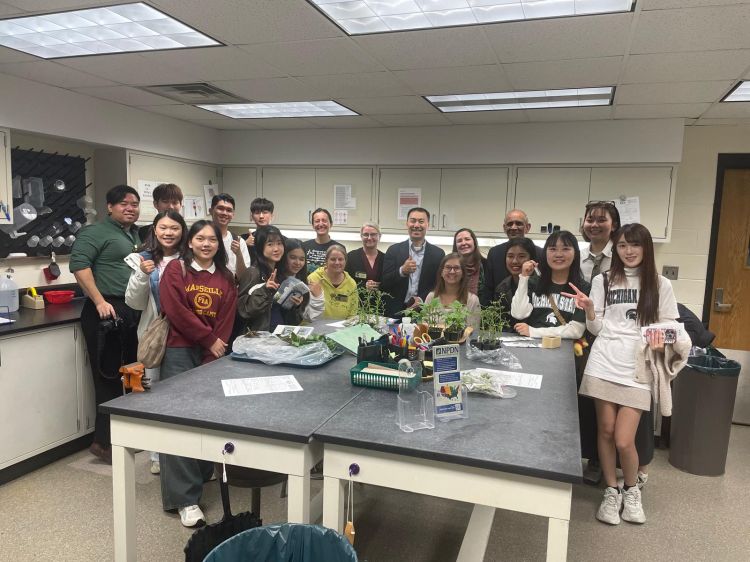
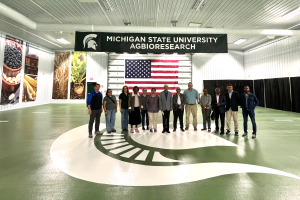
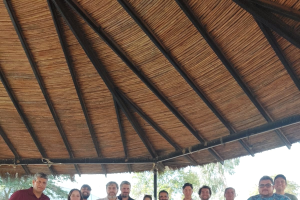
MSU Extension and the MSU World Agriculture Center hosted a weeklong study tour for students from National Chung Hsing University in Taiwan, April 25-May 1, to learn about Michigan agriculture and how MSU’s unique land-grant Extension model supports producers.
Dr. Shang-Ho "Bruce" Yang, Professor and Director of the Graduate Institute of Bio-Industry Management in the College of Agriculture and Natural Resources at National Chung Hsing University, accompanied 12 students for tours of MSU’s campus and site visits across Michigan to learn how Spartan faculty and Extension experts are improving agriculture for all Michigan farmers.
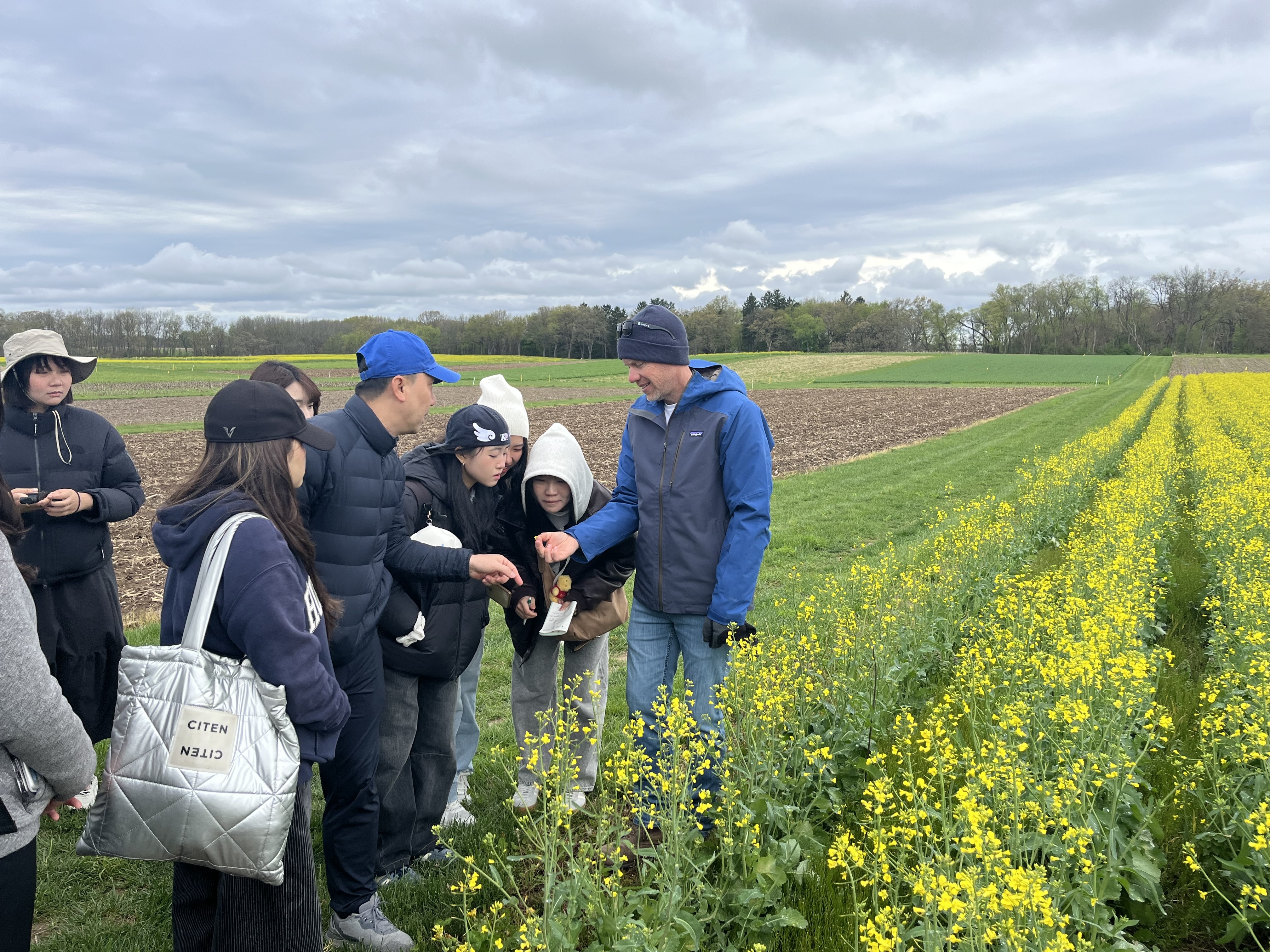
Yang and MSU Extension Director Quentin Tyler, Ph.D., first met as graduate students at the University of Kentucky. Yang visited MSU in September 2025 with an international delegation for a statewide tour hosted by MSU Extension and MSU’s College of Agriculture and Natural Resources. The two institutions are looking to build reciprocal relationships to strengthen agricultural networks around the globe.
"These opportunities have shown me the value of connecting with, learning from, and sharing our own work with international professionals and students,” said Janis Brinn, Youth Leadership, Civic and Cultural Engagement Educator for MSU Extension. “Michigan 4-H has worked with the States’ 4-H International Exchange Programs for over 50 years. I have participated in and witnessed firsthand the positive impacts of helping youth and families discover a global perspective. I have found that my hands-on 4-H work is best in positive youth development when I collaborate and partner with international professionals and students sharing knowledge, experiences, and the passion of creating our future global leaders."
Students from National Chung Hsing University interacted with MSU faculty and various members of the Michigan agriculture sector to better understand how MSU Extension supports Michigan agriculture and learn about careers related to agribusiness.
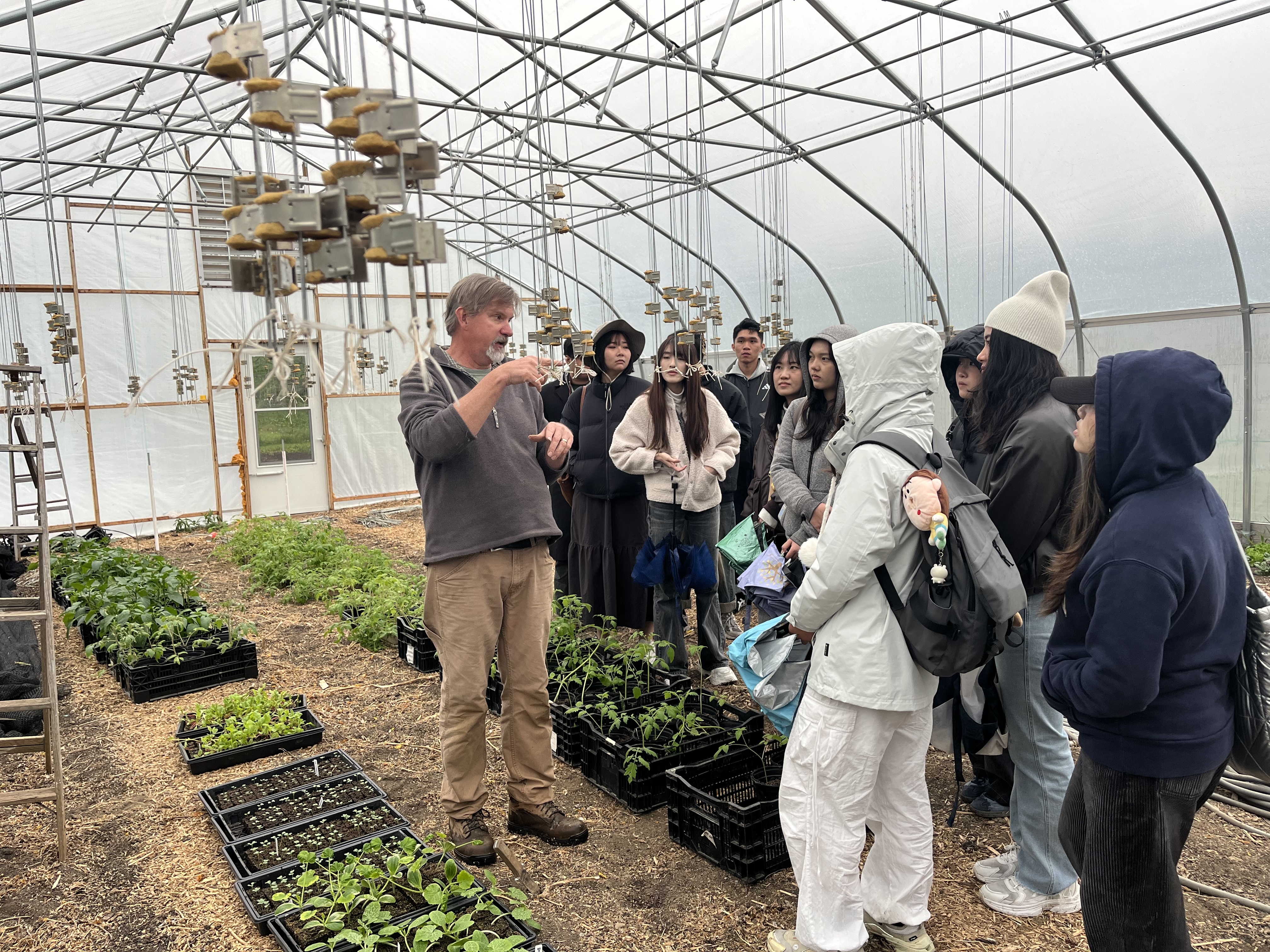
"As a college student, I was fortunate to study internationally, and that experience has had a lasting impact on who I am and how I approach my work. Those early opportunities shaped my understanding of the value of connection, shared learning, and perspective‑building across cultures,” said Mollie Woods, Director of the MSU Product Center. “Through the MSU Product Center, we see firsthand how international engagement strengthens our work—broadening perspectives, opening doors to collaboration, and reinforcing that innovation in agriculture and food systems is strongest when ideas, experiences, and relationships cross borders."
The MSU World Agriculture Center in the College of Agriculture and Natural Resources facilitates global engagement by connecting faculty and scholars with opportunities worldwide. The Center encompasses diverse areas of agricultural development and natural resources programs contributing to:
- Enhancing agricultural productivity
- Providing food and nutritional security
- Supporting the livelihoods of rural and urban communities
"Learning about other cultures, customs, and systems helps you think more critically about your own, and traveling also builds resilience by pushing your comfort zone and enriching your worldview. Having visited farms in Taiwan a few months ago, I could put myself in the students' shoes and imagine what this snapshot of Michigan agriculture was like for them,” said Samantha Wolfe, MSU Extension Agricultural Occupational Health Educator. “Of course, there are huge differences between intensive cultivation in a subtropical East Asian island context and our temperate Midwest American cultural context, but there are always parallels in the production models, challenges, and goals of agricultural communities, no matter where you live."