Powering the Blue Economy: How aquaculture can strengthen Michigan communities and economies
 Print
Print Email
EmailGrowth in Michigan aquaculture could offer increased local food security, job opportunities, and more.
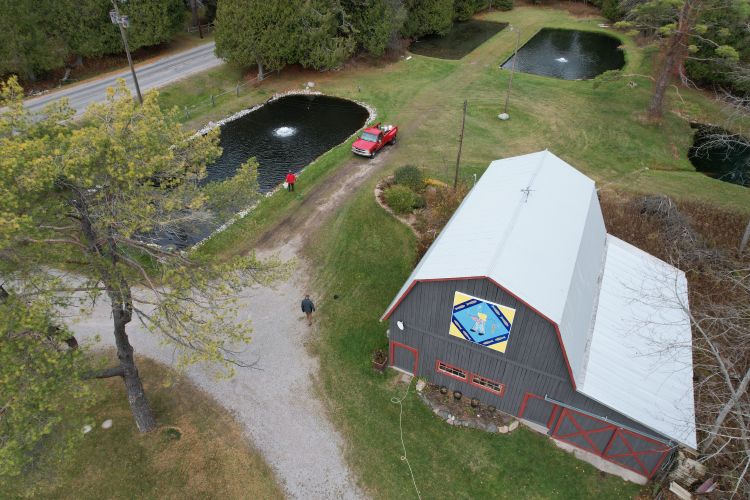
Michigan may be best known for its Great Lakes, but beneath the surface lies an untapped opportunity to strengthen community resilience and the state’s blue economy: aquaculture.
Also called fish farming or fish culture, aquaculture is defined by the state of Michigan as commercially “culturing, producing, growing, using, propagating, harvesting, transporting, importing, exporting, or marketing of aquacultural products under an appropriate permit or registration.” Michigan has 35 private land-based commercial aquaculture businesses, which produce fish for stocking, food, ornamentals (i.e., pets, aquariums), bait, and fee-fishing opportunities in addition to state and federal agency hatcheries for conservation or recreation stocking. Until a recent research study, the economic impacts of this industry had not yet been explored.
Increasing economic value
According to an IMPLAN analysis, each new aquaculture job could generate $124,332 in statewide output, with localized gains of $60,546 in Alcona County and $64,197 in Delta County. Output, defined as the total annual value of production (sales plus inventory changes), is a key measure of economic health. These figures highlight aquaculture’s potential to multiply benefits across industries and communities.
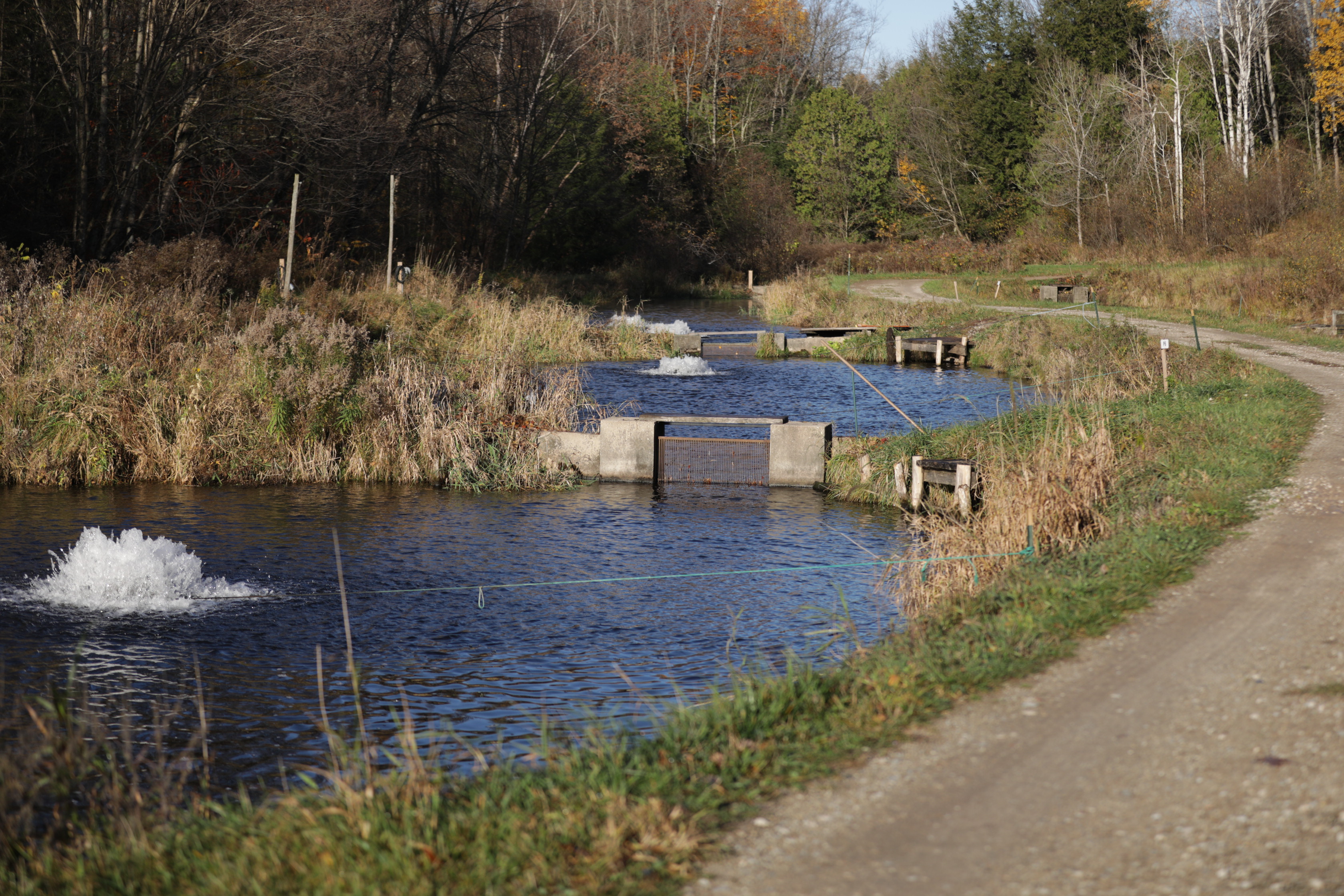
How does aquaculture benefit Michigan’s Blue Economy?
Michigan has a small aquaculture industry, but expansion offers more than economic returns -- it strengthens community resilience. Growth in land-based aquaculture creates direct employment opportunities, supports local businesses through worker spending, and even bolsters rural healthcare systems. According to the analysis, hospitals, in particular, are an unexpected benefit from aquaculture’s ripple effects, a critical advantage in regions where access to healthcare is limited. This can be important as economic support for local hospitals is especially helpful in remote and rural areas of Michigan, such as the Upper Peninsula where, since 2010, more than 80 rural hospitals have closed, according to news reports. Additional impacts include increased home ownership, jobs not requiring advanced degrees, and higher local tax revenues. While aquaculture may appear to only be about fish farming — its benefits contribute to sustainable futures of livelihoods where local industries can thrive, rural hospitals can stay open, and communities celebrate their identity through tourism and cultural events.
Aquaculture is deeply tied to Michigan’s cultural identity. From fish hatcheries to community “plantings,” aquaculture activities are already part of daily life across the state. Expanding the industry opens doors for tourism and cultural events, such as a Mi Fresh Fish Fest, which celebrates local fisheries while generating family-friendly educational opportunities and tourism revenue.
Sustainability and food security
According to IMPLAN data in 2024, Michigan currently meets 25% of its seafood products demand through local supply, and lake whitefish, a staple of local supply, is experiencing a huge decline. In the future, Michigan will have less ability to meet its local seafood supply through existing sources, so the growth potential is likely larger in the future given the current decline of fish populations that are commercially caught. Therefore, there is a significant gap that is filled by imports. Expanding aquaculture addresses this shortfall by creating a sustainable, resilient food production system. Local fish farming enhances food security, reduces reliance on foreign imports, and ensures communities have access to affordable, high-quality protein.
Michigan’s aquaculture industry stands at a pivotal moment to power the state’s Blue Economy through sustainable growth, community enrichment, and cultural celebration. By investing in this sector, Michigan can secure food resources, create meaningful jobs, and foster a vibrant identity tied to its waters. The future of aquaculture promises not only economic prosperity but also strengthened communities and a legacy of stewardship for generations to come.
Michigan Sea Grant helps to foster economic growth and protect Michigan’s coastal, Great Lakes resources through education, research, and outreach. A collaborative effort of the University of Michigan and Michigan State University and its MSU Extension, Michigan Sea Grant is part of the NOAA-National Sea Grant network of 34 university-based programs.
This article was prepared by Michigan Sea Grant under award NA22OAR4170084 from the National Oceanic and Atmospheric Administration, U.S. Department of Commerce through the Regents of the University of Michigan. The statement, findings, conclusions, and recommendations are those of the author(s) and do not necessarily reflect the views of the National Oceanic and Atmospheric Administration, the Department of Commerce, or the Regents of the University of Michigan.