Southwest Michigan field crops update – April 16, 2026
 Print
Print Email
EmailWheat is at Feekes 6 (jointing). Persistent precipitation over the past week slowed down field work.
Weather
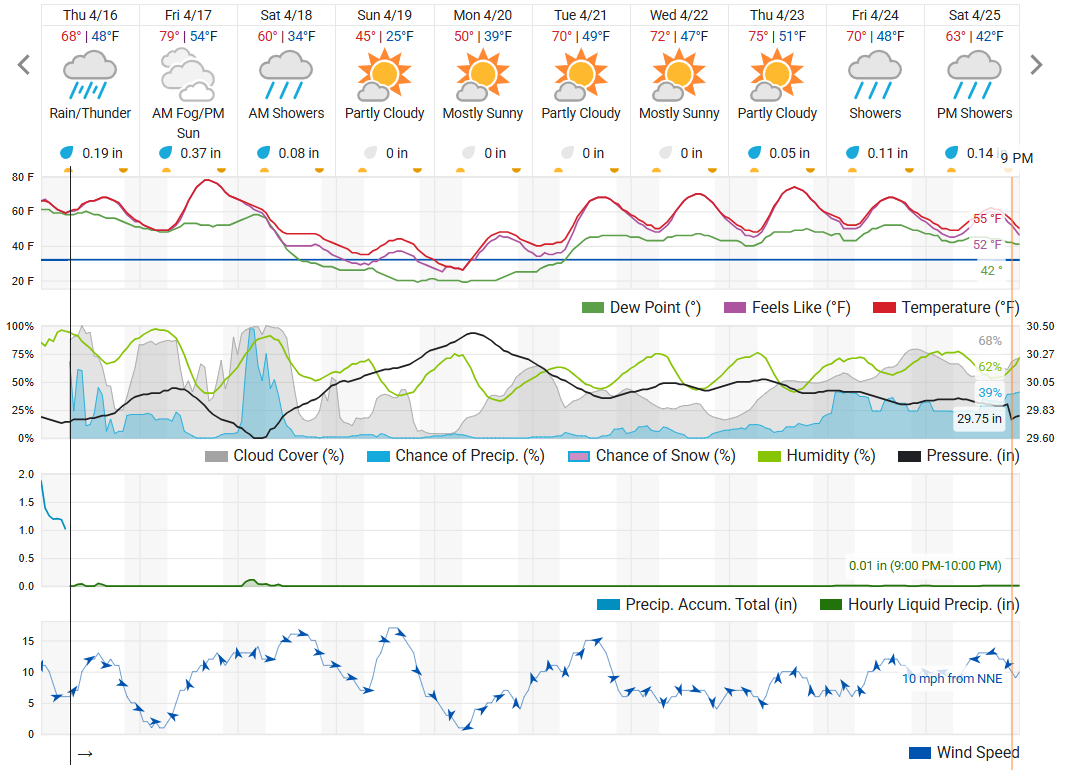
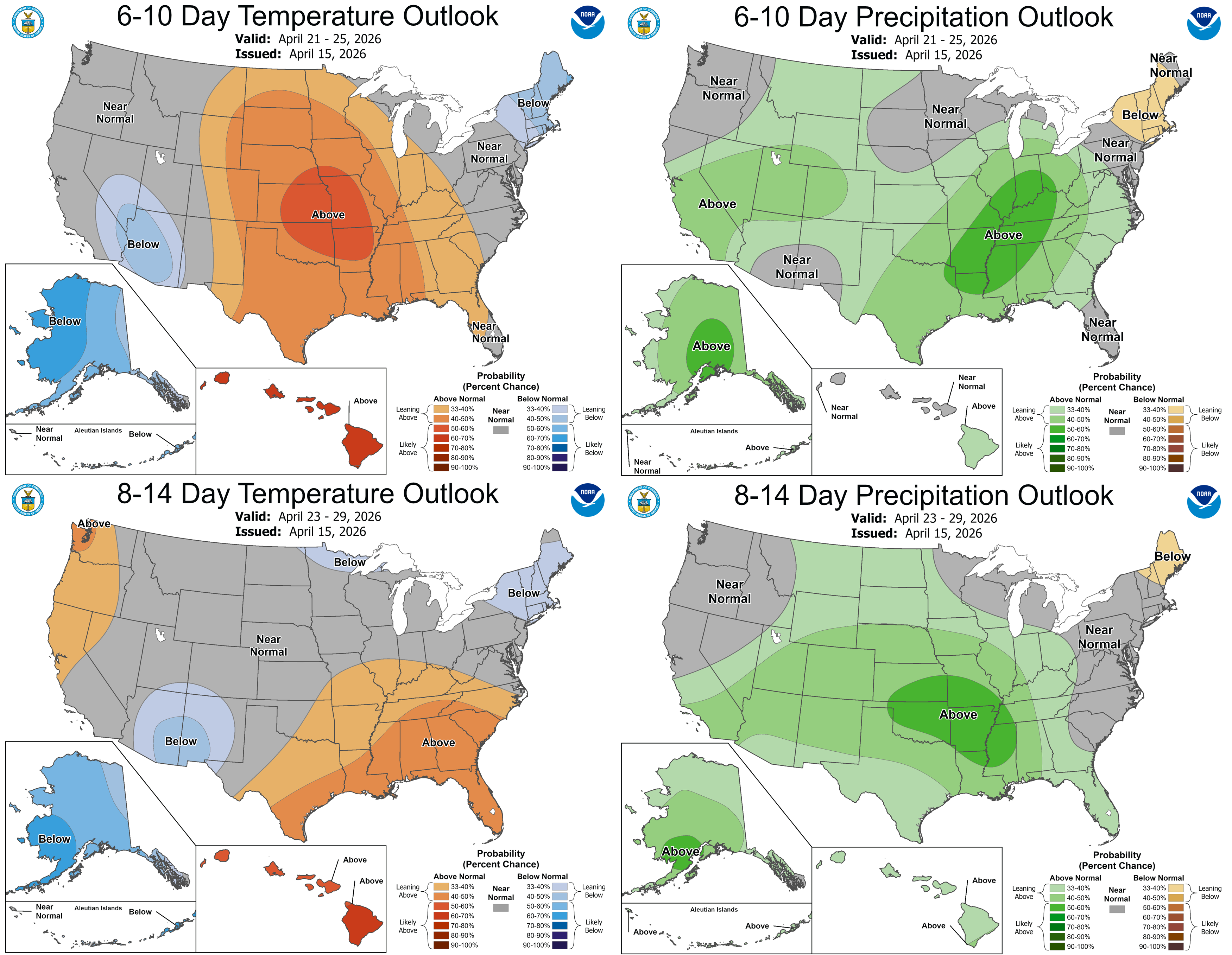
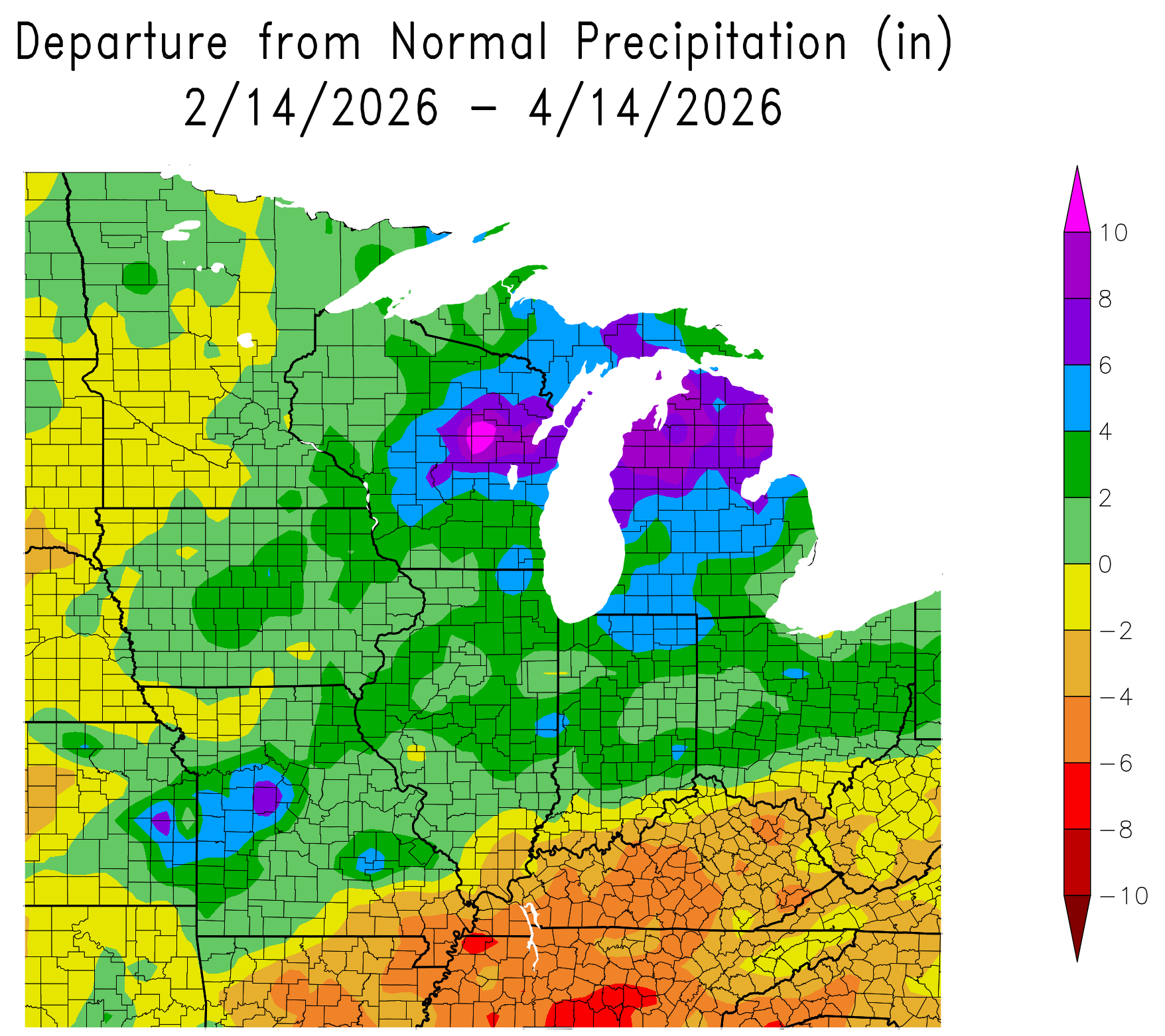
Persistent precipitation over the past week has slowed down field work and led to flooding or standing water in some places. Although it’s been rainy, temperatures have been quite warm, which is expected to continue into next week. A stretch of dry weather throughout much of next week will be followed by light precipitation heading into next weekend.
Crops and pests
After a less wet weekend, some field work occurred in the beginning of the week, including cover crop burndown, tillage and spreading of fertilizer, lime and manure. Peak flight and egg laying for seedcorn maggot occurred April 10 based on the Constantine Enviroweather station data. Fields planted close to peak flight are at higher risk of seedcorn maggot damage, especially in tilled high residue or manured fields. The wet weather has prevented planting within a week of peak flight, and warm temperatures next week are promising for getting seeds out of the ground quickly (if planting occurs next week). Overall, seedcorn maggot risk is probably likely to be low this season.
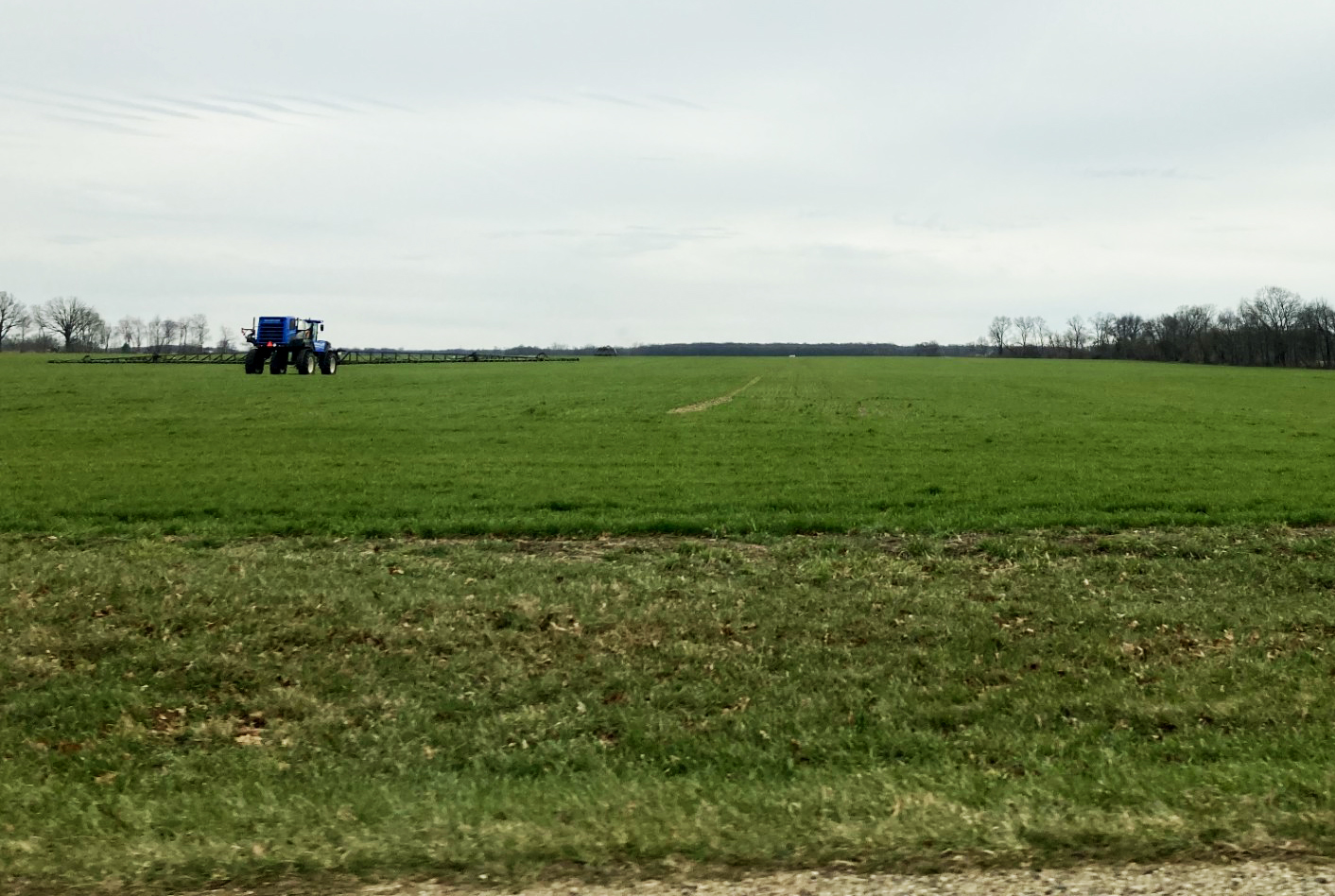
True armyworm counts spiked in St. Joseph County over the past week, likely carried up on the southerly winds with the storms.
Bucket traps in Berrien County near Berrien Springs, St. Joseph County near Centreville and Van Buren County near Lawrence have caught the following:
True armyworm:
|
Date |
Berrien 1 |
St. Joseph |
Van Buren |
|---|---|---|---|
|
3/30 |
-- |
1 |
0 |
|
4/6 |
1 |
20 |
0 |
|
4/13 |
9 |
105 |
11 |
Black cutworm:
|
Date |
Berrien 1 |
St. Joseph |
Van Buren |
|---|---|---|---|
|
3/30 |
-- |
0 |
1 |
|
4/6 |
7 |
8 |
11 |
|
4/13 |
6 |
11 |
13 |
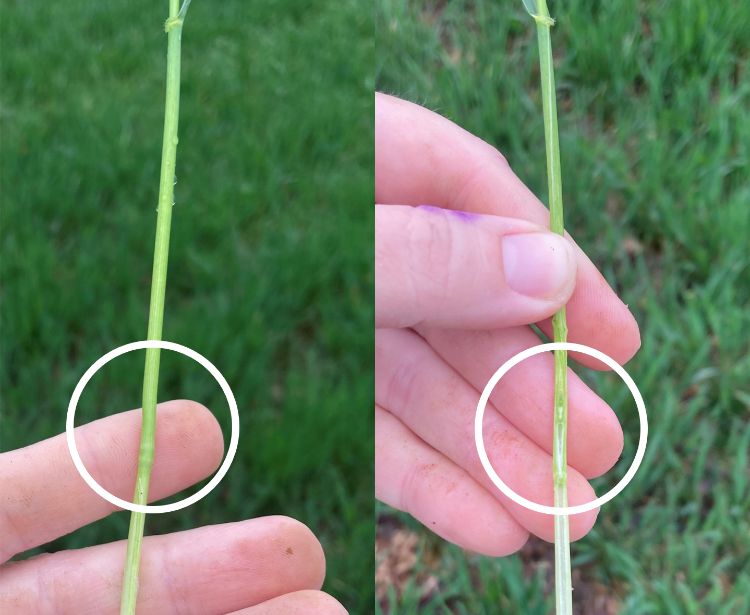
Winter wheat is at Feekes 6 (jointing). At this stage, the wheat head starts to move up the stem. Identify Feekes 6 by running your fingers from the base of the stem upward. When you feel a distinct bump, the wheat is at Feekes 6. You can slice the stem lengthwise to see that the head is starting to move up it. Nitrogen applications have gone out on several fields over the past few weeks as weather permitted.
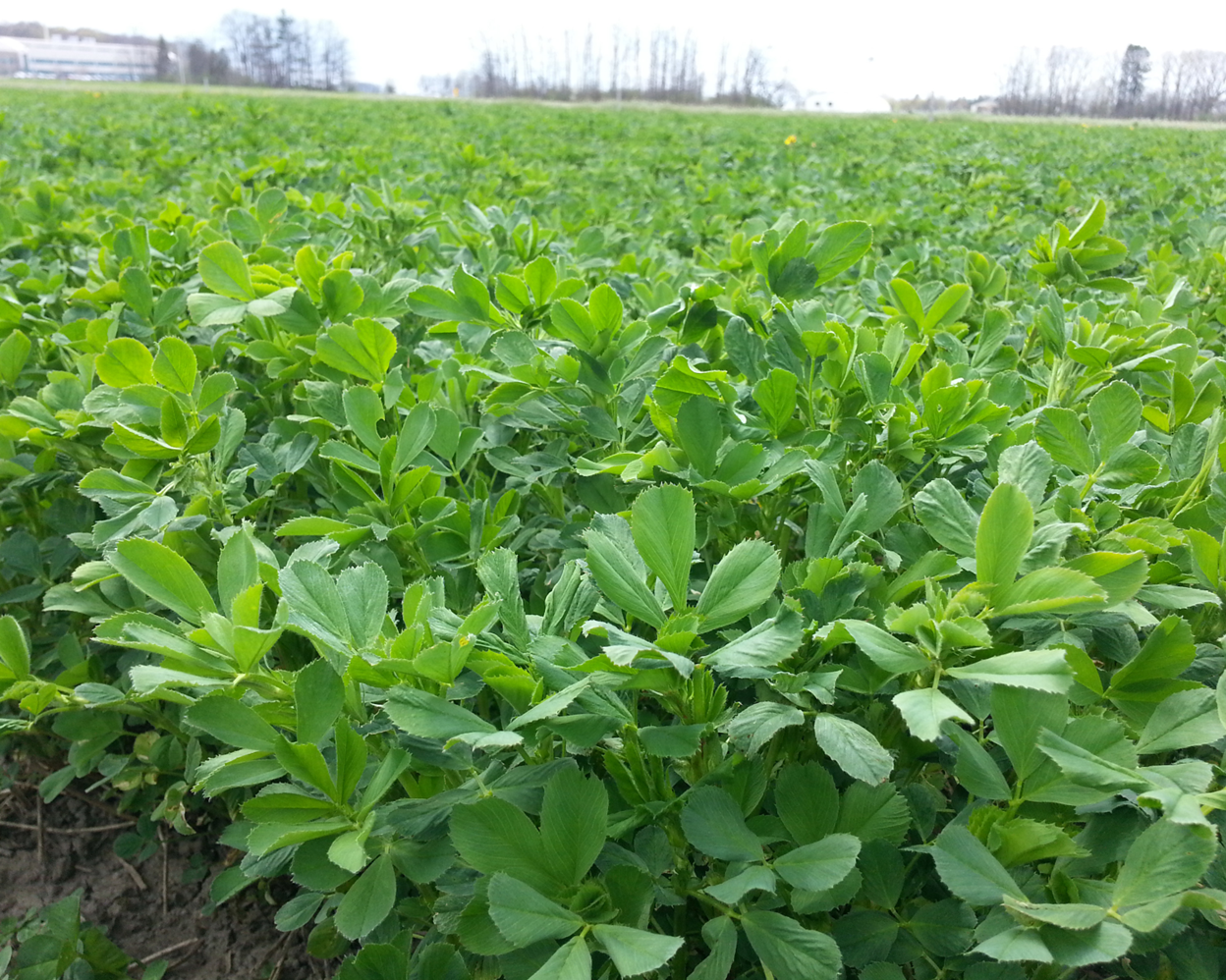
There have not been symptoms of foliar disease, but with the recent warm and wet week, diseases may develop in the near future. In St. Joseph County, true armyworm counts spiked over the past week, so scout for larvae in wheat and small grains in the next week or so.
Potato planting started mid-late March and has continued as weather permitted over the past month. Alfalfa and forages are actively growing. Alfalfa weevil adults are present in fields, but no significant feeding damage or larvae populations have been found at this point.
Field Crops Virtual Breakfast Series

Soil fertility considerations in a down market, presented by Kurt Steinke, was the topic for the MSU Extension Field Crops Virtual Breakfast Series this week. With higher fertilizer prices and lower commodity prices over the past few years, producers may choose to maintain only crop growth removal levels of nutrients in the soil rather than trying to build up soil nutrient levels. However, once nutrient levels have dropped considerably, it can take three or so years for build-up efforts to yield results.
Recordings of this and all the Virtual Breakfast meetings are closed-captioned and available at the Field Crops Virtual Breakfast webpage and the MSU Extension Field Crops Team social media platforms: Facebook, Spotify, Mediaspace, YouTube, Apple Podcasts and Twitter/X.
This work is supported by the Crop Protection and Pest Management Program [grant no 2024-70006-43569] from the USDA National Institute of Food and Agriculture. Any opinions, findings, conclusions, or recommendations expressed in this publication are those of the author(s) and do not necessarily reflect the view of the U.S. Department of Agriculture.