Southwest Michigan field crops update – June 11, 2026
 Print
Print Email
EmailSidedress nitrogen is starting to go out in early planted corn. Wheat kernels are milky white, and full bloom started in potatoes.
Weather
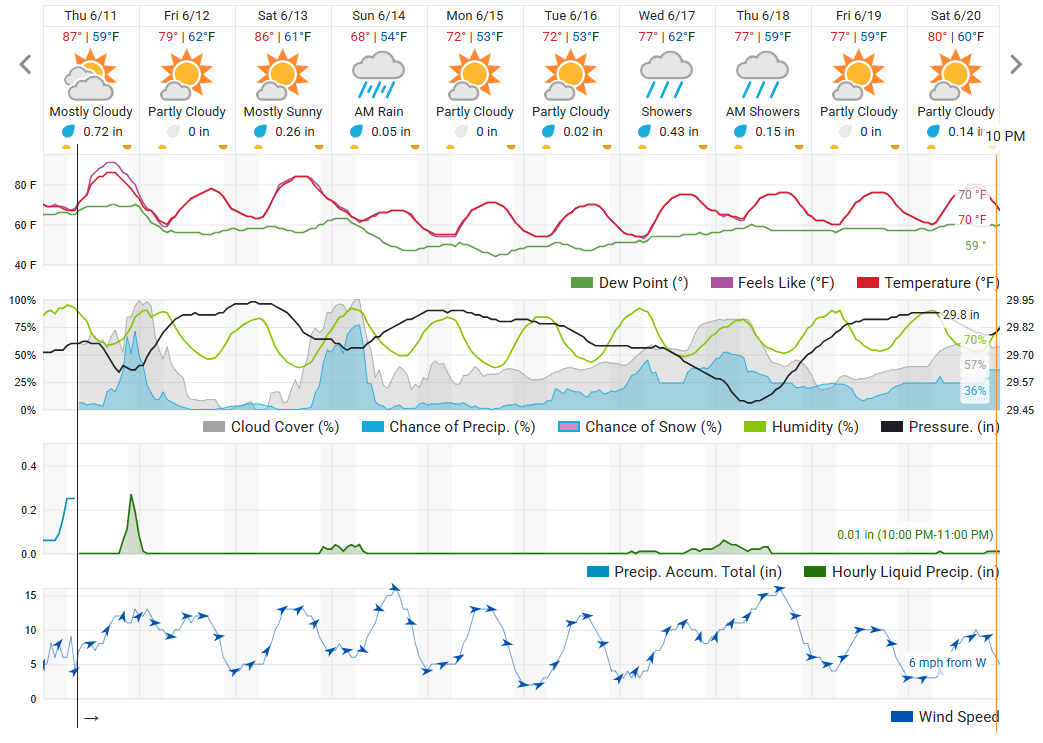
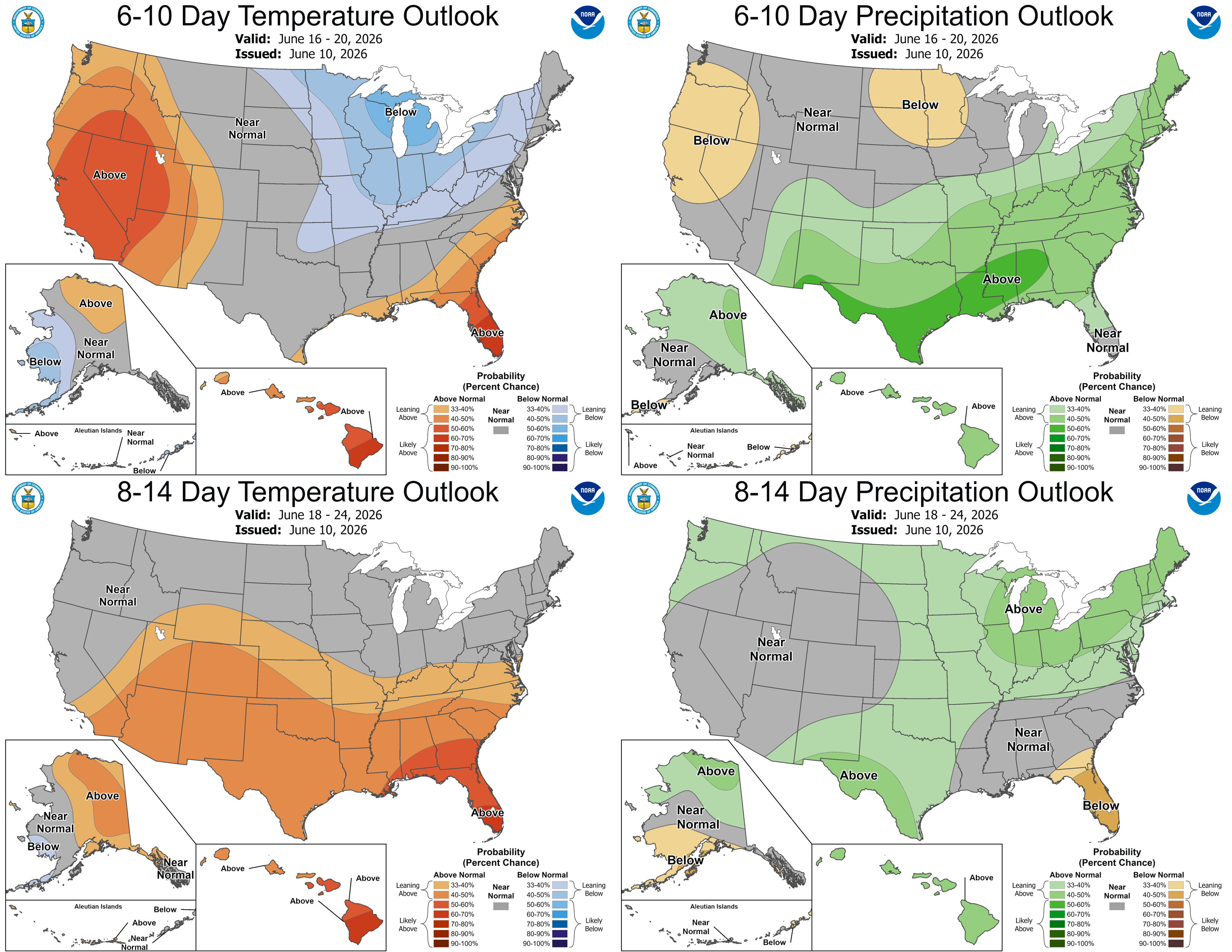
Temperatures were high over the past week, and high humidities worked together to create high heat indexes for multiple days. Heavy precipitation fell late last week and again in the middle of this week. Storms caused wind damage and power outages in some parts of southwest Michigan. Severe weather is expected to hit later today (June 11), bringing significant rainfall and high winds. Temperatures will cool slightly heading into next week, and more rain is expected periodically, with a total weekly rainfall estimate of almost 2 inches.
Crops and pests
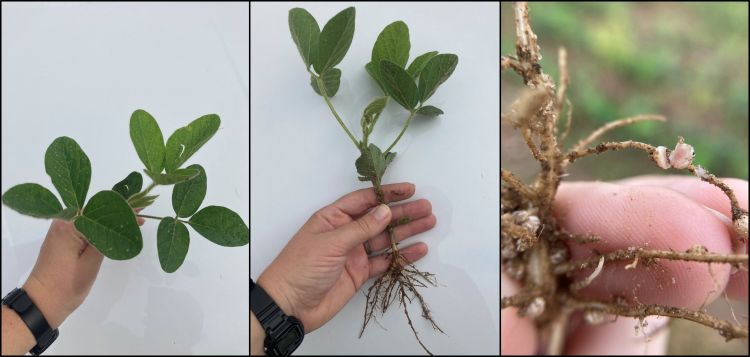
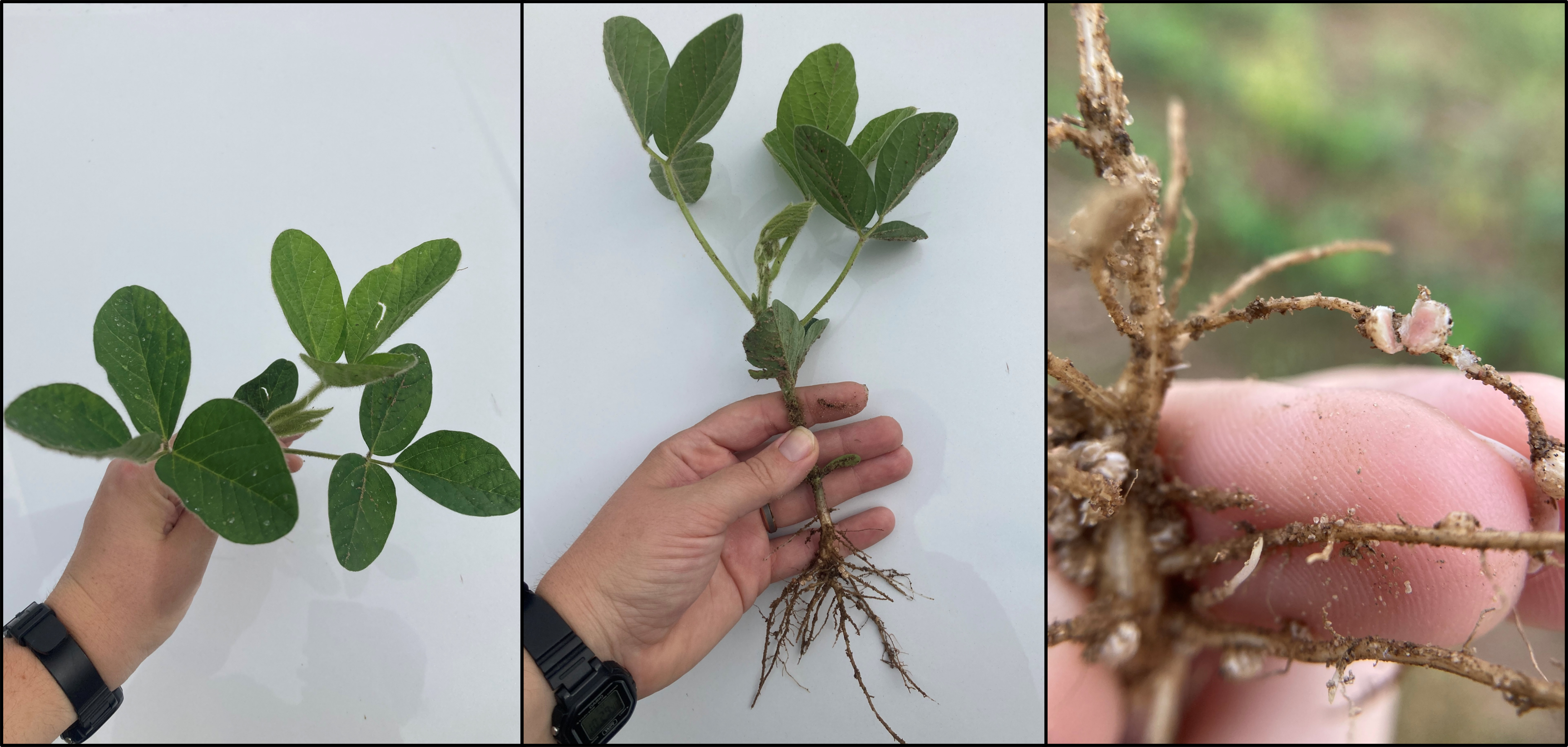
Early planted soybeans are at V3-4. Nodules are easily visible on roots, so check for good nodulation. For more information on evaluating soybean nodulation, check out “Evaluating nodulation in soybeans” from PennState Extension. Early planted corn is approaching V5 in some areas. Sidedress nitrogen is starting to go out in corn. At V6, significant water and nitrogen uptake starts. Corn and soybean planting is nearly finished in the region.
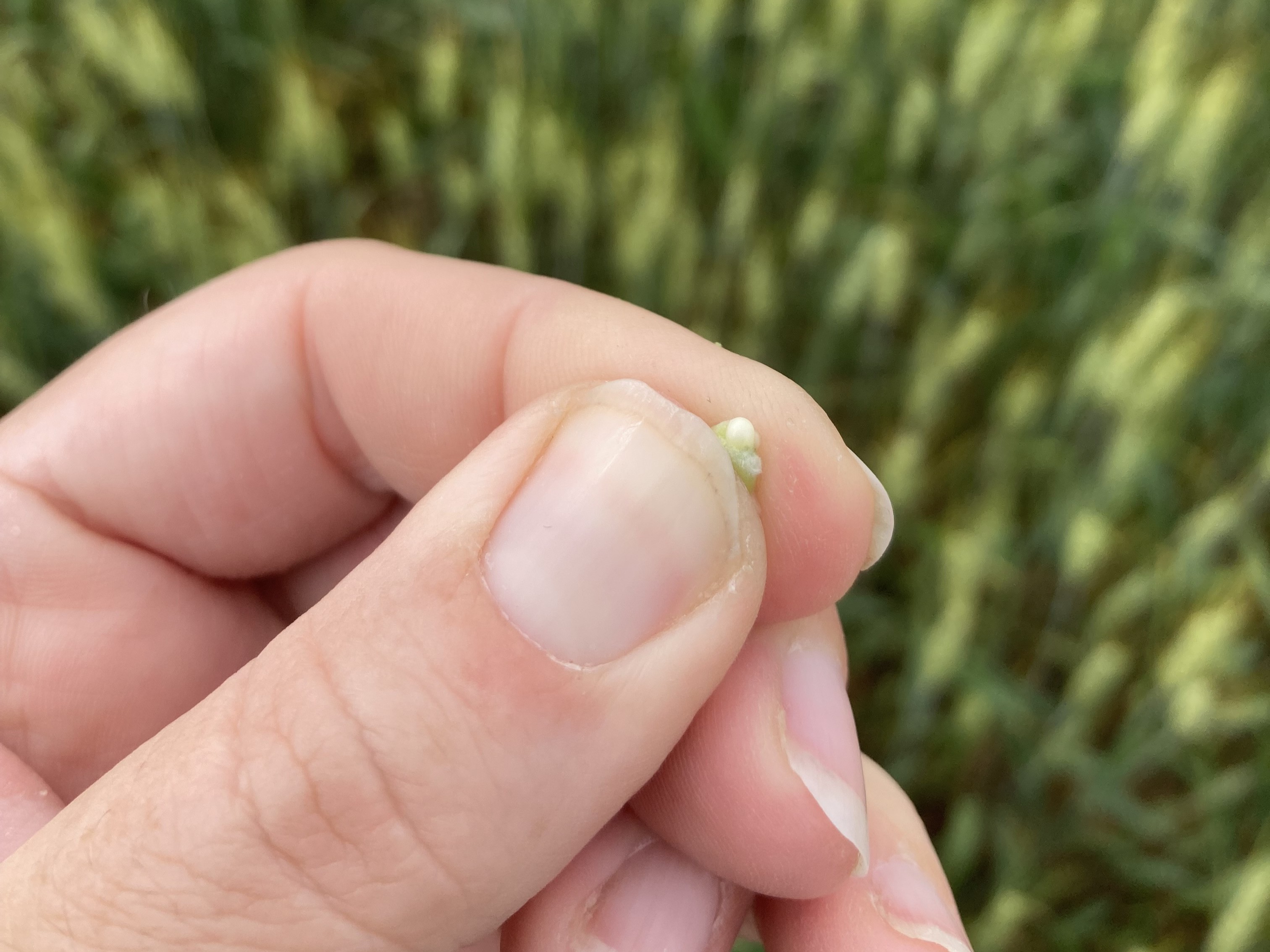
Winter wheat is at Feekes 11.1 (kernel milky ripe), with some moving into Feekes 11.2 (soft dough). Drought conditions from last week stressed some wheat fields significantly, causing premature canopy senescence. Early yellowing or browning of foliage will affect grain fill potential.
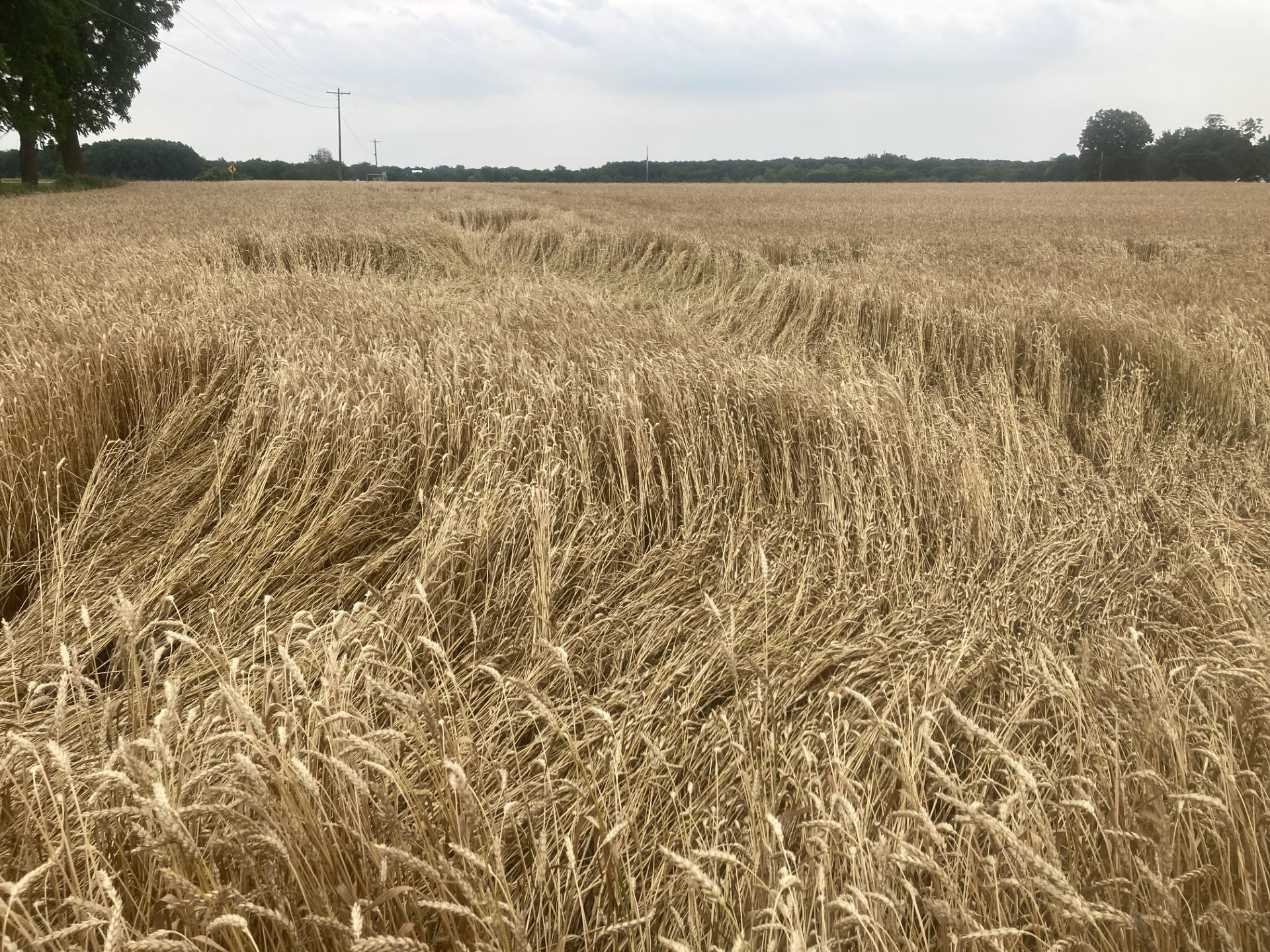
High winds predicted over the next 24-48 hours may cause wheat lodging. Michigan State University Extension wheat specialist Dennis Pennington gave rough estimates of yield reductions caused by lodging on this morning’s Field Crops Virtual Breakfast. Lodging in localized areas could result in roughly 5-15% yield reduction, while large areas lodged during grain fill would be roughly 15-30%. Fields that are completely flattened and remain lodged until harvest would experience 30 to over 50% yield reduction, with additional test weight, fusarium, pre-harvest sprout and harvest efficiency issues.
True armyworm larvae are in wheat fields. The threshold for true armyworm after heading is two or more larvae per square foot. Take action if heads are being clipped. In most cases, true armyworm populations are below threshold. At this point, most larvae are close enough to pupating that chemical control would be ineffective.
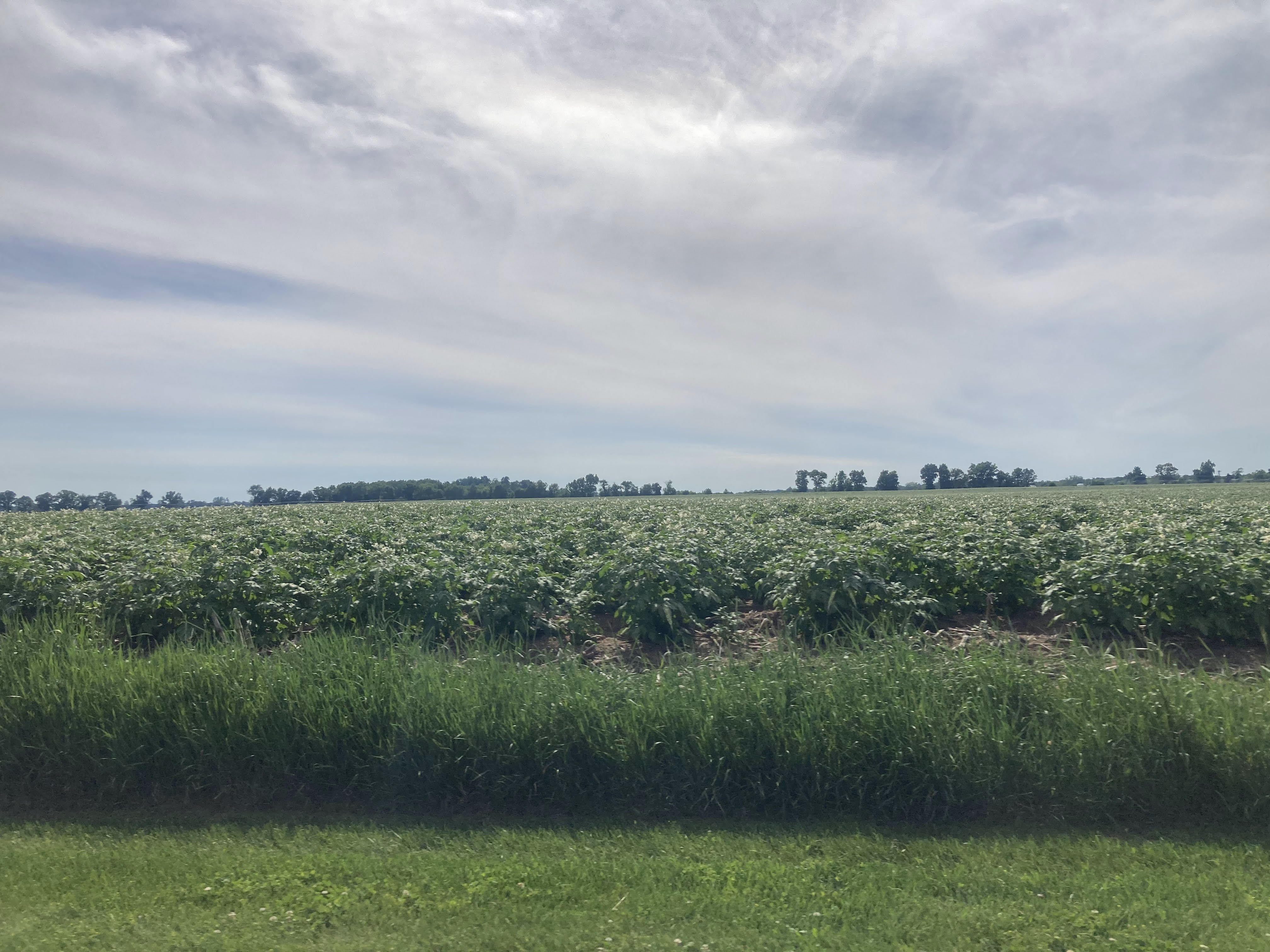
Early planted potatoes have entered full bloom and are closing rows. Potato leafhopper is a concern in both potatoes and alfalfa this time of year. Potato leafhopper is an especially difficult pest because visible symptoms (v-shaped yellowing at leaf tips, referred to as hopperburn) don’t appear until after it is too late to correct them. Sweep fields for potato leafhopper nymphs and adults.
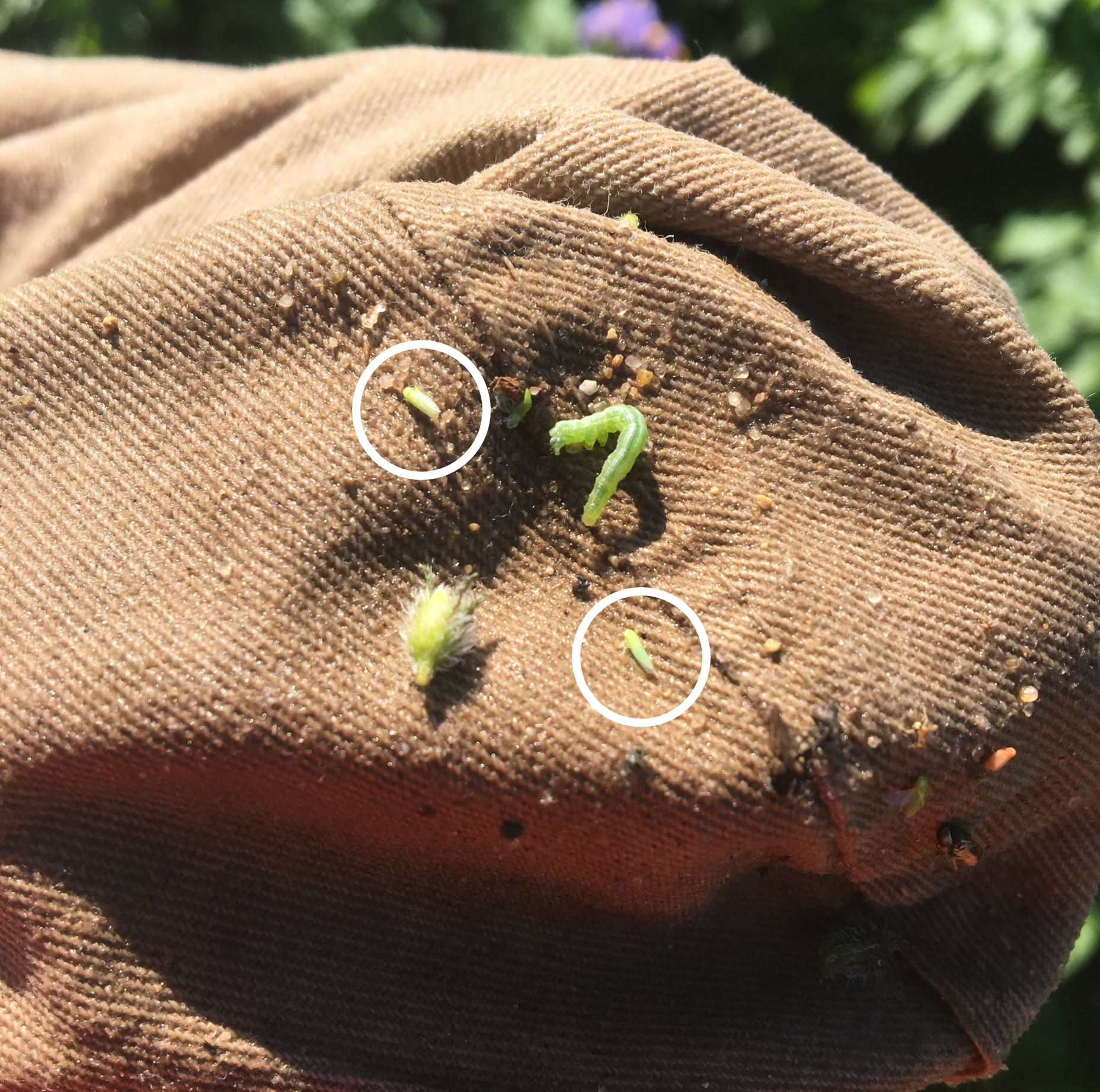
As alfalfa and forages start to regrow, keep an eye out for potato leafhopper and a reoccurrence of earlier pests from this season, such as alfalfa weevil. For comprehensive potato leafhopper threshold tables based on product cost and hay price, check out potato leafhopper from Iowa State University.
Irrigation and water use
Corn and soybean growth continues to progress, and crop water use is steadily increasing. Corn at the V3–V4 growth stage is using approximately 0.25 inches of water per week, while corn at the V5–V6 stage is approaching 0.50 inches per week. Soybeans are reaching the V2 stage and are using approximately 0.55 inches of water per week.
Potato water use remains high during the tuberization and blossoming stages, ranging from 1.21 to 1.45 inches per week, depending on location.
More than 1.5 inches of precipitation is forecast across all locations this week. If those rainfall amounts are received, they should be sufficient to meet crop water requirements in the short term. However, continue to monitor crop growth stages, soil moisture conditions, and weather forecasts when making irrigation decisions.
This year, weekly crop water use updates will continue to be shared through the southwest Michigan crop updates, and for added convenience, updates will also be sent through direct email and text messages. Sign up here. If you would like to see an additional location included in the report, please contact Angie Gradiz at gradizme@msu.edu or 531-249-4956.
Estimated weekly crop water use for field crops in Michigan (inches/week) for the week of June 8–14, 2026:
|
Crop |
Growth stage |
Constantine |
Berrien Springs |
Entrican |
Hart |
|
Reference ET |
1.37 |
1.45 |
1.31 |
1.21 |
|
|
Corn |
V2 |
0.14 |
0.15 |
0.13 |
0.12 |
|
Corn |
V4 |
0.25 |
0.26 |
0.24 |
0.22 |
|
Corn |
V6 |
0.48 |
0.51 |
0.46 |
0.42 |
|
Soybeans |
V1 |
0.27 |
0.29 |
0.26 |
0.24 |
|
Soybeans |
V2 |
0.55 |
0.58 |
0.52 |
0.48 |
|
Soybeans |
V3 |
0.82 |
0.87 |
0.79 |
0.73 |
|
Potato |
Early vegetation |
0.69 |
0.73 |
0.66 |
0.61 |
|
Potato |
Tuberization |
1.37 |
1.45 |
1.31 |
1.21 |
|
Potato |
Blossom |
1.37 |
1.45 |
1.31 |
1.21 |
Field Crops Virtual Breakfast Series

Wheat scouting and management considerations, presented by Dennis Pennington, was the topic for the MSU Extension Field Crops Virtual Breakfast this week. Scouting wheat for diseases and insects can help prevent yield losses. With harvest not far off, watch pre-harvest intervals if chemical products are needed to treat pest issues.
Recordings of this and all the Virtual Breakfast meetings are closed-captioned and available at the Field Crops Virtual Breakfast webpage and the MSU Extension Field Crops Team social media platforms: Facebook, Spotify, Mediaspace, YouTube, Apple Podcasts and Twitter/X.
This work is supported by the Crop Protection and Pest Management Program (grant no 2024-70006-43569) from the USDA National Institute of Food and Agriculture. Any opinions, findings, conclusions, or recommendations expressed in this publication are those of the author(s) and do not necessarily reflect the view of the U.S. Department of Agriculture.