Weathering the worst: Essential disaster prep for livestock and the farmers who protect them
 Print
Print Email
EmailSimple, effective preparedness strategies that help farms stay resilient through storms, wildfires and rising waters.
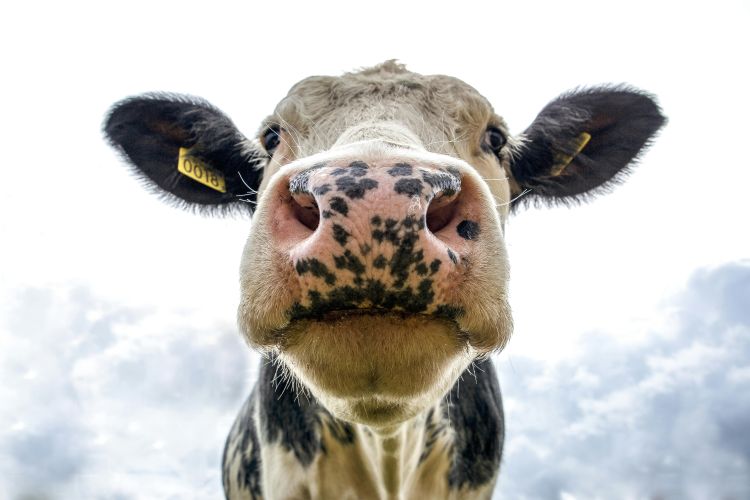
Michigan weather can be downright unpredictable. At any moment we may face ice, severe thunderstorms, tornados, wildfires or flash floods. While human safety during these events must always come first, many livestock owners may be unsure of the best steps to take to protect their animals. Here are a few things livestock owners can do to prepare before severe weather strikes.
When a “watch” is issued, conditions are favorable for the development of a hazardous weather event, and livestock owners should take immediate steps to prepare. When a “warning” is issued, the event has been observed or is imminent in the warned area, and human safety becomes the top priority. Always follow National Weather Service guidance during warning conditions.
Regardless of the type of severe weather predicted, livestock owners should consider the following preparedness steps:
- Identification
- Permanent identification, such as ear tags for cattle and small ruminants, microchips, tattoos or brands can be invaluable. For horses that are not branded or microchipped, owners can braid temporary identification tags into manes or tails, and/or write their phone number on the side of the animals with a livestock marking pen or non-toxic paint. Written identification and medical records — including Coggins tests, vaccination histories, and current veterinary records — should be organized and easily accessible. Do not turn animals loose with halters or anything else that could become caught on debris or fencing.
- Animal care and medical supplies
- The American Veterinary Medical Association recommends developing a disaster plan, assembling an evacuation kit and creating an emergency contact list. These steps can greatly improve readiness and response for livestock and horse owners.
- Feed and water stores
- Maintain a three- to seven‑day supply of feed and water. After a disaster, recovery may be delayed due to power outages, downed trees, blocked roads or other disruptions that limit access to supplies. Michigan State University Extension outlines these strategies in this resource: “Managing livestock resources during natural disasters.”
Flash floods
Flash floods occur when the ground cannot absorb heavy rainfall quickly enough, in steep terrain or in areas affected by drought or wildfires. Living downstream of a major precipitation event increases the risk. This risk may not always be obvious.
Livestock will instinctively move to higher ground during flooding, so it is essential to identify accessible high‑ground areas within pastures. If animals cannot reach a higher elevation, they may push through fences in panic, increasing their risk of injury or drowning. When higher ground is not available, consider pre-identifying off‑farm locations — such as fairgrounds, sale barns, or neighboring farms — that can be used to temporarily house animals. Any such arrangements should be made in advance.
Tornadoes
Tornadoes produce extremely intense winds — often two to three times those of hurricanes — though typically for short durations. Livestock can sense approaching tornadoes, but human safety must always be the first concern.
Do not confine livestock inside above‑ground structures; instead, turn them out into large pastures. If pastures are limited in size, ensure animals have proper identification and open gates to allow them to move away from danger. When time permits, remove potential hazards such as barbed wire or loose debris. If sufficient warning is available, livestock and horses may be evacuated to a safe location.
Ice storms
Rapid freezing rain combined with strong winds or blizzard conditions can cause severe hypothermia. When an ice storm is forecasted, move livestock and horses into sheltered areas with access to feed and water. Keeping animals dry and protected from wind reduces the risk of hypothermia.
Once the storm has passed, make outdoor walking surfaces as safe as possible. This may involve breaking up ice using machinery or spreading organic materials such as bedding, straw, or wood shavings to create traction, especially around feed and water access points.
Wildfires
Wildfires can move quickly — anywhere from 5 to 40 miles per hour — and all produce smoke, heat and noise. Livestock are highly sensitive to smoke, heat and noise, and may react with nervousness, panic, aggression or attempts to escape. If a wildfire is approaching, evacuate promptly if it is safe for you to do so.
When considering animal rescue or evacuation during a wildland fire, keep the following safety points in mind:
- Identify preplanned evacuation routes to move animals and people to safety.
- Ensure pastures and facilities are accessible to emergency personnel and fire equipment; remember that fire moves faster uphill, which may affect escape routes.
- In areas where fire has already passed, watch for falling trees or branches, and be aware that burned vegetation may cause rocks or debris to loosen and fall.
- Minimize smoke inhalation; in addition, be aware that airborne irritants — such as vaporized poison ivy — may also pose risks.
- Use leather or cotton halters and lead ropes when handling livestock; avoid nylon, which can melt or ignite in high heat.
- Since smoke rises, place reflective tape low along barn walls with arrows indicating exit paths.
- When trailering animals away from danger, close vents and windows to help prevent embers from entering.
- Avoid using bedding in trailers; the wind vortex inside a moving trailer can draw in embers, increasing the risk of ignition.
Being proactive is the most effective way to protect livestock and the people who care for them when severe weather or natural disasters strike. By planning ahead, maintaining proper identification and supplies, and understanding how different emergencies impact animal behavior and safety, livestock owners can greatly reduce risks and improve outcomes. While Michigan’s weather may be unpredictable, thoughtful preparation helps ensure that farms, animals and families are ready to respond quickly and recover more easily when the unexpected happens.