Wet springs, nitrogen loss and what it means for winter wheat
 Print
Print Email
EmailWhether you applied nitrogen before the rain or got delayed, here’s how spring timing impacts your winter wheat.
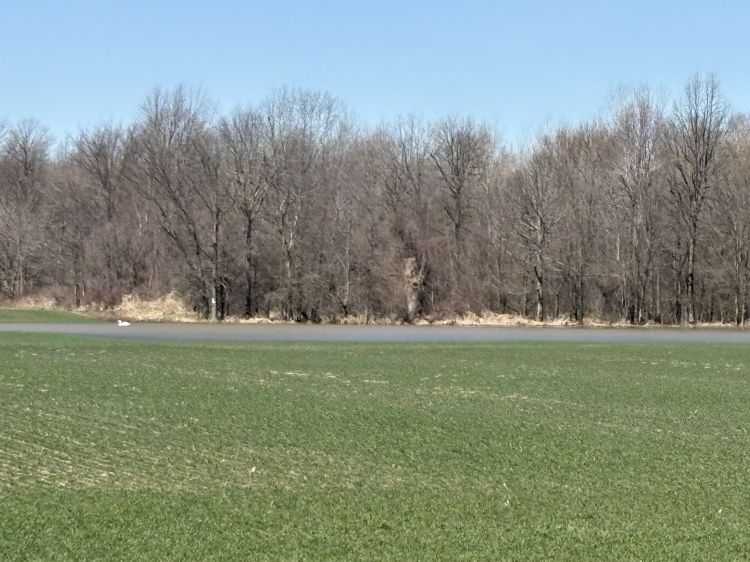
Spring 2026 is off to a wet start across Michigan with many regions experiencing repeated rainfall events, runoff and periods of standing water. Prolonged wet conditions raise important questions about nitrogen (N) management in winter wheat, particularly for fields that received early spring nitrogen applications. Understanding how nitrogen behaves in the soil—and how wet conditions interact with nitrogen form, soil temperature and crop growth stage—is essential for making sound in-season management decisions.
Field conditions, nitrogen forms and loss pathways
Nitrogen applied to winter wheat is commonly supplied as urea, urea–ammonium nitrate (UAN, 28%) or ammonium sulfate. All these fertilizers are either applied as ammonium or become ammonium in the soil. Once applied, nitrogen exists in several soil forms:
- Urea (CO(NH2)2
- Ammonium (NH₄⁺)
- Nitrate (NO₃⁻).
It is important to remember that all ammonium converts to nitrate, but the form present at the time of excessive rainfall may influence the risk for nitrogen loss.
UAN contains approximately 25% of its nitrogen in the nitrate form at application allowing for leaching or denitrification nitrogen losses during wet conditions. Ammonium nitrogen sources may provide some stability due to being positively charged and held on negatively soil exchange sites, but ammonium losses can still be a concern in very sandy soils due to limited cation exchange capacities. Urea (neutral charge) must first hydrolyze to ammonium and later nitrify before becoming vulnerable to loss, but large rainfalls immediately following application can lead to nitrogen movement due to the lack of ionic charge.
While rainfall shortly after application is beneficial for moving nitrogen into the soil, excessive rainfall may exceed soil infiltration capacity, leading to surface runoff, prolonged soil saturation and increased nitrogen loss. Visible indicators of loss risk include water running off fields during or shortly after rainfall and extended ponding in low-lying areas. Although it is tempting to estimate how much nitrogen was lost, you need to know how much nitrogen was present and in what form before the rainfall event, making losses difficult to quantify.
Leaching is the most common nitrogen loss pathway on coarse-textured, sandy soils carrying nitrate beyond the active rooting zone, but nitrogen losses are dependent on both the quantity and pattern of precipitation as well as the timing, source and method of nitrogen fertilization. Despite popular belief, leaching is often not a quick process on medium and fine-textured soils.
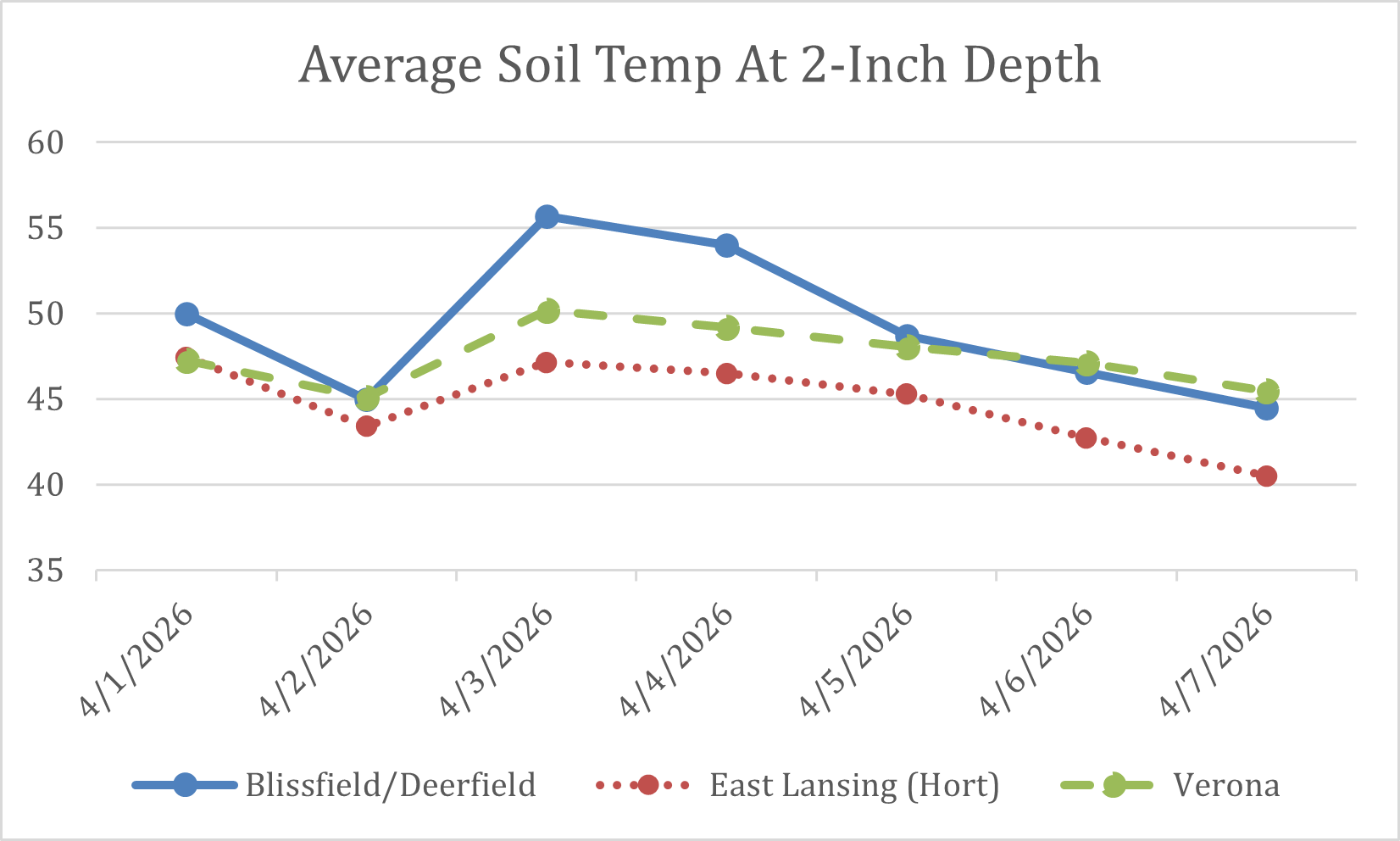
Denitrification is another important nitrogen loss pathway predominately on poorly-tiled, medium and fine-textured soils. When soils become saturated and oxygen limited, soil microbes convert nitrate into gaseous forms of nitrogen that may be lost to the atmosphere. Early in the spring, denitrification risks are often limited by cool soil temperatures. As soils warm and remain above approximately 50 degrees Fahrenheit for extended periods, denitrification losses begin to increase.
Management strategies to reduce nitrogen loss
Managing nitrogen in a wet spring focuses on minimizing the amount of fertilizer exposed to loss while still supplying adequate nitrogen to support yield and grain quality.
Splitting spring nitrogen applications between green-up and Feekes 6–6.5 is a practical risk-management strategy that limits the amount of nitrogen exposed to early-season loss. Applying a portion of the nitrogen closer to peak crop demand improves nitrogen use efficiency, particularly in wet years. However, if the rainfall pattern shifts in later spring causing dry soil conditions, wheat will often make poor use of the split-applied nitrogen.
When adequate tillering is present coming out of winter, delaying nitrogen application until approximately Feekes 5 can further reduce risk for loss. Michigan research has shown that in years with excessive April rainfall, delayed or split nitrogen applications can result in improved yields compared to applying the full nitrogen rate early in the spring.
Nitrification and urease inhibitors offer an additional strategy to protect nitrogen during spring conditions. Nitrification inhibitors slow the conversion of ammonium to nitrate thus protecting nitrogen during wet soil conditions, while urease inhibitors delay the hydrolysis of urea to ammonium and protect nitrogen during dry soil conditions. These products can be effective but still require nitrogen losses to result in a positive response. Without nitrogen losses, there are few reasons to expect a positive response to these technologies.
How late is too late?
Nitrogen uptake in wheat begins slowly in early spring but increases rapidly around Feekes 6 (first node). Wheat typically takes up approximately 70% of its total nitrogen by flag leaf emergence and roughly 85% by flowering. Nitrogen management decisions should therefore aim to ensure adequate nitrogen availability by jointing (Feekes 6).
If little or no nitrogen is applied prior to Feekes 6, yield potential can be reduced substantially and later nitrogen applications will not fully recover lost yield. When field conditions prevent ground application before jointing, consider using aerial application of nitrogen to preserve yield potential rather than waiting until later growth stages when the ground dries out.
In some situations, all or a portion of the intended nitrogen application occurred prior to the heavy rainfall event. When nitrogen loss has occurred and visual deficiency symptoms are evident, rescue nitrogen applications may still provide an economic yield response, particularly when applied by flag leaf emergence. Late‑season applications should be made using streamer nozzles to reduce leaf injury. When applying 28% UAN, the solution should be diluted with 15–20 gallons of water per acre or applied as a 50:50 mix of water and 28% UAN. Nitrogen applications made after the early boot stage generally provide limited yield benefit.
Table 1. Supplemental fertilizer N applied to winter wheat during flag leaf emergence.
|
N lbs/acre |
Grain harvest moisture (%) |
Grain yield, 13% M, bu/a |
Lodging, 0-5 |
|---|---|---|---|
|
0 |
20.7 |
97.4 |
1.0 |
|
30 |
21.5 |
105.5 |
2.4 |
|
60 |
22.3 |
107.6 |
3.8 |
In a 2009 study conducted by Martin Nagelkirk at Michigan State University Extension, rescue nitrogen applications were evaluated at three rates after excessive rainfall delayed the second nitrogen application. Results showed that applying 30 pounds of nitrogen per acre (N lbs/acre) at flag leaf (Feekes 9) improved grain yield, while later applications provided little additional benefit.
Wet springs, particularly when large amounts of nitrogen are applied early and soils remain saturated for extended periods, increase the risk for nitrogen loss in winter wheat. While post-rainfall nitrogen losses are difficult to quantify, understanding nitrogen forms, soil temperature, length of saturation and crop growth stage can help guide more effective management decisions. Split applications, appropriate nitrogen sources, using inhibitors and timely applications near peak crop demand remain effective tools for managing nitrogen risk in wet spring conditions. When nitrogen applications are delayed by weather, earlier rescue efforts generally preserve more yield potential than waiting until later growth stages.