Winter sowing in containers for Michigan gardeners
 Print
Print Email
EmailLet nature do the work for you.
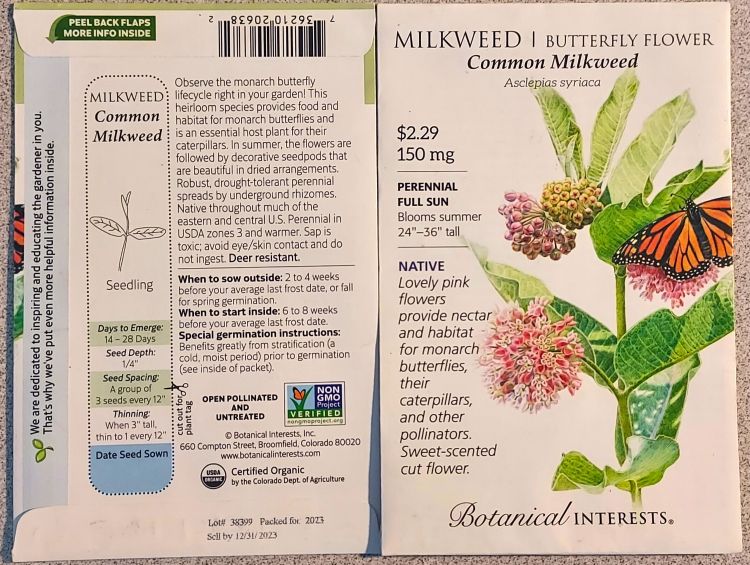
Winter seed sowing is a fantastic way to take advantage of winter's chilly temperatures to help germinate seeds that require cold stratification. Some seeds need cold stratification to break dormancy, meaning they won't germinate until they have experienced a long period of freezing or near-freezing temperatures. There are cases where seeds may require multiple stratification periods to break dormancy. Seed dormancy is a mechanism that prevents the seed from germinating too early or when conditions are unfavorable. This survival mechanism is an important way to ensure a higher survival rate for young plants.
Winter sowing is a great technique for starting many native plants, trees and shrubs. When purchasing seeds, read the package for information on germination requirements. Each plant species has a set of requirements for germination. For example, some need light and are sown on the surface of the soil, while others may require scarification. Scarification is often done by scratching or nicking the seed coat so that water can reach the seed's interior. Some seeds are easier to germinate and only require moisture to break dormancy. Most vegetables and annual plants are less suited to winter sowing because they don't require cold stratification, are more likely to be damaged by sudden cold periods and are more likely to die as a result.
Cold stratification can be accomplished by refrigerating seeds, but why not work with nature by placing your seeds outdoors? You can also sow many native plant seeds directly on the ground or in flower beds in the fall. This practice, called frost-seeding, can work well, but the seeds are more likely to be eaten by birds or wildlife.
Another disadvantage to frost-seeding is that in the spring, it can be hard to tell the difference between the seeds you planted and weeds that may be emerging simultaneously. Winter sowing, in contrast to frost-seeding, is usually done using recycled containers such as soda bottles and milk jugs. Using a container allows you to protect the seeds from pests and keep your seedlings from getting confused with weeds.
Seeds should be winter sown in containers in the late fall or early winter. In Michigan, this is between November and March. Remember that some seeds may need up to 90 days of cold (below 40 degrees Fahrenheit) to germinate. Utilize weather websites and plan ahead to ensure your seeds will experience enough cold temperatures and germinate before spring arrives. Don't plant your seeds too early, as they may rot from warm temperatures in the container or germinate early from variable fall temperatures.
What you will need
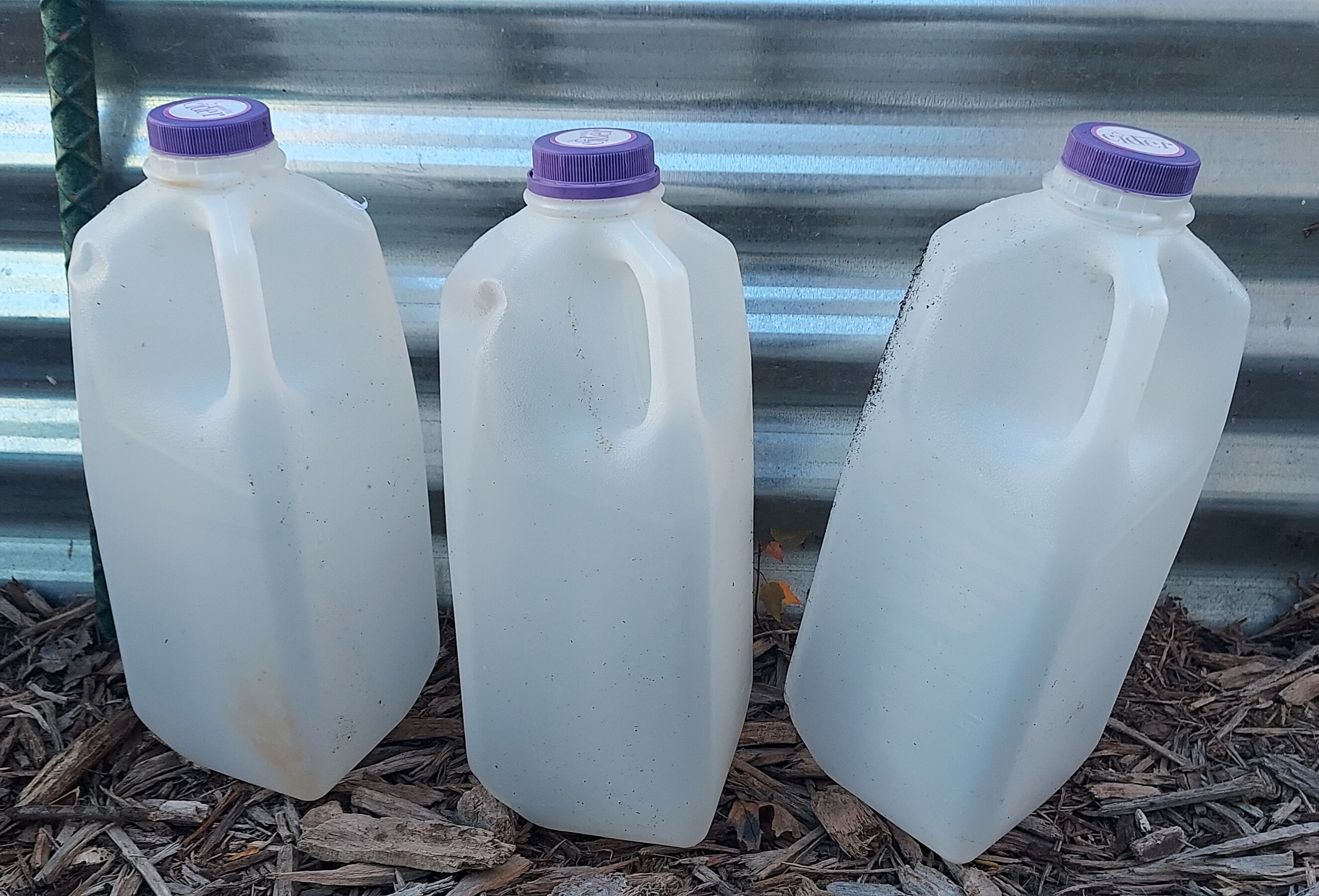
- Milk jugs, soda bottles or other containers with a top or lid that can hold at least 3-4 inches of potting media. These should be translucent to let light through. Deeper is better. Flat takeout boxes are generally not deep enough for root development.
- Duct tape or twist ties. Don't use paper or scotch tape, as they're likely to come loose over the winter.
- Potting mix, not garden soil. Topsoil, compost and garden soil are heavy and won't drain properly.
- Spray bottle of water.
- Scissors or sharp tool for cutting the plastic jugs and poking holes for drainage.
- Labels.
- Fade-resistant or industrial marker.
Step-by-step directions
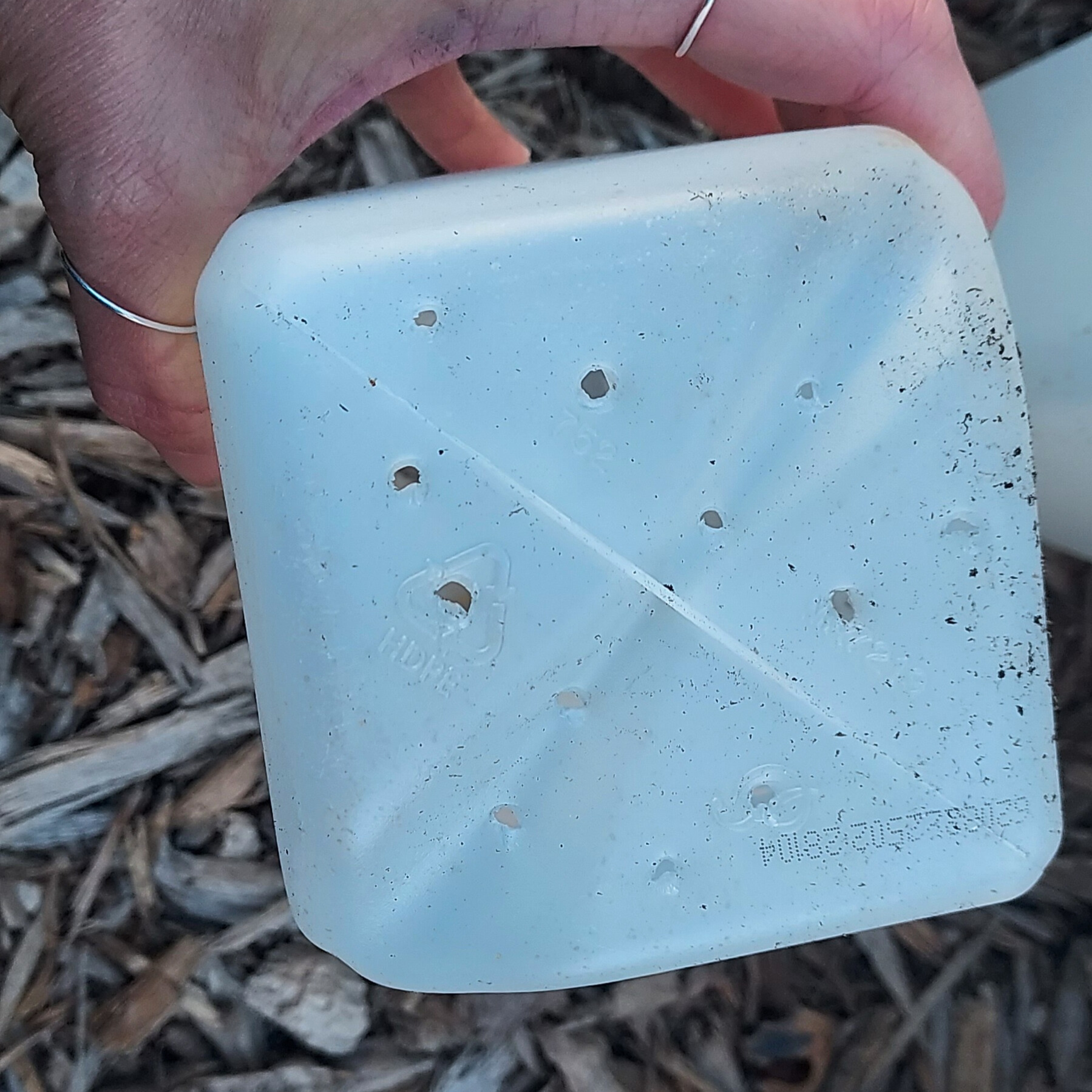
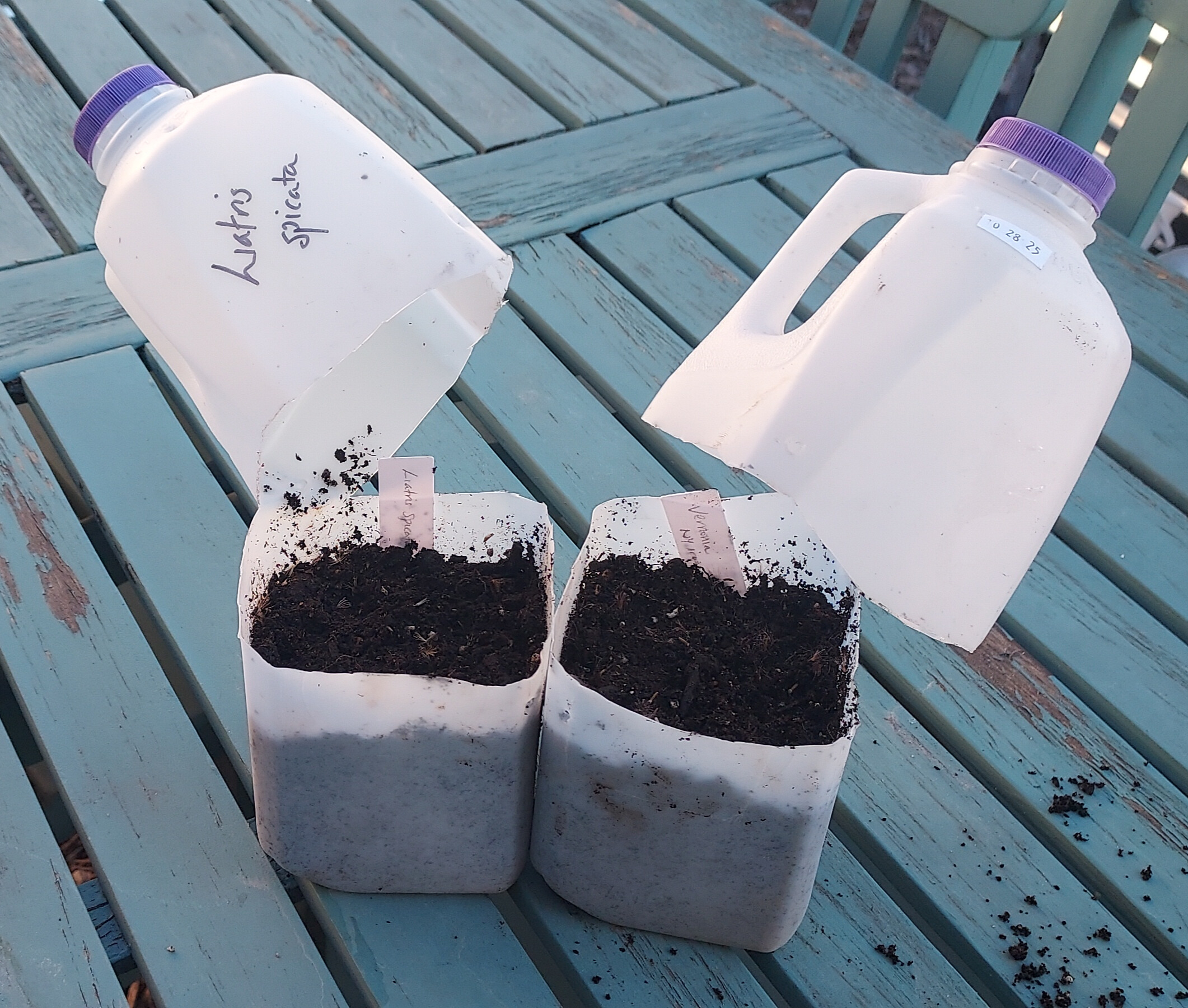
- Prepare containers. Cut around the middle, leaving a hinge. Add drainage holes in the bottom using an awl, drill or another sharp tool.
- Pre-moisten potting media.
- Fill container with media. Don’t go up to the very top of the container—leave 0.5-1 inch from the top. Potting mix should be approximately 3-4 inches deep.
- Sow seeds. Follow packet depth instructions, then mist lightly to help settle the soil.
- Label and close. Place a label inside the container. Tape shut and label with permanent marker.
- You can also punch holes in the container and twist tie it closed.
- Place outside in a sheltered spot where they’ll get rain and snow and some sunlight. The east side of a building or under a shrub is often good. Keep away from hot spots, like on rocks or next to a south or west wall, or exposed conditions like in the middle of a garden bed.
- If you are using multiple containers, cluster them together. Increasing the thermal mass of your planters by clustering them will help reduce temperature variations.
- Watch and wait until spring. Seeds will stay dormant until the right temperature cues germination. If your seeds do not germinate the first spring, don’t lose hope. They may need another winter season to grow.
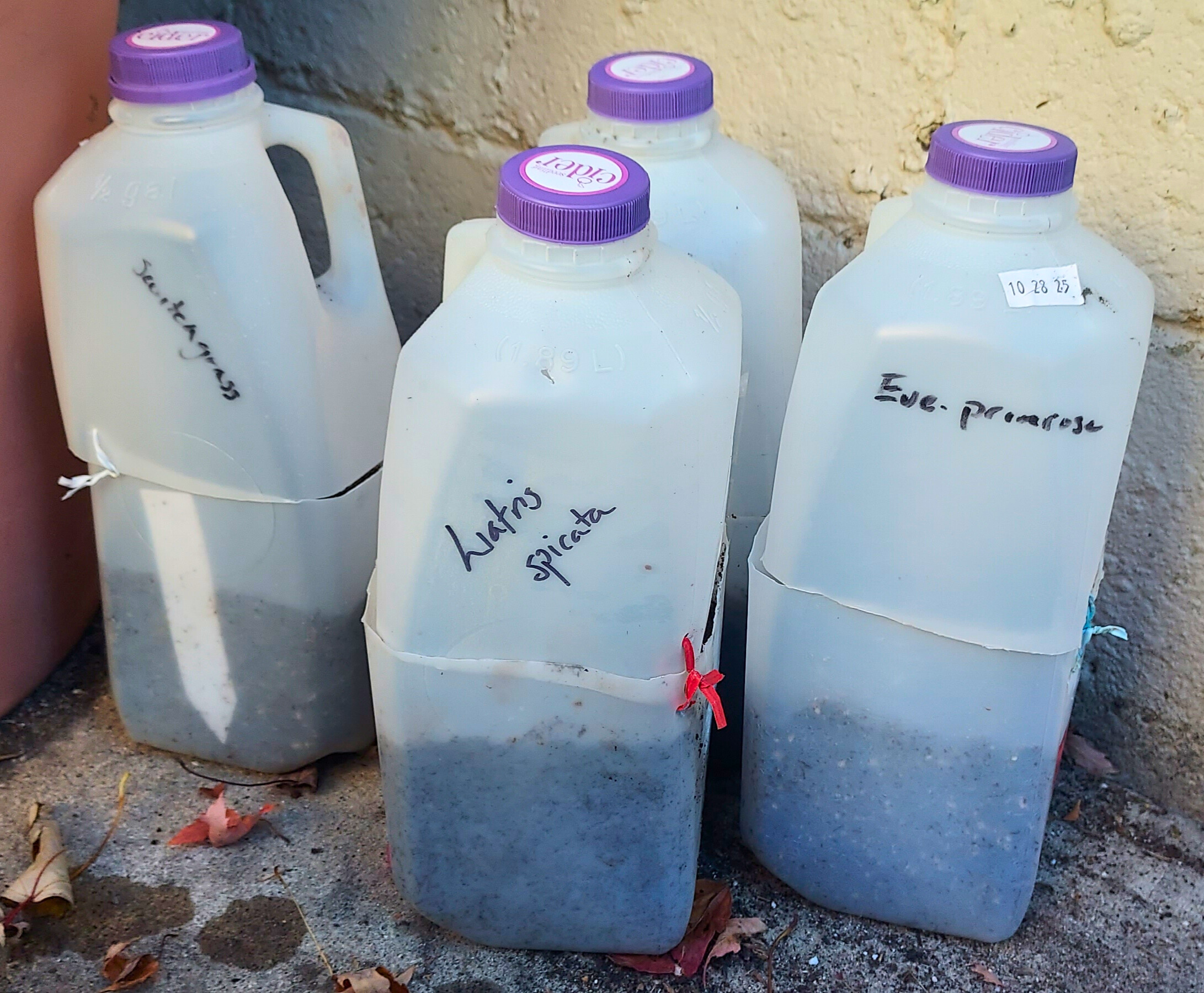
Now that you’ve planted your seeds, check them occasionally over winter to make sure they don't dry out and the tape hasn't come loose. Once the weather has warmed up and your seedlings have sprouted, you can begin opening the containers for ventilation. This is a perfect time to thin your plants by clipping off extra seedlings. Beware of birds at this stage—they sometimes like to eat the tender seedlings. Once the seedlings have grown a couple of sets of leaves, you can begin transplanting them into larger containers or directly into your garden.
Common mistakes
- Using non-draining containers. This can lead to soggy soil and rotten seeds.
- Not putting air holes in the container top. This can cause extremes in moisture, with the potting soil being either too wet or too dry, or temperature extremes with the container becoming too hot during the day and freezing at night.
- Forgetting to label containers. Trust us, you won't remember what you planted. Label both the exterior and interior of the container, as the exterior is more likely to fade or rub off.
- Planting old seeds. Use seeds purchased or harvested this year for the best results. Old seeds may germinate poorly or not at all.
- Choosing seeds that require two stratification periods. Some seeds won't germinate after a single winter. This isn’t a mistake per se, but you will have to wait another year for germination.
- Overwatering before sealing. Excess water may cause fungal growth and can make your seeds rot.
- Sowing too many seeds. How many plants do you really need? We are fans of a good plant party, but seedlings that are crowded will have poor root development. They will also struggle due to competition for sunlight. If you make this mistake, you can thin them in the spring!
- Using open containers or failing to close them. Weed seeds may blow in to the containers. Your seeds may be eaten or dug up by wildlife. Seeds might dry out or rot due to excessive moisture.