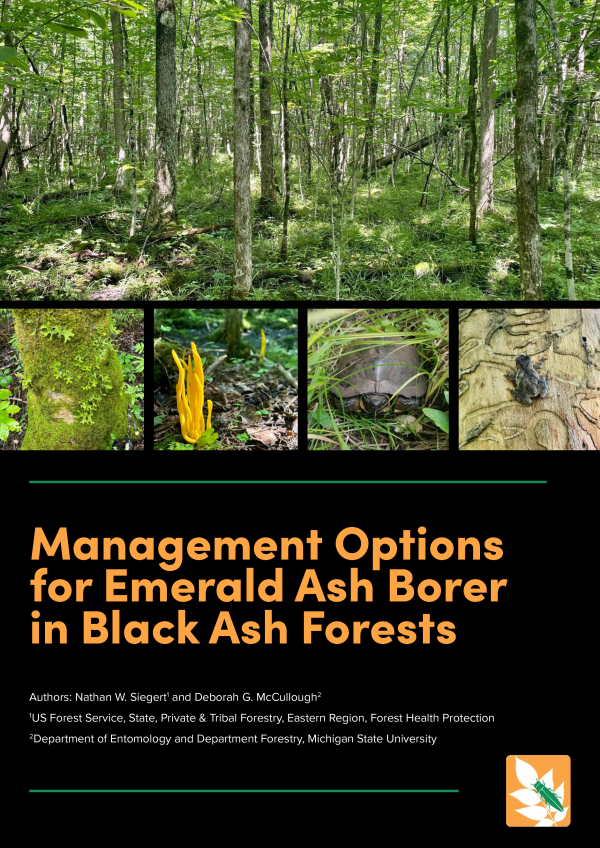
Management Options for Emerald Ash Borer in Black Ash Forests
DOWNLOADMay 22, 2026 - Nathan Seigert, US Forest Service, State, Private & Tribal Forestry, Eastern Region, Forest Health Protection, and Deborah McCullough, Departments of Entomology and Forestry, Michigan State University
 Print
Print Email
EmailBackground
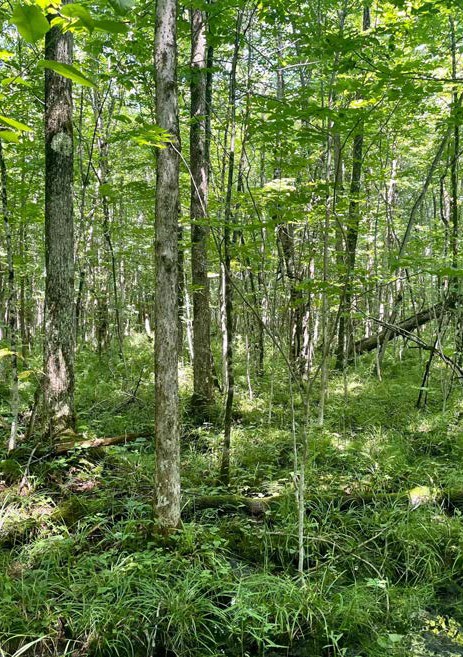
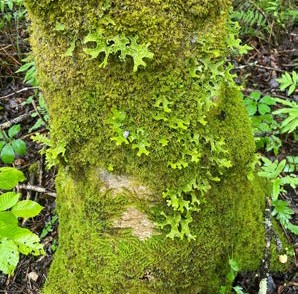
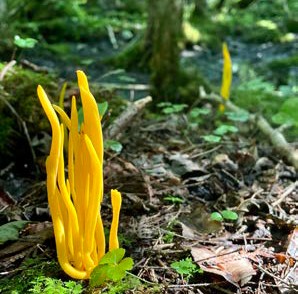
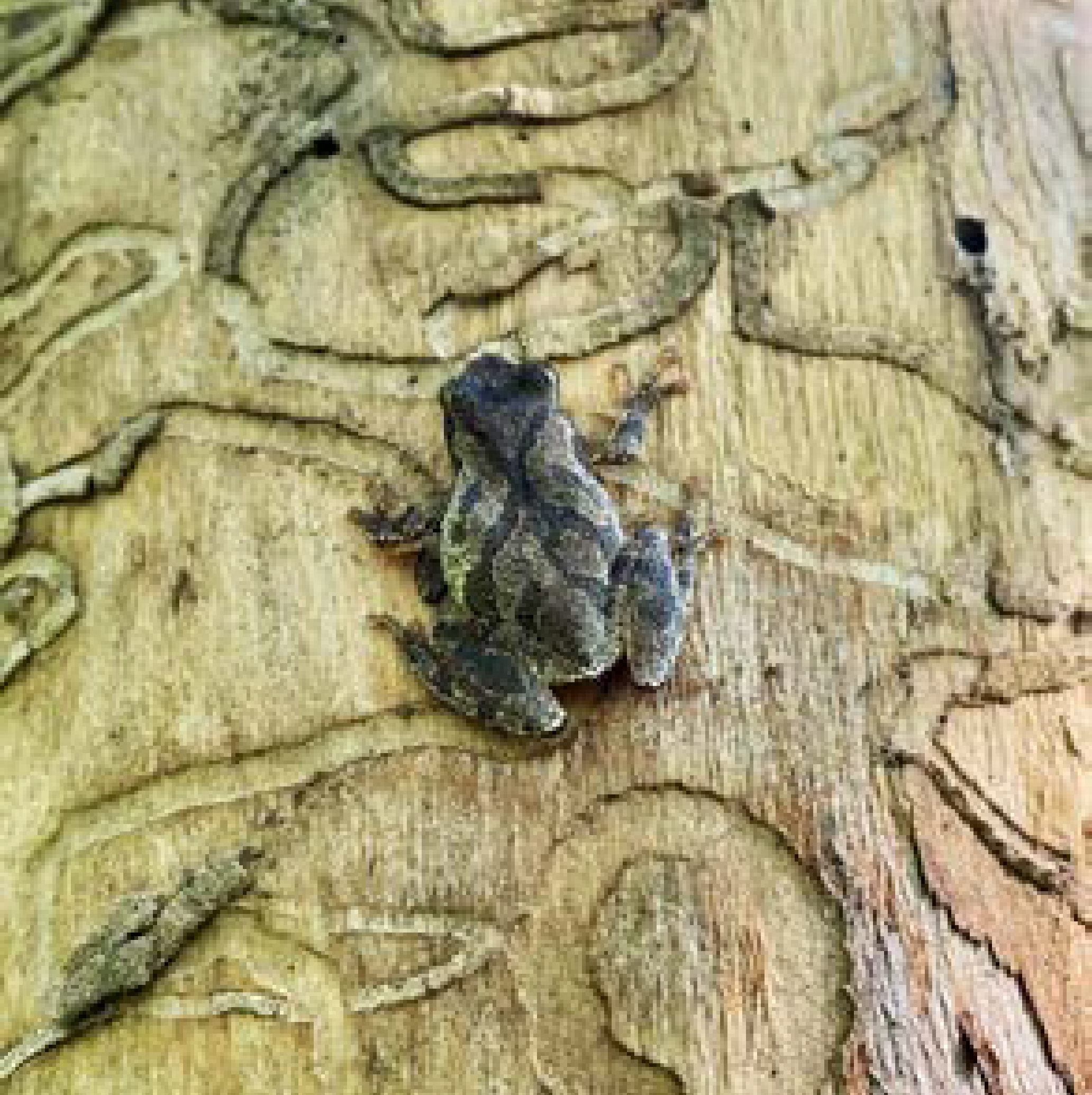
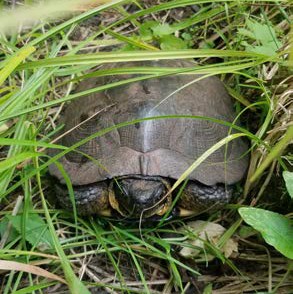
Black ash (Fraxinus nigra) is a unique tree that is often abundant in wetland forests and riparian areas from the Great Lakes states east to Maine in the US, along with much of southeastern Canada from Ontario to the Maritimes. Ecologically, black ash is a foundational species, driving nutrient dynamics, regulating hydrology and providing vertical structure, habitat and food for many organisms (Figure 1A-D). Overstory trees in riparian areas shade rivers and streams, while leaves that drop in autumn are a high-quality nutrient source for many aquatic organisms.
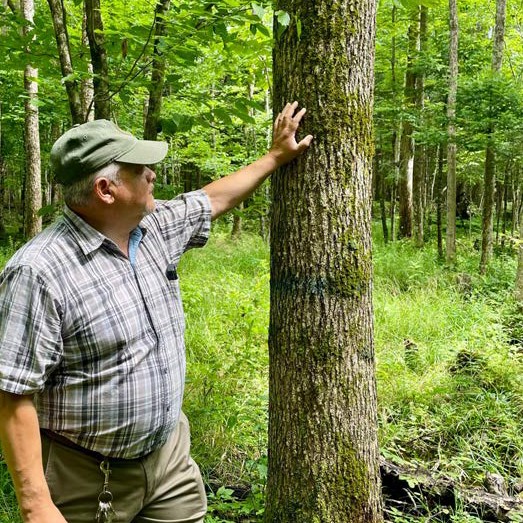
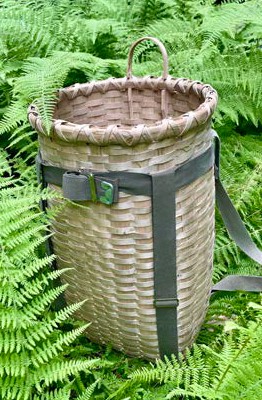
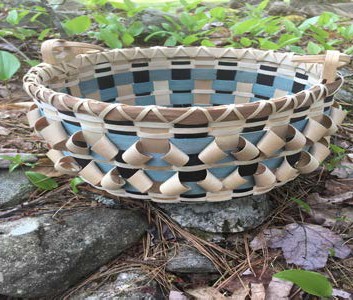
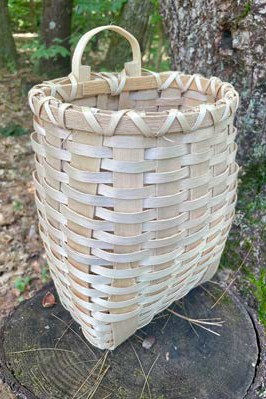
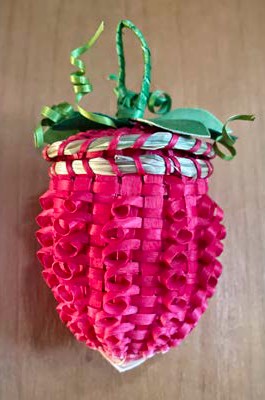
Black ash is also an integral component of the cultural traditions and lifeways of many Tribal Nations in the US and First Nations in Canada (Figure 2). Black ash, also known as brown ash, is prominently featured in origin stories, ceremonial practices, and centuries-old basketry traditions (Figure 3A-D).
Unfortunately, the future of black ash is threatened by emerald ash borer (EAB; Agrilus planipennis), an invasive beetle that has caused widespread tree mortality since it was first detected in Michigan in 2002 (Figure 4). Black ash is highly preferred by EAB beetles and is also highly vulnerable to infestation, compared with other North American ash species. Emerald ash borer is already well established across much of the black ash range. Rates of tree decline and mortality are higher for black ash than for other North American ash species.
Based on EAB impacts to date and the ongoing spread of this invader, the entire range of black ash is at risk. Recent projections indicate that within 10 years, more than 75% of black ash basal area will be lost across 85-90% of its range (Figure 5). Moreover, during the next two decades, >95% of the basal area will likely be lost across 99.8% of the black ash range across both the U.S. and Canada.
EAB Biology and Signs of Infestation
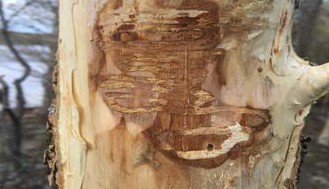
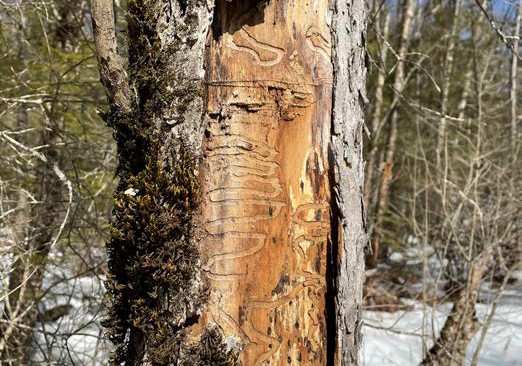
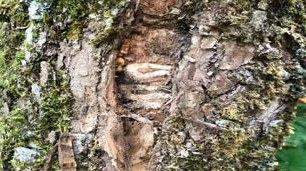
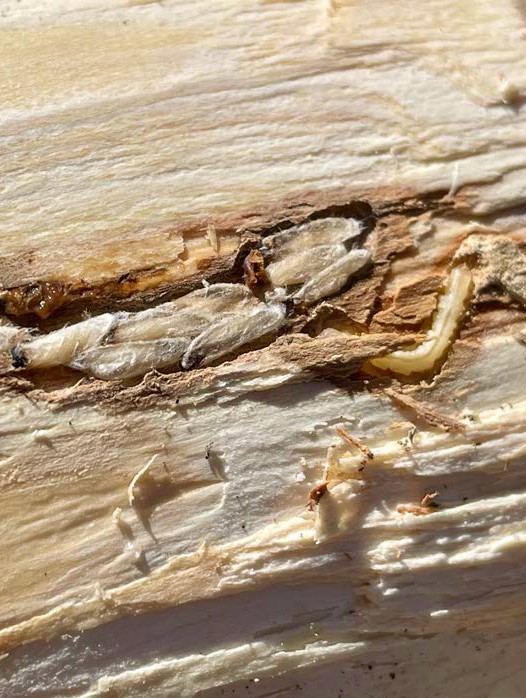
Larvae, the immature stage of EAB, feed beneath the bark in S-shaped tunnels, called galleries (Figure 6). A few galleries will have little impact on the vigor of most overstory trees. Recently infested trees typically have no external signs or symptoms of EAB infestation for at least 2-3 years after they are colonized. Over time, as beetles reproduce, the density of larval galleries will increase (Figure 7), disrupting the ability of trees to transport nutrients and water.
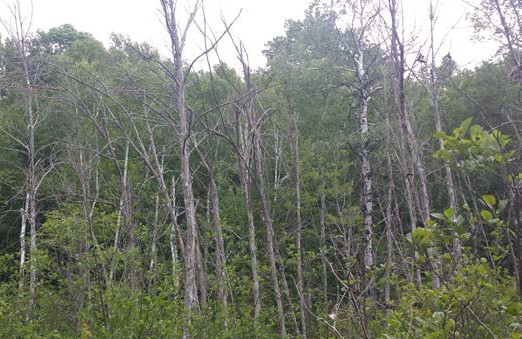
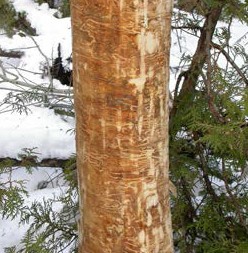
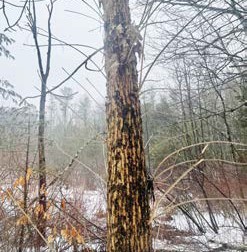
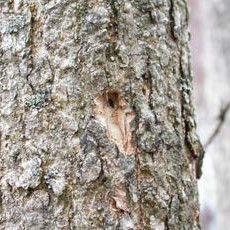
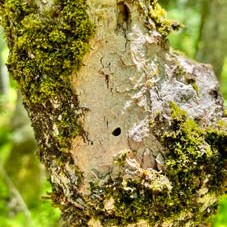
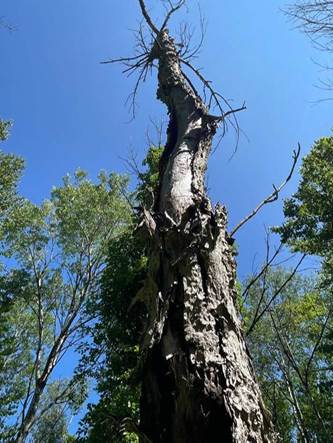
As EAB density builds, signs of infestation become apparent, including holes left by woodpeckers preying on EAB larvae, epicormic sprouts, thin and declining canopies, bark cracks with visible galleries underneath and small D-shaped exit holes left by emerging EAB adult beetles (Figure 9A-C). Black ash overstory trees typically begin to die within 4-6 years of EAB colonization. Mortality progresses until virtually all overstory black ash trees in a stand have been killed by EAB (Figure 5). As overstory trees succumb, EAB beetles begin to colonize smaller trees. Black ash that are more than 1-inch diameter can be infested and killed.
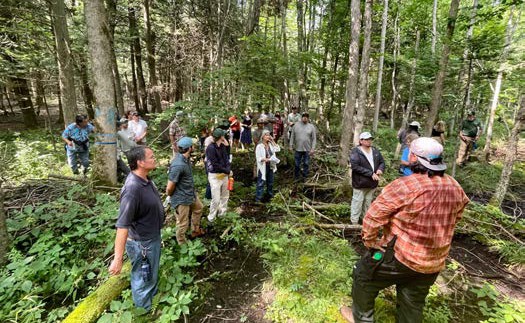
Consequently, there is growing interest in applying EAB management tools and techniques to protect and preserve black ash in forested settings for an array of ethical, cultural, ecological and conservation reasons (Figure 10). In this bulletin, we summarize information on current management tactics, including options for integrating multiple management tools (Table 1). We also address how management tools can be combined with silviculture to protect black ash stands ahead of or during the early stages of EAB invasion.
Management Options
No Intervention
If no action is taken to control EAB and protect trees, widespread mortality of black ash will occur, including overstory trees and most stems ≥1-inch DBH (Table 1). Post-invasion assessments in forested wetlands and riparian areas have consistently documented complete mortality of larger diameter black ash (>4-inch DBH) followed by nearly complete mortality of smaller black ash (1 to 4-inch DBH). This progression effectively creates an orphaned cohort consisting of black ash saplings (<1-inch diam) and smaller seedlings that germinated in previous years. As mature, seed-producing trees die, newly germinated black ash seedlings will become increasingly rare or simply absent.
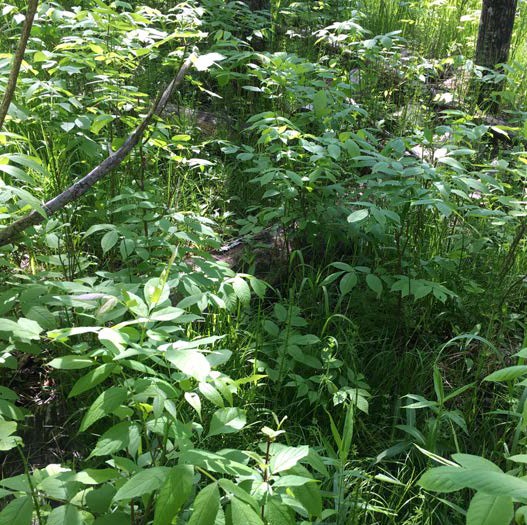
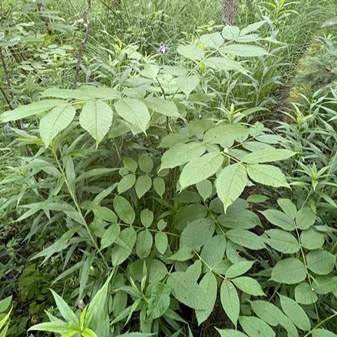
Presence and density of live black ash regeneration vary substantially from site to site (Figure 11A-B). Recent studies have shown that small, suppressed black ash can respond to increased light that becomes available as larger trees die. However, even after overstory trees die, low-density “endemic” populations of EAB persist. As saplings and seedlings grow into 1-4 inch diameters, they are likely to become infested, decline and die within a few years.
Long-term success of black ash regeneration is tenuous in post-invasion stands originally dominated by black ash. Mortality of overstory trees leads to long-lasting changes in hydrology, which in turn alters numerous ecological functions. Forested wetlands may simply transition to open wetlands or co-occurring tree species may become dominant. Regeneration success may be further impacted by deer browse, encroachment of non-ash species, and establishment of invasive plants.
Insecticides
Systemic insecticides to protect individual trees from pests are widely used by arborists and urban foresters, but the use of these products is increasingly common in forested settings as well. Land managers, property owners and foresters in many states are using systemic products to reduce densities of destructive invasive pests to protect watershed functions, conserve seed sources and maintain genetic diversity.
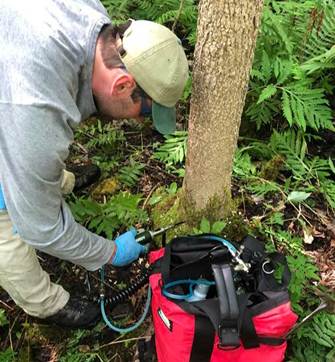
Systemic insecticides are typically applied to the base of trees (Figure 12), then transported within the tree in water-conducting xylem tissue (sapwood) up the trunk and into the canopy branches and leaves. Unlike traditional insecticide cover sprays, systemic products can control insects feeding beneath the bark or at the top of tall trees, with minimal exposure for applicators and no drift issues. These products do not affect non-target insects that simply land on treated trees; only insects that actually feed on the tree encounter the insecticide.
Several formulations of systemic insecticides are available for protecting ash trees, although the efficacy and persistence of different compounds vary. Products with emamectin benzoate, applied by injecting the compound into the lower portion of the trunk, consistently provide highly effective control of EAB (Figure 13). Studies have shown applying emamectin benzoate in spring provides three years of nearly complete protection from EAB (Table 1). Products with azadirachtin, also applied via trunk injection, can protect trees for one or sometimes two years, depending on the local EAB density. This product does not control EAB adults but can disrupt the ability of EAB larvae to successfully molt and grow. Dinotefuran products can be efficiently applied as a basal trunk spray in stands that are not flooded. If ash trees are treated annually, dinotefuran can be highly effective.
Treating a portion of the black ash trees in a stand annually is a practical option to maintain desired hydrology, habitat and many ecological functions (Table 2). Trees can be treated on a rotating basis to ensure that some trees are effectively protected from EAB each year. This approach can reduce local EAB density, partly by controlling adult beetles as they feed on ash leaves, as well as controlling larvae within treated trees. Individual seed-producing trees can also be prioritized for treatment with systemic insecticides to promote new regeneration and conserve genetic diversity (Table 1).
Biocontrol
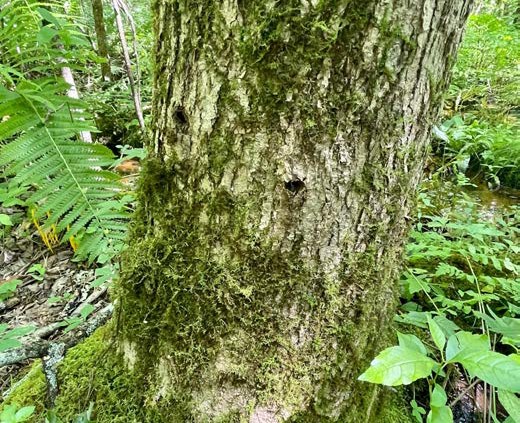
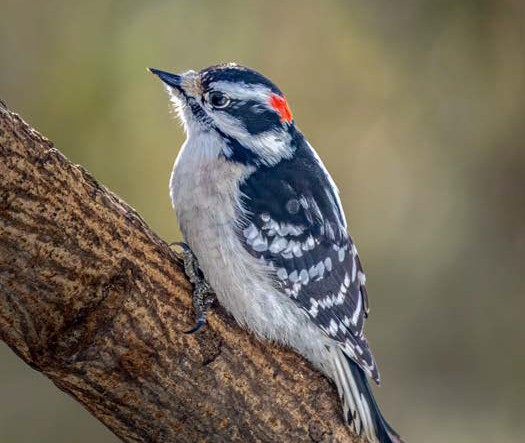
Natural enemies, including native species and introduced species, are often present in black ash stands with well-established EAB infestations. Woodpeckers prey on large, late-stage EAB larvae, typically from late fall through spring. Several studies have shown woodpecker predation accounts for more EAB mortality than any other natural enemy (Figure 14). Holes in the bark left by foraging woodpeckers are larger and much more apparent than the small D-shaped exit holes left by emerging EAB adults. Numerous EAB infestations have been discovered when a landowner noticed a few woodpecker holes on the upper leader of ash trees, usually after leaves had fallen in autumn.
A diverse assembly of native parasitoid species can attack EAB larvae feeding in ash trees. One or more of these native species can be locally abundant, most often in heavily infested, declining ash trees. Native parasitoids, however, either individually or collectively, rarely have significant impacts on EAB population dynamics in black ash stands (Figure 15A-B).
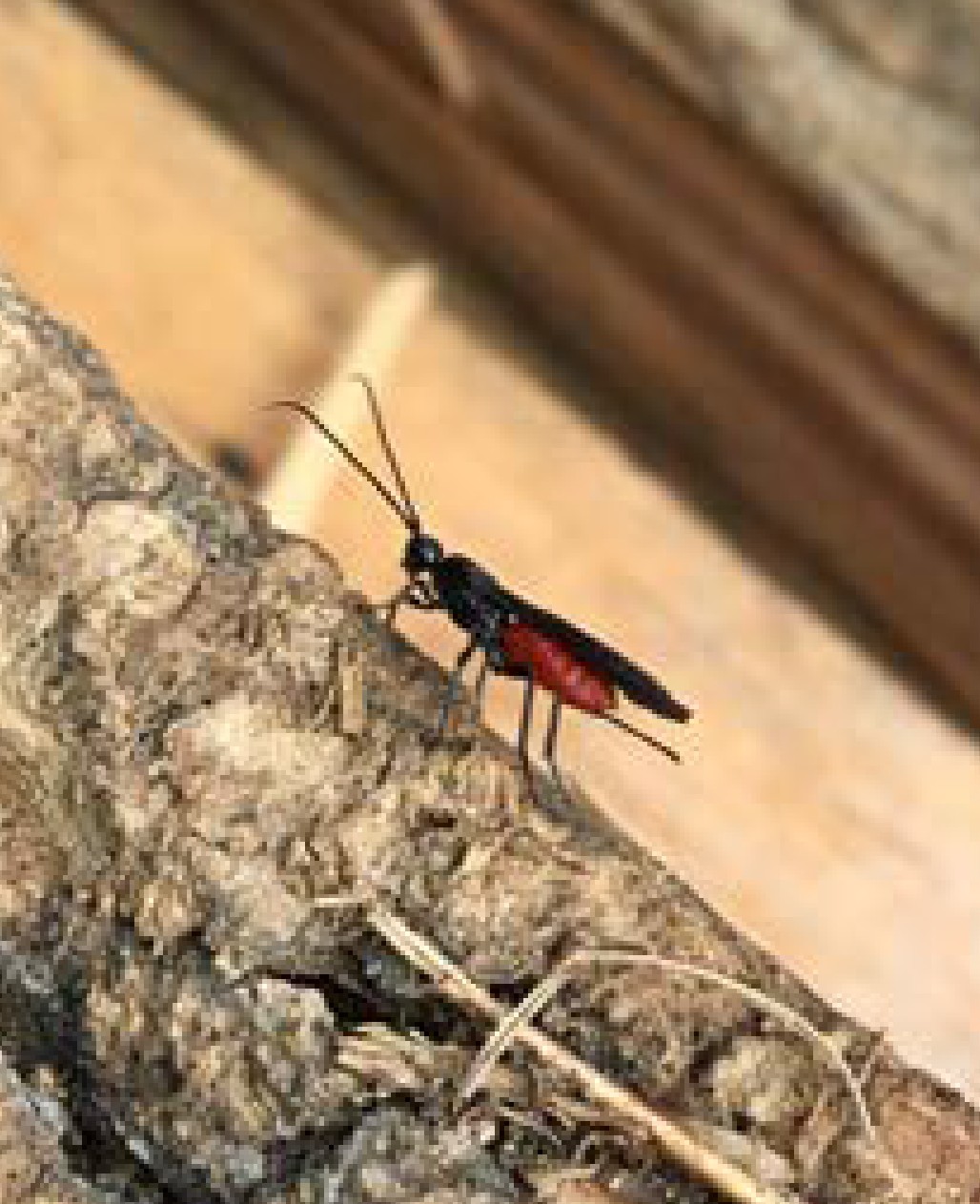
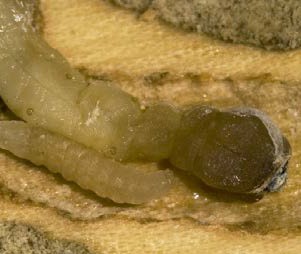
Classical biocontrol efforts, first launched in 2007, involve rearing and releasing species of parasitoid wasps that attack EAB in its native range in Asia and Far East Russia (Figure 16). These species include a tiny egg parasitoid, Oobius agrili, and two larval parasitoids, Tetrastichus planipennisi and Spathius galinae (Figure 17). These species had to be evaluated and approved before they could be released in the US, a process that has been underway since 2007. Once established, adult parasitoid wasps can disperse from the release point to other black ash stands, even several miles away from the original release point. However, while research is ongoing, to date, these parasitoids have had negligible impacts on EAB dynamics in black ash stands.
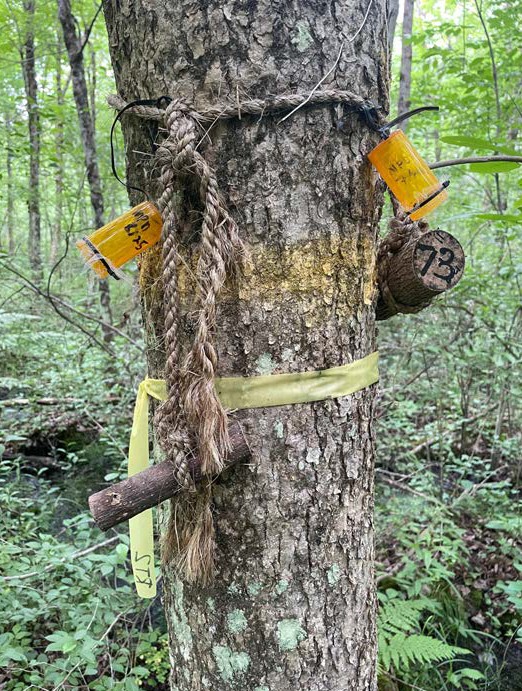
Relying solely on biocontrol to manage EAB and protect overstory black ash trees has not been successful (Table 1). Furthermore, in post-invasion black ash stands in Michigan, recent evaluations showed that EAB has continued to infest black ash regeneration ranging from 1 to 4 inches in diameter, even in areas where introduced parasitoids are established. Collective impacts of native and introduced natural enemies on EAB population dynamics will likely continue to be highly variable in post-invasion black ash forests. (Figure 18). There is great potential, however, to combine and integrate biocontrol with other management tactics, as described below.
Tree Removals
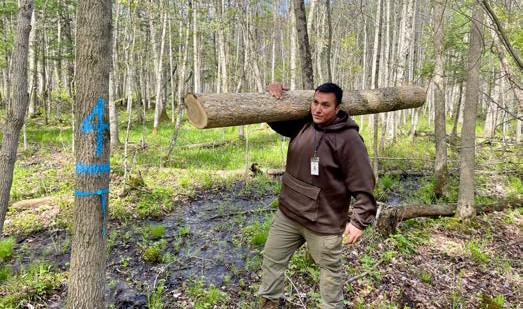
Pre-emptive removal of overstory black ash (Table 1) is a potential management option that must be approached cautiously to ensure site resilience. For instance, diminished water uptake and evapotranspiration following clearcuts in mature black ash stands on wetland sites will alter hydrologic conditions. These changes can limit survival of both residual black ash trees and many co-occurring tree species, plus prevent successful germination of tree seeds. In contrast, individual-tree selection harvests in black ash sites can effectively maintain hydrology while promoting black ash recruitment and regeneration. Individual-tree selection is also conducive to partnering with local Indigenous communities and basketmakers to coordinate harvest of potential basket-quality trees for cultural practices (Figure 19).
Group selection harvests, such as row/strip shelterwood and gap harvests, can be effective for black ash management (Table 1) but may also promote non-ash regeneration. Strip shelterwood harvests (e.g., with 30-120 ft wide strips) can be effective for recruiting small black ash and increasing non-ash species while maintaining hydrology in mixed species stands. Retaining mature trees in strips, including ash and non-ash, provides seed sources and vertical structure. Likewise, gap harvests (e.g., 0.10 to 0.25 ac gaps) can encourage black ash regeneration if live seed trees are Larger gaps, however, are likely to alter hydrology, on at least some sites.
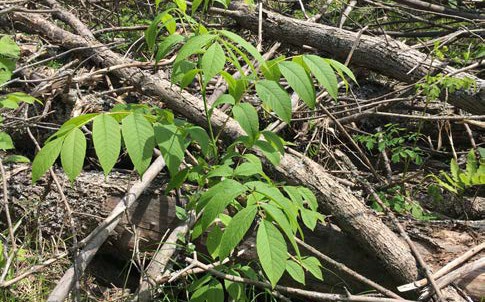
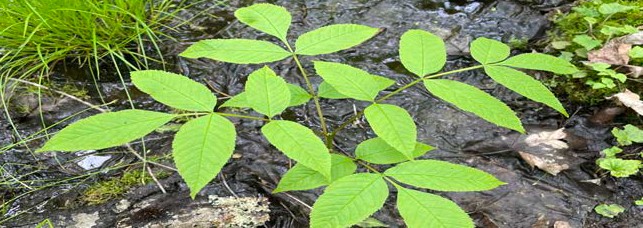
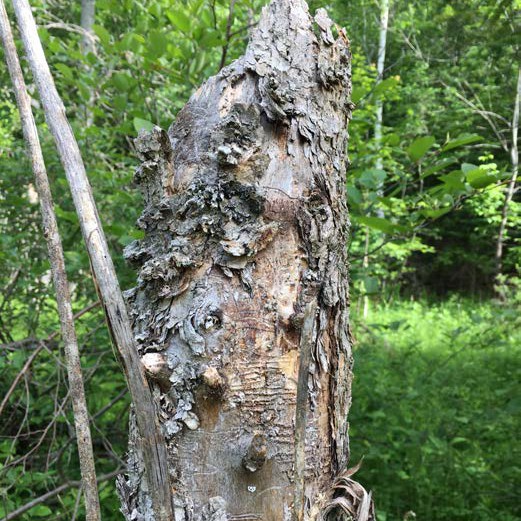
If strip shelterwood or gap harvests are potentially desirable options, it is paramount to implement the harvests either before or soon after EAB has become established (Table 2). These harvest methods promote black ash regeneration through a combination of coppicing, seed production, new seedling germination and increased growth of small trees (Table 1, Figure 20A-B). As EAB density builds over time, however, seed-producing black ash in the overstory succumb. Lateral in-growth of non-ash canopy trees or competition from non-ash regeneration can limit black ash success. Additionally, several studies have noted that in post-invasion stands, viable stump sprouts from EAB-killed black ash are rare and are unlikely to contribute to regeneration (Figure 21). Stumps and exposed roots of live trees after harvest can also be infested by EAB, further limiting vegetative black ash regeneration. Pollarding (i.e., pruning trees back to the trunk to manage new growth) has not been examined in black ash but trees would readily become infested with EAB if they were not protected with insecticide.
Restoration Planting
Planting black ash in post-invasion stands following EAB invasion could be considered as a means to increase or restore at least some presence of black ash in formerly favorable wetland and riparian habitats (Table 2). Black ash restoration following EAB invasion, however, faces several challenges. Black ash seedlings are rarely available from commercial nurseries which means effective propagation methods will be necessary. Changes in hydrological regimes following the loss of overstory black ash may affect growing conditions at the site. Whether those conditions still support ash or non-ash species will need to be considered. Long-term management of black ash restoration plantings will be necessary to improve seedling establishment and to protect trees from EAB colonization as they grow into vulnerable size classes.
Alternatively, restoration planting with non-ash species may be preferred if the goal is to shift forest composition towards other desired species (Table 2). This could include tree species already successfully growing in the site or could focus on shifting composition to favor climate adaptive species that are not necessarily present.
Additional Strategies Related to Black Ash Management
Seed Collection
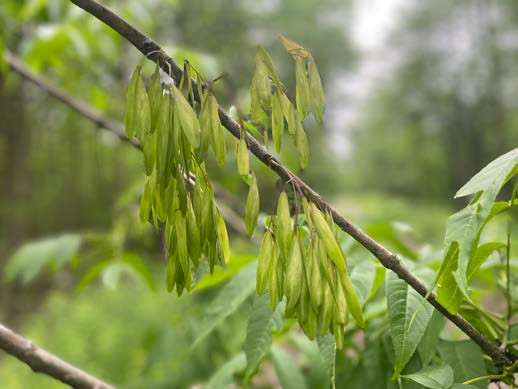
Collecting seed from black ash trees can be a meaningful activity that can occur ahead of EAB invasion or following invasion, as long as trees are alive and producing seed. Seed collection can be integrated with any of the above management options to acquire seed for immediate propagation or to save for future habitat restoration or genetic conservation (Figure 22). Even mature black ash trees, however, seed irregularly. A few trees may produce a few seeds in a given year but good seed years generally occur at intervals of up to 8 years. Seed pests, such as ash seed weevils, can additionally impact viability of black ash seeds. See emeraldashborer.info for more information on seed collection equipment, techniques and storage options.
Treatment Combinations - SLAM
Integrating two or more management options into an overall strategy for black ash wetlands and riparian areas can yield additive or even synergistic outcomes (Table 1, Figure 23). SLAM (Slowing Ash Mortality) is a term that refers to an integrated strategy incorporating multiple tactics to slow EAB population growth and protect ash trees in early to mid-invasion stages. For instance, treating some overstory trees with a systemic insecticide combined with removal of other trees can help suppress EAB populations, while protecting selected seed trees (Tables 1-2). This combination can promote advance black ash regeneration and seedling germination, while maintaining most ecological functions and continuity. Together, the impact of these two management tools is greater than the impact of either used singly. An overview of treatments and treatment combinations is included in Table 1.
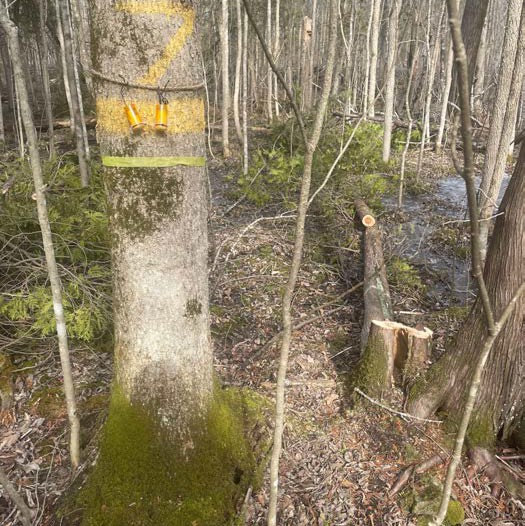
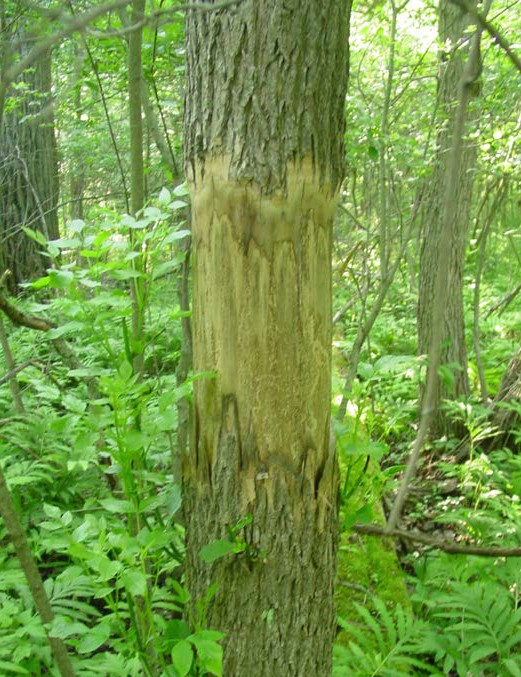
Another example involves intermixing girdled ash trees with treated ash trees (Table 1). Girdling an ash, i.e., removing a 6 to 8-inch band of outer and inner bark around the trunk while leaving the sapwood intact, slowly “stresses” the tree (Figure 24). Ash trees that are girdled in spring or early summer are highly attractive to EAB adults, who feed on ash leaves throughout their life span. Several studies have shown female beetles lay many more eggs on girdled ash trees compared with relatively healthy ash trees, even when healthy trees are adjacent to girdled trees. One or a few girdled ash trees mixed in with other trees protected by emamectin benzoate (systemic insecticide) can increase the chances of beetles encountering toxic leaves on treated trees, thus expanding effects of the insecticide.
Finally, releasing parasitoid wasps and treating a portion of ash trees in the same area with a systemic insecticide are also compatible tactics.
Woodpeckers will not feed on dead EAB larvae, larval parasitoids will not lay eggs on or into dead EAB larvae, and egg parasitoids are not exposed to the insecticide. Natural enemies are likely to focus their activity on non-treated ash trees where they can more easily find EAB to prey upon or parasitize.
Implementing a SLAM approach in recently invaded forests has been shown to slow EAB population growth, extending the time between EAB invasion and catastrophic, widespread ash mortality (Tables 1-2). A SLAM strategy effectively buys time, increasing opportunities for seeding or planting ash or non-ash trees, as well as implementation of stand-specific management options.
Table 1. Effectiveness of Management Options.
| Management Option | Anticipated Effectiveness of Treatments to Achieve Specific Goals | ||||
|---|---|---|---|---|---|
| Maintain canopy & vertical structure | Promote black ash regeneration | Directly protect black ash regeneration | Suppress EAB infestation | ||
| No intervention | Ineffective (--) | Ineffective (--) | Ineffective (--) | Ineffective (--) | |
| Individual tree treatments | Systemic insecticide | Highly effective (+) | Highly effective (+) | Limited (-) | Highly effective (+) |
| Classical biocontrol (non-native parasitoid releases) | Ineffective (--) | Ineffective (--) | Limited (-) | Limited (-) | |
| Ash tree removals (individual tree selection, row harvests, gap harvests) | Ineffective (--) | Highly effective (+) | Ineffective (--) | Limited (-) | |
| Treatment combinations | Biocontrol + Systemic insecticides | Highly effective (+) | Highly effective (+) | Limited (-) | Highly effective (+) |
| Tree removals + Systemic insecticides | Highly effective (+) | Extremely effective (++) | Ineffective (--) | Highly effective (+) | |
| Biocontrol + Tree removals | Ineffective (--) | Highly effective (+) | Limited (-) | Limited (-) | |
| Systemic insecticides + Biocontrol + Tree removals | Highly effective (+) | Extremely effective (++) | Limited (-) | Highly effective (+) | |
Ineffective (--) = unlikely to achieve goal; Limited (-) = studies have shown variable to poor results; Highly effective (+) = studies have consistently shown strong results; possible additive/synergistic effect; Extremely effective (++) = combining two highly effective treatments is likely to yield better results than a single treatment; greater additive/synergistic effect.
Table 2. Management Options by EAB Invasion Stage.
| Management Tactic | Optimal Timing of Management Options at EAB Invasion Stages | ||||
|---|---|---|---|---|---|
| Pre-invasion | Early-invasion | Mid-invasion | Post-invasion | ||
| No intervention | N/A | N/A | N/A | N/A | |
| Individual tree treatments | Systemic insecticides | X | X | ||
| Classical biocontrol (non-native parasitoid releases) | X | X | |||
| Ash tree removals (individual tree selection, row harvests, gap harvests) | X | X | X | ||
| Treatment combinations | Biocontrol + Systemic insecticides | X | X | ||
| Tree removals + Systemic insecticides | X | X | |||
| Biocontrol + Tree removals | X | X | |||
| Systemic insecticides + Biocontrol + Tree removals | X | X | |||
| Restoration planting | Tree planting (non-ash) | X | |||
| Tree planting (black ash) | X | ||||
| Seed collection | X | X | X | ||
| SLAM | X | X | |||
Pre-invasion: represents a healthy black ash stand not yet impacted by EAB infestation; Early-invasion: represents a black ash stand with early signs and symptoms of EAB infestation, such as woodpecker holes, light canopy decline, recent epicormic sprouts, but no severe decline or EAB-caused tree mortality; Mid-invasion: represents a black ash stand with well-established signs and symptoms of EAB, such as moderate to severe canopy decline, trees with multiple woodpecks, epicormic sprouts; some EAB-caused tree mortality; Post-invasion: represents a black ash stand with widespread overstory tree mortality (>4-in DBH), moderate to high mortality of smaller black ash (1 to 4-in DBH); black ash regeneration variable.
Additional Resources
- Emerald Ash Borer Information Network. Available at https://www.emeraldashborer.info/
- Herms, A., D.G. McCullough, C.S. Sadof, D.R. Smitley, F.D. Miller and W. Cranshaw. 2019. Insecticide options for protecting ash trees from emerald ash borer. North Central IPM Center Bulletin. 3rd Ed. https://www.emeraldashborer.info/files/96967b8d-940b-4959-8102-a210590c48bd-82l4wt.pdf
- McCullough, D.G. 2020. Beyond eradication: Challenges, tactics and integrated management of emerald ash Forestry: An International Journal of Forest Research. 93(2): 197-211. DOI: 10.1093/forestry/cpz049
- McCullough, G., R.J. Mercader and N.W. Siegert. 2015. Developing and integrating tactics to slow ash (Oleaceae) mortality caused by emerald ash borer (Coleoptera: Buprestidae). The Canadian Entomologist 147: 349-358. DOI: 10.4039/tce.2015.3
- Siegert, W., P.J. Engelken and D.G. McCullough. 2021. Changes in demography and carrying capacity of green ash and black ash ten years after emerald ash borer invasion of two ash-dominant forests. Forest Ecology and Management. 494: 119335. DOI: 10.1016/j.foreco.2021.119335
- Siegert, W., D.G. McCullough, T. Luther, L. Benedict, S. Crocker, K. Church and J. Banks. 2023. Biological invasion threatens keystone species indelibly entwined with Indigenous cultures. Frontiers in Ecology and the Environment. 21(7): 310-316. DOI: 10.1002/fee.2654
- Wotherspoon, R., A.F. Nolin, N.W. Siegert, J.P. Dech, J.C. Tardif, A.W. D’Amato, J. Laganière, R.D.R. Mathieu, Boudreault, J. Daigle, L. Benedict, S. Dufour-Pelletier, C. Duguay, G.E. Charette and A. Achim. 2026. A perspective on black ash decline in eastern North America: Ecological insights, cultural importance and urgent research needs. Environmental Reviews. 34: 1-11. DOI: 10.1139/er-2025-0198