


Community Change Guide for Community Gardens
Community gardens play a vital role in improving community food access.
Community champions who want to improve access to healthy food in community settings can do so through gardens. Community gardens can grow in many different spaces such as schools, religious institutions, food pantries, child care centers, neighborhood parks and more, making them accessible options for increasing healthy food availability.
By strengthening connections between food and communities, gardens can:
- Provide hands-on education about how plants grow and where food comes from.
- Promote healthy food choices and contribute to overall community well-being.
- Support dignity and empowerment by giving people opportunities to make their own food choices.
- Strengthen local food systems and support local producers.
- Promote physical activity.
With a straightforward plan and practical solutions, you can take meaningful steps to strengthening access to healthy food choices through gardening in your community. The Community Voice Guide for Community Gardens, based on Michigan State University Extension's Six-Step Model to Community Change, can help community champions move from identifying need to taking action and sustaining long-term impact.
Here's how:
Step 1: Identify the need
Before taking action to create a community garden, take a moment to ask: Is a garden needed in your community? And if so, who will benefit from increased food access?
Here are some tips for how to start identifying the need in your community:
If you are exploring this need through your organization, talk with people your organization serves. Ask them where they get fruits and vegetables and what barriers exist to accessing fresh produce.
If you are a community member, talk to your neighbors. Are other community members excited about starting a garden? Are they already doing gardening in another capacity?
Observe your environment. Would you be able to access available land and infrastructure, like a water source, to support a garden space?
Review policies and practices related to gardens in your community. Do you have local zoning rules that prevent or encourage gardening in certain spaces? Your local parks and recreation or planning departments may have helpful information.
What assets or resources already exist for creating a community garden? Are there community organizations dedicated to supporting this type of work, such as Edible Flint or Keep Growing Detroit? What about community tool-share programs, seed swaps, or land banks?
Tools for identifying the need: Visit the Identify the Need Guide and worksheet for more on guiding questions, ideas and examples of how to clarify a specific need, why it matters and what benefits it could have for community members.
Step 2: Bring people together
Community change lasts longer when it is supported by more than one person, so start by finding two to four people who can join your team. Even a small team can help build shared buy-in, coordinate next steps and keep the work moving forward.
Think of who is passionate about improving food access and who can help make a community garden happen. This could be neighbors, community organizations, garden clubs, MSU Extension Master Gardeners or clients your organization serves — anyone who has an interest, insight or lived experience related to your goal.
Because each community is different, having multiple perspectives on the team can help you think creatively about different approaches. You can work together to consider what type of garden project might best support the need you identified.
Tools for bringing people together: Use the Bring People Together Guide and Worksheet to identify people to include in your action team.
Step 3: Explore what’s working
Exploring what has worked well for others allows you to learn from communities and organizations that have addressed needs and challenges like your own. You may explore other's work not only by searching for articles about established programs, but also by striking up conversations with people in other organizations or communities. Consider the following questions as you seek to learn more:
How has the garden helped address a specific challenge regarding nutrition education or food access for communities?
What aspects of others' approach might be useful in your own setting?
Ideas for putting what's working into place
As you dig deeper into understanding promising practices, it can be helpful to understand the different types of gardens and how each could support your community’s goals. Below are some ideas of how communities throughout Michigan, some in partnership with MSU Extension, have implemented different types of community gardens.
Idea 1: School or early care and education (ECE) gardens
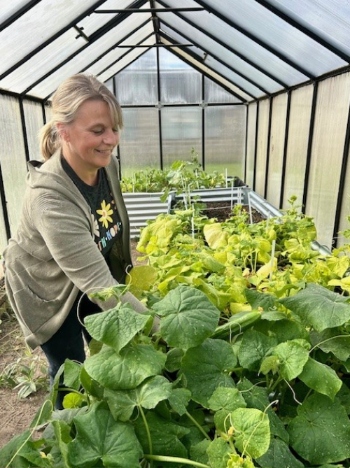
School and early care and education (ECE) gardens are located within educational settings and create opportunities for hands-on learning, physical activity and connection to healthy food. If gardens produce enough, programs can also supplement meals or snacks with fresh produce grown onsite.
Mason County Eastern Elementary School renovated its onsite greenhouse to increase the amount of fresh produce available in the cafeteria. In their first year, the school successfully grew produce for the salad bar. By the second year, they were able to extend the growing season and engage more students in planting, weeding and harvesting produce, which led to even more fresh vegetables being added to school meals.
Photo credit: Kendra Gibson

Mimi’s House Family Childcare, a licensed home-based provider, participated in the Growing Healthy Eaters MSU Extension farm‑to‑ECE initiative. Through gardening and hands‑on food activities, the program helped increase children’s fruit and vegetable intake, supported professional development for childcare providers and strengthened connections between local farmers and the early childhood program.
Photo credit: Shelley Frazier
For more information on how to incorporate fresh fruits and vegetables from the garden into schools and early care and education centers, check out these additional community change resources:
Community Voices Guide for School Healthy Food Access and Nutrition
Community Voice Guide for Early Care and Education Nutrition and Physical Activity
Idea 2: Demonstration gardens
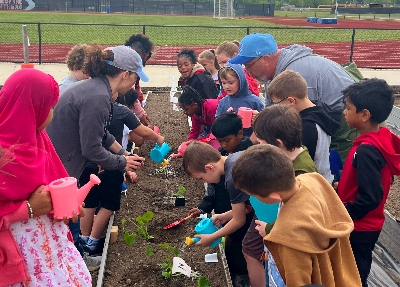
Demonstration gardens provide space for community members to learn more about plants, growing techniques or sustainable gardening practices.
At the Victory Garden in Center Line, students work together to plant, garden and learn about pollination. The school also created a nutrition and taste testing station featuring 14 different fruits and vegetables, encouraging students to try new foods and share their impressions.
Photo credit: Archis Sunetee Vinay
Idea 3: Residential community gardens
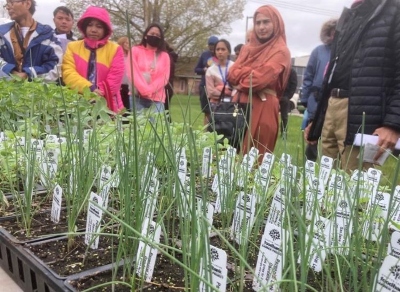
Residential community gardens are a shared space for community members to grow food for personal use or to share with others. Some operate as communal gardens while others assign individual plots for households to manage.
The Garden Project at Greater Lansing Food Bank partners with mid-Michigan communities to provide garden space and food-growing resources, prioritizing residents with limited to moderate income. Recognizing a need for culturally relevant produce, the project expanded efforts to grow foods familiar to Afghan refugees and other new Americans in the Lansing area.
Photo credit: Greater Lansing Food Bank Garden Project
Idea 4: Food production gardens
Source: Cultivating Health and Community: Seniors in the Garden
While most school, early care and education and demonstration gardens focus on producing small amounts of food for education, taste testing or supplemental purposes, food production gardens grow larger quantities of food for use in cafeterias, meal programs, food pantries or other community-serving organizations.
The Oceana County Council on Aging created a community garden after identifying that seniors had limited access to fresh produce. The garden now supports meals prepared at the senior center and allows program participants to take home fruits and vegetables.
Tools for exploring what's working
Use the Explore What’s Working Guide and Worksheet to guide you through the process of researching strategies that work.
Check out Michigan State University Extension’s Stories of Change for more ideas.
Call or visit other organizations with community gardens in nearby communities.
Step 4: Gather resources
Here are some trusted resources to get you started on planning, implementing and sustaining your work. Each resource offers tools and examples that can be adapted to fit the needs, capacity and culture of your team.
Michigan State University community garden resources
Community Food Systems: Resources for school and other types of community gardens. Through the Starting a School or Community Garden: Essential Steps for Success course, participants can learn the essential steps to starting a successful and sustainable school or community garden and be able to apply what was learned to their own garden projects. Other helpful courses include Smart Gardening with Vegetables 101, Backyard Fruit 101, and Foundations of Gardening.
Farm to Institution: If your garden is part of a larger farm-to-school, farm-to-early care, or farm-to-institution effort, this MSU Extension initiative can help you identify institutional supports.
Fresh Produce Donation Guidelines for Gardeners: Guidelines for donating food from your school or community garden.
MSU Center for Regional Food Systems: Convenes partners across sectors and regions, providing resources and connections to advance a shared vision of healthy, sustainable, equitable and affordable food systems.
Produce Safety: Guidance documents and templates designed to help growers make sure their products are safe for consumption. Find articles on topics such as Postharvest Sanitation and Postharvest Washing Best Practices.
Other community garden resources
Beginning Farmer Curriculum: In collaboration with other educators and partners from across Michigan, MSU Extension helped develop curricula and resources for fruit and vegetable farmers who are just starting out. For those aiming to sell or donate produce from their community garden, there are useful resources related to food safety.
Community Garden Management Toolkit: Created by the Springfield Food Policy Council to provide technical assistance, exercises, and templates to help with launching a community garden.
Community Gardening Policy Reference Guide: Created by the Public Health Law Center at Mitchell Hamline School of Law, this guide provides a road map for local laws and policies that can impact community gardening efforts.
KidsGardening.org: Educational resources and activities to support a gardening program at a school or ECE.
National Park and Recreation Association: Resources for school and community leaders to implement gardening in their out-of-school time (OST) programs. Be sure to check out their gardening topics and activities organized by month, and their Facilitator’s Guide with curriculum examples and more.
Life Lab: Provides educators with garden resources including curriculum, workshops and trainings to help engage students in garden learning.
Tools to gather resources: Use the Gather Resources Guide and Worksheet to focus your goals and find reliable resources to help you implement your change.
Step 5: Make a plan and act
A strong plan does not need to be complicated. When it comes to gardening in particular, remember to "Dream big but start small." The most effective approach is to choose one goal, select one strategy and test the change for four to six weeks. When making a plan, consider the following:
1. Choose the system you want to improve. For example, is the garden serving one classroom, one center, multiple families, etc.?
2. Pick one clear goal in the specific setting. This helps prevent the process from feeling overwhelming and supports steady progress. For example, are you aiming to enhance education through the gardening experience, or are you hoping to produce enough to enhance participants' nutrition with garden produce?
3. Choose a win that is realistic. You may only be able to start a few small beds. At the beginning, you may also only be able to plant two or three types of produce. Start small to gain big experience before tackling a bigger community garden project.
4. Make the change last. Look for ways to build change into everyday practice in these three main categories:
Policy: written documents that share expectations and consistent messages regarding program goals and practices
Systems: routines and schedules that make gardens easier to maintain
Environment: spaces and equipment that support gardening activities
To make changes to those areas last in the long-term, use sustainability strategies. You may use all of the below, or may choose just one or two as you are starting out:
Leadership commitment: visible support, shared expectations and follow-through.
Clear ownership: maintenance is integrated into a specific job description or an existing team's official responsibilities.
Training and onboarding: new staff or community members learn the approach as part of normal onboarding or professional development.
Communication and reinforcement: reminders, signage, shared norms, and consistent messaging are used with staff, families, and other stakeholders.
Tools for making a plan and taking action: Use the Make a Plan and Act Guide and Worksheet to map out an action plan and identify simple steps to start.
Step 6: Reflect and share what you learned
After you try a change, reflect on what worked, what felt realistic and what you might adjust moving forward. Reflection helps you strengthen your approach and builds momentum over time. Sharing what you learn can also help others see what is possible.
Some simple reflection questions include:
What worked well?
What challenges came up and what helped to resolve them?
What would make this easier to continue?
What is one next step to keep going or expand the change?
Tool for reflecting and sharing: Use the Reflect and Share Guide and Worksheet to help you tell your story of change.
Community Garden Key Resources
All key resources below are free to use and share. Additional resources can be found under the "Step 4: Gather resources" section.
Starting a School or Community Garden: Essential Steps for Success Course
Farm to Institution
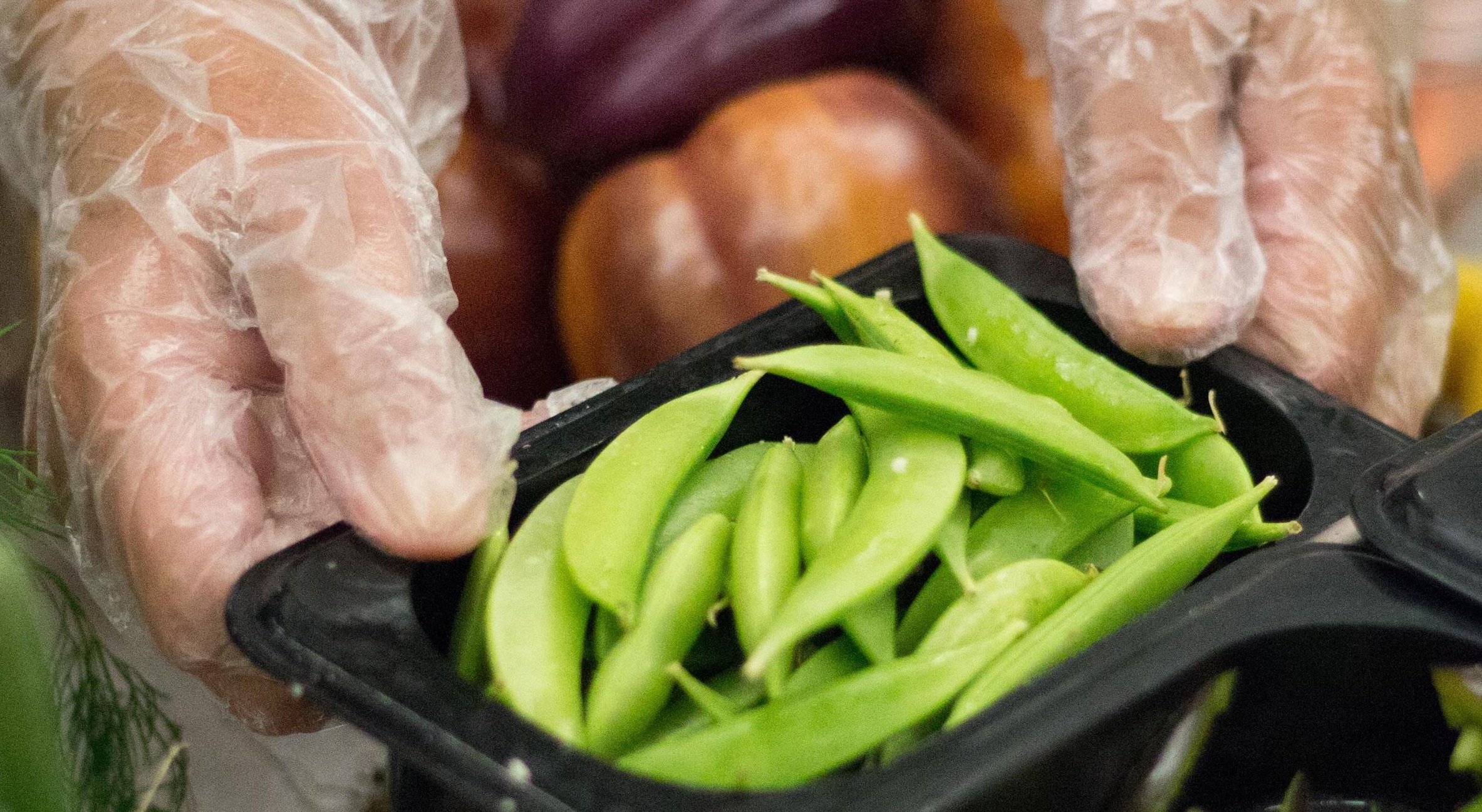 If your garden is part of a larger farm-to-school, farm-to-early care or farm-to-institution effort, this MSU Extension initiative can help you identify institutional supports.
Fresh Produce Donation Guidelines for Gardeners
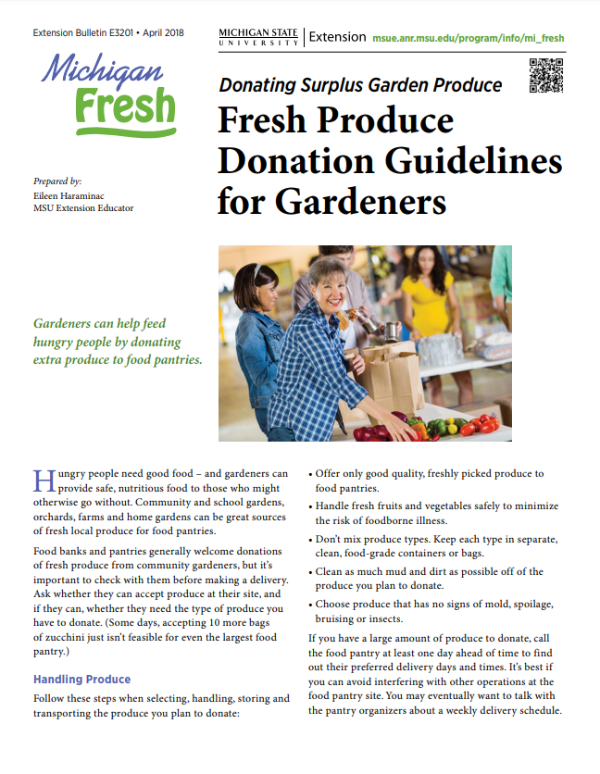
This resource provides guidelines for donating food from your school or community garden.
 Print
Print Email
Email