Going home: Biosecurity tips for animals that travel off the farm
 Print
Print Email
EmailAnimals that travel to county fairs and other exhibitions that will return home pose a significant biosecurity risk to the animals who stay home.
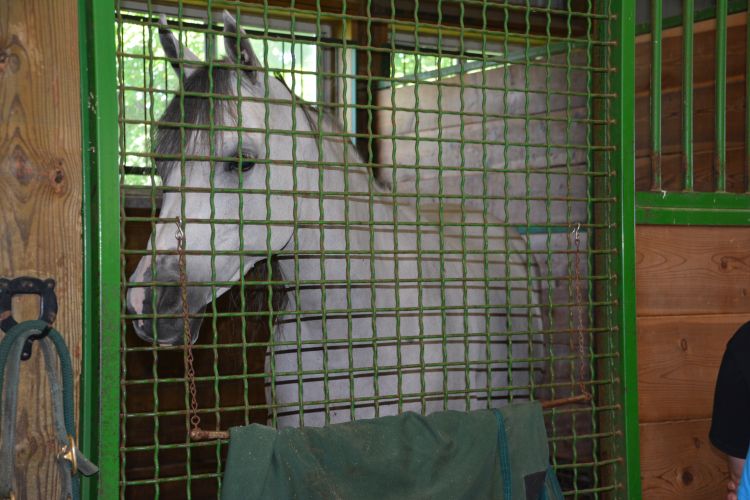
Animals may be transported off the farm for a variety of reasons. It is important to remember that each time an animal is taken out of its home environment, there is a certain amount of risk for exposure to illness, which makes it important to monitor animals who have been off the farm when they return home.
Michigan State University Extension suggests that exhibitors follow these biosecurity tips to protect their show animals and animals that stayed at home.
- Keep animals that were transported off the farm separate from animals that remained on the farm for a minimum of 14 days. If possible, do not allow nose-to-nose contact between animals who went off the farm and those who stayed home. Provide as much distance between animals as possible.
- Disinfect all buckets, feeders, tools and footwear that were taken to the show or exhibition.
- Throw away any feed or hay that was taken to the show or exhibition.
- Always wear clean clothes and footwear. Boot coverings may be helpful when caring for animals that were taken to shows and exhibitions as an added precaution.
- Take care of animals that stayed home from the show first, then care for animals that were at the show. Do not go back and forth between animals as this increases the risk of cross-contamination.
- Do not eat or drink in your barn.
- Observe animals daily for signs and symptoms of illness, such as:
- Obvious pain or discomfort
- Decrease in appetite and/or water intake
- Fever
- Lethargy
- Diarrhea or changes in consistency of manure
- Discharge from nasal cavity or eyes
- Overall weakness
If your animal is showing any symptoms of illness, call your veterinarian immediately.
Care of animals after traveling is just as critical as their pre-show care. Exhibited animals are exposed to new animal populations and fairgoers and will typically experience stress during their time away from home. By practicing these biosecurity tips, you can help keep your animals safe and healthy.