Planting for profit and diversity: Can growing native plant seed be a new cropping option?
 Print
Print Email
EmailWhile regenerative practices aim to improve soil, water, nutrient cycling and biodiversity—and strengthen farmer and community well-being—they also come with challenges. Learn key insights on how to navigate and implement these different principles.
In February 2026, Michigan State University Extension partnered with the MSU Center for Regenerative Agriculture to offer a special webinar series on regenerative agriculture. These sessions brought together farmers, educators and landowners who are interested in healthier soils, stronger farms and more resilient rural communities.
The series introduced six key principles that guide regenerative agriculture. These principles focus on living roots in the soil, minimizing soil disturbance, increasing plant diversity, integrating livestock, and understanding your unique farm context. One important message from the series was clear: regenerative agriculture is not “one size fits all.” Every farm is different. Climate, soil type, crops, livestock and personal goals all matter. The goal of the webinar series was not to tell farmers exactly what to do, but to share ideas, examples and research to help guide decisions.
Native plants need to start somewhere: Opportunities for farmers in native seed production
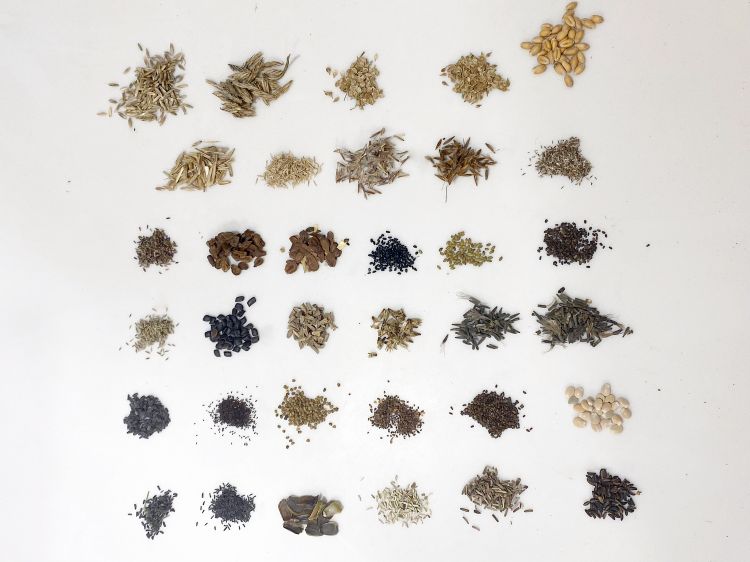
As interest in pollinator habitat, prairie restoration and conservation plantings continues to increase, demand for native seed has outpaced supply. During the webinar, Meghan Milbrath, PhD, MSU pollinator specialist, and Jared Foster, owner of Native Connections Farm, discussed how farmers can help address this shortage while creating a potential new revenue stream.
Native plants are increasingly being used in pollinator habitats, conservation projects, roadsides, solar developments and ecosystem restoration efforts. At the same time, there is a growing need for locally adapted seed sourced from Michigan plant populations. Milbrath, in partnership with a network of Michigan growers and conservation professionals, is working to increase the availability of Michigan-grown native seeds and support local producers.
For farmers, native seed production can diversify income while improving habitat for pollinators and wildlife. Native seed crops may fit well on field edges, marginal land, or acres not suited for traditional crop production. Some growers produce seed under contract for established seed companies, reducing marketing responsibilities.
Choosing the right species
Native species vary in management requirements and market value.
Easier-to-manage species include:
- Big bluestem
- Indiangrass
- Switchgrass
- Virginia wildrye
- Canada wildrye
These grasses can often be managed using equipment and practices familiar to large acreage crop producers and can be harvested at field scale.
Higher-value species include:
- Milkweeds
- Lupine
- Asters
- Goldenrods
- Sedges
These crops often command higher prices but require more labor and management. Many also provide important habitats for rare butterflies and specialist pollinators.
Before planting
Successful native seed production starts with selecting the right species for the site. Wetland species generally require wetter soils, prairie species prefer well-drained sites, and woodland species often perform best in partial shade. Some species must also be isolated from related plants to prevent hybridization and seed contamination.
Before planting, farmers should evaluate:
- Soil type and drainage
- Available land and water
- Labor requirements
- Equipment needs
- Potential seed markets
Having an alternative use for the crop is also important. Some native grasses can be harvested as forage or hay if seed demand is limited.
Establishment and management
Site preparation is critical and may include herbicides, cover crops, tillage or no-till planting. Native grasses are commonly seeded with no-till drills, while many higher-value species are established from transplants.
During establishment, management often includes:
- Mowing to suppress weeds
- Watering new transplants
- Hand-weeding
- Selective herbicide applications
Since most native seed crops are perennial, the first year is typically focused on stand establishment rather than seed production.
Harvesting and seed cleaning
Harvest methods vary by species. Some grasses can be harvested mechanically while many wildflowers require hand harvesting. Cleaning seed can increase its value but requires additional equipment and labor. Many growers find it more manageable to sell harvested seed to established companies that handle cleaning and marketing.
Long-term maintenance may include mowing, weed control and prescribed burning to maintain stand vigor and reduce woody vegetation.
Resources
Resources for growers include:
- MSU Pollinator Initiative: Pollinator research, education and outreach in Michigan
- Pollinator Champions online course: Free online course on pollinators and pollination
- USDA Farm Service Agency programs or USDA NRCS programs: Financial and technical assistance for farmers
- Sustainable Agriculture Research and Education (SARE) grants: Funding for on-farm innovation and research
- Bee and Butterfly Habitat Fund: Support for pollinator habitat establishment
- Michigan Wildflower Association: Native plant conservation and restoration resources
- Native Plant Guild: Native plant professionals network
Looking ahead
As demand for native seed continues to grow, Michigan farmers have opportunities to support pollinator conservation and habitat restoration while developing a new farm enterprise. Whether producing native grasses on several acres or high-value wildflowers on smaller plots, native seed production can help diversify farm income while meeting a growing need for locally sourced native plants. Watch the following webinar recording to learn more.