Crossing Paths Through Dairy: A journey into South Korea's dairy landscape
 Print
Print Email
EmailTake a look at South Korea’s dairy industry through a snapshot of a single farm.
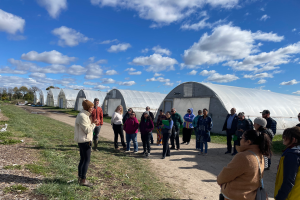
On May 16, a group of students from Michigan State University, including Michigan 4-H Dairy Educator Kendra Van Order, embarked on a ten-day educational experience in South Korea. Joining them was a group of Oklahoma State University students and staff. Part of the Cross Paths Program, the two groups explored the beef and dairy industries in both South Korea and the United States, gaining firsthand insight into agricultural practices, production systems and cultural perspectives. This article highlights one of the South Korean dairy farms visited during the program and provides a glimpse into the country's dairy industry.
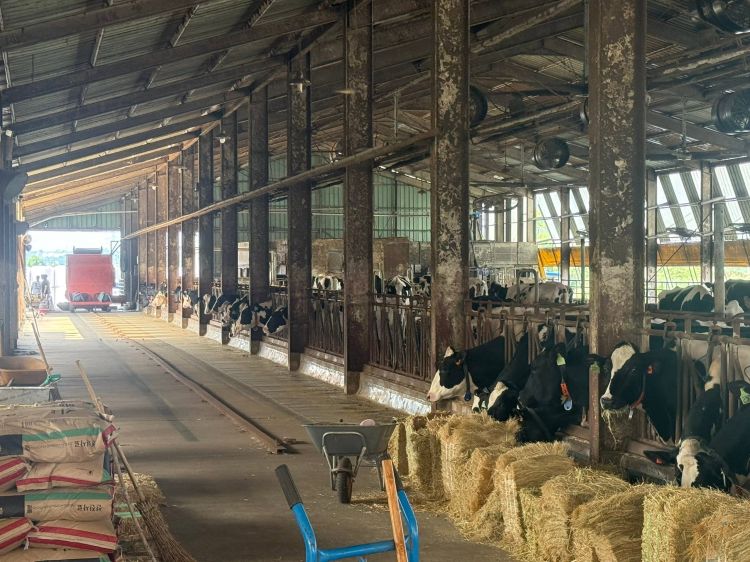
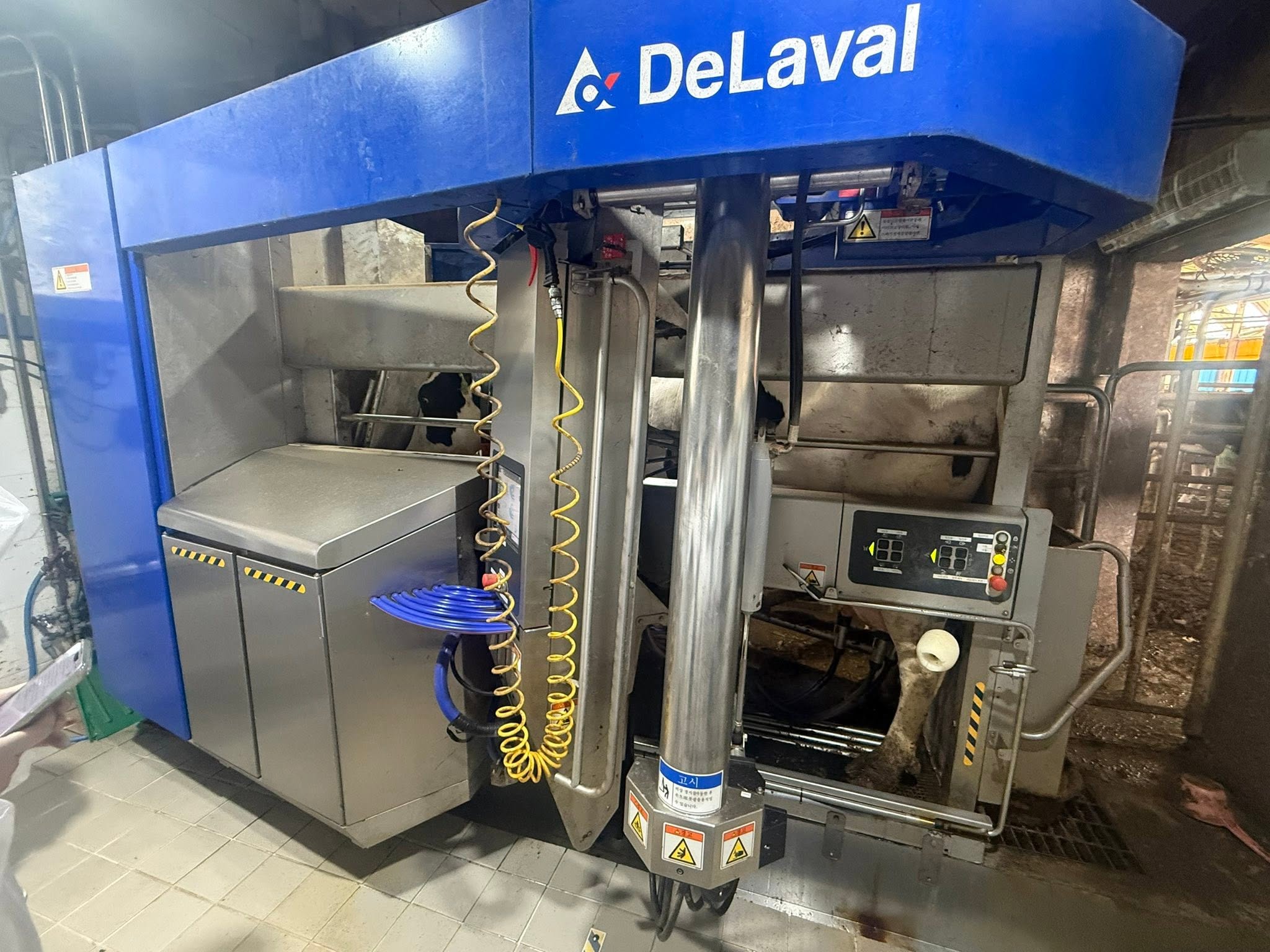
The Youngmin Farm located in Pyeongtaek-si, South Korea, is a family-owned dairy operation that milks 65 Holstein cows using an automated robotic milking system. Each cow is equipped with an electronic identification ear tag that communicates with the robot, allowing the farm to accurately track milk production and individual cow performance. The farm operates year-round and markets its milk through a fluid milk system.
Milk quality is an important component of dairy farm profitability in South Korea. Farms receive premium payments for maintaining somatic cell counts below 200,000 cells per milliliter, while farms exceeding that threshold are subject to penalties. The somatic cell count measures the number of somatic cells (mostly white blood cells) in a milliliter of milk. The dairy visited by the group consistently demonstrated excellent milk quality, maintaining a somatic cell count below 100,000. The herd averaged approximately 70 pounds of milk per cow per day.
One unique aspect of South Korea's dairy industry is its milk pricing structure. Unlike the United States, where milk prices fluctuate based on market conditions, the South Korean government establishes a base milk price, providing farmers with greater price stability. Farm management decisions are closely tied to efficiency and profitability. For example, cows producing fewer than 25 kilograms (55 pounds) of milk per day are typically removed from the herd.
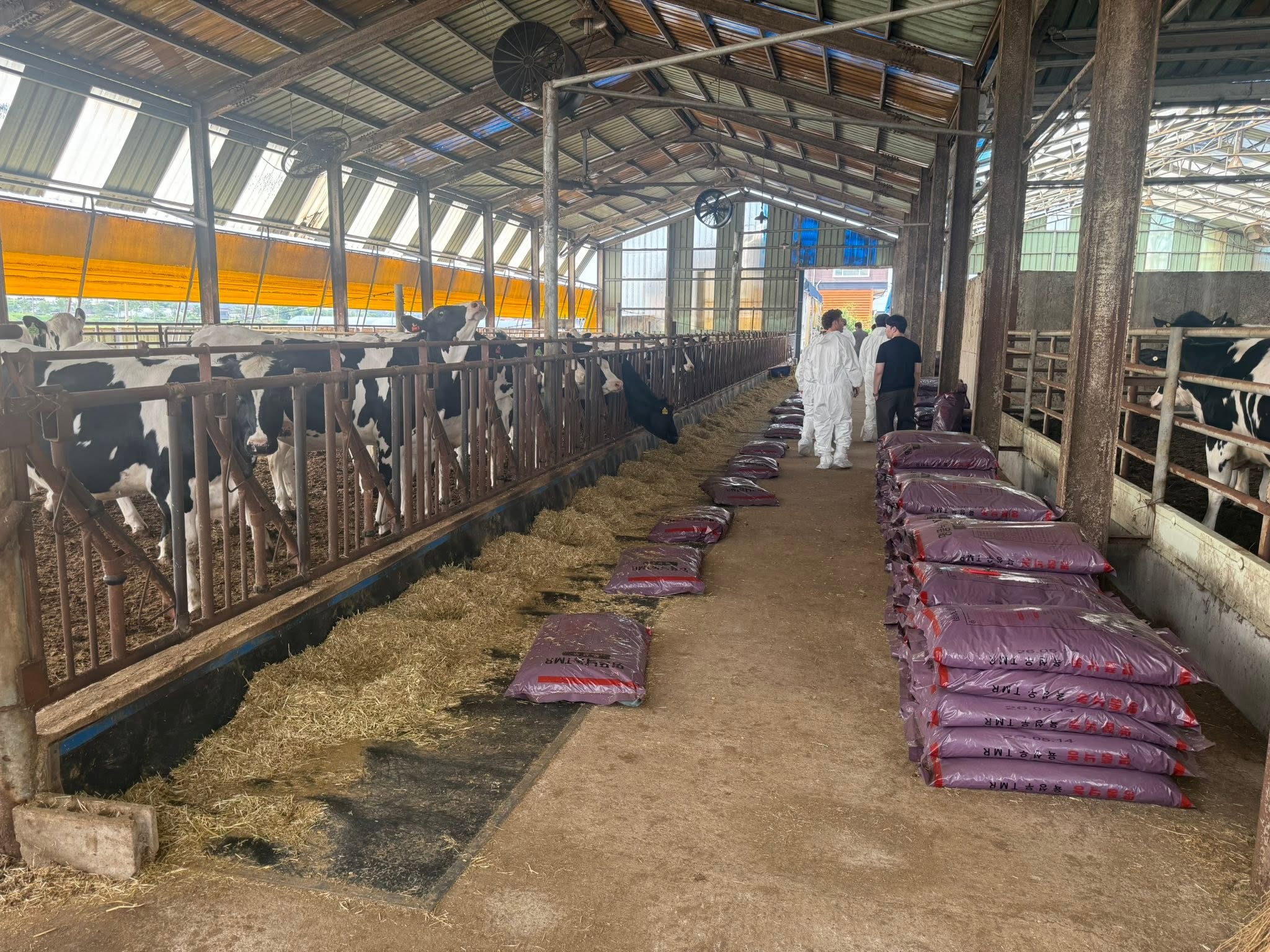
Geography also plays a significant role in shaping South Korean agriculture. With approximately 70% of the country covered by mountainous terrain, available land for crop production is limited. As a result, dairy farms import roughly 95% of their feed ingredients from other countries. The farm's total mixed ration (TMR) consisted primarily of cottonseed, soybeans, dried distillers grains and hay, while oat straw was commonly fed to dry cows.
Reproductive management practices also differed from those commonly seen in the United States. Individuals performing artificial insemination must be certified, ensuring consistency and competency in breeding practices. The farm reported conception rates ranging from 50% to 70%, with lower conception rates occurring during the summer months. The voluntary waiting period was 80 days, and heifers were typically bred between 15 and 16 months of age.
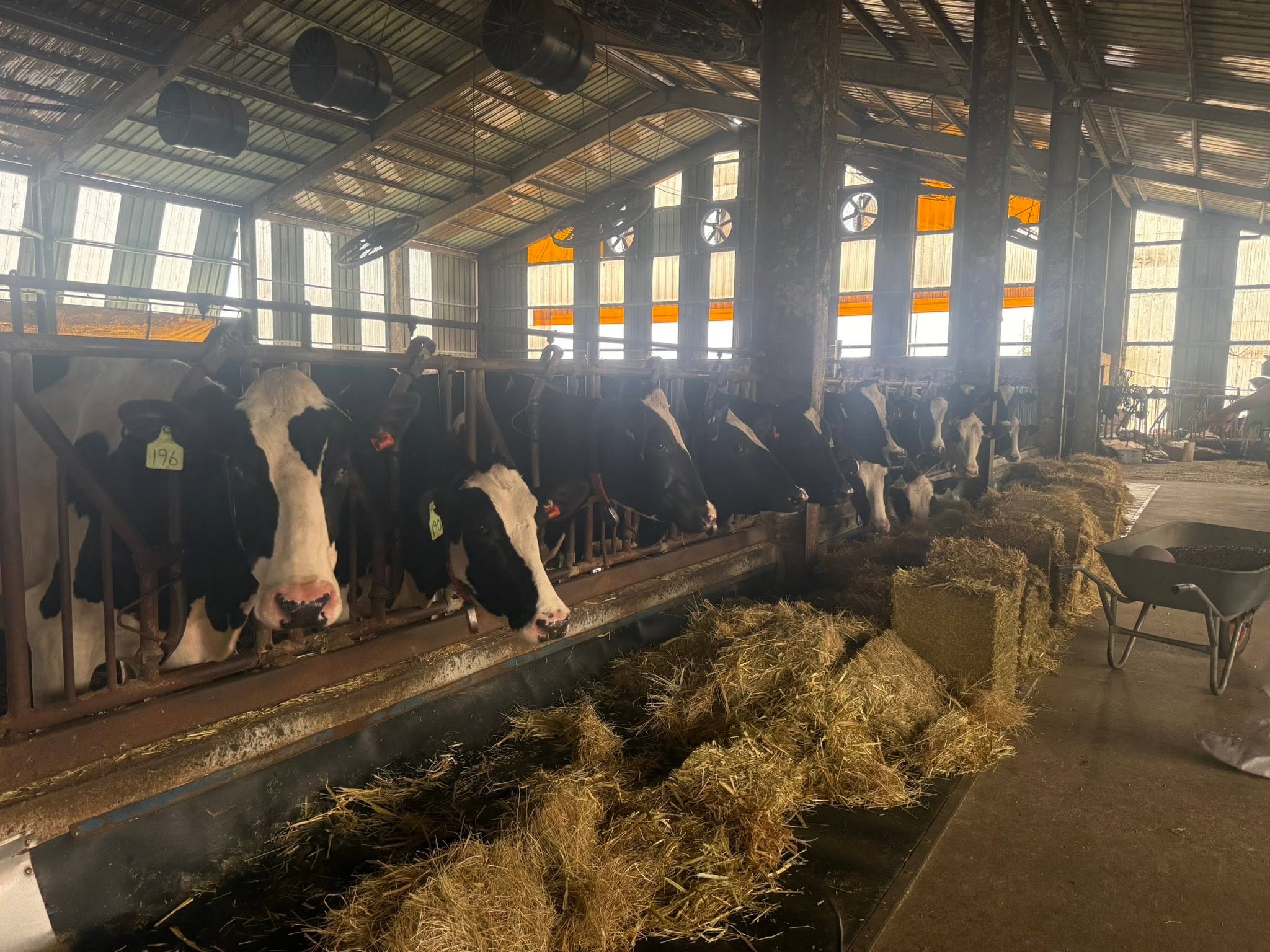
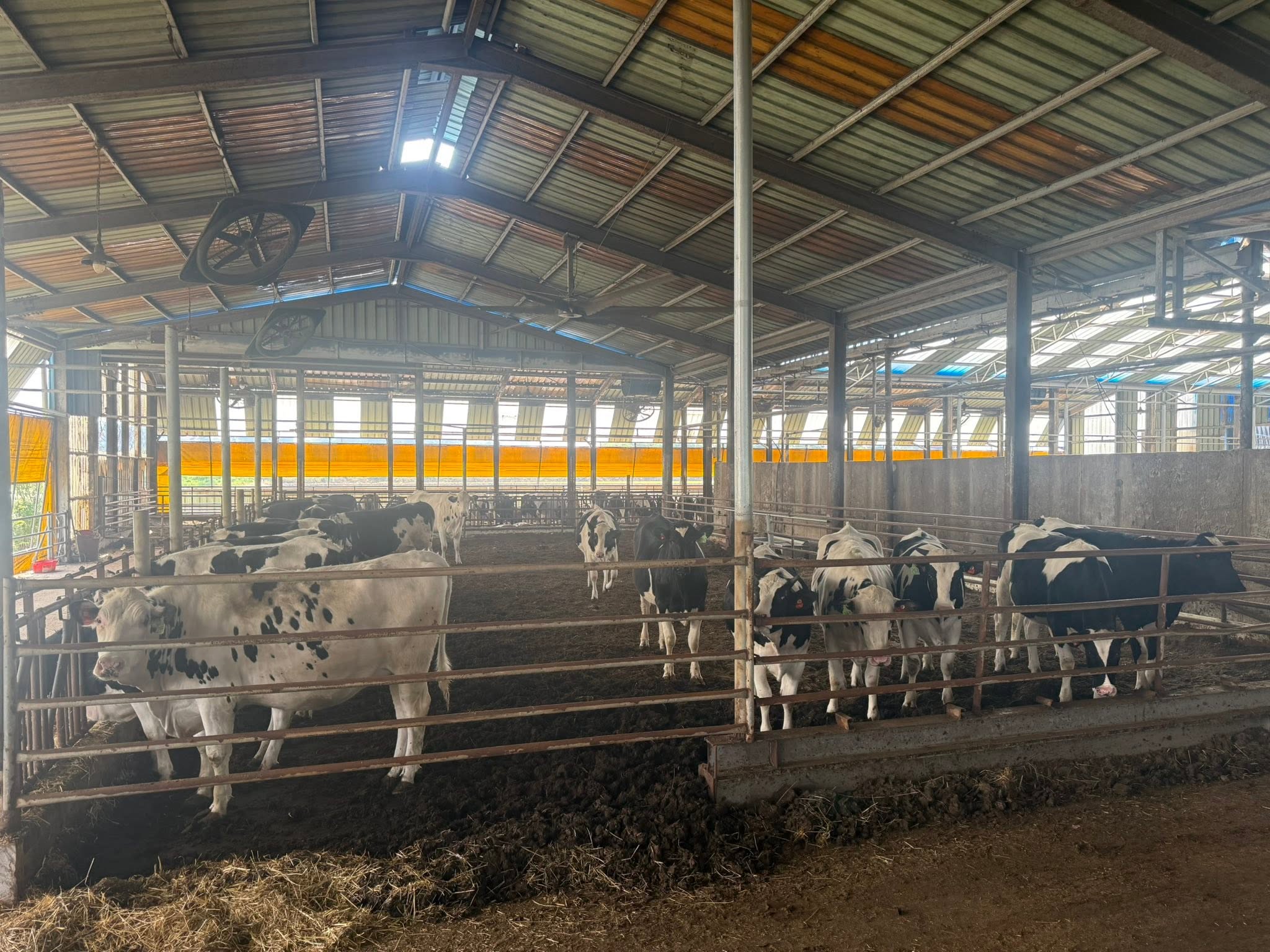
Another notable observation was the smaller frame size of mature Holstein cows compared to those commonly seen in the United States. The farm also incorporated modern calf-rearing technology, including an automatic calf feeder that delivered milk replacer to young calves.
Although the landscapes, languages and production environments differed greatly from those in the United States, many similarities were evident throughout the visit. Dairy producers in both countries share a commitment to animal care, milk quality and continuous improvement. The dedication, attention to detail and pride demonstrated by this family-owned operation reflected the values that unite dairy farmers across the globe. The experience provided students with a deeper understanding of international dairy production and reinforced the importance of global agricultural connections.
For more information about the Michigan 4-H dairy youth program, visit any local Michigan State University Extension office or website.