Exploring otherness through art - Part 2
 Print
Print Email
EmailThrough art, young people have the opportunity to express their identity, learn about other cultures, and build meaningful connections that broaden their horizons.
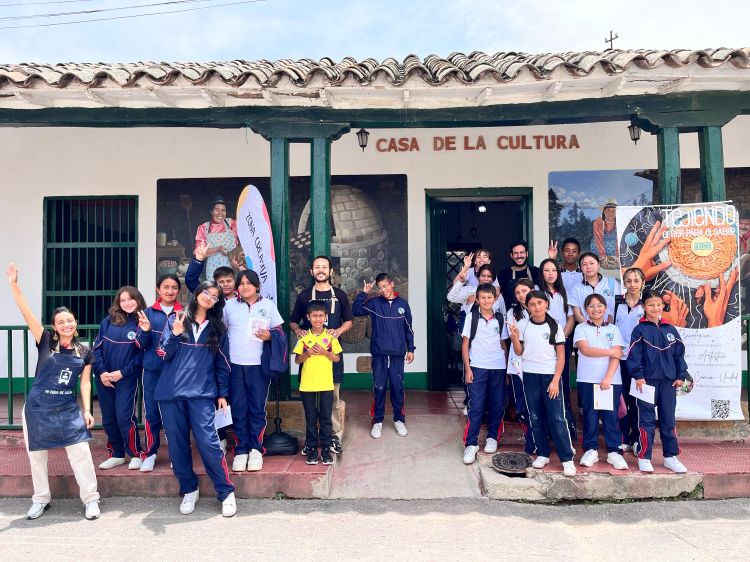
In this second part of the series “Exploring otherness through Art,” the international artistic exchange comes to life from Colombia through the voices of Tejiendo el SER para el SABER, a community-based organization located in Firavitoba, Boyacá. The organization works through social pedagogy, art and emotional care to strengthen the community fabric.
This project was made possible thanks to the leadership and guidance of Adriana Sierra Ramirez, Lina María Pérez Rojas and Nicolás Mayorga Acero, who led the creative process with children and youth through an approach deeply rooted in place, memory and ancestral knowledge. Through this conversation, Tejiendo el SER para el SABER shares their reflections on what it means to weave knowledge in an international context, the intercultural learning that emerged from the exchange with Michigan 4‑H, and the impact of art as a bridge for connection, expression and healing.
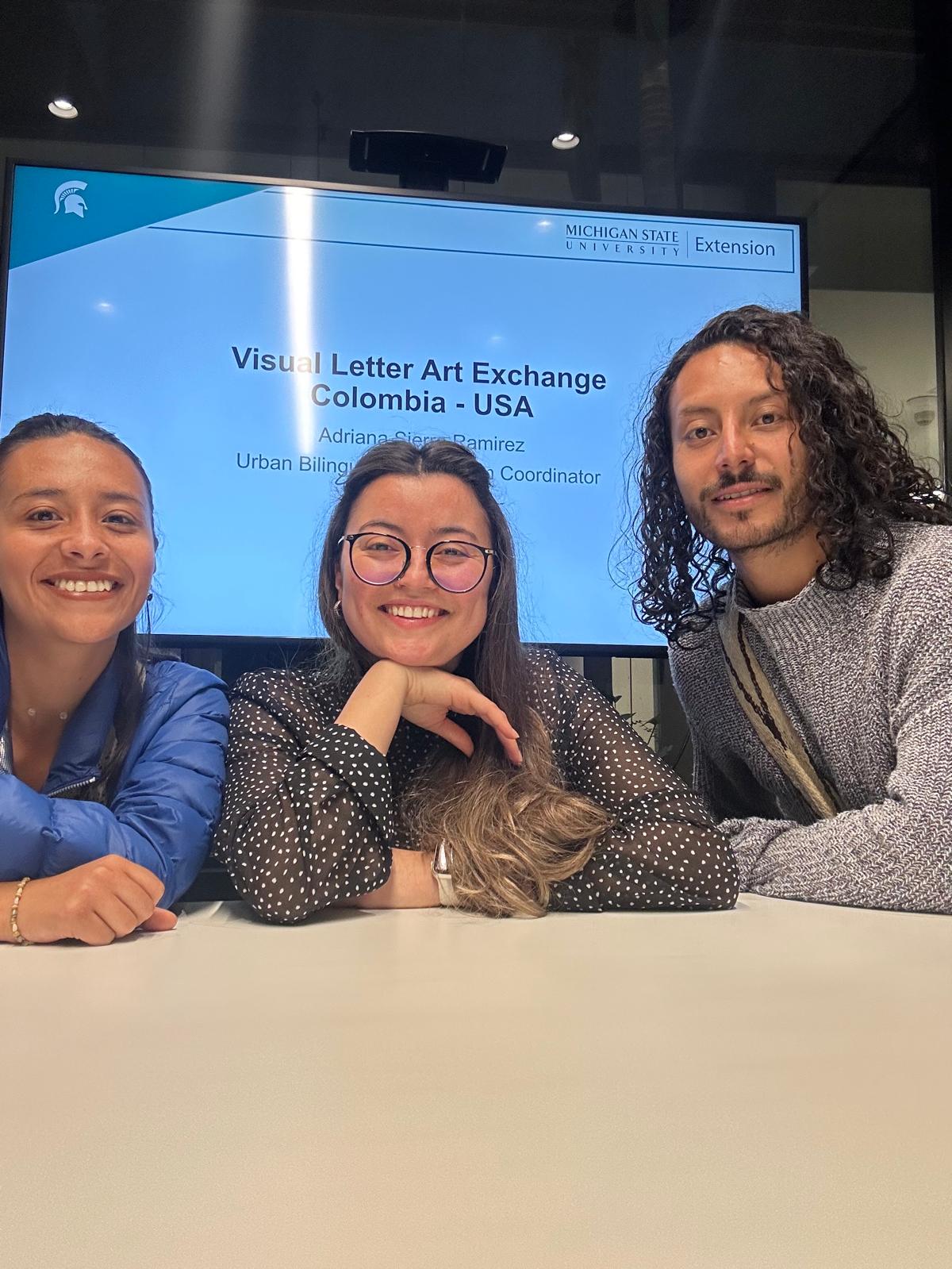
This is what they shared about their experience:
“Weaving knowledge” in an international context
“Weaving knowledge in an international context means recognizing that every person, community and culture contributes a unique thread of knowledge, experiences and traditions. To weave is to intertwine those threads to build a shared fabric that enriches us all.” – Teljiendo el SER para el SABER, 2025
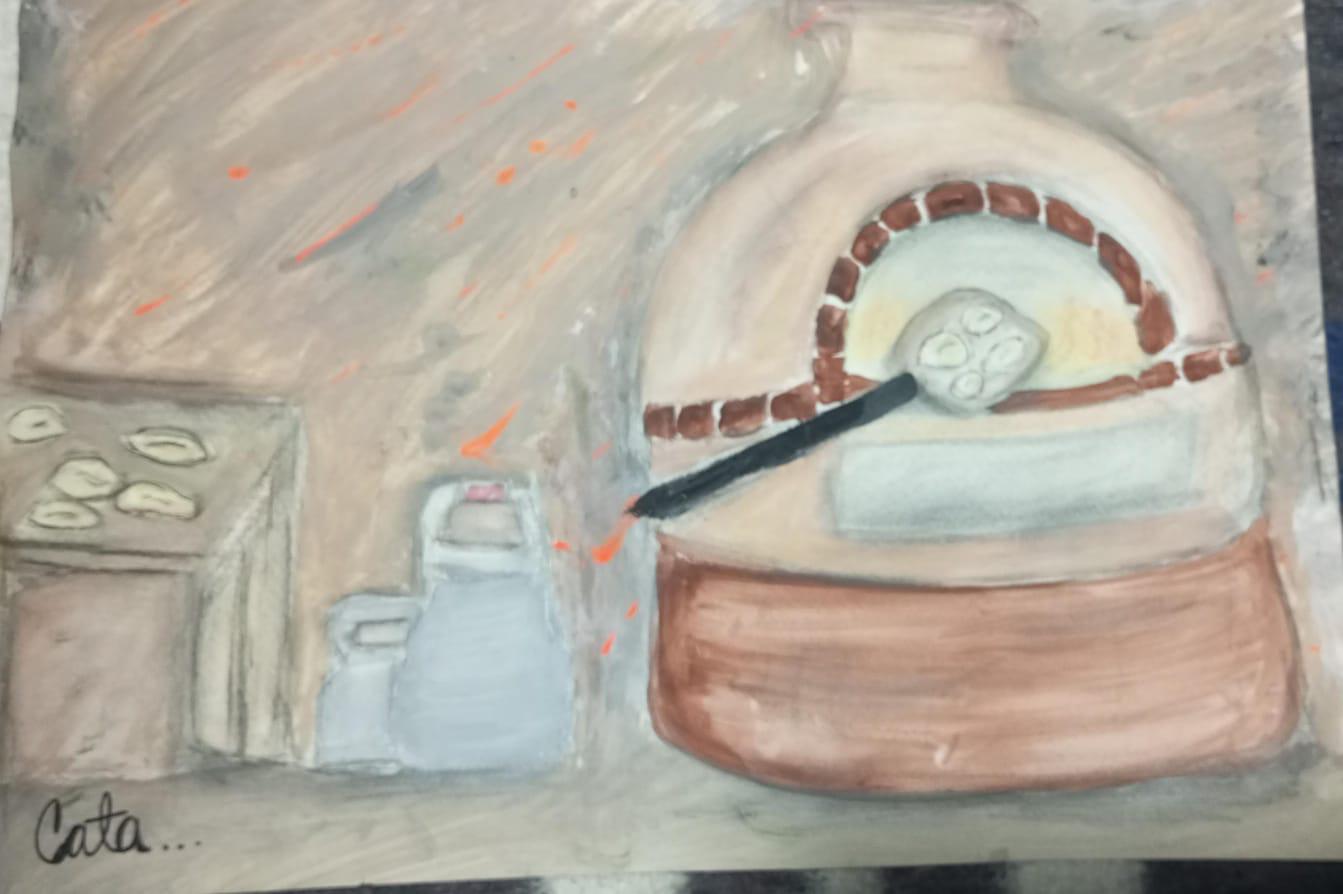
The artistic exchange between Michigan and Colombia allowed children and their families to visualize different opportunities, hear different languages, and, through visual letters, imagine how people live in other parts of the world. This knowledge revitalizes ancestral practices and strengthens Colombian identity, connecting local wisdom with learning that promotes empathy, respect for the land and community awareness.
Intercultural learning
“We learned to listen without imposing and to value diversity as a collective richness.”
– Tejiendo el SER para el SABER, 2025
Each culture has unique ways of relating to knowledge, nature and community. The exchange was not a one‑way process: while sharing local knowledge, each also received global perspectives that redefined their practices. Embarking on a journey toward the “other” inevitably involves looking within—it invites one to know themselves better and become aware of their own identity. The groups strengthened their self‑knowledge while also connecting to what is shared universally.
The intercultural dialogue reaffirmed that there are universal languages—art, music, weaving, respect for life—that connect everyone as human beings.
Art as an expression of identity
“Each artistic practice became an act of living memory, where the knowledge of our grandparents engaged in dialogue with contemporary perspectives.” – Tejiendo el SER para el SABER, 2025
Painting, singing, weaving, sculpture and dance allowed participants to communicate through a universal language without losing the roots that sustain them. It was also an opportunity to show how psychology, emotional management, and therapeutic art serve as pathways to recover knowledge and care for the first territory: the self.
.jpeg?language_id=1)
Impact and unexpected learnings
“Fifteen students in grades nine through eleven were incorporated into a volunteer program, supporting their peers and completing community service hours.” – Tejiendo el SER para el SABER, 2025
One of the most surprising outcomes was how art became a collective mirror, revealing personal stories, family memories and deeply held emotions. People of different ages found common ground and recognized themselves in shared symbols, songs and narratives. Today, children show greater confidence, value their roots and dream of expanding their horizons.
Challenges and solutions
The rural context presented challenges: balancing school with farm work, engaging families, managing resources and training volunteers.
“Each child brought their own story and rhythm, and managing time and the depth of activities was a challenge we overcame through dialogue, active listening, and respect.”
– Tejiendo el SER para el SABER, 2025
These challenges were addressed through partnerships with local businesses, educational institutions, and support from the Mayor’s Office and the Secretary of Government in Colombia.
 (1).jpeg?language_id=1)
Lessons learned and final message
“Beyond borders and languages, children possess a unique sensitivity to express emotions, dreams and worldviews.” – Tejiendo el SER para el SABER, 2025
Art strengthens empathy, creativity and emotional care, and highlights the importance of mental health from an early age.
This project reaffirms that when art emerges from the community, it has the power to open deep dialogues, strengthen identities and connect realities that may seem distant. The shared experience between Colombia and Michigan 4‑H demonstrates that cultural exchange not only broadens horizons, but also plants the seeds of empathy, emotional care and a sense of belonging among children and youth. This initiative reflects MSU Extension’s effort to generate high‑quality program environments while promoting positive youth development.
From Michigan State University Extension, Michigan 4‑H and Chispa 4‑H, we express our sincerest gratitude to Tejiendo el SER para el SABER for their commitment, generosity and leadership throughout this process. Thank you for sharing your knowledge, your time and your heart; for believing in the power of art as a tool for social transformation; and for reminding us that weaving being for knowing is, above all, a collective act of humanity.
MSU Extension and Michigan 4-H Youth Development help to prepare young people for successful futures. As a result of career exploration and workforce preparation activities, thousands of Michigan youth are better equipped to make important decisions about their professional future, and are beyond ready to contribute to the workforce.
Microsoft Copilot was used to support an initial translation from Spanish to English for general understanding. The original article was written in Spanish.