Elgar Concise Encyclopedia of Food Law
 Print
Print Email
EmailCongratulations Bernd van der Meulen et al. on the recent publication of the "Concise Encyclopedia of Food Law."
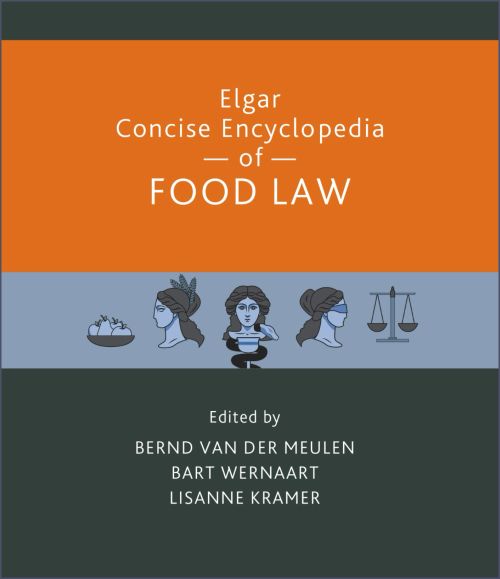
Many friends of MSU's Institute for Food Laws and Regulations contributed to the recently published "Elgar Concise Encyclopedia of Food Law." Purchase a copy at ElgarOnline or your preferred bookseller and then join one of our IFLR courses to learn from these experts in person!
Bernd van der Meulen: Co-editor and contributed entries on food law, sources of food law, food fortification, the E.U. General Food Law, and mythology. Van der Meulen contributes to the IFLR course Food Laws & Regulations in China.
Kris DeAngelo: contributed entries on The Jungle by Upton Sinclair, standards of identity, and the USDA. DeAngelo is IFLR Associate Director and teaches Food Laws and Regulations in Canada, Regulatory Leadership in Food Law, and Beer, Wine, and Spirits Laws and Regulations.
Scott Haskell: contributed the entry on CRISPR and the global food supply. Haskell teaches Global Animal Health, Food Safety, and International Trade, and IFLR’s FSMA courses.
Martin Holle: contributed the entry on nutrition information. Holle teaches Food Laws and Regulations in the European Union.
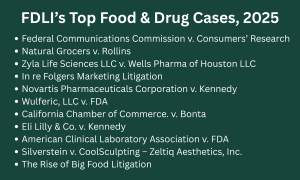
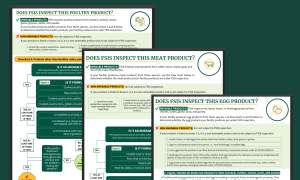
Tommy Tobin: contributed entries on the U.S. FDA, the Food and Drug Law Journal, the U.S. Federal Food, Drug, and Cosmetic Act, and the Food Safety Inspection Service (FSIS). Tobin has contributed to the IFLR course Regulatory Leadership in Food Law.
Click here for a list of IFLR courses and when they are next offered. Read about our certificate program and our Master of Science in Food Regulatory Affairs.
The Institute for Food Laws and Regulations (IFLR) at Michigan State University offers graduate degree and continuing education programs designed specifically for food industry professionals. All courses are delivered 100% online and asynchronously, allowing students to manage their studies alongside work and personal responsibilities. Students have the option to pursue a certificate in U.S. or international food law, or work toward a Master of Science in Food Regulatory Affairs. Some students begin by enrolling in a single course to address a specific challenge in their workplace and choose to continue their studies from there.