Michigan chestnut crop report – June 18, 2026
 Print
Print Email
EmailBlack stem borer activity continues and potato leafhopper has arrived. Growers should be looking ahead to bloom time fungicide applications for brown rot management.
Weather review
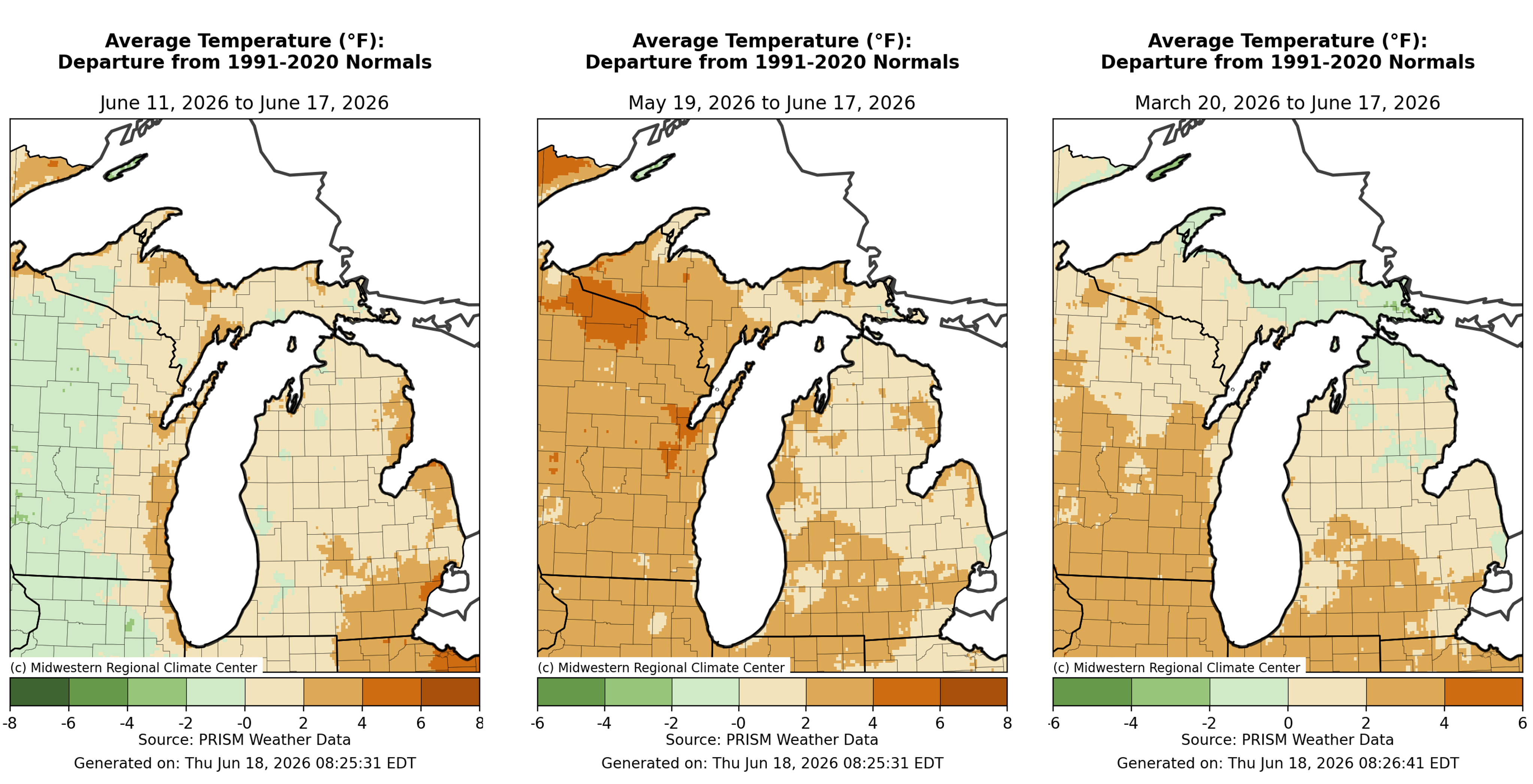
Most areas of Michigan experienced normal temperatures for the last week, month and 90-day period compared to the 30-year average. Growing degree days (GDD) base 50 are still slightly ahead of normal in southern Michigan, although not as far ahead compared to earlier this spring. Growing degree days (50) in the northern Lower and Upper Peninsulas are near normal for this time of year.
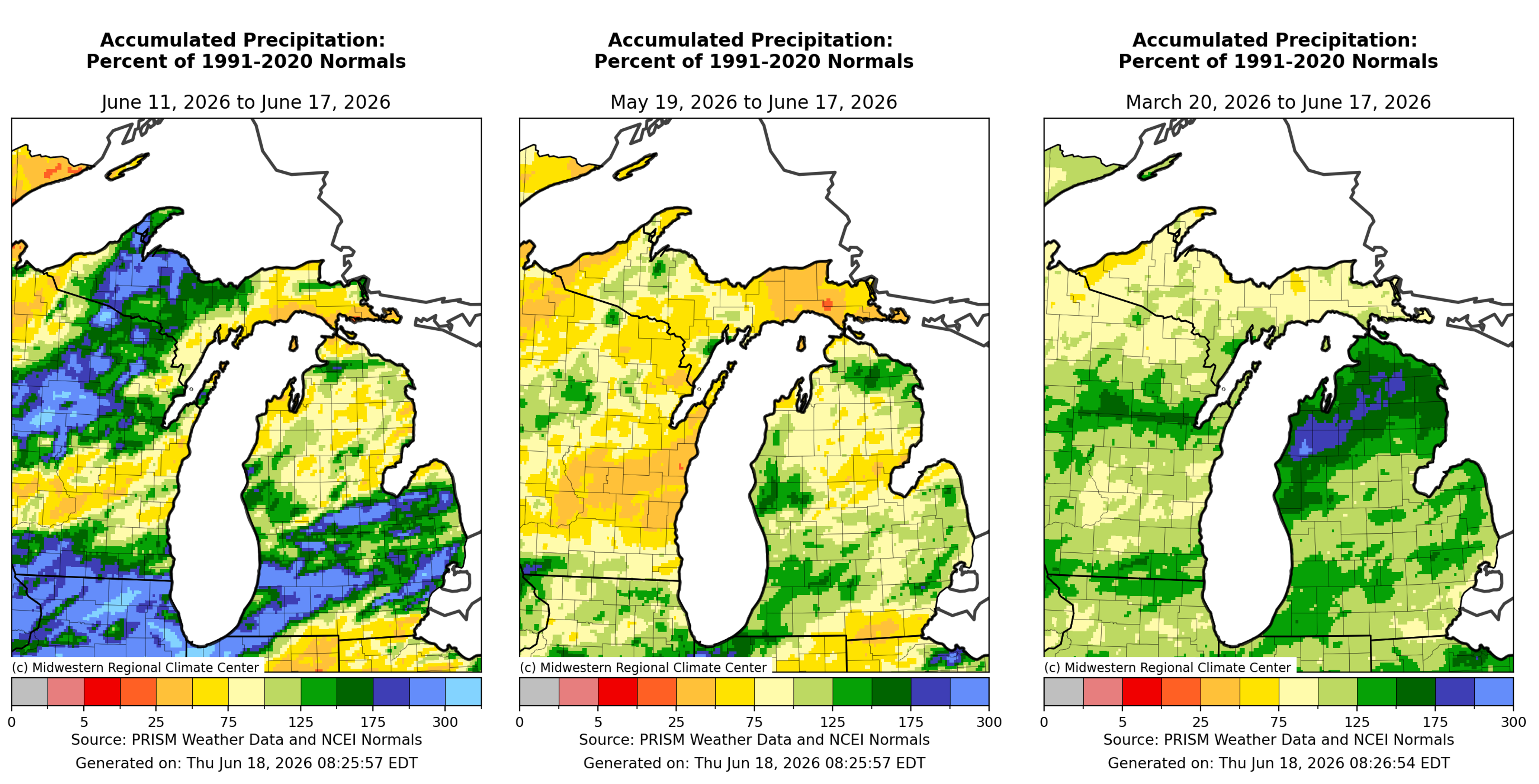
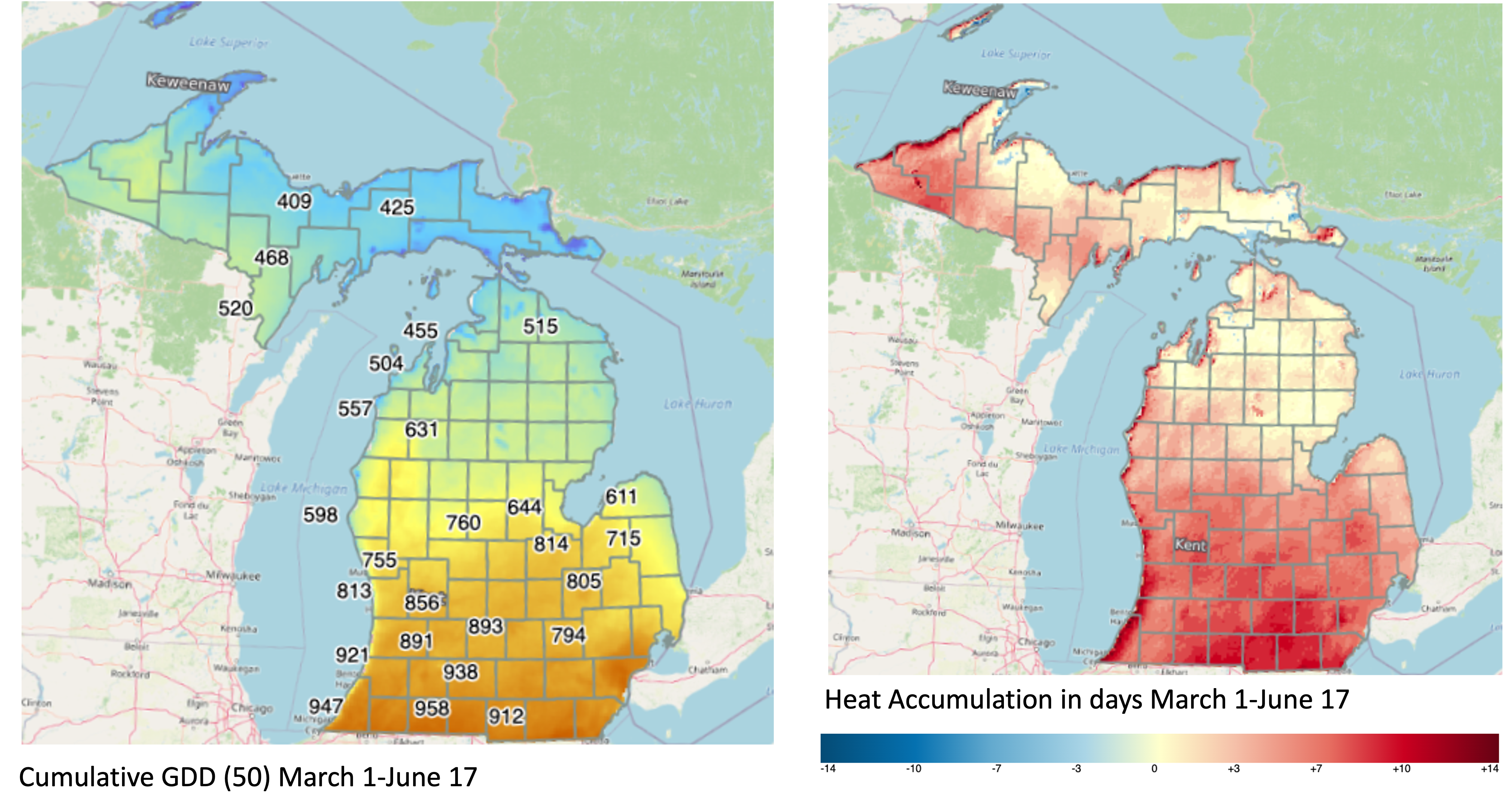
Accumulated precipitation over the last week was normal throughout much of the Lower Peninsula except for a swath from southwest Michigan to the Thumb, which received more rain than normal. Much of this precipitation occurred on June 17, with over 2 inches of rain. Over the last 30 days, precipitation was normal to slightly above normal aside from the eastern Upper Peninsula and southeast Michigan. The 90-day average is still above normal for northern lower Michigan based on the excessive amount of rain received earlier this spring.
Looking ahead
The forecast calls for cooler conditions across the state for the next seven to 10 days. The 6-10 day forecast model is predicting cooler than average temperatures and wetter than normal conditions.
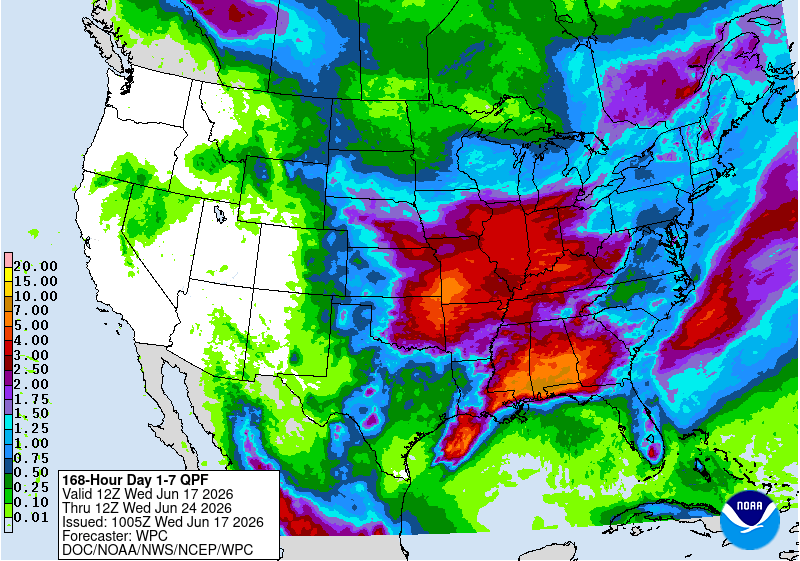
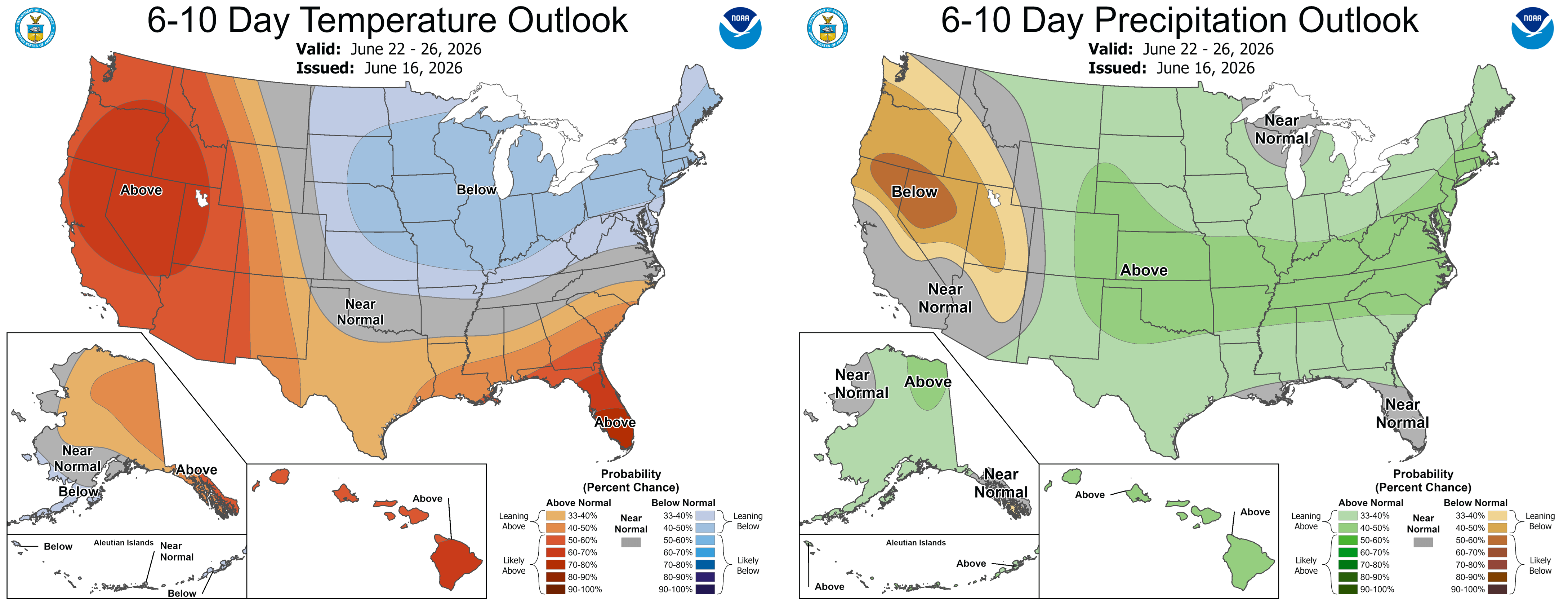
Visit MSU Extension’s Agriculture Weather page for the most recent agricultural weather forecast.
Management activities
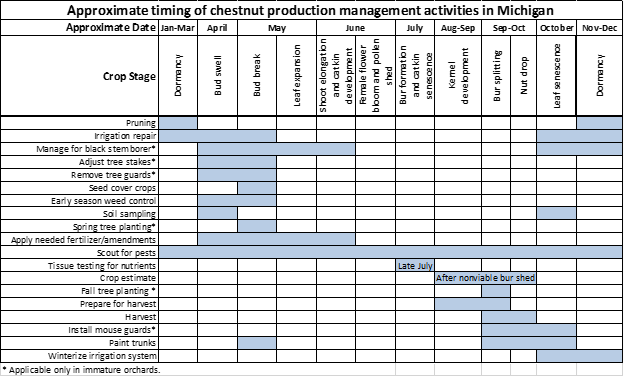
It is a busy time of the year for orchard scouting. This is also a great time of the year to collect soil test samples and paint trunks to reduce southwest disease.
Fertility
Most growers using granular fertilizers are planning to apply them soon. For nutrient management considerations, please reference the Michigan Chestnut Management Guide or the Nutrient Management section of the MSU Extension Chestnuts website. To receive nutrient management recommendations from MSU, pick up a commercial test at your local MSU Extension office.
Insect pests
Black stem borer
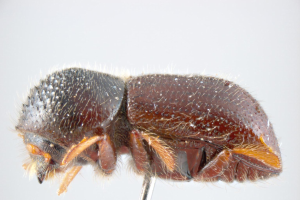
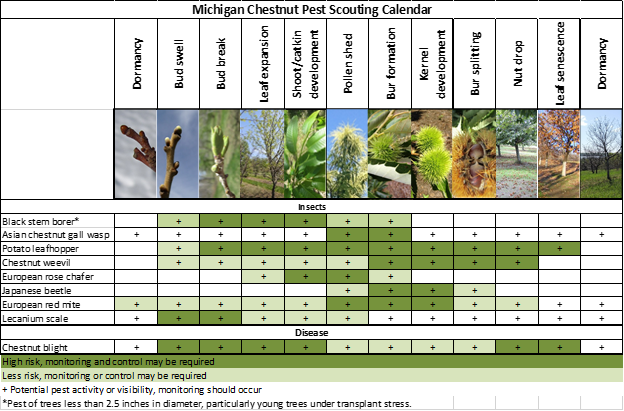
Continue to trap for black stem borer adults and spray trunks to protect young trees. Black stem borer will infest and damage a wide variety of woody plant species, including chestnuts. Black stem borers are attracted to small trees with less than a 4-inch trunk diameter and stressed trees that produce ethanol. Female borers create tunnels in trunks to lay their eggs. These tunnels damage the tree’s ability to translocate water and nutrients. Growers have reported observations of infestations in trees larger than 4 inches. Infestation of larger trees may be an indication of tree stress from a harsh winter or other pest issues.
Overwintering adults become active in late April or early May after one or two consecutive days of 68 F or higher, often coinciding with blooming forsythia. While emergence peaks in late May and early June, it can continue into late July. Use a simple ethanol baited trap to monitor for activity starting in mid-April. Traps should be placed near wooded areas adjacent to the orchard and at a height of 1.6 feet. Hand sanitizer is an easy and accessible bait but should be refreshed every few days. Traps can consist of just a pop bottle (or similar container) with around a 0.5-1 cup of hand sanitizer.
Growers with small, vulnerable trees and positive trap catches or a history of damage will need to apply a trunk spray to prevent damage. Insecticide treatments target female borer flight in spring and early summer, before they colonize trees. Young trees near the perimeter of orchards, especially near woodlots, are at greatest risk of injury. Because they are so tiny, it is impossible to visually scout for adults to determine the optimum time to apply an insecticide, so trapping as described above is recommended to detect adult activity and apply treatment.
Pyrethroid insecticides applied as trunk sprays have shown the most promise in reducing the number of new infestations within a season. For a list of registered pyrethroids for use in Michigan chestnuts, refer to the Michigan Chestnut Management Guide.
When trees are dormant, remove and burn any damaged dead or dying trees. It is also important to make sure all large pruning debris and brush piles are either burned, or chipped and composted as they may harbor overwintering adults and contribute to future infestations. For more information on black stem borer, refer to the Michigan State University Extension bulletin, “Managing Ambrosia Beetles in Apple.”
Potato leafhopper
Potato leafhopper numbers are modest in most areas. Like many plants, chestnuts are sensitive to the saliva of potato leafhopper, which is injected by the insect while feeding. Damage to leaf tissue can cause reduced photosynthesis which can impact production and quality and damage the tree. Most injury occurs on new tissue on shoot terminals with potato leafhopper feeding near the edges of the leaves using piercing-sucking mouthparts. Symptoms of feeding appear as whitish dots arranged in triangular shapes near the edges. Heavily damaged leaves are cupped with brown and yellowed edges and eventually drop from the tree. Severely infested shoots produce small, bunched leaves with reduced photosynthetic capacity.
Adult leafhoppers are pale to bright green and about 1/8 inch long. Adults are easily noticeable, jumping, flying, or running when agitated. The nymphs (immature leafhoppers) are pale green and have no wings but are very similar in form to adults. The potato leafhopper can’t survive Michigan’s winter and survives in the Gulf States until adults migrate north in the spring on storm systems.
Scouting for potato leafhopper should be performed weekly as soon as leaf tissue is present to ensure early detection. More frequent spot checks should be done following rainstorms which carry the first populations north. For every acre of orchard, select five trees to examine and inspect the leaves on 3 shoots per tree (15 shoots per acre). The easiest way to observe potato leafhopper is by flipping the shoots or leaves over and looking for adults and nymphs on the underside of leaves. Pay special attention to succulent new leaves at the end of branches. For more information on insecticides available for the treatment of potato leafhopper refer to the Michigan Chestnut Management Guide.
Mites
Be on the lookout for European red mites. European red mites overwinter as eggs in bark crevices and bud scales and are the most commonly observed species in Michigan chestnut orchards. Eggs are small spheres, about the size of the head of a pin with a single stipe or hair that protrudes from the top (this is not always visible). Eggs can be viewed with a hand lens or the naked eye once you have established what you are looking for.
Scout for overwintering eggs and early nymph activity in the spring to assess population levels in the coming season. As temperatures warm, overwintering eggs hatch and nymphs move onto the emerging leaves and start feeding. Adult European red mites are red and have hairs that give them a spikey appearance. Adult and nymph feeding occurs primarily on the upper surface of the leaves. This first generation is the slowest of the season and typically takes a full three weeks to develop and reproduce. This slow development is due to the direct link between temperature and mite development. Summer generations, favored by the hot and dry weather, can complete their life cycles much faster with as little as 10 days between generations under ideal conditions.
While scouting, remember that not all mites are bad. Consider documenting the levels of predacious mites in your orchard. If healthy populations of mite predators exist, they will continue to feed on plant parasitic eggs and nymphs and can be an effective component of your mite management program. Predaceous mites are smaller than adult European red mite and twospotted spider mite, but they can be seen with a hand lens and typically move very quickly across leaf surfaces.
Mite control starts with monitoring early in the spring looking for the overwintering eggs (European red mite) and assessing the mite pressure. Ideally, use limited insecticides with miticidal activity in your season long programs as that protects beneficial mite populations which help minimize pest mites. If pest mite populations are high enough to require control, superior oil application when the trees are dormant is an effective method of treatment. If issues with mites arise during the growing season, refer to the Michigan Chestnut Management Guide for control options.
Asian chestnut gall wasp
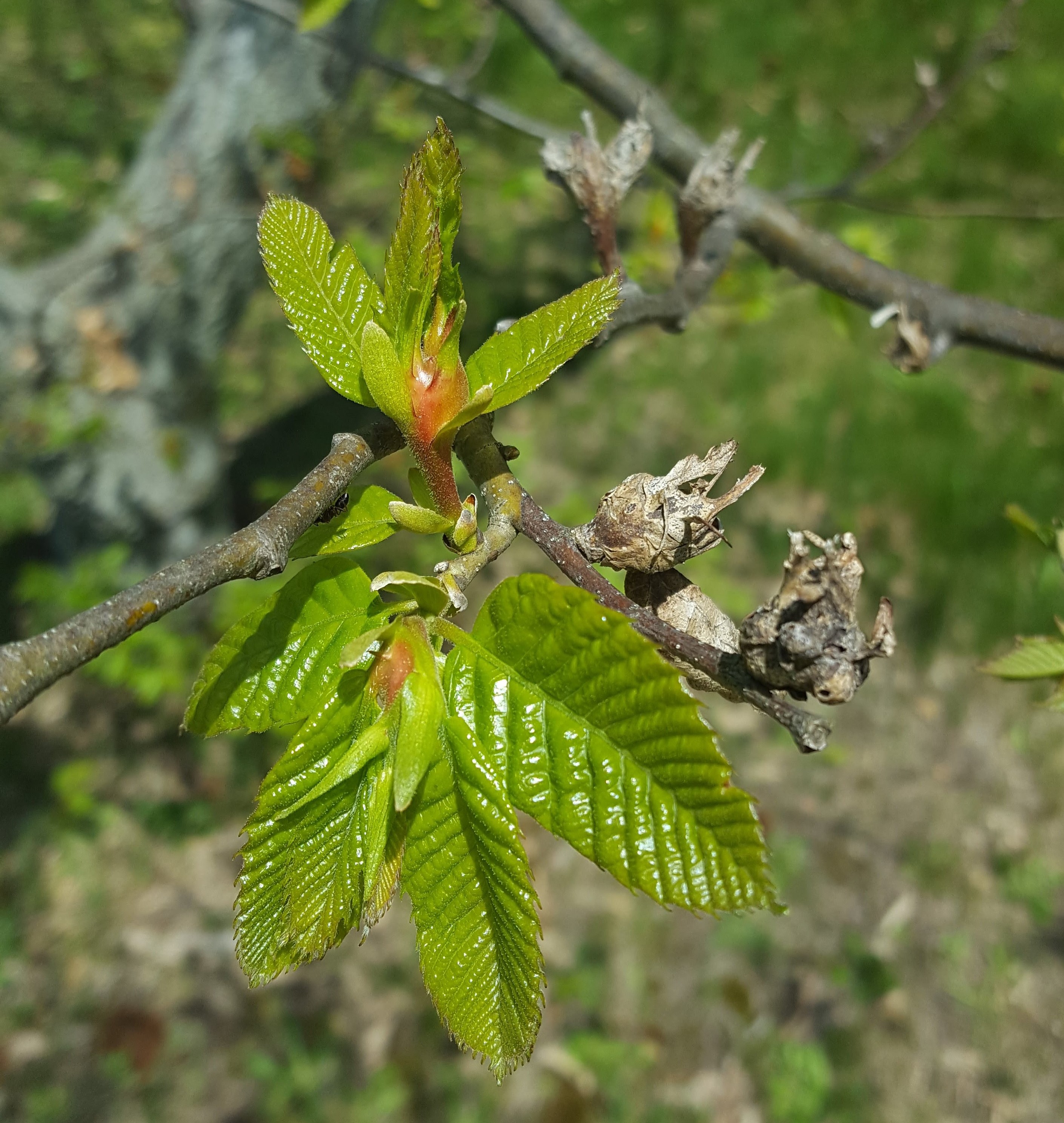
Growers with Asian chestnut gall wasp populations in the orchard and those adjacent to known infestations should start scouting as they approach 1,050 DD50. The southern counties of Michigan are close to 1,000 DD50 now. Effective pest management starts with active scouting. Chestnut growers in counties west of Highway 127, especially areas south of I-96 in lower Michigan, should be scouting their trees for evidence of the ACGW during the growing season and again in fall or winter, after leaf drop.
In late spring and summer, green or reddish galls can be observed on branches or leaves. In fall and winter, look for dried, brown galls on the shoots. Many old galls remain on the tree through winter and are more visible after leaves drop in fall. These old galls can remain attached to the trees for at least one or two years after the wasps have emerged.
The Asian chestnut gall wasp produces one generation per year and is a parthenogenetic species, meaning that all wasps are female and reproduction occurs asexually. Thus, even a single wasp can start a new infestation. Gall wasp adults are very small, about 1/8 inch (3 mm) long, and have black bodies with yellow legs. Adult wasps lay eggs inside chestnut buds over a four- to six-week period, typically from the last week of June to the second week in August in southwest Michigan. This period corresponds to approximately 1,050 to 2,100 cumulative growing degree days1 (GDD), using a threshold temperature of 50º F (GDD50F) and a starting date of January 1. Eggs hatch after about 40 days. The tiny larvae, which cannot be seen without magnification, remain dormant in the buds throughout the winter until the following spring.
Growers with young trees should carefully monitor for ACGW adult flight and consider applying a pyrethroid insecticide for control. Young trees are particularly susceptible to severe damage by ACGW due to the limited number of buds and the need to establish tree structure during the first years of establishment. Growers can hang yellow sticky traps in mid-late June in the canopy to passively trap for adult flight and better time pesticide applications. Growers with mature trees should monitor the impact of ACGW on yield and tree health and make management decisions accordingly. For more information, check out the Asian Chestnut Gall Wasp bulletin.
Rose chafer
Rose chafers are considered a generalist pest and affect many crops, particularly those found on or near sandy soils or grassy areas. The adult beetles feed heavily on foliage and blossom parts of numerous horticultural crops in Michigan and can cause significant damage to chestnut orchards.
The rose chafer is a light tan beetle with a darker brown head and long legs and is about 12 mm long. There is one generation per year. Adults emerge from the ground during late May or June and live for three to four weeks. Females lay groups of eggs just below the surface in grassy areas of sandy, well-drained soils. The larvae (grubs) spend the winter underground, move up in the soil to feed on grass roots and then pupate in the spring. A few weeks later, they emerge from the soil and disperse by flight. Male beetles are attracted to females and congregate on plants to mate and feed.
Rose chafers can be particularly damaging on young trees with limited leaf area. Rose chafers are often found in mating pairs and fly during daylight hours. Visual observation while walking a transect is the best method for locating them. Because of their aggregating behavior, they tend to be found in larger groups and are typically relatively easy to spot.
There are no established treatment thresholds or data on how much feeding damage a healthy chestnut tree can sustain, but growers should consider that well-established and vigorous orchards will likely not require control. Young orchards with limited leaf area will need to be managed more aggressively. For more information on insecticides available for the treatment of rose chafer refer to the Michigan Chestnut Management Guide.
Diseases
Brown rot
Growers should be preparing to make their first bloom-time application for brown rot management. Chestnut rots pose a serious threat to the global production of edible chestnuts, significantly affecting their quality and marketability. In Michigan, various pathogens contribute to nut rots, but in recent years brown rot, caused by the fungus Gnomoniopsis smithogilvyi, has become the leading cause of nut decay. G. smithogilvyi was first detected in Michigan in 2016. In a 2017 survey of orchards, 80% tested positive for the pathogen. Since that time, the incidence of brown rot has steadily increased with as much as 9% of the chestnuts processed by the largest cooperative in Michigan showing symptoms of brown rot at harvest. The disease is characterized by a gradual browning of the kernel that develops in the field or after harvest.
As the prevalence of this disease has increased around the world, researchers have been studying its life cycle and disease cycle to understand how and when the pathogen infects chestnuts. There are two types of infections in the disease cycle. The primary infection is caused by sexual spores that overwinter protected by a reproductive structure on dead plant material on the orchard floor. In spring and summer, these sexual spores are released from the understory and create secondary infections that develop asexual spores which are spread by rain splash, wind and insects and cause new infections in a repeating cycle during the growing season. In the fall, cool temperatures again trigger the development of overwintering spores, which then persist into the following growing season and start the cycle all over again.
The spores from the secondary infection cycle can infect flowers, leaves and branches. It is also important to note that the fungus can exist as an endophyte, not causing disease or symptoms—simply surviving on plant parts and debris. However, these endophytic populations become pathogenic when optimal conditions and opportunities for infection occur. When conducive temperature, rainfall and humidity levels coincide with female flower bloom, spores can move to and germinate on female flower parts, entering the plant through the flower and establishing infection in the developing nut embryo.
New research out of Michigan State University has provided insight into chestnut brown rot management. Growers planning to manage brown rot this season should carefully review the article "Chestnut brown rot management in the field" in preparation for two bloom-time preventative fungicide applications. Growers can also review the June 4 Chestnut Chat brown rot presentation by Tim Miles, PhD.
Inspire Super (active ingredients difenoconazole and cyprodinil) and Tilt (active ingredient propiconazole) were the most effective at suppressing brown rot in the field trials. Bacillus subtilis fungicides and zinc or potassium phosphonate also significantly reduced disease levels. Despite phosphorus acid products showing lower fungicidal activity in the lab trials, they performed well in the field. This disparity between lab and field efficacy is likely because phosphorus acids work as defense inducers, which improve tree health and resistance to biotic factors and invitro trials were performed on petri plate colonies that don’t have the ability to replicate the chestnut tree’s response to the product. Because of the risk of resistance development, rotate each application between one of the conventional fungicides (Inspire Super or Tilt) and one of the foliar nutrients (potassium or zinc phosphonate).
In addition to fungicide applications, keep trees properly pruned and fertilized to reduce brown rot infection. Orchard floor sanitation, specifically the removal and proper disposal of plant debris (hot compost, bury or burn) is important to limiting overwintering spores and disease pressure in subsequent years. During harvest, nuts should be collected as soon as possible to limit soil contact. Nuts should be transported to the processing plant and cooled as soon as possible to slow the development of any latent infections. Processors should limit the amount of humidity and water utilized during processing and storage to minimize disease development.
Oak wilt
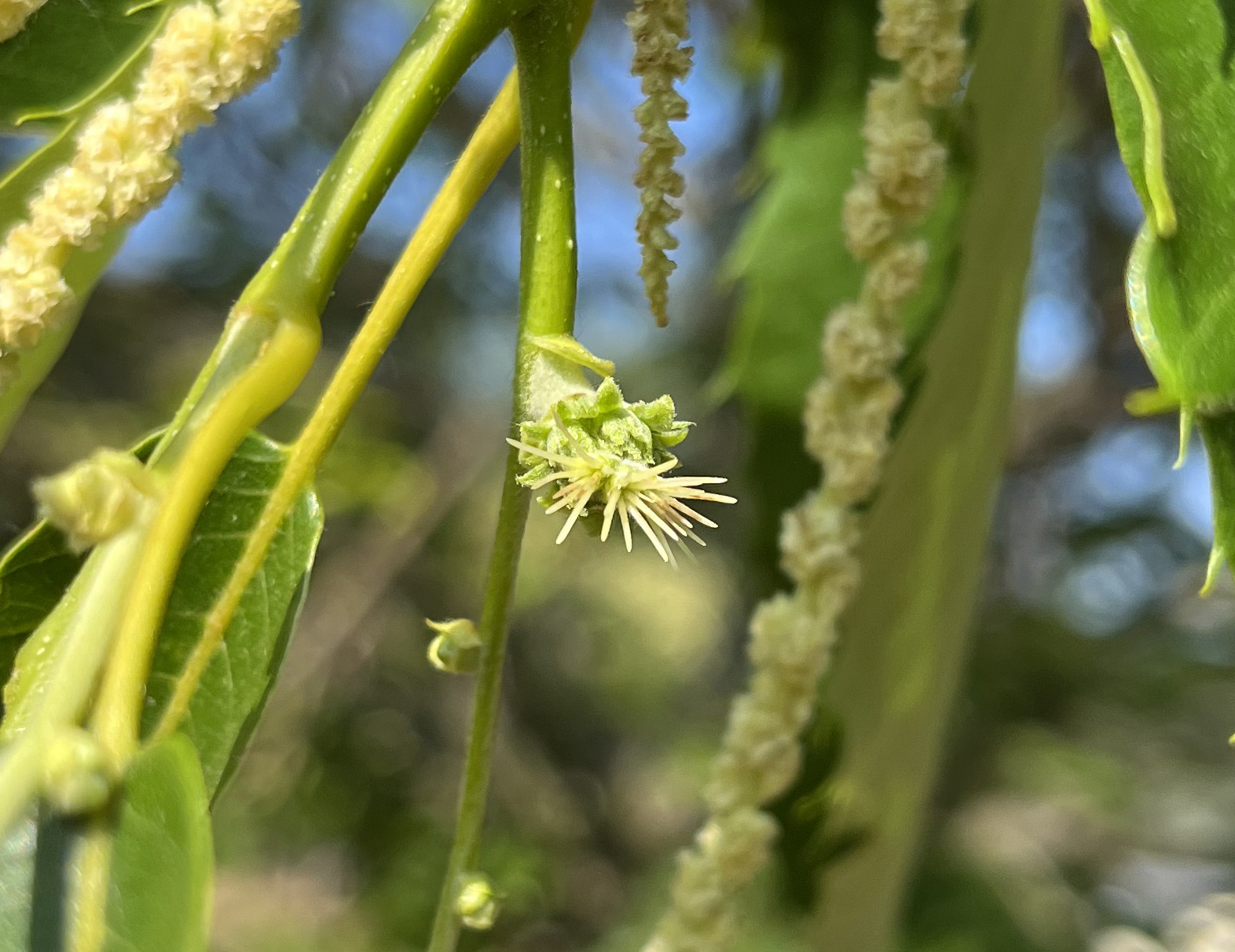
Chestnut trees with oak wilt infection may start showing symptoms at this time of the year. Oak wilt primarily affects trees in the red oak group (Lobatae). Red oaks typically die within a year of infection. White oaks can be infected but generally do not succumb to the disease. Both oaks and chestnut are members of the family Fagaceae, so it is perhaps not surprising that oak wilt can infect chestnut trees. The following disease cycle is based on research with oaks but may shed some light on the behavior of oak wilt in chestnut.
Oak wilt can spread overland by beetles or underground via root grafting. Overland spread occurs when tiny sap beetles, also known as picnic beetles pick up viable fungal spores from an oak that has recently died from oak wilt, then feed on sap oozing from a wound on a live oak. The wound must be deep enough to penetrate the sapwood.
When beetles move from a tree infected with oak wilt to a wound on a healthy tree, the spores can establish a new infection. The fungus grows into and eventually plugs up the xylem cells (sapwood) the tree uses to transport water. This causes the tree to wilt and die. Oaks infected in the spring can die within a few weeks. Trees infected in the fall may not die until the following year.
Beetles are most likely to be carrying spores in late spring and early summer. Therefore, activities that may wound trees, including pruning, should be avoided from April 15 through July 15 to reduce the risk of overland transmission and new oak wilt infections. Unavoidable or accidental wounds from storms or lawn equipment should be painted with a pruning sealer or latex paint as soon as possible.
Once a tree is infected, below ground transmission of oak wilt from tree-to-tree can occur via root grafting between infected oaks and adjacent healthy trees. Root grafting, a natural phenomenon, occurs when adjacent or nearby trees of the same species form physical connections between their roots, allowing the trees to exchange water, carbon and nutrients. A tree killed by oak wilt can become the center of a disease outbreak, resulting in expanding pockets of dead and dying trees. When oak wilt is detected, management can involve disrupting the connected roots. This can be achieved by excavating deep trenches and removing infected oaks plus a buffer of healthy oaks to curtail disease spread.
Once oak trees are infected with oak wilt, they cannot be saved. Managing an outbreak early and effectively as described above can prevent additional oaks from becoming infected and dying.
Scout for oak wilt within chestnut orchards and adjacent oak stands. Look for dead or declining trees. For reference, refer to the Michigan Department of Natural Resources (MIDNR) interactive map highlighting locations where oak wilt has been confirmed in Michigan. This map only shows detections officially reported to the MIDNR and is not a complete listing of all oak wilt locations.
An infected tree is often first noticed when leaves take on a wilted, light green appearance during the summer before progressing to yellow and brown and dropping prematurely. The presence of dark streaking under the bark on branches and between the cambium and bark on trunk cross sections are common symptoms of oak wilt. However, the only way oak wilt can be confirmed is either through observation of a mycelial mat forming under the bark or from laboratory testing in a diagnostic lab.
To date, mycelial mats have only been found on oak trees. Whether they will form on chestnut trees is not yet known. If you suspect oak wilt is affecting your chestnut tree, send a sample to MSU Plant and Pest Diagnostics.
For more information on oak wilt and chestnuts, review the article, "MSU investigating oak wilt as the cause of sudden chestnut tree decline."
Blight
Existing chestnut blight infections (caused by Cryphonectria parasitica) can be observed at this time. There are no commercially available treatments for chestnut blight. You can prune out infected branches or cull whole trees as needed to limit disease pressure. Infested material should be burned or buried to further limit inoculum spread. To learn more about chestnut blight, visit the pest management section of the chestnut webpage.
Stay connected
For more information on chestnut production from Michigan State University Extension, sign up for the Fruit & Nuts MSU Extension Newsletter, attend the MSU Chestnut Growers Chat Series and visit the MSU Extension Chestnuts website.
If you are unsure of what is causing symptoms in your field, submit a sample to MSU Plant and Pest Diagnostics. Visit the webpage for specific information about how to collect, package, ship and take pictures of plant samples for diagnosis. If you have any doubt about what or how to collect a good sample, please contact the lab at 517-432-0988 or pestid@msu.edu.
Become a licensed pesticide applicator
All growers using pesticides can benefit from getting a pesticide applicator license, even if not legally required. Understanding pesticides and the associated regulations can help you protect yourself, others and the environment. Michigan pesticide applicator licenses are administered by the Michigan Department of Agriculture and Rural Development. You can read all about the process by visiting the Pesticide FAQ webpage. Michigan State University offers a number of resources to assist people pursuing their license, including an online study/continuing education course and study manuals.
This work is supported by the Crop Protection and Pest Management Program [grant no 2024-70006-43569] from the USDA National Institute of Food and Agriculture. Any opinions, findings, conclusions, or recommendations expressed in this publication are those of the author(s) and do not necessarily reflect the view of the U.S. Department of Agriculture.