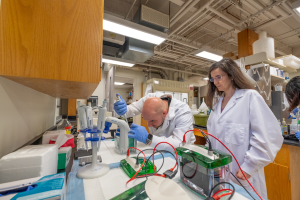
MSU’s new dairy facility sets the stage for student success
 Print
Print Email
EmailWhen MSU opened the new dairy facility this summer, it wasn’t just unveiling a modern barn. It marked the start of a new era in agricultural education, research and workforce development.
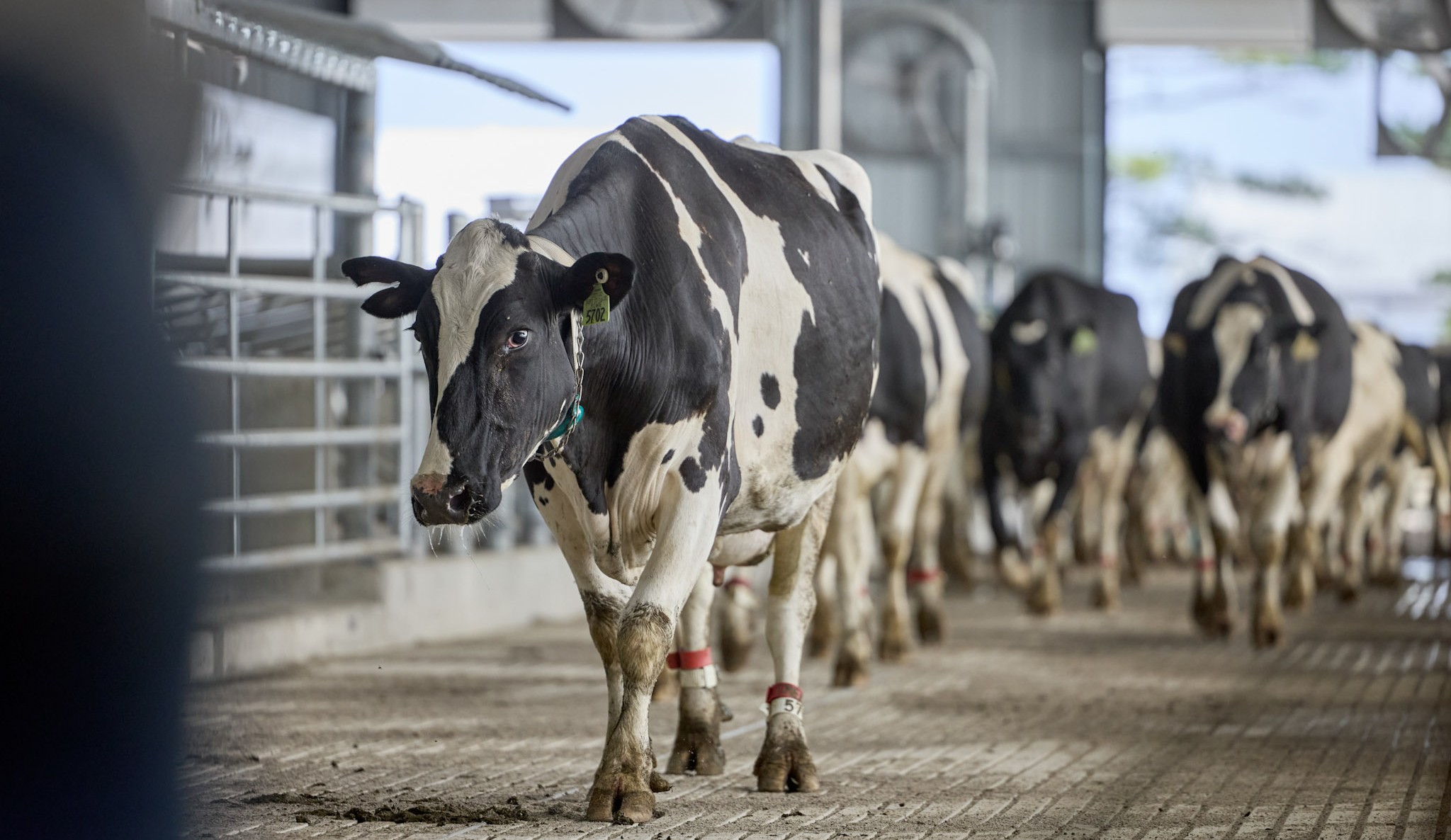
On a warm July morning, several Michigan State University students stood at the gates of the new MSU Dairy Cattle Teaching and Research Center, anxiously anticipating the arrival of the farm’s curious new residents. Spartan students spent days prior to the move working alongside MSU staff and faculty, preparing the new barn to comfortably house the hundreds of MSU dairy cattle living on the farm just south of campus.
Among the students helping throughout the transition was junior Animal Science major Anna Crosby. She recalled the energy of those early moments as cows explored the space for the first time.
“They came running into the new pen, and it was amazing to see them explore the space for the first time,” Crosby said. “When I first walked in, I couldn’t believe how open and bright it was. There are fans everywhere, so the air flow is great. It feels completely different from the old facility.”
Crosby said experiencing the move made her realize how much the project reflects MSU’s commitment to teaching and training as well as supporting dairy farmers across Michigan.
“It says a lot about the school trusting us with this facility,” she said. “It shows how much MSU cares about the dairy industry and the students working in it.”
When MSU opened the new dairy facility this summer, it wasn’t just unveiling a modern barn. It marked the start of a new era in agricultural education, research and workforce development.
The $75 million Dairy Cattle Teaching and Research Center on MSU’s south campus is one of the university’s most significant investments in student learning and agricultural innovation. The project began with a $30 million appropriation from the state of Michigan, supplemented by alumni, donors and industry partners committed to strengthening the state’s dairy industry.
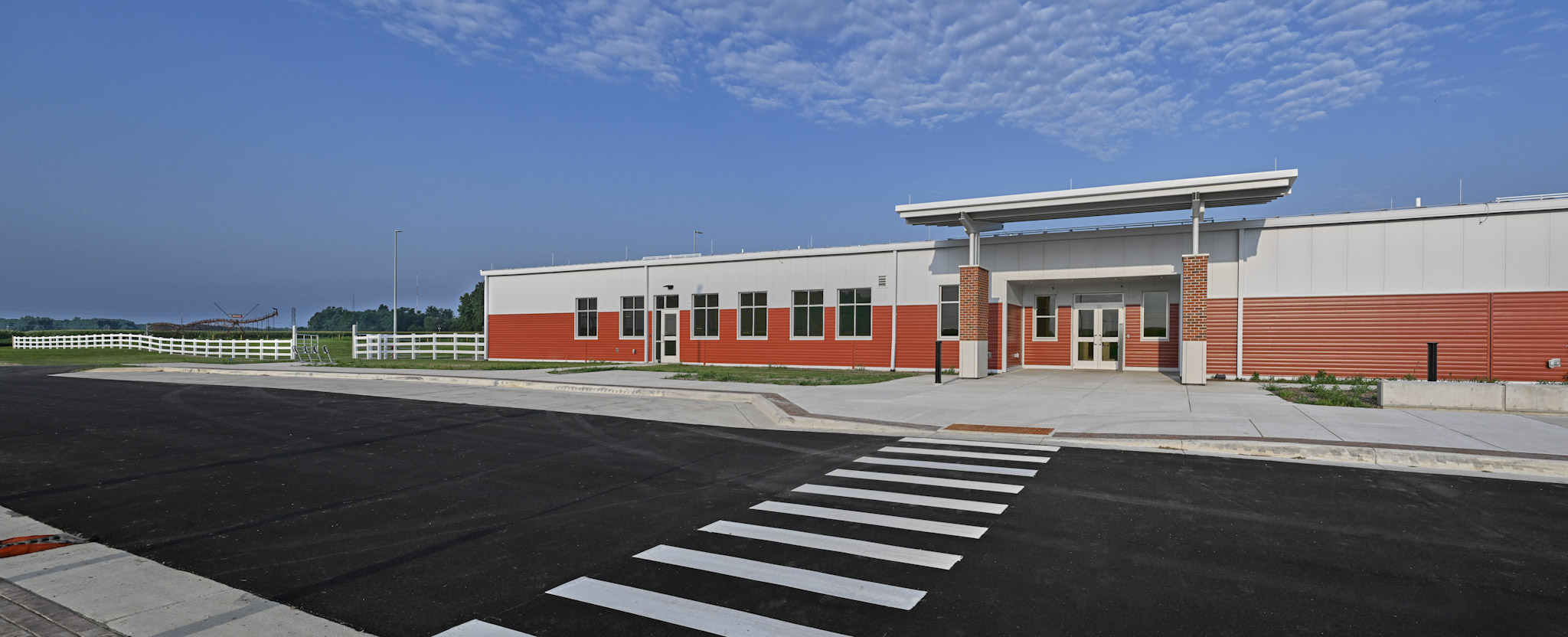
Designed to operate like a commercial dairy, the facility offers students hands-on experience with the technology, practices and decision-making used in modern operations.
“This facility is going to make its mark on the world for Michigan State,” said Jim Good, manager of the MSU Dairy Teaching and Research Center. “We have always had one of the top university research facilities, in part because we have some of the best faculty in the world. This new facility will take us over the top. Our students will see direct benefit from that.”
Built for today’s demands and tomorrow’s workforce
The new facility is nearly double the size of the previous barn, built in the 1960s. Designed for cow comfort and worker safety, the new dairy farm allows staff and students the technology and space needed to manage and care for three times as many cows as the previous facility, while maintaining a focus on sustainable dairy practices. Recycled sand bedding and monitored energy and water use are part of the facility’s focus on efficiency and responsible management. 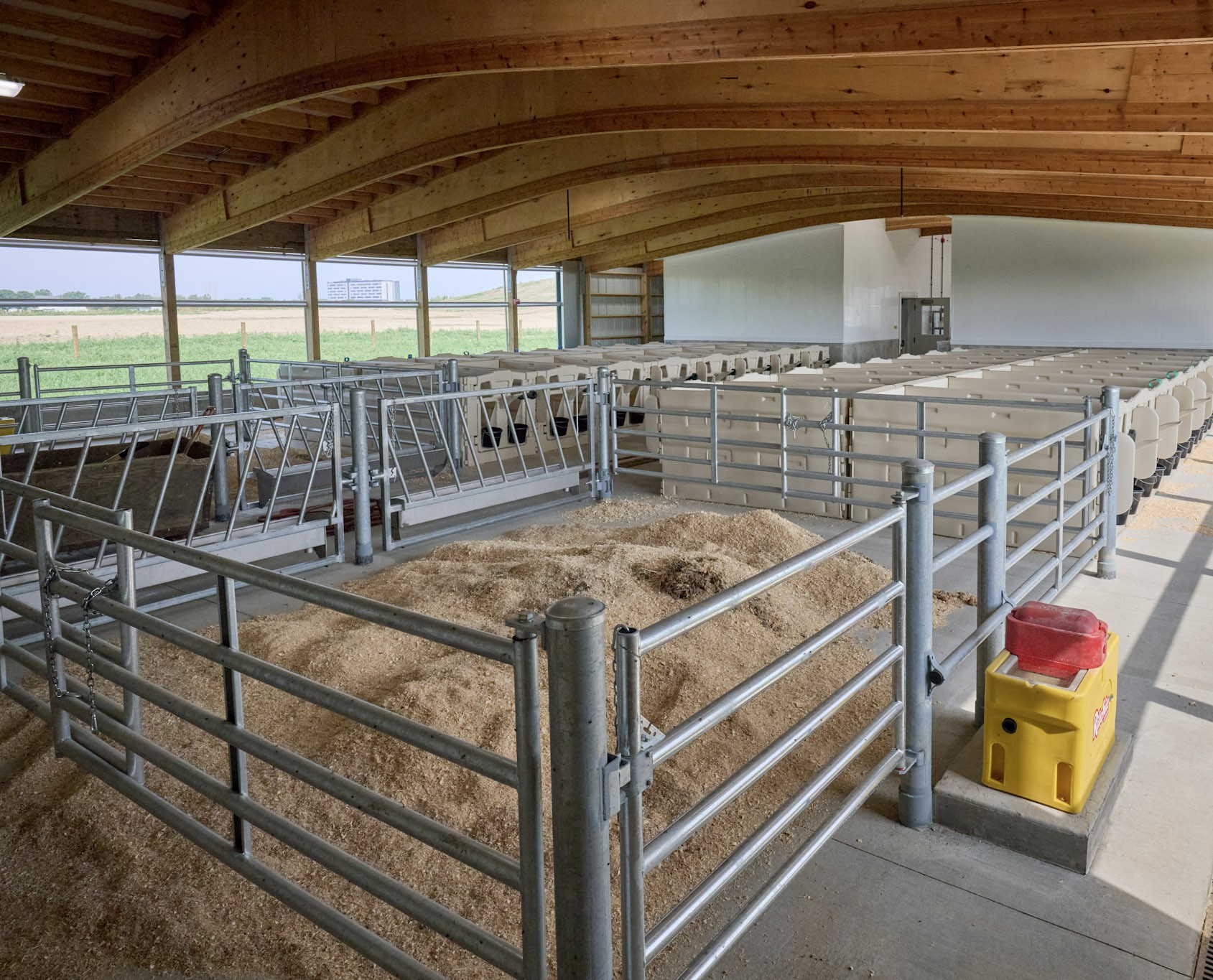
“The old facility was built 60 years ago, before we understood cow comfort the way we do now,” said Good. “This new space creates an ideal environment for cows to live and students to learn.”
For Crosby, the upgrades directly enhance the learning experience.
“Everything is cleaner and more efficient. The sand bedding is reused, which is better for the cows. The calving barn keeps calves out of the weather,” said Crosby. “It is a huge upgrade for learning and sustainability.”
A classroom like no other
Each week, students apply coursework and training to real-life farm conditions through paid positions at the dairy farm in areas like: herd management, reproductive health, milking procedures and data collection. Students work alongside full-time staff who provide mentorship and technical guidance.
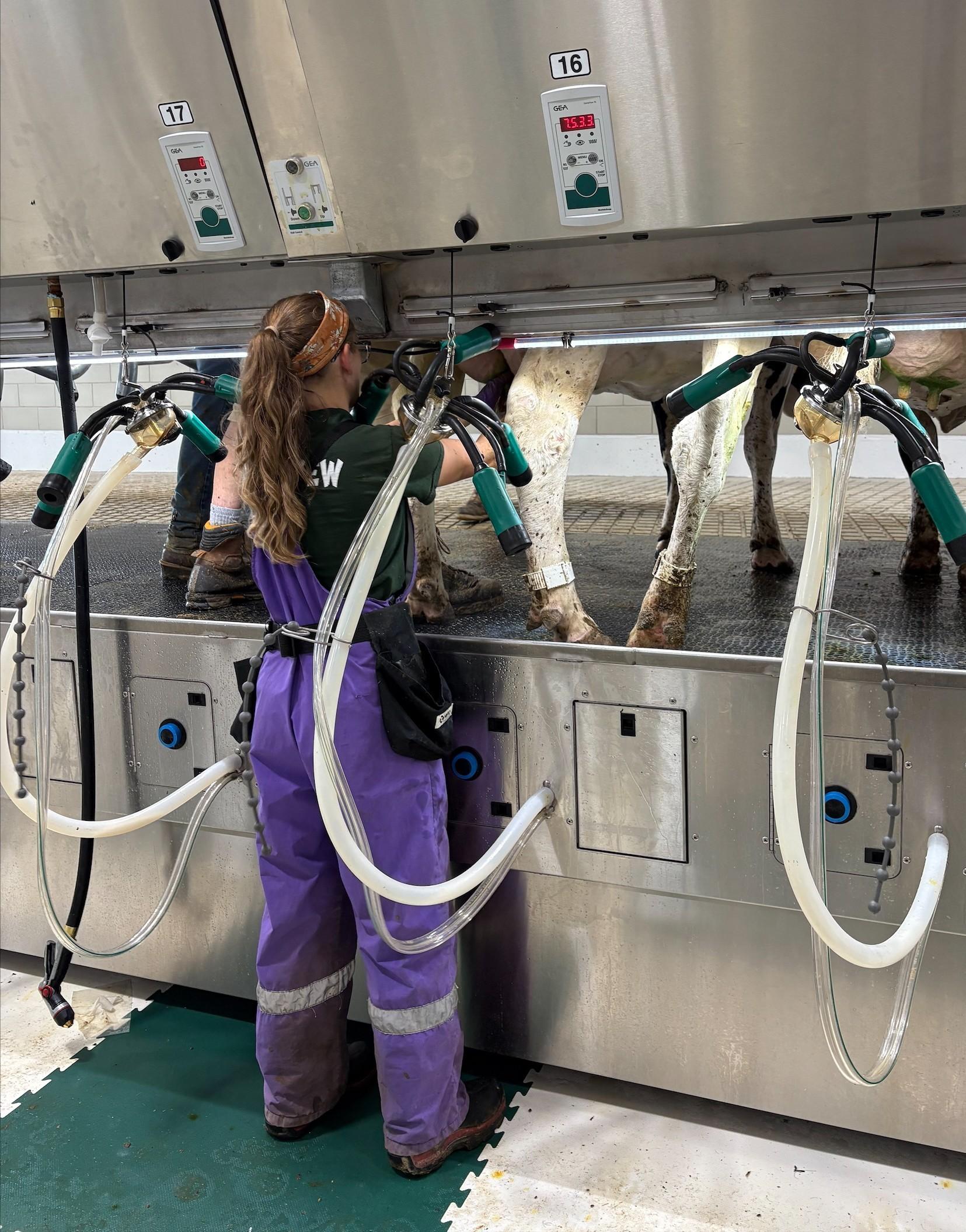 Jillyan Osterman, a second-year student in the Institute of Agricultural Technology’s livestock industries program, said working with staff helped her develop confidence and skill.
“The lead milker taught me everything: prepping cows, checking for mastitis, working efficiently,” said Osterman. “This experience has gone above and beyond what I could learn in a traditional classroom.”
Crosby said working closely with full-time staff is equally valuable.
“They are patient and willing to teach us everything, no matter how many questions we have along the way,” she said. “It feels like a team. To have this opportunity to learn hands-on is incredible.”
Training with modern technology
Students also gain experience with the technology shaping today’s dairy operations. Robotic milkers and automated crowd gates replace many of the older facility’s manual processes, giving students practical insight into modern farm management.
Second-year animal science major Leah Katers emphasized the importance of getting familiar with operating a variety of modern systems.
“The old farm was familiar, but it was showing its age. Now we are using tools I had only read about. It enhances the learning experience,” said Katers. “Seeing how the animals are learning and adjusting to the new environment and equipment, like the robotic milking systems, has been fascinating.”
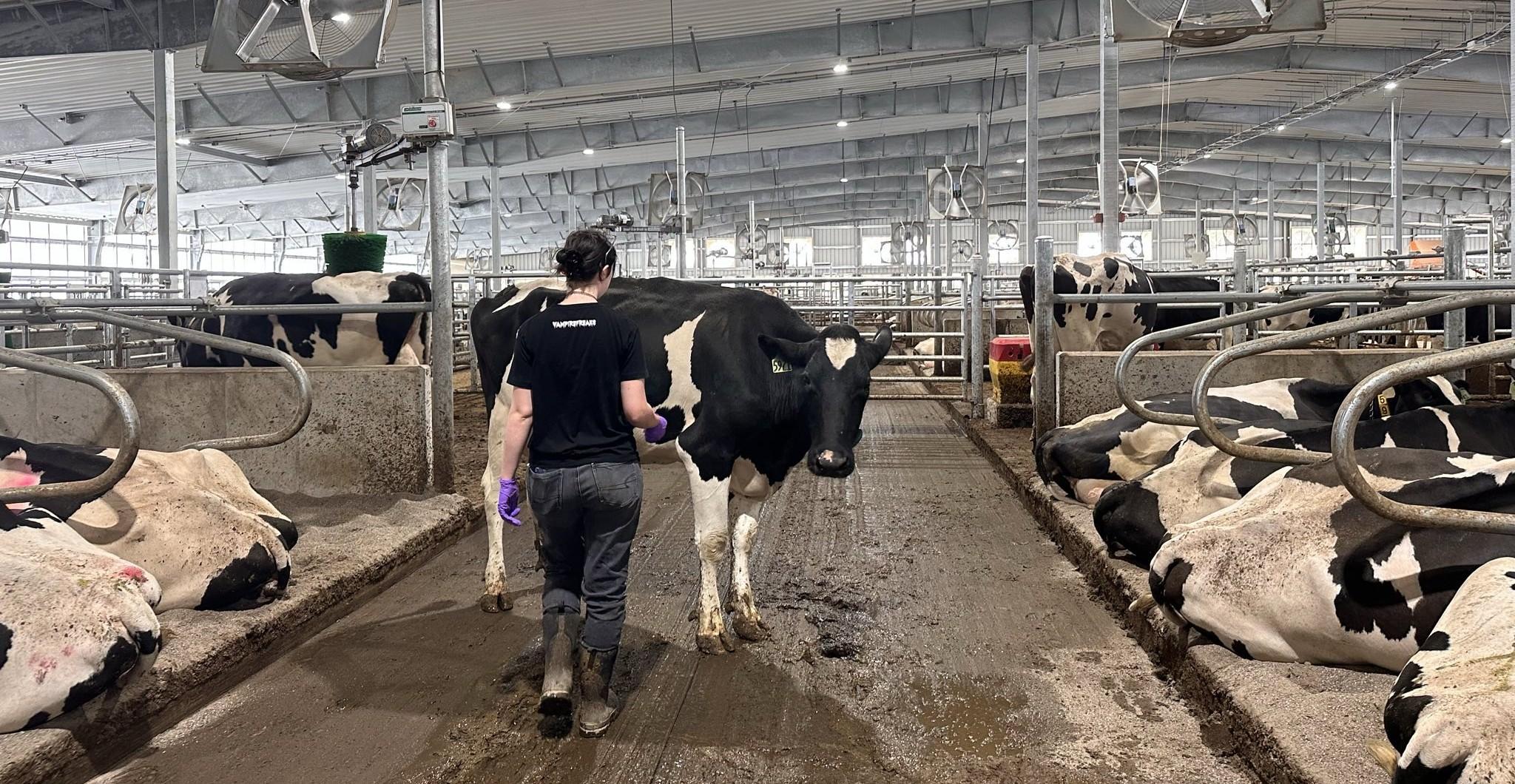
Good emphasized that technology helps students understand the connections between animal care and sustainability.
“Our goal is for students to get the full experience and leave ready to hit the ground running,” he said. “That means involving them in management decisions and giving them hands-on access to new technology. It means helping them see how animal care, data management and sustainability all connect.”
Recruiting the next generation of dairy leaders
The facility is a strategic investment in Michigan’s agricultural economy. As one of the nation’s top dairy-producing states, Michigan needs skilled workers, innovative research and strong industry partnerships.
“This project happened because industry leaders and the Michigan Legislature recognized how important dairy is to Michigan’s economy,” said Good. “While other universities are closing their dairy farms, MSU stepped up and said, ‘We are not doing that.’ Dairy is strong here and we are going to keep it that way.”
For many students, MSU’s commitment to the dairy industry is a key factor in their decision.
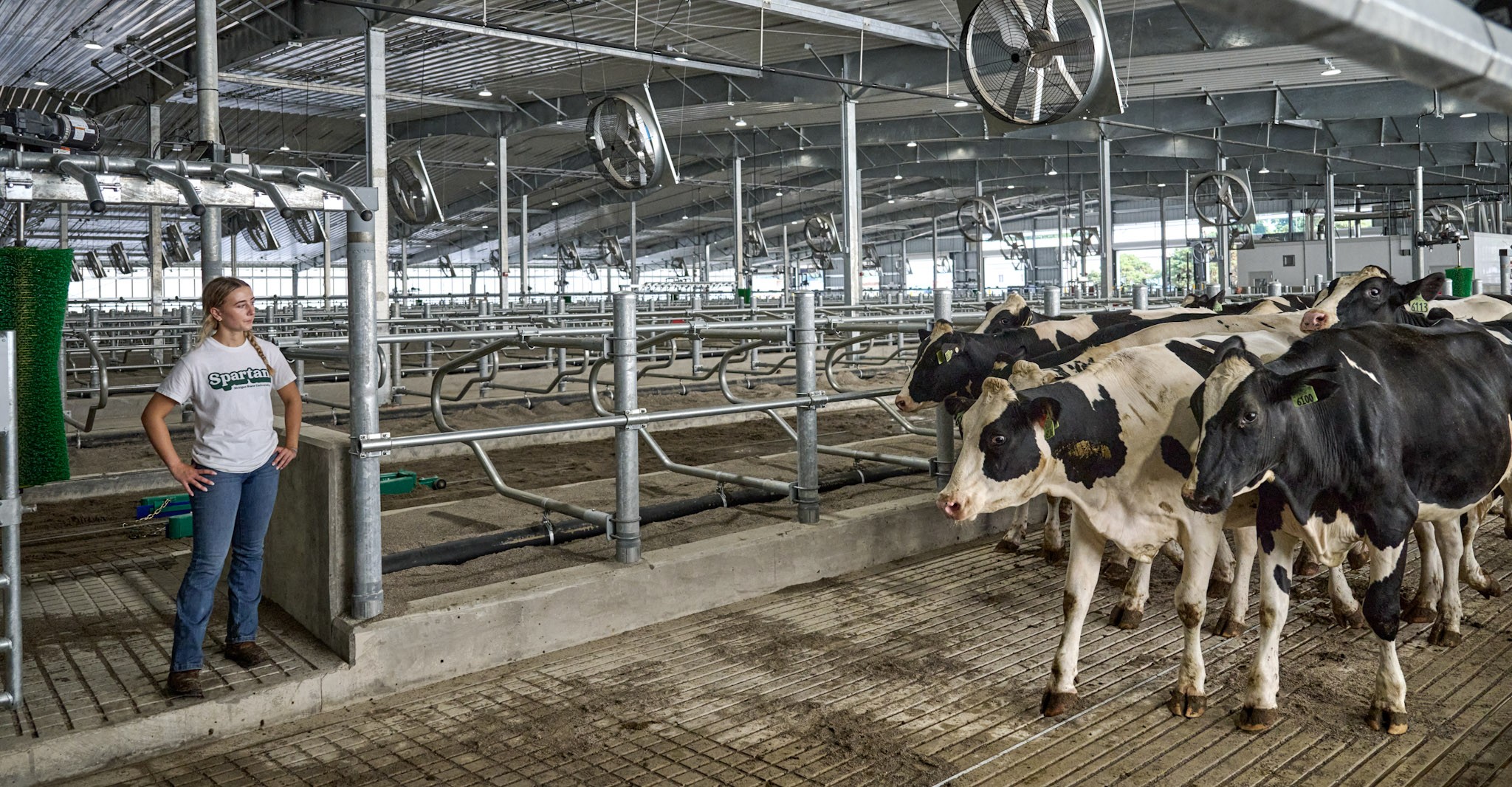
“There is no other university investing in agricultural programs like this,” said Katers. “I knew I wanted to study animal science, and Michigan State was the only school I considered. I knew this was the right place if I wanted the education and access to opportunity.”
For Osterman, being among the first to work in the new facility represents more than updated technology or procedures.
“This facility shows how much MSU believes in its students and in Michigan agriculture,” she said. “They are showing us what is possible for farmers to keep advancing and for students to grow into the next generation of leaders.”