Flower gardening is good for you! Plan now for a beautiful cut flower garden
 Print
Print Email
EmailWhen growing flowers for cutting, focus on a garden that will provide you with a good supply of flowers throughout the season, making you happy and healthy.
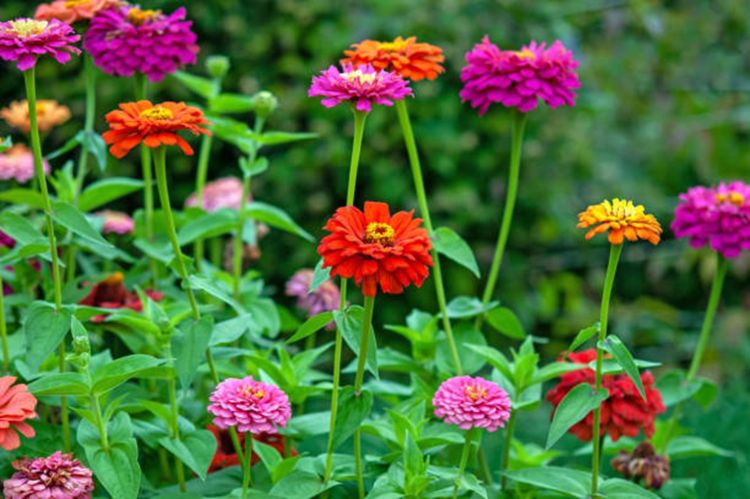
There is plenty of scientific research to show how gardening has physical and mental health benefits. In one article, “Sowing the seeds of better health” by Harvard Health Publishing, several benefits are highlighted, including calming your moods, reducing anxiety, depression, and stress, along with fresh air and exercise, as gardening gets you moving outdoors. According to Psychology Today, in an article by Loretta G. Breuning, Ph.D, titled “Why Flowers Make Us Happy,” flowers stimulate dopamine, serotonin and oxytocin. There is scientific evidence that flowers trigger “the happy” brain chemicals.
So, if flowers make us happy and gardening makes us healthy, a cut flower garden is a win-win! I personally enjoy cut flowers year-round; it’s one of my favorite indulgences. However, I love them much more when I can go into my garden and fill my home with colorful, vibrant, long-lasting blooms. I start with peonies and iris in the spring, continue with hydrangeas in the summer, and go right through to fall with the last show of vibrant zinnias.
It is great to have a few flowering shrubs and perennials to use for cutting that are the backbone of your flower garden, but nothing shouts “look at me” more than bright, bold annuals. I love planting a few new varieties of annual flowers for cutting, along with the tried-and-true varieties I have planted for years. Good sources of information include university sites from land-grant universities, agriculture or horticulture departments, online information, including online classes and videos, printed catalogs from your favorite seed company, garden-related periodicals, and flower gardening books. With the internet, cut-flower gardening books, and seed company recommendations, planning a cut-flower garden has never been easier. With the abundance of information and tips on growing cut flowers, you will be growing bouquets to fill your home and share with friends all summer long.
One nice thing about growing flowers and vegetables from seed is that you have a much greater variety of plants to pick from. Seeds are reasonably priced, and you can start them early or direct sow many into the garden. Another advantage to planting seeds is that you can plan to incorporate succession planting (planting seeds every week or two), so your crops are timed to produce or flower over a longer time span.
According to Horticulture Magazine’s article, “Designing and Growing the Cutting Garden,” designing a cutting garden is less complicated than a traditional flower garden. When planning a traditional flower garden, there is much more consideration given to the details, such as bloom time, plant size, and coordinating complementary colors. In a cutting garden, you only need to focus on flowers that will provide you with a good supply of flowers throughout the season. The biggest consideration is having your garden planned for easy care and harvest.
When selecting flowers for cutting, there are a few things to take into consideration:
- Planting zone. According to the USDA Plant Hardiness Zone Map, Michigan has three zones: 4, 5 and 6.
- The types of flowers you enjoy, including texture, size and color.
- Foliage of the flowers or other plants grown specifically for their foliage.
- Varieties that are good for cut flowers.
Here are a couple of articles to get you started as you begin adding to your cut flower garden or starting a new one from scratch:
- “Grow a Colorful Cutting Garden” by Hobby Farms
- “The Best Flowers for Your Cutting Garden” by Fine Gardening
Be sure to read my other Michigan State University Extension articles, “Top-rated garden flowers for cutting – Part 1” and “Top-rated garden flowers for cutting – Part 2” for information on traditional flowers for your cutting garden, extending the vase life, and some hints on designing with garden flowers.