Taste of the Tropics: Ten tropical fruits
 Print
Print Email
EmailMany species of fruits are grown in tropical climates, some familiar and some unfamiliar to Americans.

Michigan is home to many thriving fruit industries including apples, blueberries, cherries, grapes and peaches. However, our temperate climate is not suited to other popular fruits such as bananas, dragon fruit and pineapples. Do you know where those fruits are grown or about other lesser-known tropical fruits? Tropical fruits are diverse, tasty and provide important vitamins, minerals and antioxidants.
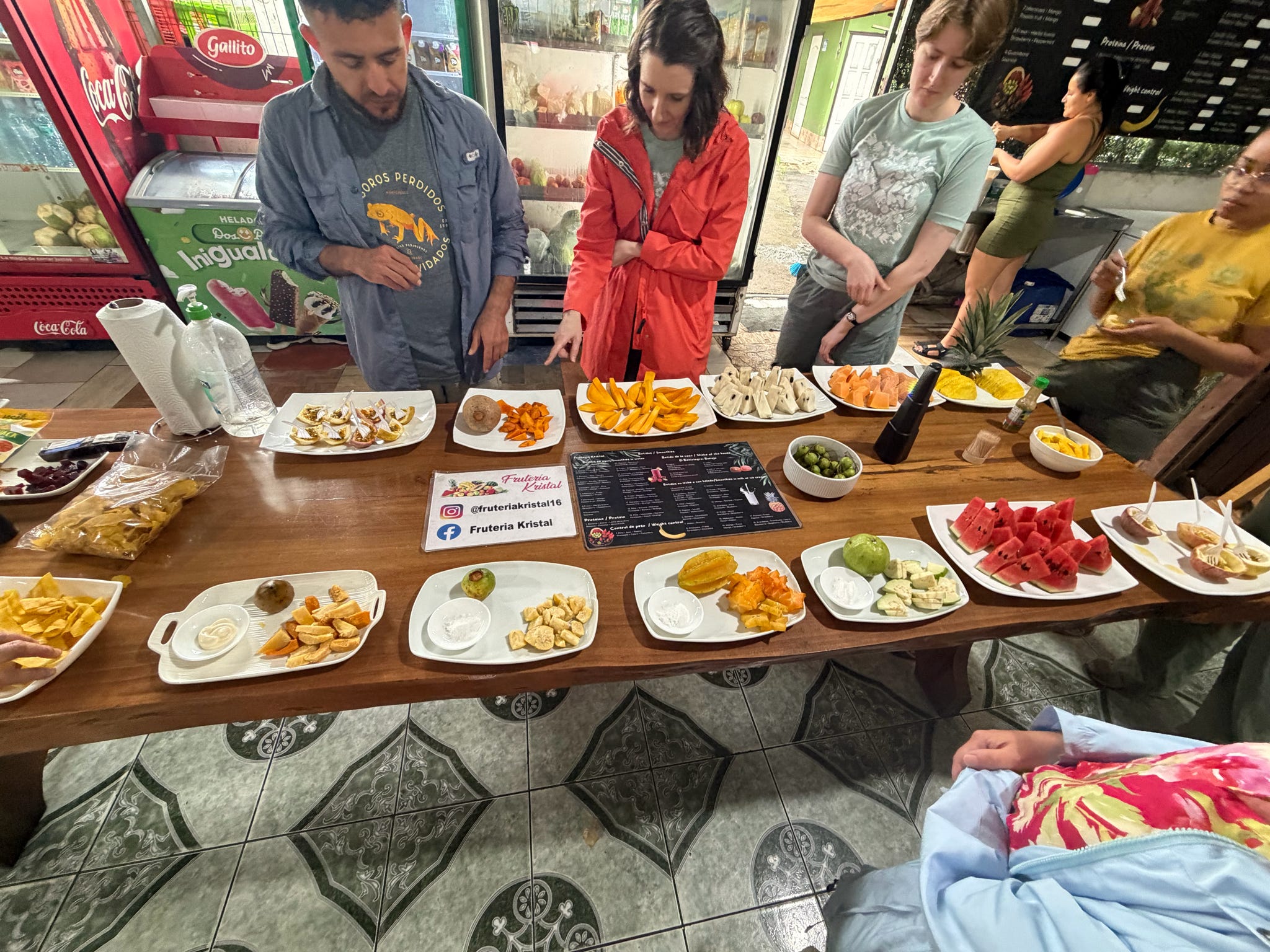
To learn more about tropical fruit production, Michigan State University’s study abroad course, “Tropical Horticulture of Costa Rica,” visited Ark Botanical Garden in in Santa Bárbara de Heredia, Costa Rica and Finca Ecoorganica Sarapiquí in Sarapiquí, Costa Rica. Participants in the course had a chance to learn about the production of tropical fruits and taste (Photo 2) new and exciting varieties. Michigan State University Extension explains ten tropical fruits, how they grow and their health benefits:
Bananas
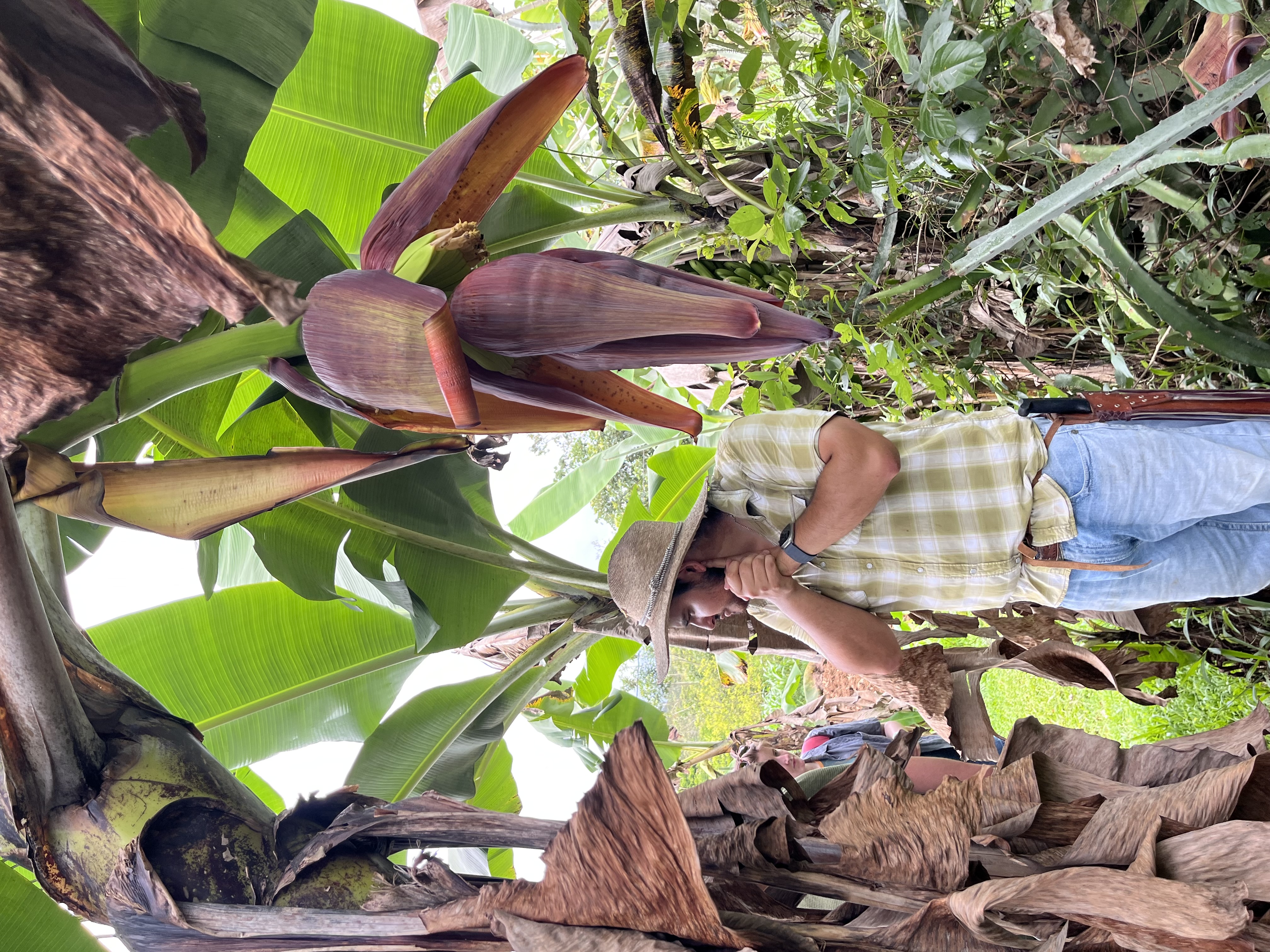
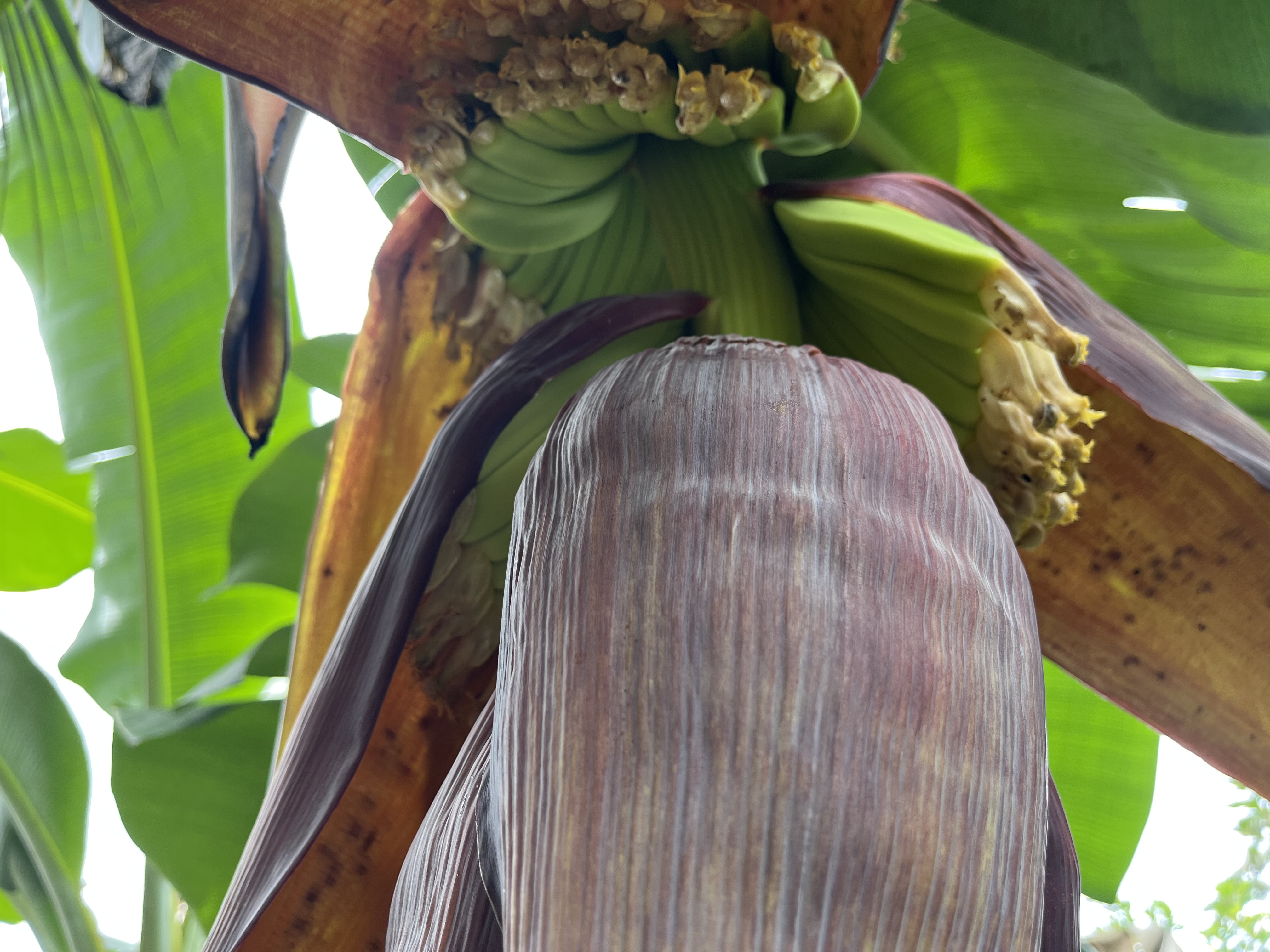
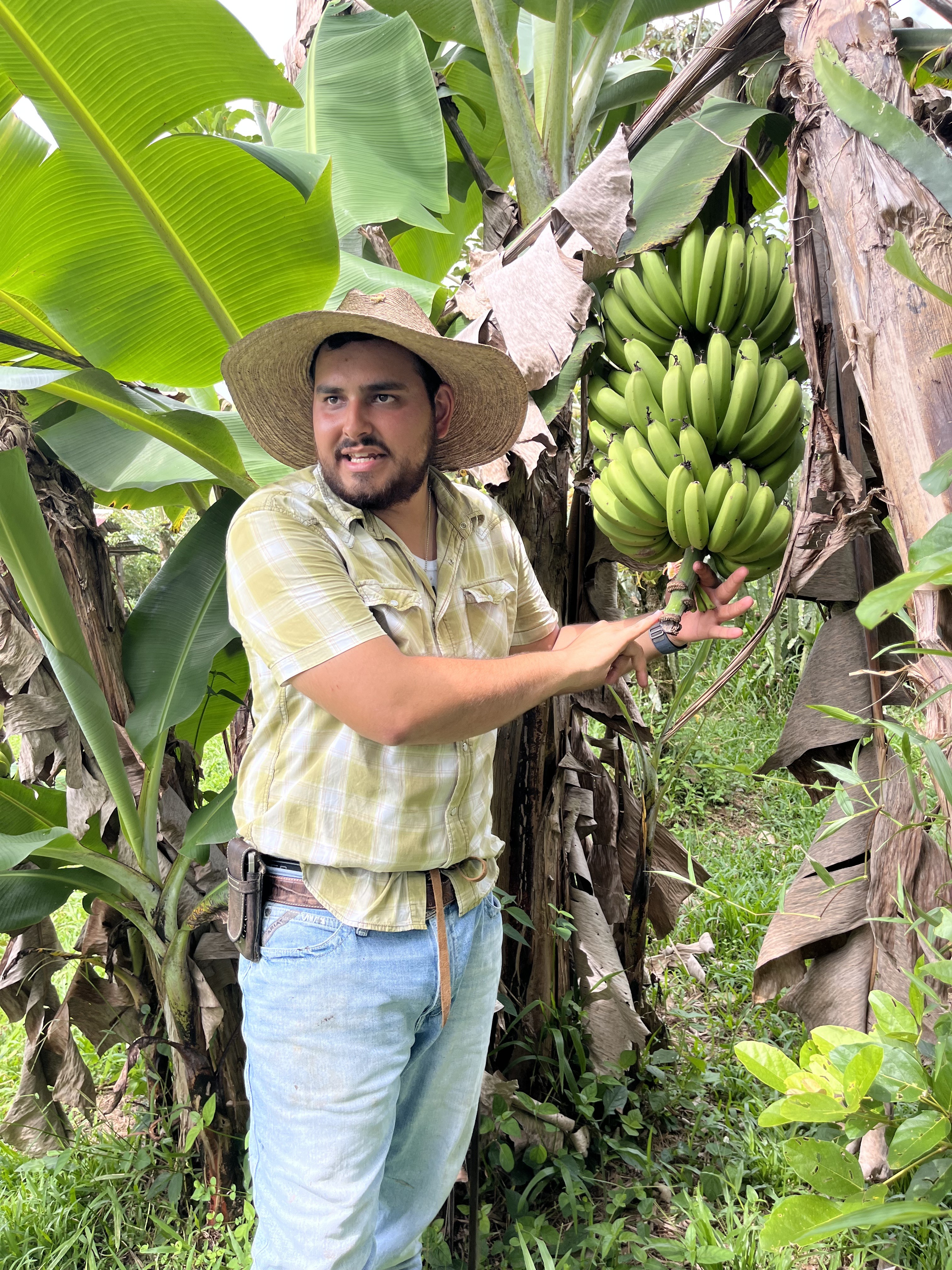

There are hundreds of varieties of bananas (Musa spp.) grown in tropical climates. Bananas were thought to be domesticated and cultivated in New Guinea over 6,000 years ago and brought to the Americas by European explorers. The banana plant is actually an herb that grows large water-filled stems 10-20 feet high. Cultivated bananas are seedless fruits and are propagated through cloning. The plant sends down huge inflorescences of yellow flowers covered by red bracts (Photo 3). “Hands” or clusters of bananas form under each of the bracts (Photo 4). They are picked once mature (Photo 5) and transported (Photo 6) for packing. The majority of imported dessert bananas to non-tropical countries are now Cavendish bananas, the familiar smooth banana with green-to-yellow skin and light-yellow flesh. It is popular for shipping because of its flavor and availability year-round. Bananas are a good source of fiber, potassium, vitamin B6 and vitamin C.
Pink banana
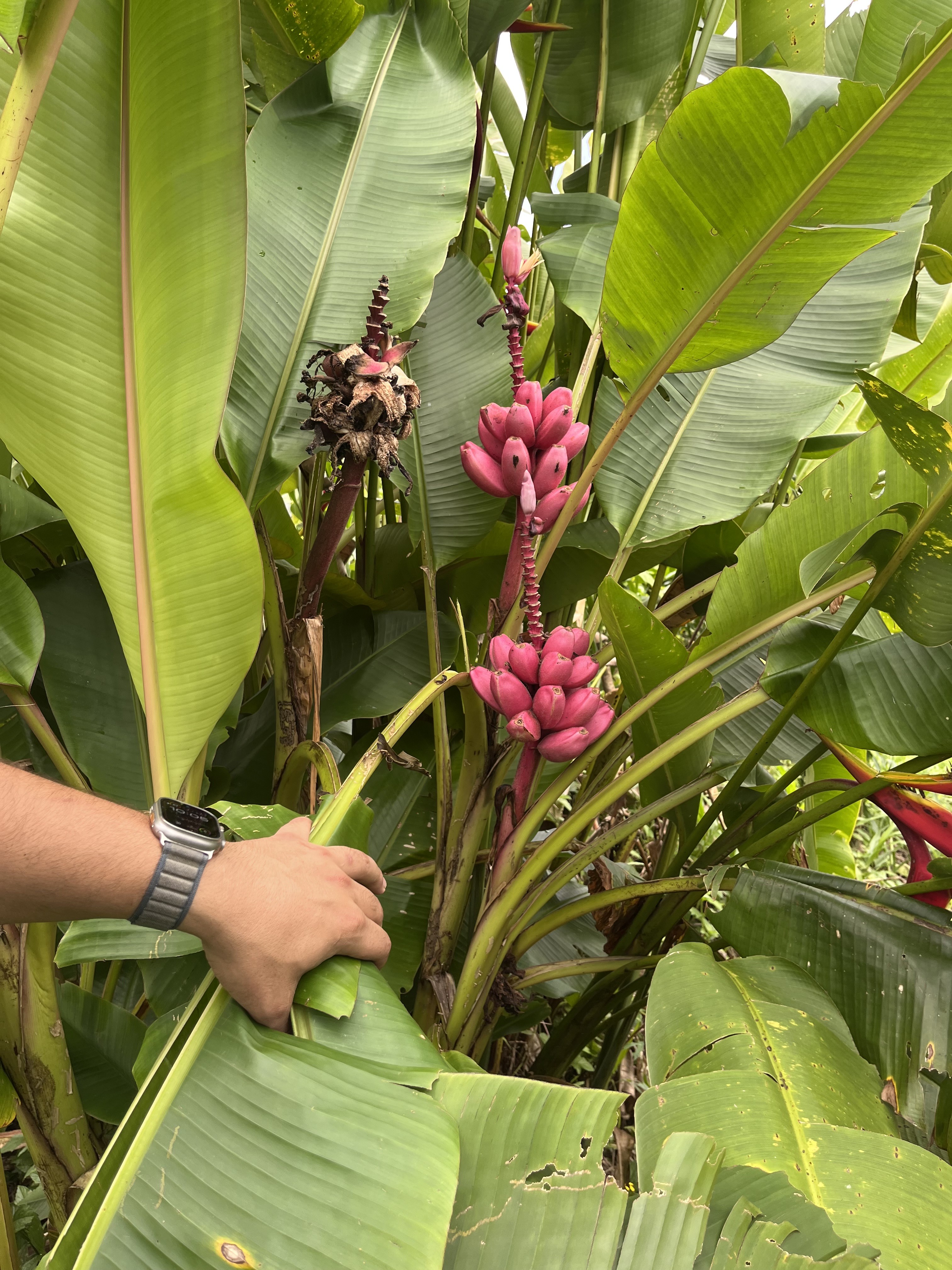
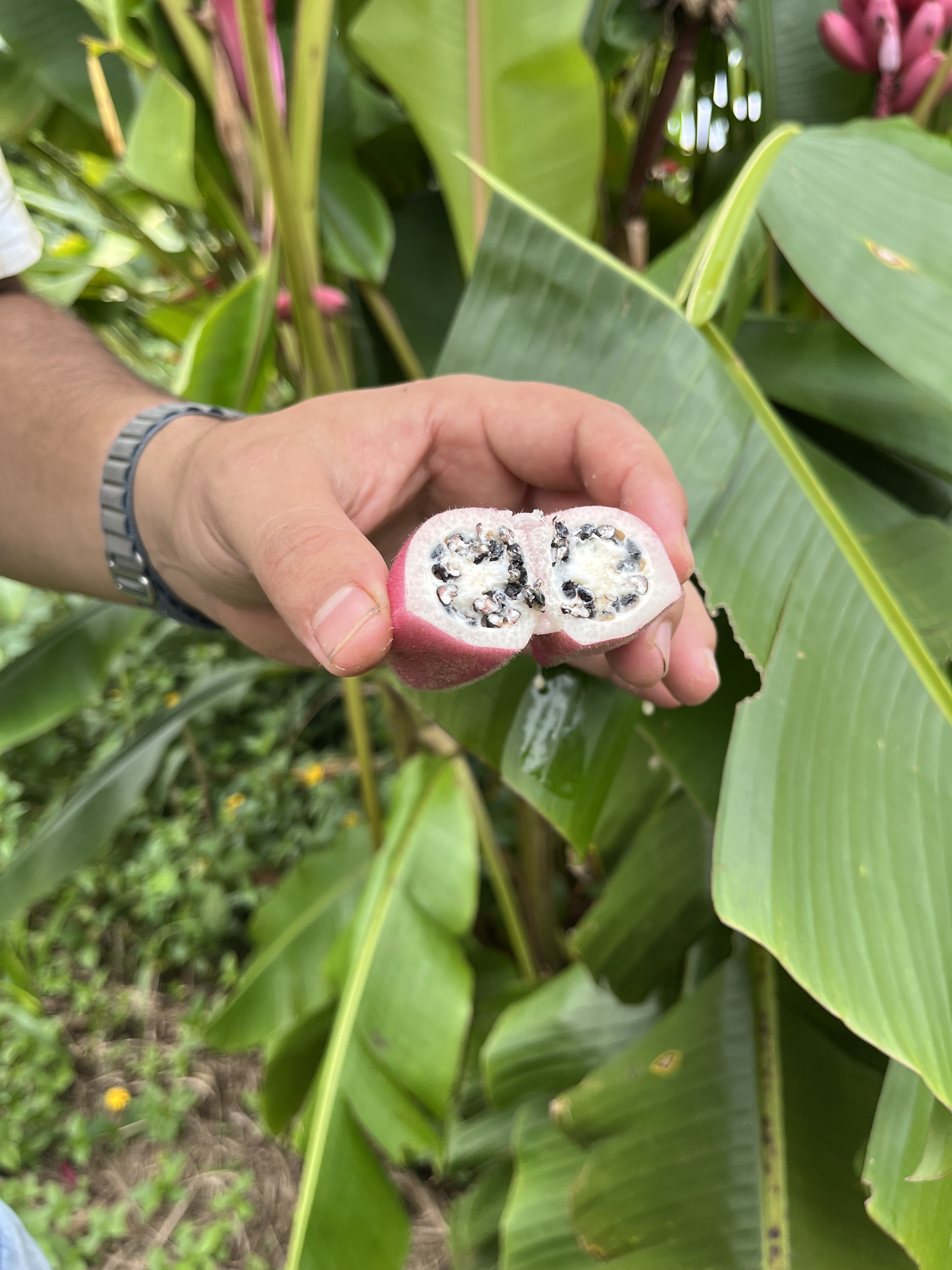
Pink bananas (Musa velutina) (Photo 7) are an uncultivated banana species that native to India and Myanmar, it was brought to Costa Rica as an ornamental plant due to its bright pink fruit clusters. The fruit is starchy, not tasty and contains large, hard seeds (Photo 8). It is heavily eaten and spread by birds, bats and monkeys. It has escaped ornamental plantings and is now considered invasive in Costa Rica. This species of banana is not edible by humans, but the wildlife love it.
Red wax jambu
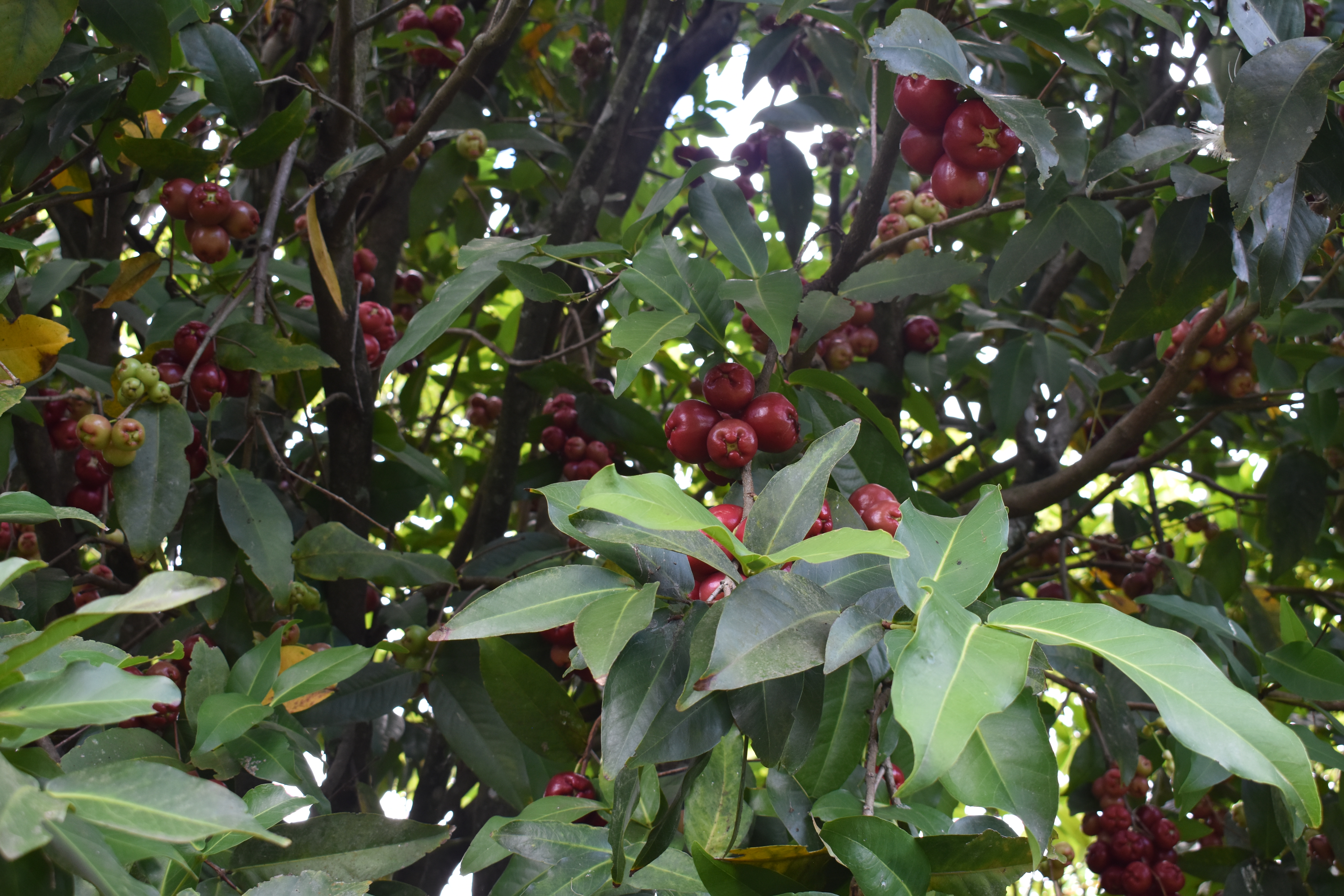
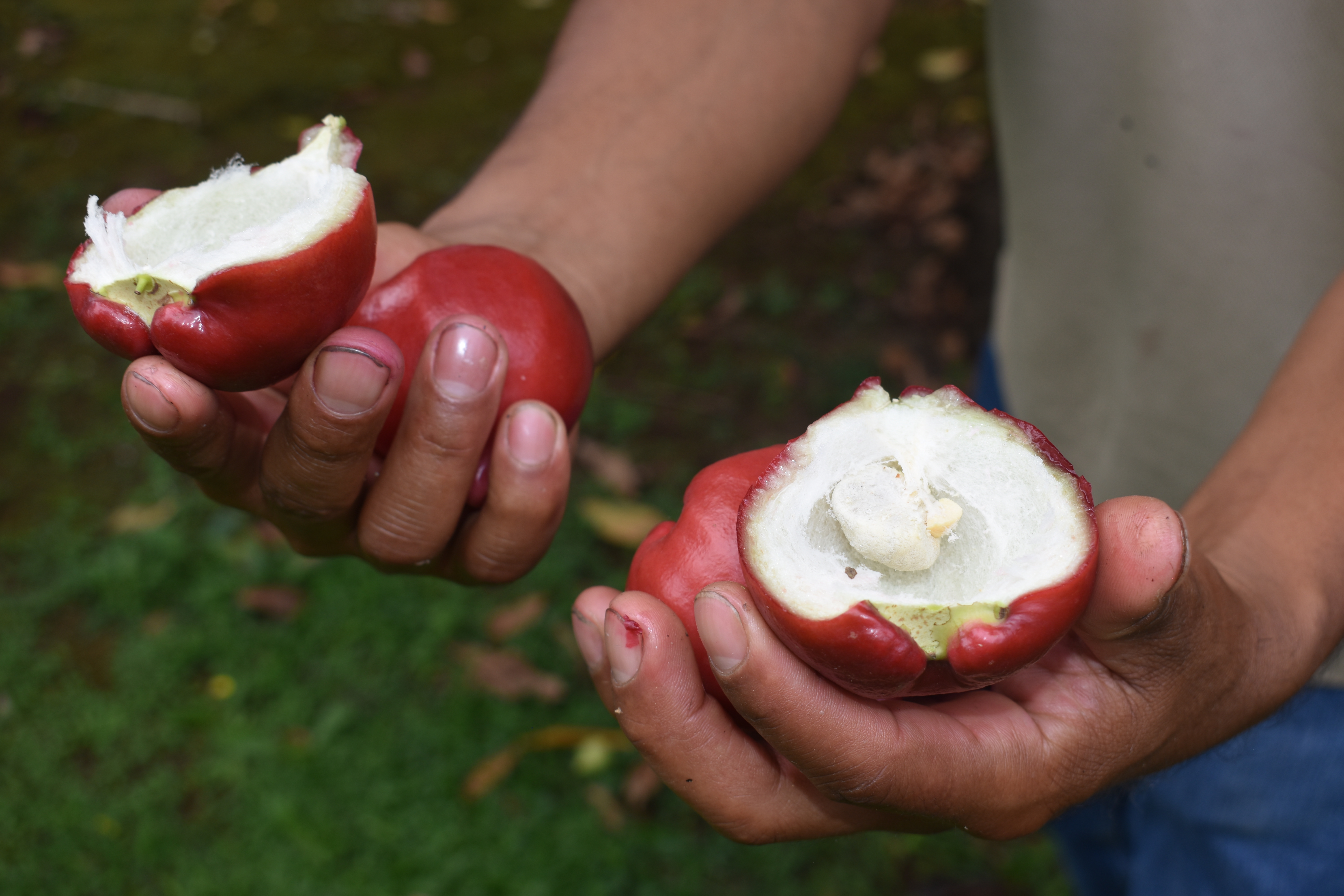
The red wax jambu (Syzygium samarangense) (Photo 9) also known as “wax apple or water apple” is very crisp and crunchy. It has less starch than an apple with a milder flavor (Photo 10). This fast-growing tree can reach up to 30 feet and grows well in tropical and subtropical climates but does not tolerate frost. There are also pink and green varieties of this vitamin C-rich fruit.
Longan
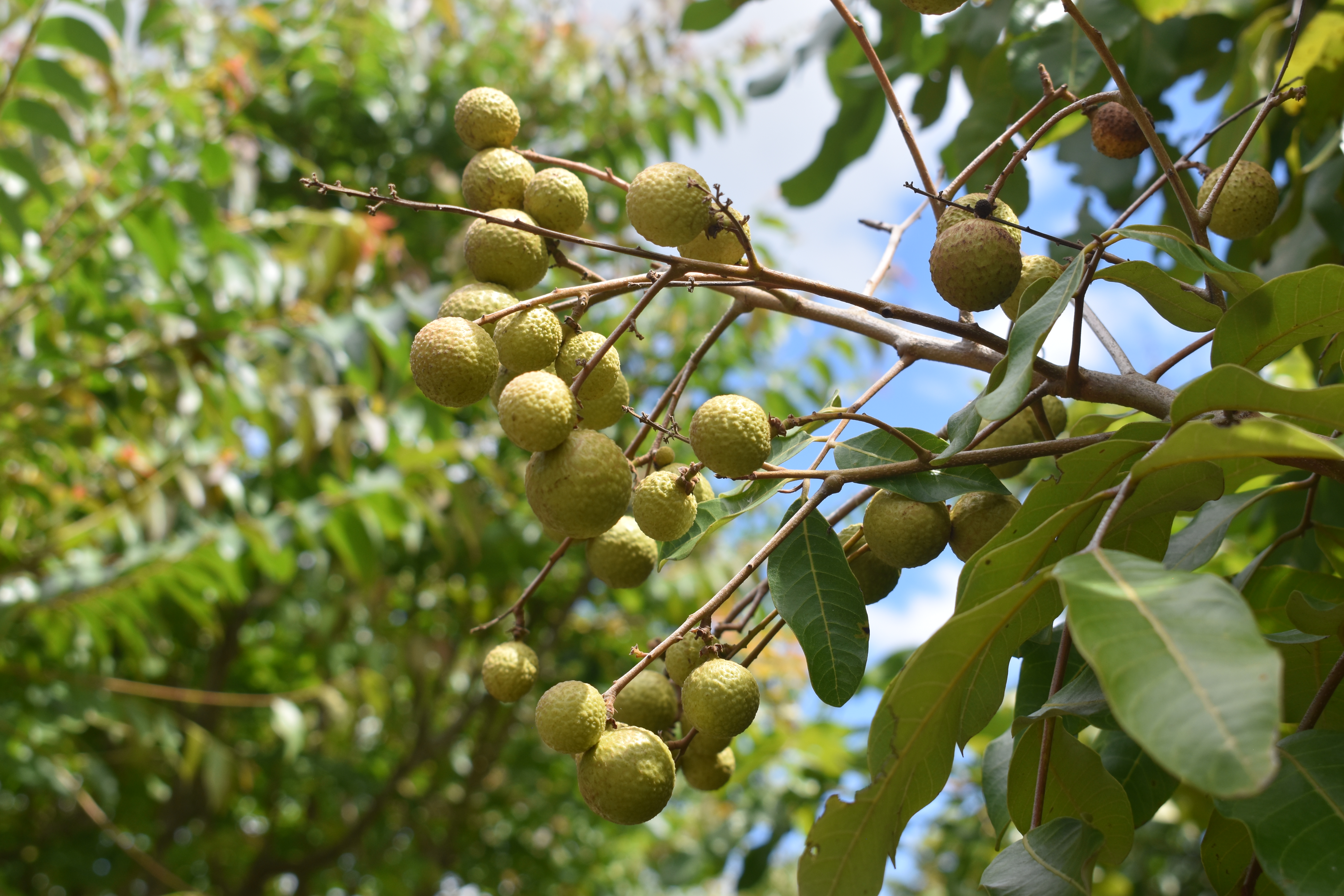

Longan or dragon’s eye (Dimocarpus longan) is a tropical fruit species originally from southeast Asia and is related to lychee. The spherical fruit hangs in clusters (Photo 11) and are ripe when they turn tan. Inside is a water-rich translucent flesh with a black seed (Photo 12). Longan trees are typically 30-foot tall and grow in tropical climates with abundant rainfall and where the temperatures rarely drop below 40 degrees Fahrenheit. The fruits are rich in vitamin C and potassium.
Soursop or Guanabana
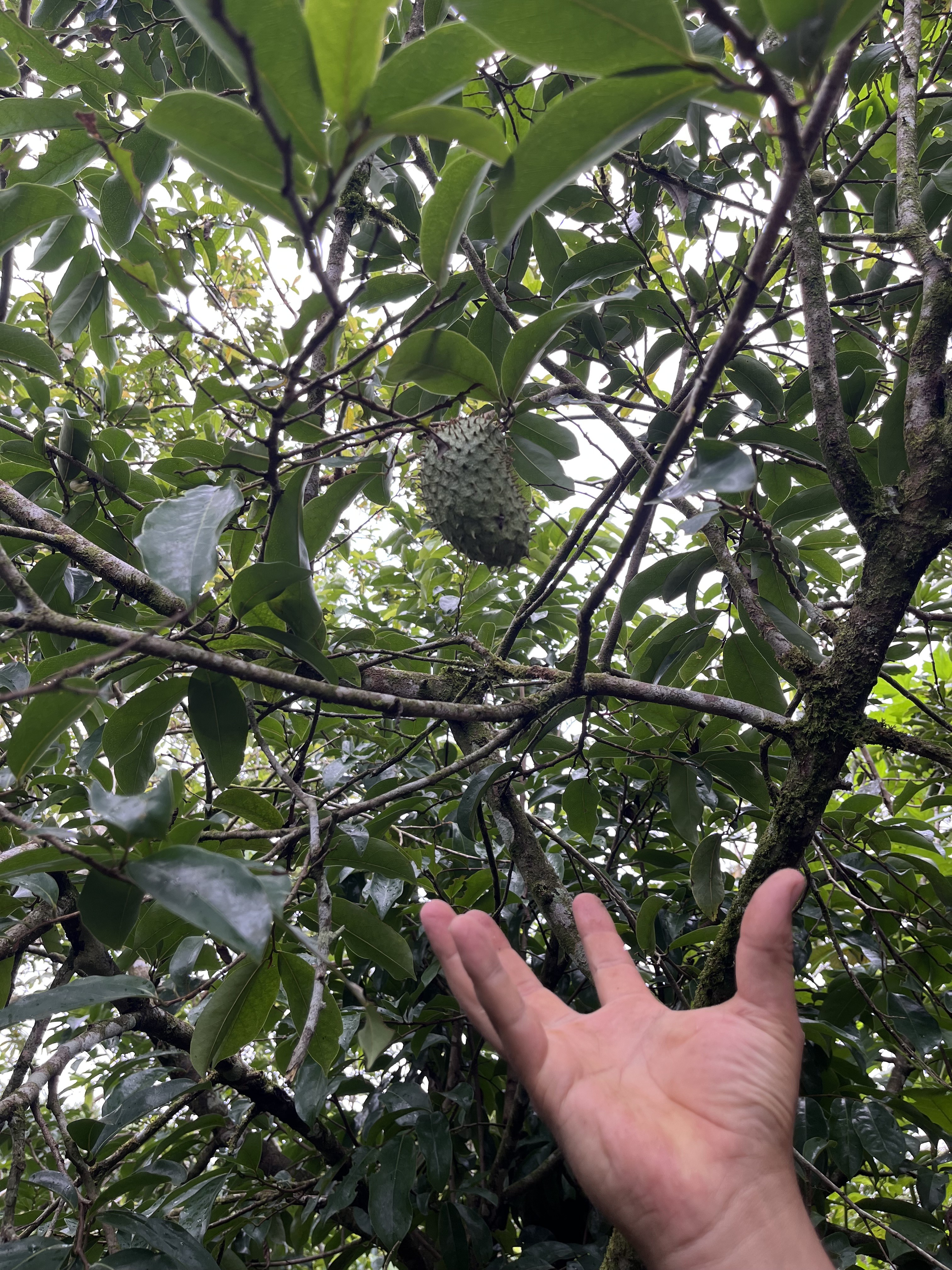
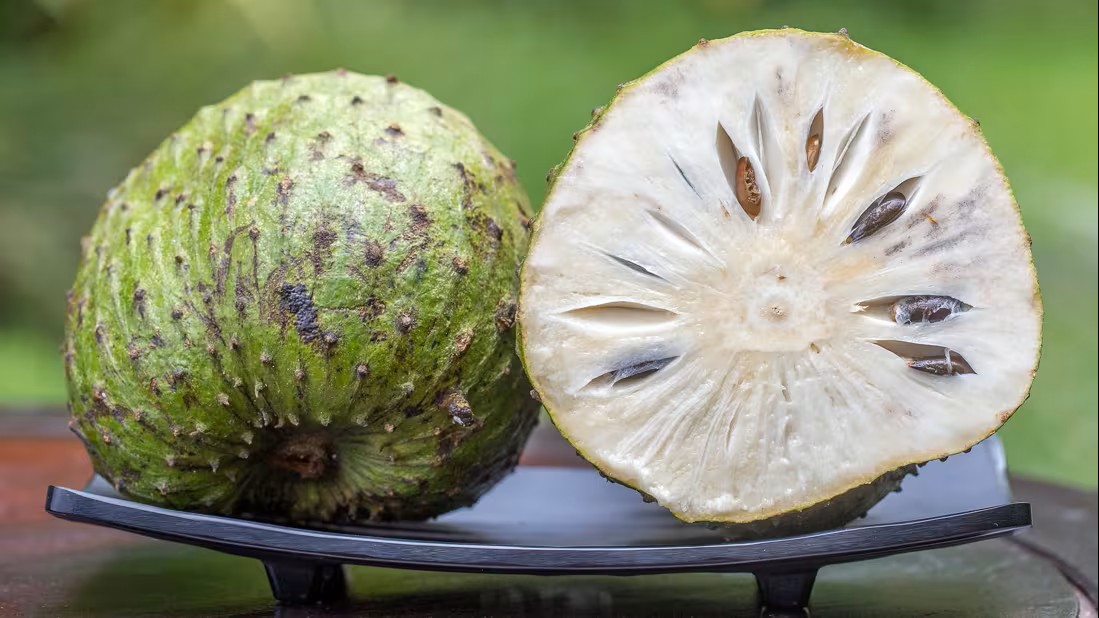
Soursop (Annona muricata), also known as Guanabana, is a spiky, green tropical fruit (Photo 13) which grows on a broadleaf, evergreen tree up to 30 feet tall. It thrives in humid tropical lowland climates and is native to the tropical Americas. It is widely cultivated in Africa and Southeast Asia. It is excellent for eating, juices, and desserts and is a great source of fiber, antioxidants, vitamin C, potassium and magnesium (Photo 14).
Pink caviar lime/Pink finger limes
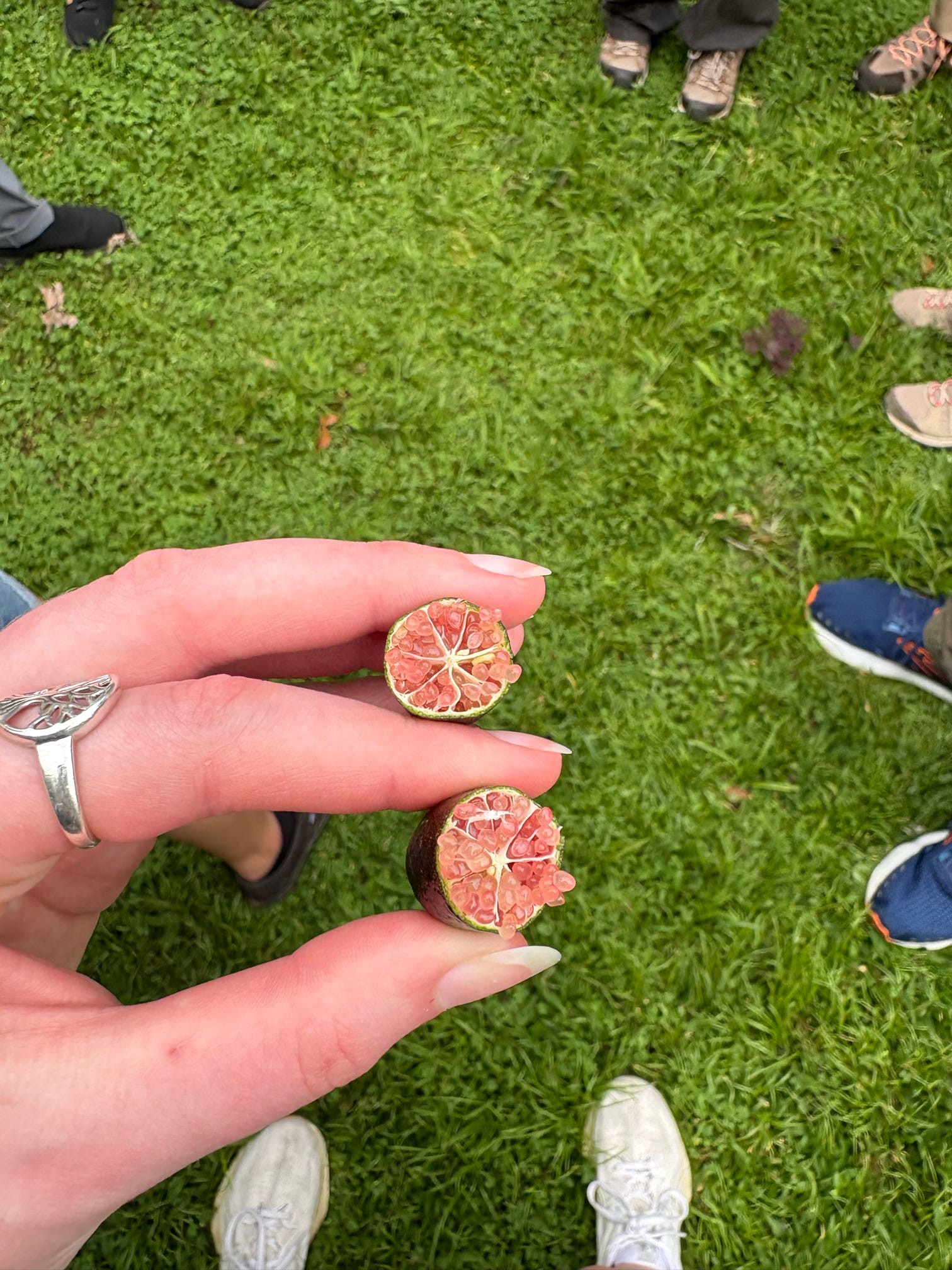
Pink caviar limes (Citrus australasica), also known as pink finger limes, are native to Australia. They are a thorny, small tree that produces 3-inch finger limes. Upon opening, they have pink caviar-like beads that have a very tart citrus flavor (Photo 15). They are an extremely rare fruit produced in Florida and California in the U.S. and are prized by chefs at fine dining restaurants. The fruits are low in calories and high in vitamins C and E. Just like common limes, pucker up for this one!
Brazilian grapetree
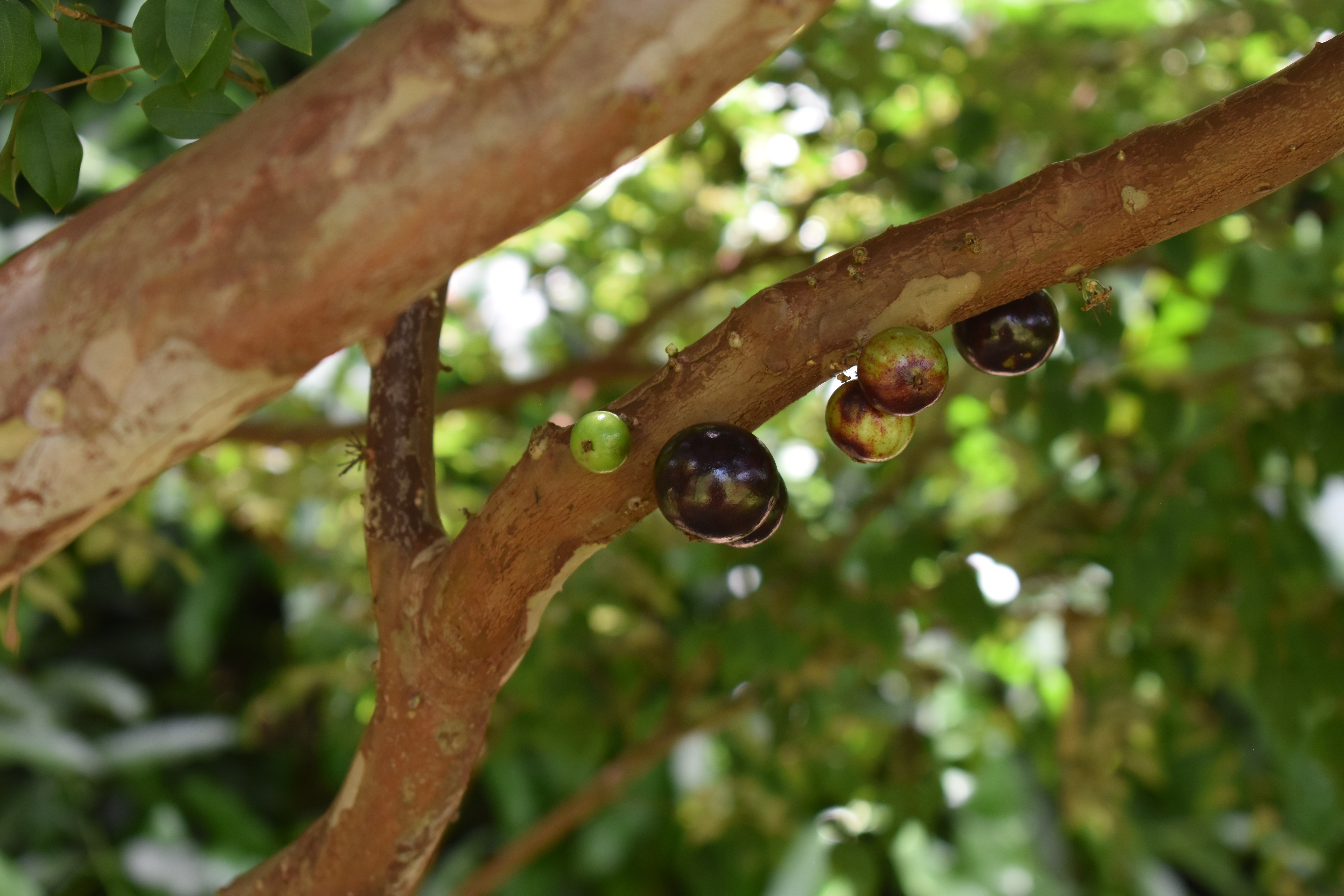
Brazilian grapetree, also known as Jaboticaba (Plinia cauliflora), is an exotic tropical fruit that grows on an evergreen tree that grows up to 50 feet tall. The tree produces white flowers right on the stems which then develop into grape-like fruits (Photo 16). When ripe, the purple fruit contains a translucent white flesh with a flavor similar to grapes and lychees. The slow growth and short shelf-life of the fruit make this one exotic and usually enjoyed processed into jams or wine. The fruit is high in vitamin C and potassium.
Jackfruit
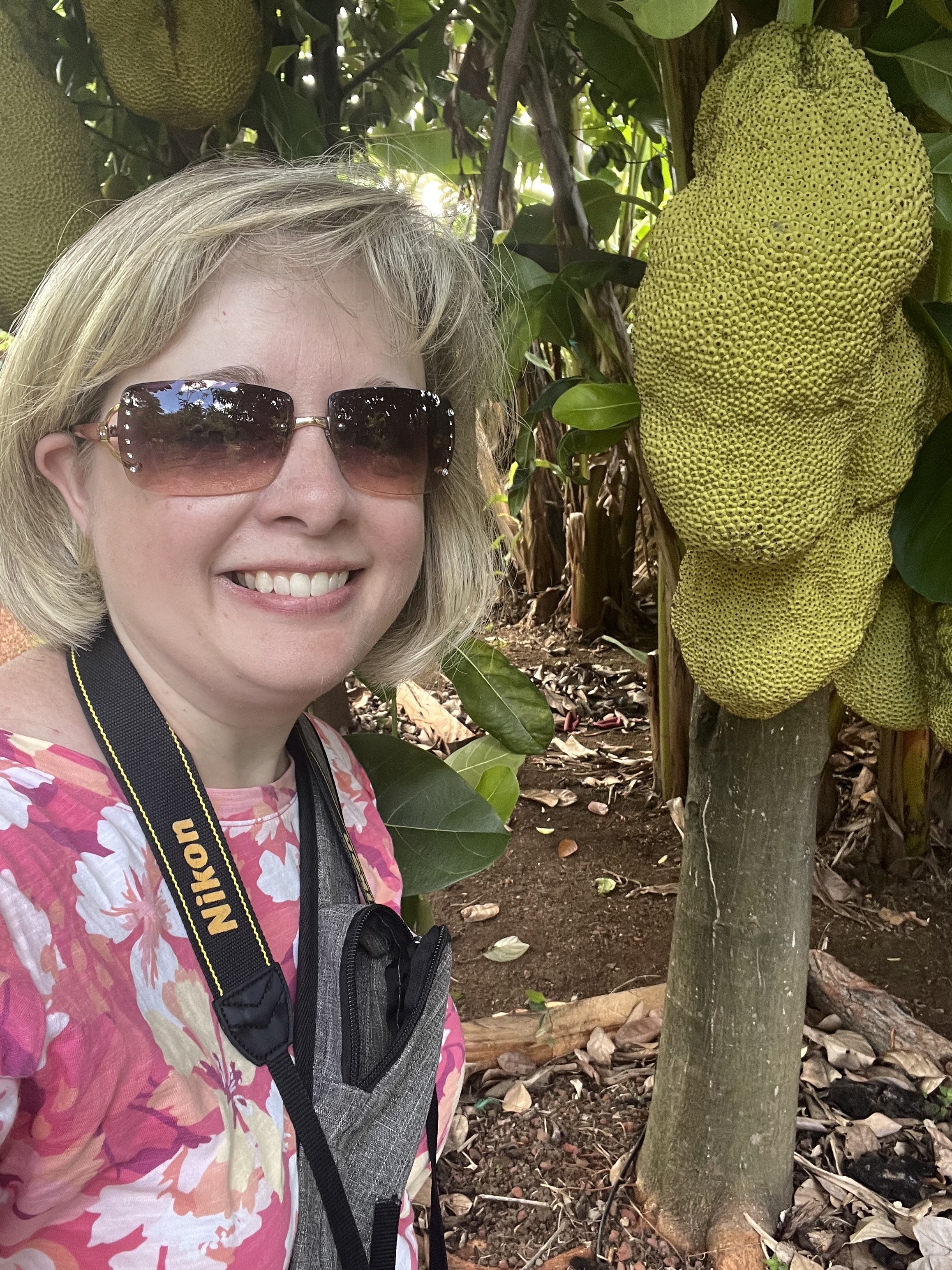
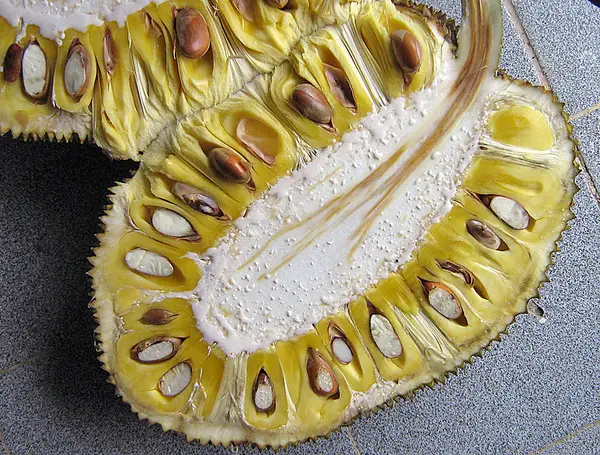
Jackfruit (Artocarpus heterophyllus) is a broadleaf evergreen tree that grows 30 to 70 feet tall and is native to India. The fruit are melon-shaped growing up to 3 feet in length and are the largest of any tree fruit in the world (Photo 17). The inside of a jackfruit contains many individual lobes each containing a seed (Photo 18). It can be eaten when unripe (cooked into stir fries, curries, chips) or raw when ripe. Harvesting and processing this complex fruit is difficult so it remains rare outside of its cultivated range. Nutritionally, different parts of the fruit are high in protein, calcium, iron, vitamins C and B.
Dragon fruit
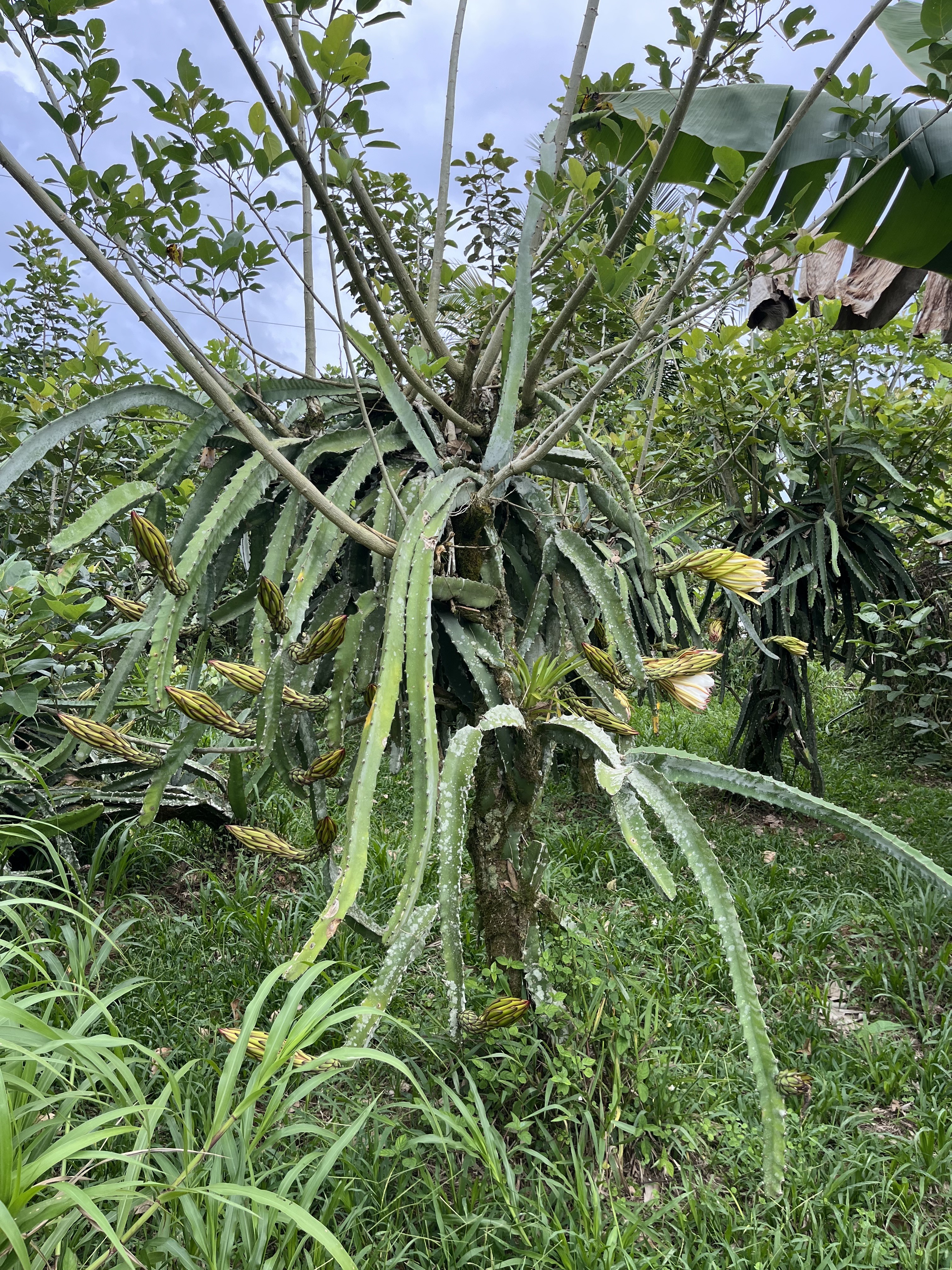
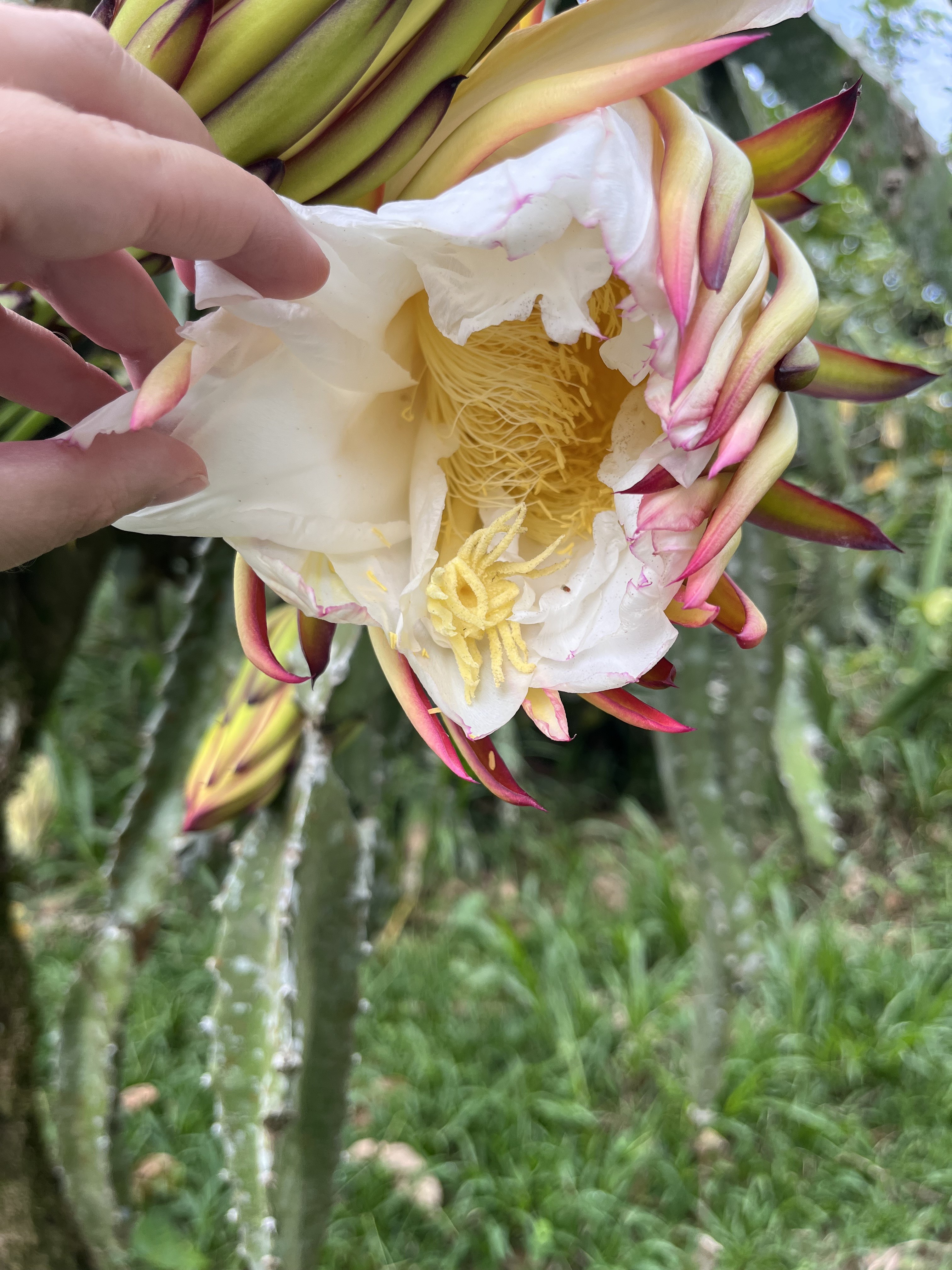
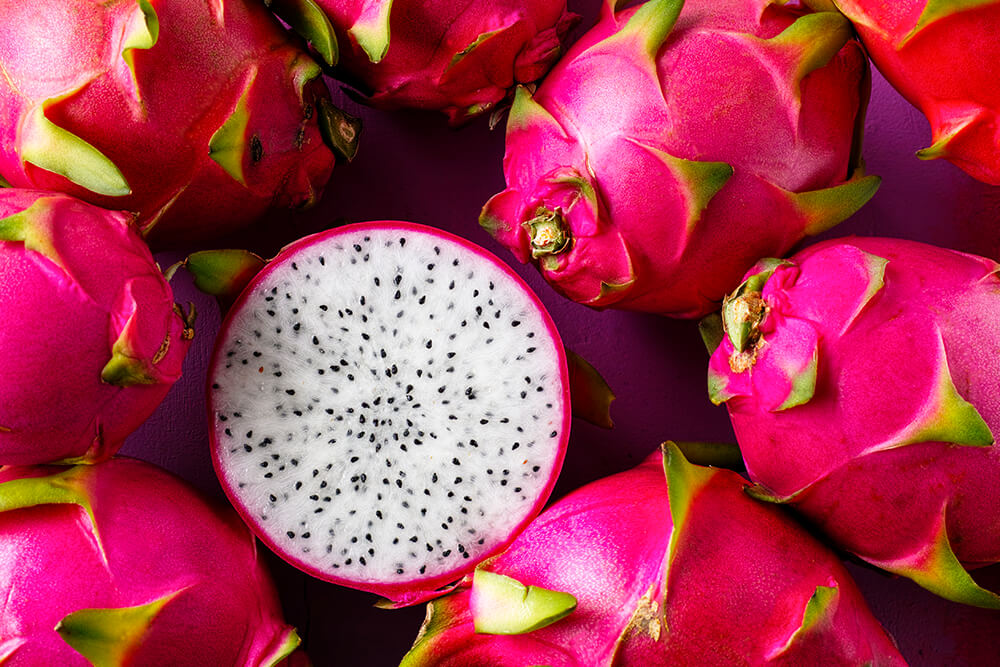
Dragon fruit (Hylocereus spp.) is a fast-growing epiphytic cactus native to central and south America (Photo 19). It is often grown on a poro (Erythrina spp.) tree which are legumes and are historically planted in tropical plantations for their ability to fix nitrogen in the soil. The showy flowers (Photo 20) are pollinated at night by moths, bats or are crosspollinated by hand to increase yields. The distinctive, fuchsia-colored fruit can have white, red, or yellow flesh with small seeds on the inside (Photo 21). It has a mild, sweet taste like a kiwi or pear with edible seeds similar to poppy seeds. It is high in magnesium, vitamin C, iron, vitamin B and antioxidants.
Pineapple
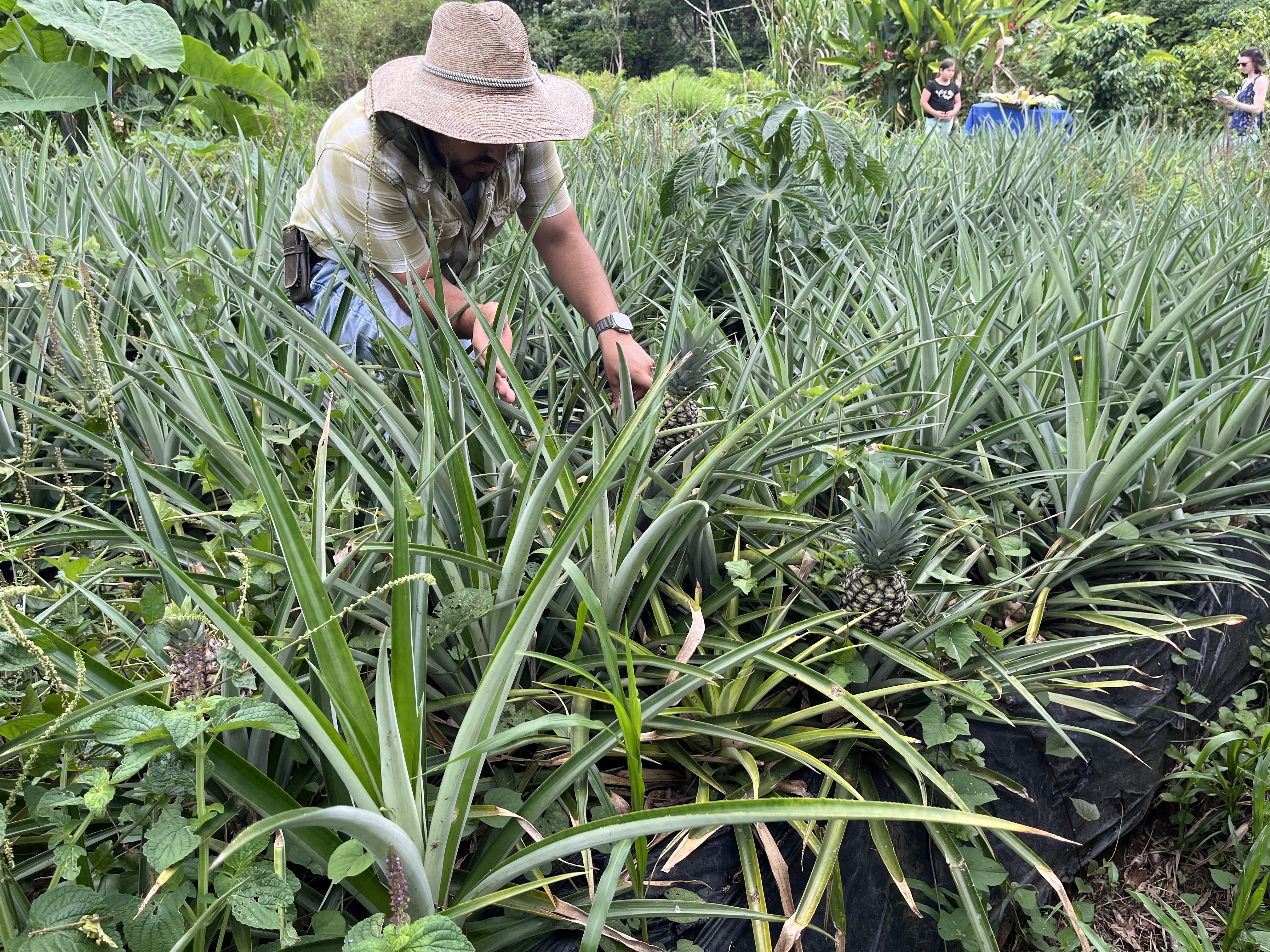
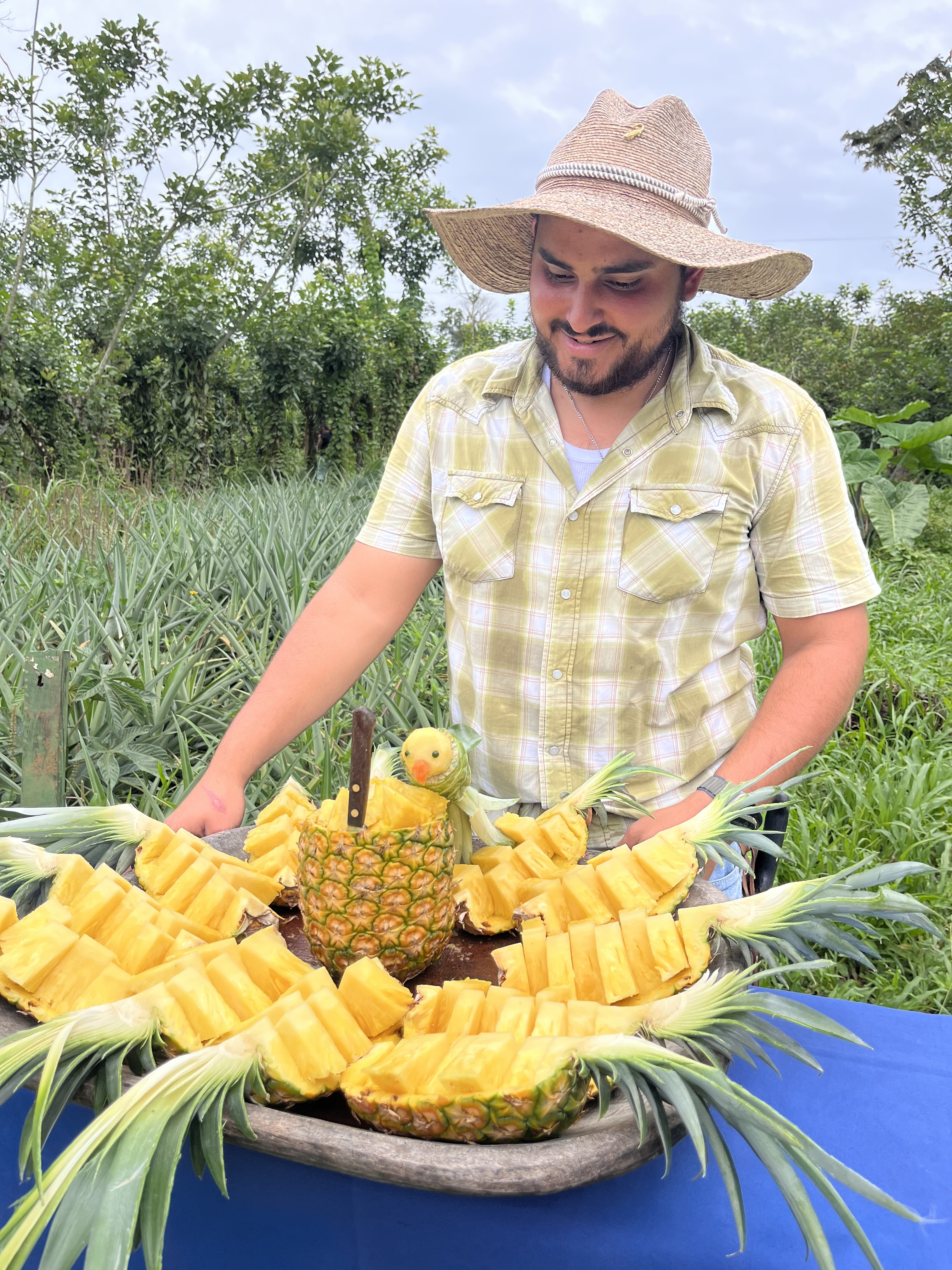
Pineapple (Ananas comosus) is a common fruit in the U.S., but it can only grow in Hawaii within our country. The top three producers in the world are Costa Rica, the Philippines and Indonesia. Each plant produces one mature pineapple per year. The fruit is native to South America and grows on a pokey bromeliad plant (Photo 22). This aggregate fruit is known for its sweet, hydrating flesh and juice (Photo 23). Fruit grades 1 and 2 are exported to the United States when still partially brown and green to yellow. Pineapple is high in vitamin C and manganese and contains bromelain, which helps with digestion.
The production, diversity and nutritional value of tropical fruits is interesting to those of us used to fruits grown in temperate climates. The next time you are in the grocery store or if you are lucky enough to travel to a tropical climate, keep your eyes out for these tasty treats!