


Urban landscapes can be designed to welcome pollinators. See the comprehensive guide to protecting and enhancing pollinators in Michigan landscapes for information landscapers and gardeners can use to attract pollinators and protect them during pest management tactics.
What is pollination?
Pollination is important for home vegetable gardens and backyard fruits. Most fruit trees require insect pollination. Several vegetables including cucurbits (cucumbers, gourds, melons, squashes and pumpkins), tomatoes and peppers also benefit from bee visits.
Which pollinators might visit plants in my garden?
At least 460 species of wild bees are found in Michigan. Every pollinator require two things – resources (pollen and nectar from flowers) and a nest site. Though each species differs in the types of flowers visited, planting a variety of shrubs, trees, and plants that bloom throughout the season can make a difference in supporting bees or butterflies.
Resource on the different types of bees
Webinar on bumble bees of Michigan
Picking the right plants for pollinators
Creating the right habitat for pollinators
Bees nest in the ground or in cavities. These cavities can be rotten logs, trees, or artificial structures. Additional nesting sites can be provided for cavity nesting bees through installing bee hotels.
- Creating a smart habitat for bees
- Lawn alternatives to protect pollinators
- Smart gardening to support monarchs
A bee-friendly lawn is possible by including flowering seed mixes. Smart lawn care will protect pollinators.
News
-
Honoring a legacy, expanding hands-on learning at the MSU Pollinator Performance Center
Published on October 12, 2026
Inspired by the leadership of Dr. Meghan Milbrath, Charlotte Hubbard's gift creates a new gathering place for education and outreach while celebrating the legacy of her late husband, Marshall Beachler. -
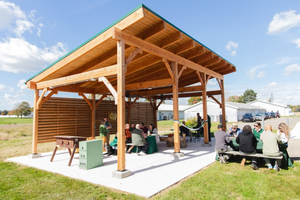
New honey bee teaching pavilion dedicated at MSU Pollinator Performance Center
Published on October 8, 2026
Donor-funded facility expands hands-on education, outreach and training opportunities while celebrating the legacy of a passionate Michigan beekeeper. -
Earn RUP and CCA credits through 2026-2027 MSU Pesticide Safety Webinar Series: The RUP/CCA Credit Clinic
Published on October 5, 2026
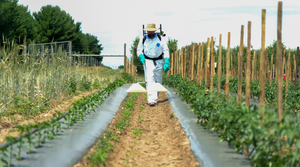
The series includes 10 webinars covering pesticide safety and application topics. Pesticide and education credits are available for participants in Michigan and participating New England states. Registration is now open.

 Print
Print Email
Email