Ten practical steps to navigate challenges and build stronger volunteer partnerships
 Print
Print Email
EmailLearn how to build strong working relationships with fellow volunteers.
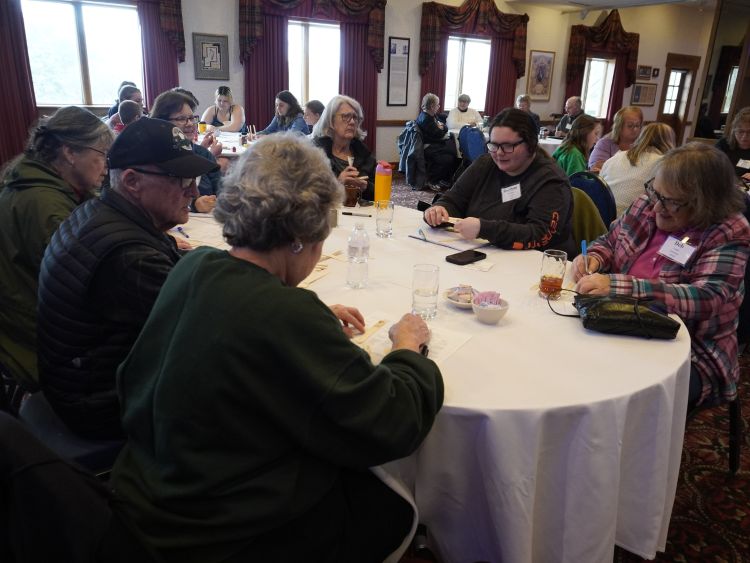
Working with other volunteers isn’t always easy. Volunteers come with diverse motivations, communication styles, life experiences and expectations. While many volunteer relationships feel natural, supportive and energizing, there are times when working alongside another volunteer feels challenging or even draining.
This doesn’t necessarily mean someone is difficult or unkind. More often, it means expectations, communication or working styles are misaligned. Left unaddressed, strained volunteer relationships can affect team morale, program outcomes and your own enjoyment of the work.
The good news? While you may not be able to resolve every difference completely, there are practical steps you can take to strengthen relationships and stay focused on your shared goals.
As Susan Wadia reminds us in “Step Into Your Power,” “You don’t step into your power by controlling others—you step into it by choosing how you respond.” With that mindset in mind, here are ten steps to help you navigate challenging volunteer relationships with confidence and intention.
1. Acknowledge the challenge
Avoiding tension doesn’t make it disappear—it often allows it to grow. Acknowledging that a relationship feels strained is the first step forward. This isn’t about placing blame; it’s about recognizing that something needs attention so your volunteer work can continue meaningfully.
2. Look inward first
It’s human to focus on what the other person is doing wrong, but growth begins with self-reflection. Ask yourself:
- How did we get to this point?
- How might my actions or reactions be contributing to the issue?
- What could I do differently?
Wadia emphasizes self-awareness, noting that “clarity begins when we take responsibility for our own energy and actions.”
3. Begin with the end in mind
What kind of working relationship do you want? For volunteers, the goal is rarely friendship—it’s mutual respect, reliability and teamwork in service of the mission. Keeping the program’s purpose, youth, community or clientele at the center can help reframe difficult dynamics.
4. Extend an olive branch
When appropriate, suggest a one-on-one conversation. Choose a neutral, comfortable setting—coffee before a meeting, a short walk or a quiet corner after an event. Approaching the conversation calmly and respectfully signals that your intention is collaboration, not confrontation.
5. Start with heart
Open the conversation by expressing shared commitment to the program and its goals. This is not the time to “win” or assign fault. As Wadia writes, “When we lead with intention instead of reaction, we create space for connection.”
6. Listen to understand
Listen without interrupting or preparing your response. Often, both people feel unheard. You may not agree with everything you hear, but understanding someone’s perspective doesn’t require agreement. Keep emotions in check and stay focused on what will help the team move forward.
7. Agree on a way forward
Together, identify what each of you can do differently. This might include clearer communication, defined roles or agreed-upon boundaries. Sometimes the best outcome is agreeing to work differently—while still working respectfully.
8. Commit to the plan
Whether it’s a verbal agreement or a simple recap of next steps, mutual commitment matters. Clear expectations help prevent old patterns from reemerging.
9. Follow through
Progress depends on action. Put the agreed-upon changes into practice and check in as needed. Consistency builds trust over time.
10. Be patient and proactive
Strained relationships don’t resolve overnight. Trust takes time to rebuild. Be patient, but don’t ignore new issues—address them early before frustration builds.
You can’t control how other volunteers behave—but you can control how you show up. By choosing professionalism, self-awareness and purpose-driven communication, you protect both your well-being and the integrity of the program.
As “Step Into Your Power” reminds us, growth often begins in discomfort—and when handled thoughtfully, difficult volunteer relationships can become opportunities for leadership, resilience and meaningful impact.
Michigan 4‑H offers countless opportunities for youth and volunteers to learn, lead and belong. There is no enrollment fee, and your local 4‑H program coordinator can help you find the right club or opportunity in your area.
Michigan 4-H is part of Michigan State University Extension. Find out more about becoming a 4‑H member or volunteer by contacting your local MSU Extension office to explore the option that’s right for you.