When a cover crop becomes a cash crop: Lessons from a cereal rye seed production field
 Print
Print Email
EmailA West Michigan grain farmer’s goal of growing cereal rye for grain seed leads to some important lessons on cover crop usage in Michigan.
The use of cover crops, such as cereal rye, has become an increasingly popular practice in Michigan field cropping systems—and for good reason. Michigan State University Extension strongly advocates for the use and integration of cover crops into production systems for numerous agronomic and environmental benefits.
Keeping living roots in the soil and maintaining soil cover can help preserve soil structure and protect against erosion. Cover crops can also build soil organic matter, promote microbial activity, improve soil health, help manage soil moisture, scavenge nutrients and contribute to soil fertility.
Recently, Michigan State University Extension had an opportunity to work with a grower in West Michigan near Lake Michigan who had a unique goal: to grow cereal rye as a winter cover crop, but rather than terminating the crop in the spring, allow it to mature and produce seed grain.
This approach presents an opportunity to use cereal rye for multiple purposes—as a cover crop that provides agronomic and soil-health benefits while also potentially producing economic value as seed.
However, this particular experience illustrates some important considerations when a cover crop is managed as a cash crop.
A challenging cereal rye stand
The grower contacted MSU Extension after noticing what appeared to be a disease problem in the final stand of cereal rye. During a site visit, it was visually apparent that the crop had experienced significant problems affecting stand density, plant development and overall crop maturity.
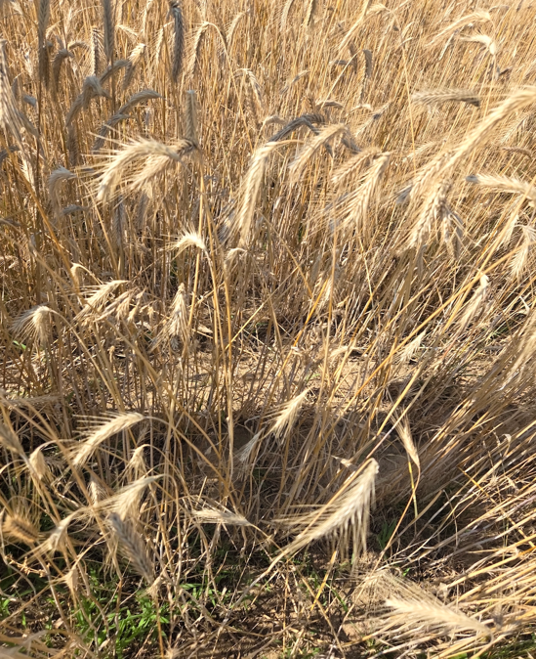
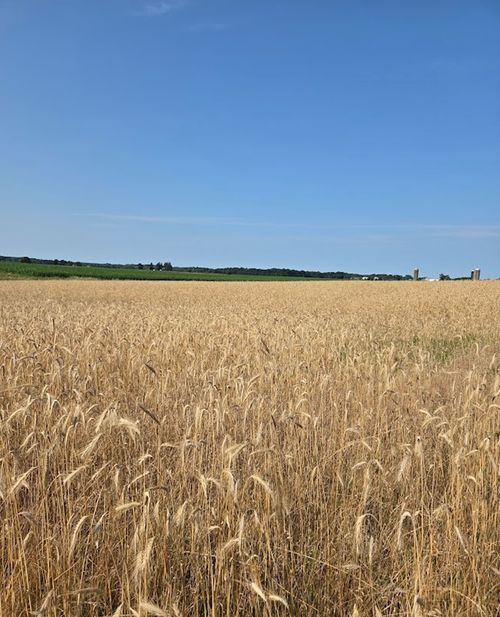
The cereal rye stand was sparse, and plants had produced undeveloped developed heads with poor grain fill. Numerous kernels throughout the heads also showed evidence of black mold growth.
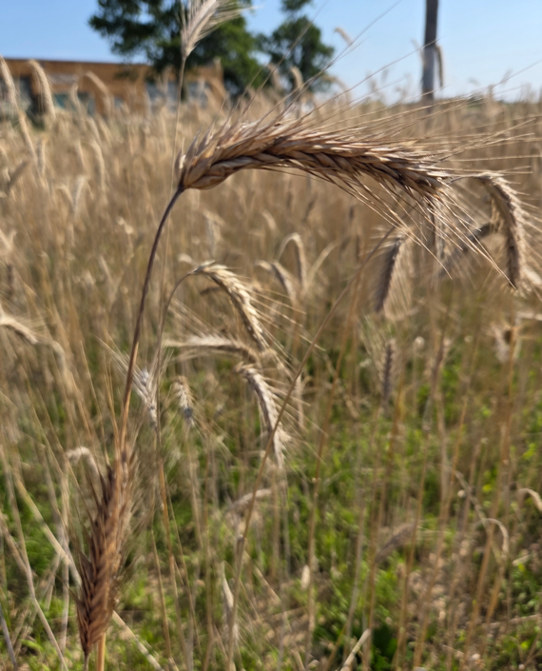
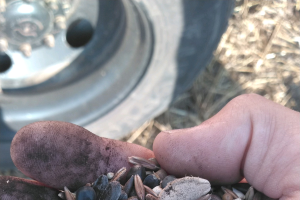
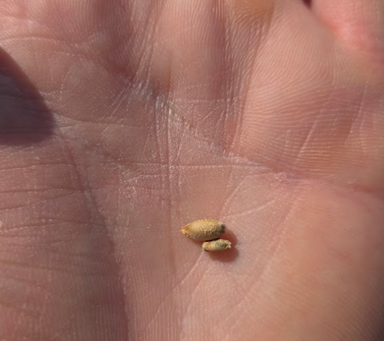
A comparison of poorly developed grain with unaffected cereal rye grain further demonstrated the severity of the problem. Unaffected, properly developed kernels were difficult to find within the field.
Diagnostic results
A field sample of the entire plant along with multiple samples of the suspected infected grain head were sent to the MSU Plant and Pest Diagnostics Lab for analysis.
The diagnostic report concluded the following:
- The sample contained few clumps of actual cereal rye
- The plants had produced stunted heads with poor grain fill
- Plants senesced prematurely from abiotic conditions and/or disease present
- The plants showed evidence of colonization with anthracnose and Alternaria associated with Alternaria head rot.
The diagnostic laboratory also noted the difficulty in determining what ultimately caused the premature decline and poor maturity of the plants. Abiotic factors, such as drought stress, may have contributed to the overall decline, while disease organisms were also present.
Because the entire field was affected, it is possible that abiotic stress played a key role in predisposing the plants to disease and contributing to premature senescence. The presence of disease organisms does not necessarily mean that disease alone was responsible for the poor crop performance however.
Background
In the fall of 2025, the grower decided to establish a cereal rye crop with the intention of producing seed. Due to time constraints and limited sourcing options, the grower obtained uncertified seed from a nearby farm.
The crop was established in the fall and allowed to overwinter as a cover crop. Rather than terminating the cereal rye in the spring, the grower allowed it to continue growing with the goal of harvesting seed grain. During the 2026 growing season, a fungicide application was not made at the appropriate time at early flowering to provide protection and suppress diseases affecting small grain crops such as ergot, Fusarium head blight, leaf rust, and head scab. The resulting crop experienced poor development, premature senescence and significant disease pressure.
This experience provides several important lessons for growers considering cereal rye not only as a cover crop, but also as a crop intended to produce forage or seed.
Important lessons
Treat cover crops like cash crops when the goal is production
Cover crops are often managed differently from cash crops because the primary goal is frequently soil protection, nutrient management or biomass production. However, when a grower intends to harvest a cover crop for forage or seed, the crop should be managed with the same attention to agronomic fundamentals as any other cash crop.
Site selection, seed quality, variety selection, fertility, planting practices, pest management, disease management and harvest timing all become important considerations. In other words, a cereal rye crop intended only for winter soil cover will have different management requirements than one intended to produce high-quality seed for future planting or sale. MSU Extension has a Cereal Rye Factsheet that details target seeding rates, planting tips, benefits of cereal rye usage, and termination methods.
Variety and seed selection matter
Variety selection is an important component of achieving the desired outcome from any crop. In this case, the grower was working under time constraints and had limited access to seed, leading to the decision to source local, uncertified seed in order to get the crop established in a timely manner. While this decision allowed the grower to plant the crop, it also introduced uncertainty regarding the purity, genetic identity, quality and performance characteristics of the seed.
When the objective is to produce high-quality grain or seed, starting with high-quality, appropriately selected seed is especially important. Rye grows much taller than other cereal grains which can cause lodging and difficult harvest conditions. In the MSU Cereal Rye Variety trials, ‘Danko’ and ‘Wheeler’ variety rye consistently produced low lodging scores compared to other varieties in the trial.
The basic principle is simple: quality inputs, combined with sound management practices, provide a better opportunity for a quality end product.
Disease management is important when harvesting grain
Fungicide management is an important component of successful grain production in crops such as wheat, barley, oats and cereal rye. The presence of anthracnose and Alternaria head rot in this cereal rye crop demonstrates the importance of understanding disease risks and considering whether fungicide protection is warranted.
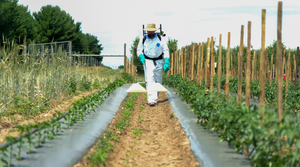
Successful disease management involves more than simply applying a fungicide. Growers should select products labeled for the crop and target disease, follow label directions and consider the appropriate timing of application based on crop development and disease risk. For example, the optimal timing for fungicide applications in small grains like wheat and cereal rye is during early flowering stage around Feekes Growth Stage 10.5.1, when 50% of the heads are in flower. Common fungicides include Prosaro, Caramba, Miravis, and Sphaerex. Growers should consult current MSU Extension recommendations for timing and application rates and follow all pesticide labels when developing an integrated pest management program for your small grains.
Final thoughts
This situation provides an excellent example of a grower attempting to capture additional value from a popular Michigan cover crop. Cereal rye can provide important soil-health and agronomic benefits when used as a cover crop. Allowing the crop to continue growing into the spring and mature for forage or seed production can potentially add another economic dimension to the cropping system.
However, changing the objective also changes the level of management required. The experience in this field highlights the importance of starting with quality seed and selecting an appropriate variety. Establishing the crop in the right environment, managing fertility, and controlling for pests and diseases throughout the growing season are equally important.
In this case, the grower’s experience demonstrates both the opportunity and the challenges of using cereal rye as a dual-purpose crop. Cover crops can provide substantial agronomic benefits, but when they are also expected to produce high-quality forage or seed, they should be managed with the same intentionality and attention to detail as any other cash crop.