


Serenity in the Sanctuary
.jpg?language_id=1)
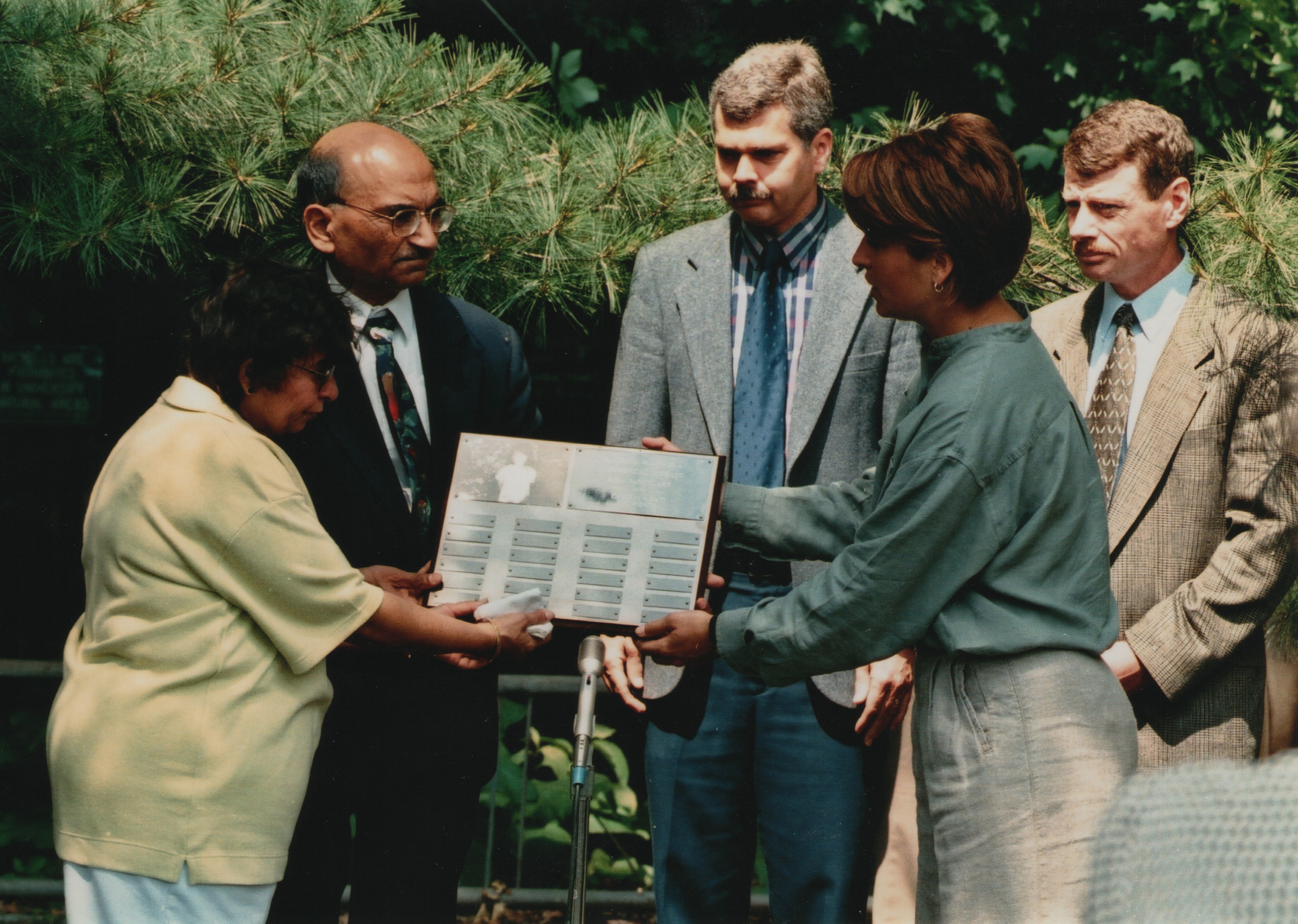
In August 2026, the sanctuary was officially renamed the “Rachana Rajendra Serenity and Bird Sanctuary”. The addition of the word “serenity” reflects the role of the sanctuary, not only as a refuge for birds and wildlife, but also as a place of peace and reflection for those who visit.
This name change honors Rachana’s spirit and love for all aspects of nature. Those that had the privilege of knowing Rachana describe her as someone who brought warmth, joy, and peace to those around her. The sanctuary continues to honor her legacy by providing a space where people can experience nature in the way she did, with wonder and connection.

According to Merriam-Webster, the term Serenity is “a state of utter calm and unruffled repose or quietude”. Other definitions of the word mention the state of being peaceful, calm, and untroubled. The sanctuary offers just this, as the sounds of wildlife activity, birdsong, rustling leaves, and flowing wind create an atmosphere that encourages mindfulness and presence. In the midst of a busy university environment, the sanctuary gives visitors an opportunity to slow down and reconnect with the natural world. Many visitors describe the sanctuary as a place where they can step away from academic, professional, and personal pressures and simply exist in the moment. Ultimately, the sanctuary represents serenity not only as a feeling, but as an experience created through connection with the natural world.

In addition to promoting a sense of serenity, spending time in nature offers a variety of proven physical and mental health benefits. According to the American Psychological Association, time spent outside can improve attention, lower stress, improve mood, and reduce risk of psychiatric disorders. Frequent interactions with nature are also linked to cognitive benefits - green spaces located near schools and homes promote development in children, as well as improve self-control behaviors. Additionally, adults that live in neighborhoods with more green space generally have better attention spans in comparison to those not in close proximity with natural environments. Frequent interactions with nature improves working memory, cognitive flexibility, and attentional control, while exposure to urban environments is linked to attention deficits. These benefits can be explained through concepts such as the biophilia hypothesis, stress reduction hypothesis, and attention restoration theory, which all suggest that humans have an innate desire to connect with nature, which helps restore physical and mental well being. If you haven’t yet experienced this feeling of connection with nature, taking a walk through the sanctuary is a great first step!

The Rachana Rajendra Serenity and Bird Sanctuary represents much more than just an area in Baker Woodlot. It allows for nature, wildlife, and people to exist alongside each other - a place that honors Rachana’s legacy while providing visitors with an opportunity to pause, reflect, and reconnect with the natural world. In doing so, the sanctuary carries on Rachana’s love for nature and creates a space where others can experience that same sense of peace and connection.
To learn more about specific health benefits of spending time outdoors, as discussed by the American Psychological Association, visit their article here: https://www.apa.org/monitor/2020/04/nurtured-nature
Written by Elle Beaufait
 Print
Print Email
Email