


Daylily leaf streak – Collecephalus hemerocalli
 Print
Print Email
EmailPathogen: Collecephalus hemerocalli
Hosts: Hemerocallis
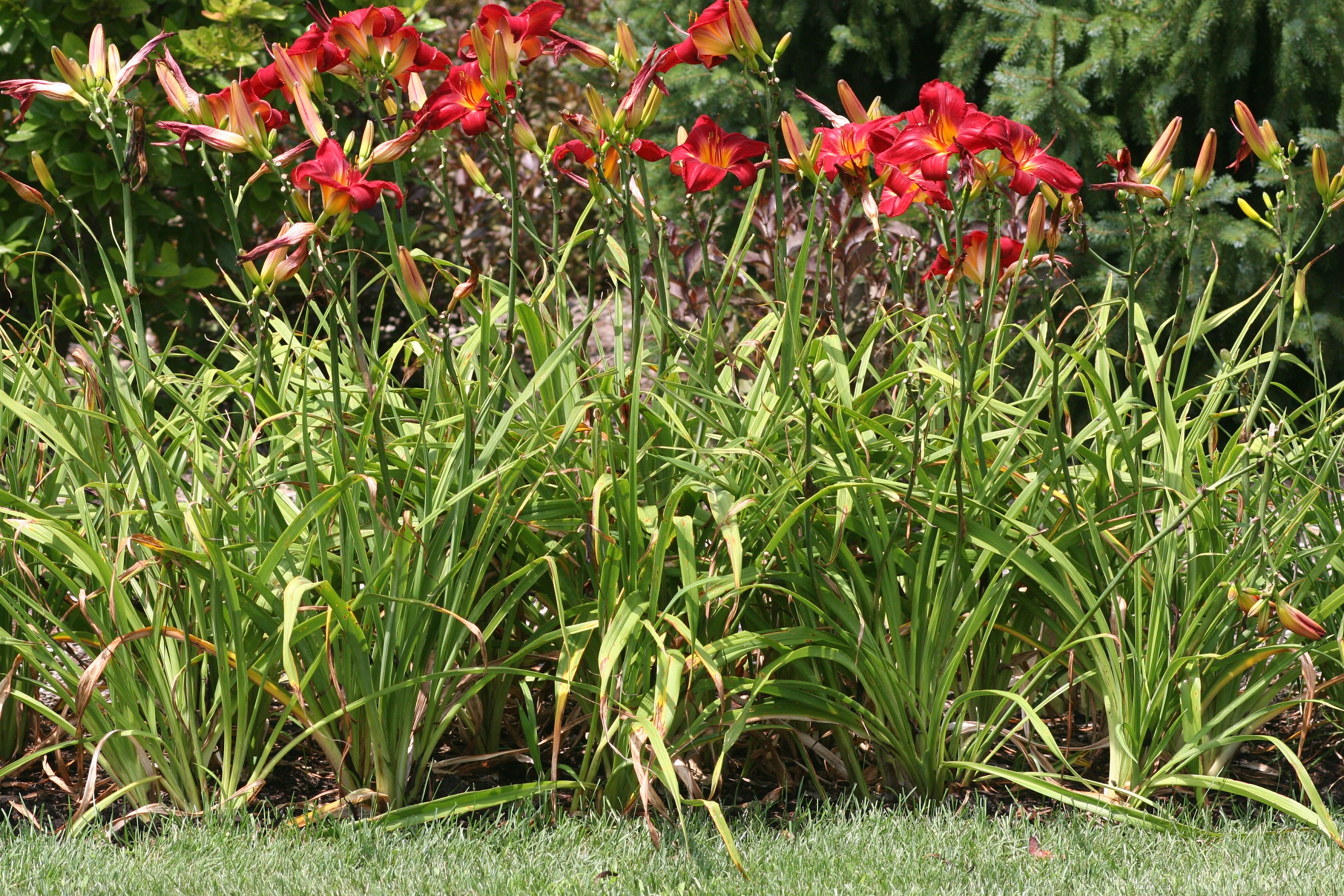
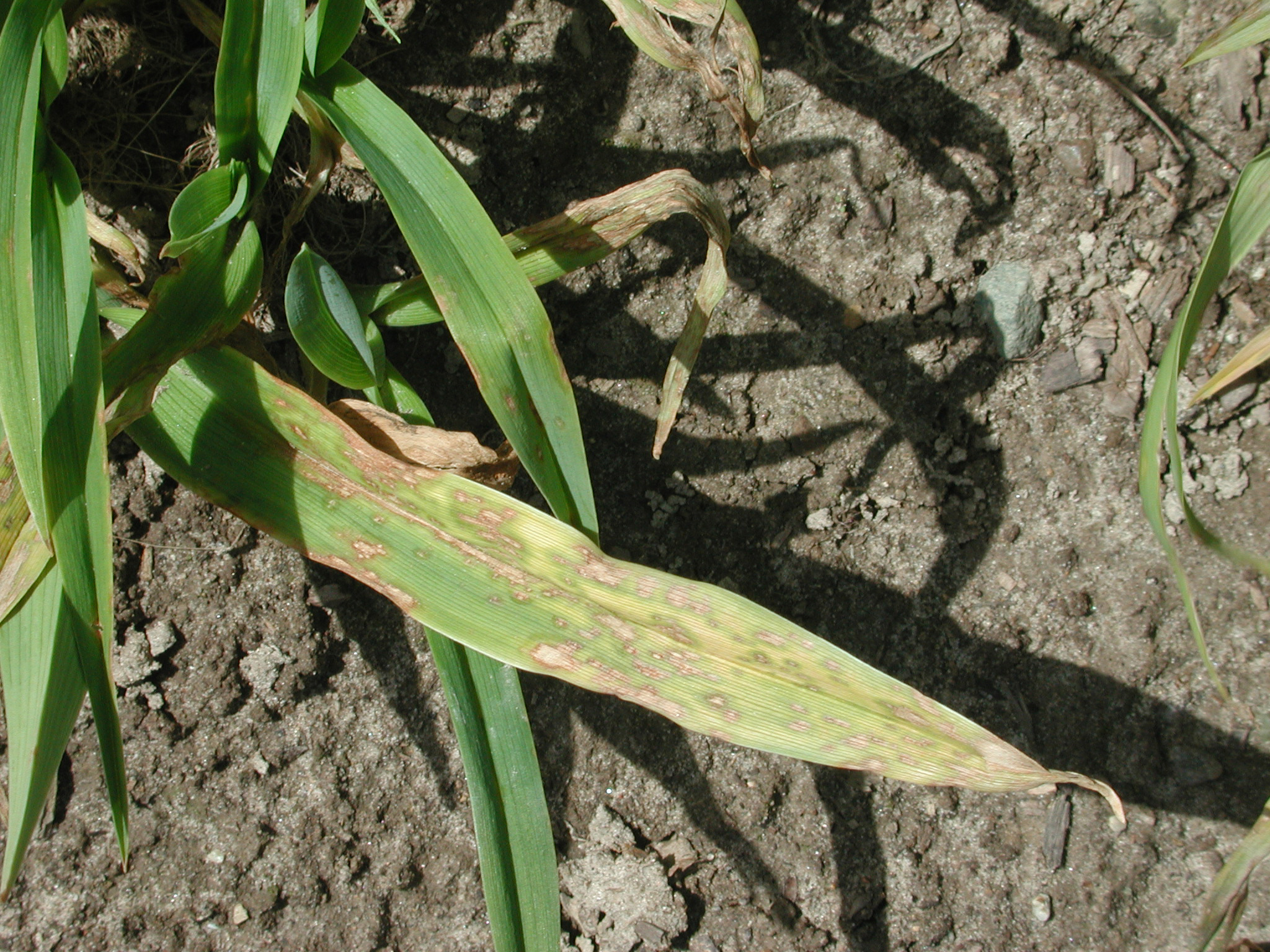
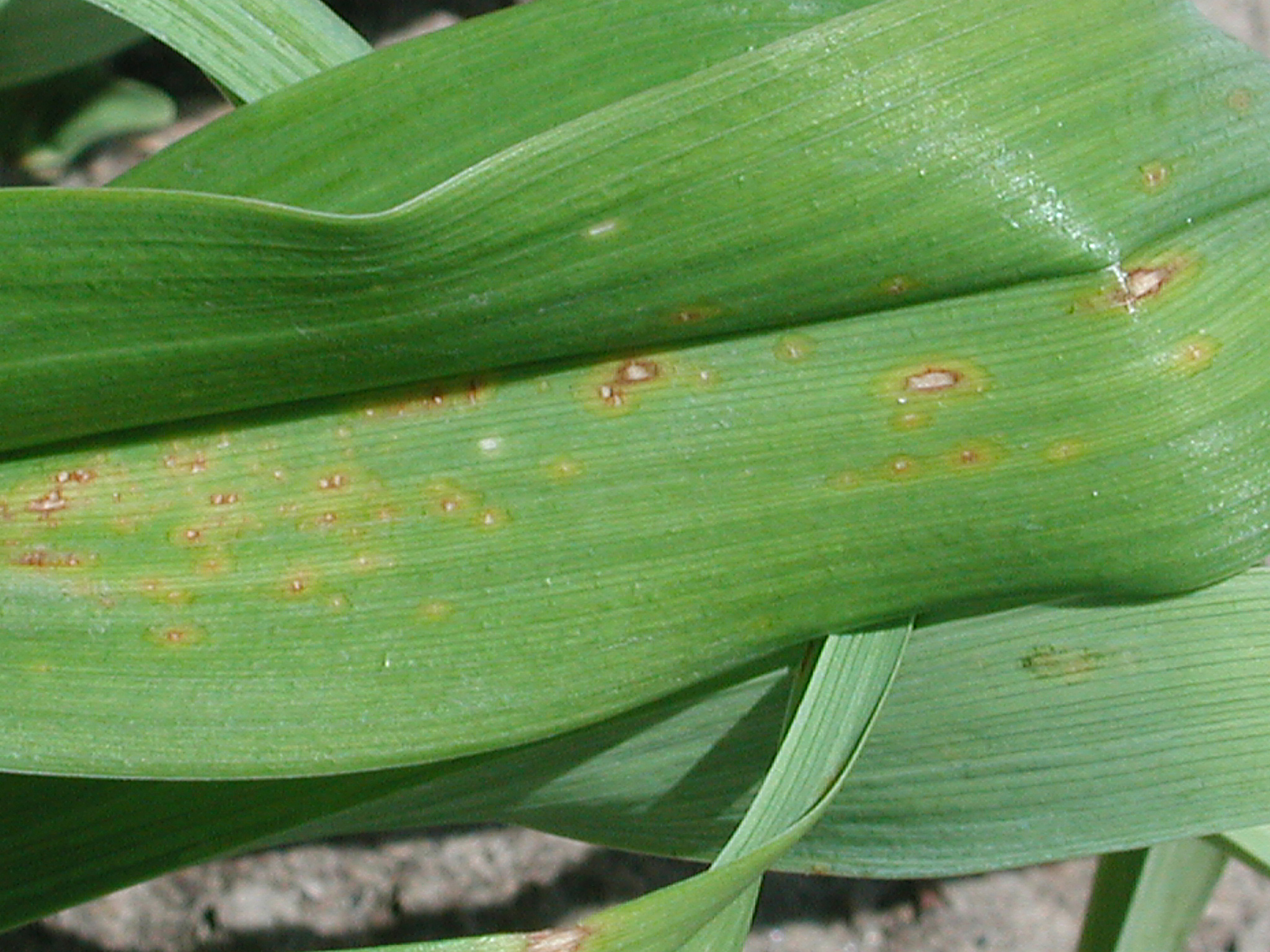
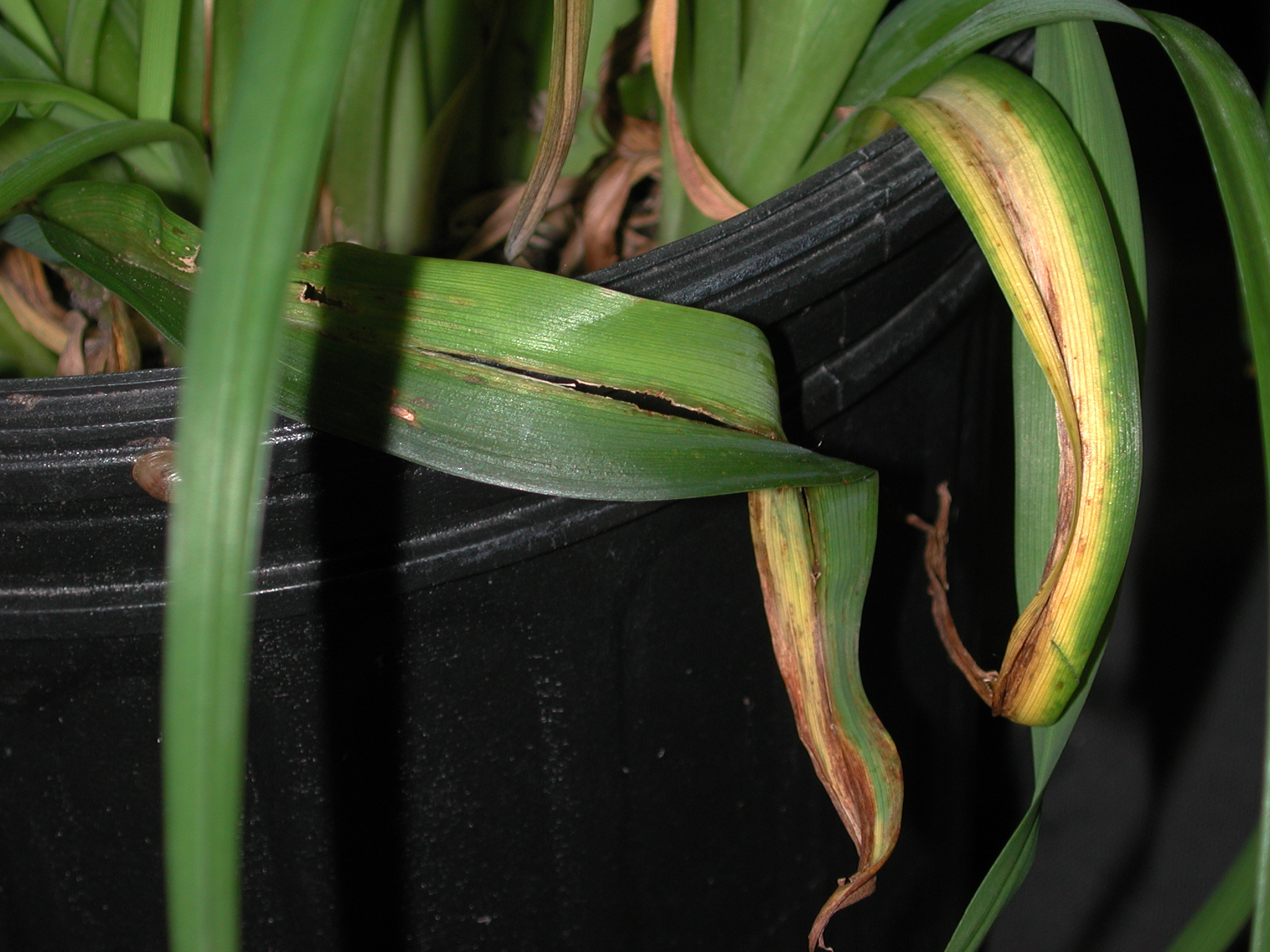
Symptoms: Elongated brown lesions, which are lengthwise on the foliage, surrounded by a chlorotic halo. Lesions that affect the midrib of a leaf cause the leaf to senesce from the lesion to the leaf tip. Tissue in the center of the leaf becomes necrotic, creating a dead “streak” down the middle of the infected leaf. Flower production may be decreased.
Spread: Diseased plant material can introduce the pathogen into a production area. C. hemerocalli produces wind borne spores on infected leaves. Sclerotia, an overwintering structure, are produced on dead or dying foliage.
Management: Cultivars vary in their susceptibility. Dead foliage from the preceding year should be removed. Poorly managed plants in overcrowded growing situations are more likely to become diseased. Disease is more severe early in the growing season, temperatures above 90F limits disease development.
Other Documents in this Series
You Might Also Be Interested In
-
Earn RUP and CCA credits through 2026-2027 MSU Pesticide Safety Webinar Series: The RUP/CCA Credit Clinic
Published on October 5, 2026
-
Michigan to host national conference on disability in agriculture
Published on January 15, 2026
-
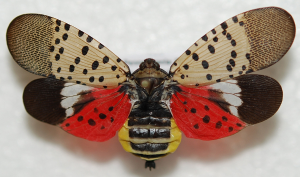
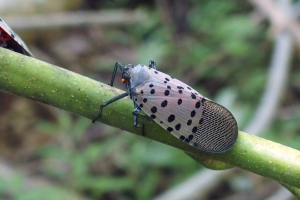
Spotted lanternfly: A colorful cause for concern
Published on November 12, 2020
-
Detection of dead spotted lanternflies in Michigan highlights the need for vigilance
Published on November 16, 2020
-
MSU AgBioResearch, MSU Extension announce 2026 field days across Michigan
Published on May 20, 2026
-
MSU Pesticide Safety Education Program releases educational videos to support pesticide training
Published on March 2, 2026



Accessibility Questions:
For questions about accessibility and/or if you need additional accommodations for a specific document, please send an email to ANR Communications & Marketing at anrcommunications@anr.msu.edu.