


Hollyhock rust – Puccinia malvacearum
 Print
Print Email
EmailPathogen: Puccinia malvacearum
Hosts: Alcea, Althaea, Lavatera, and Malva.
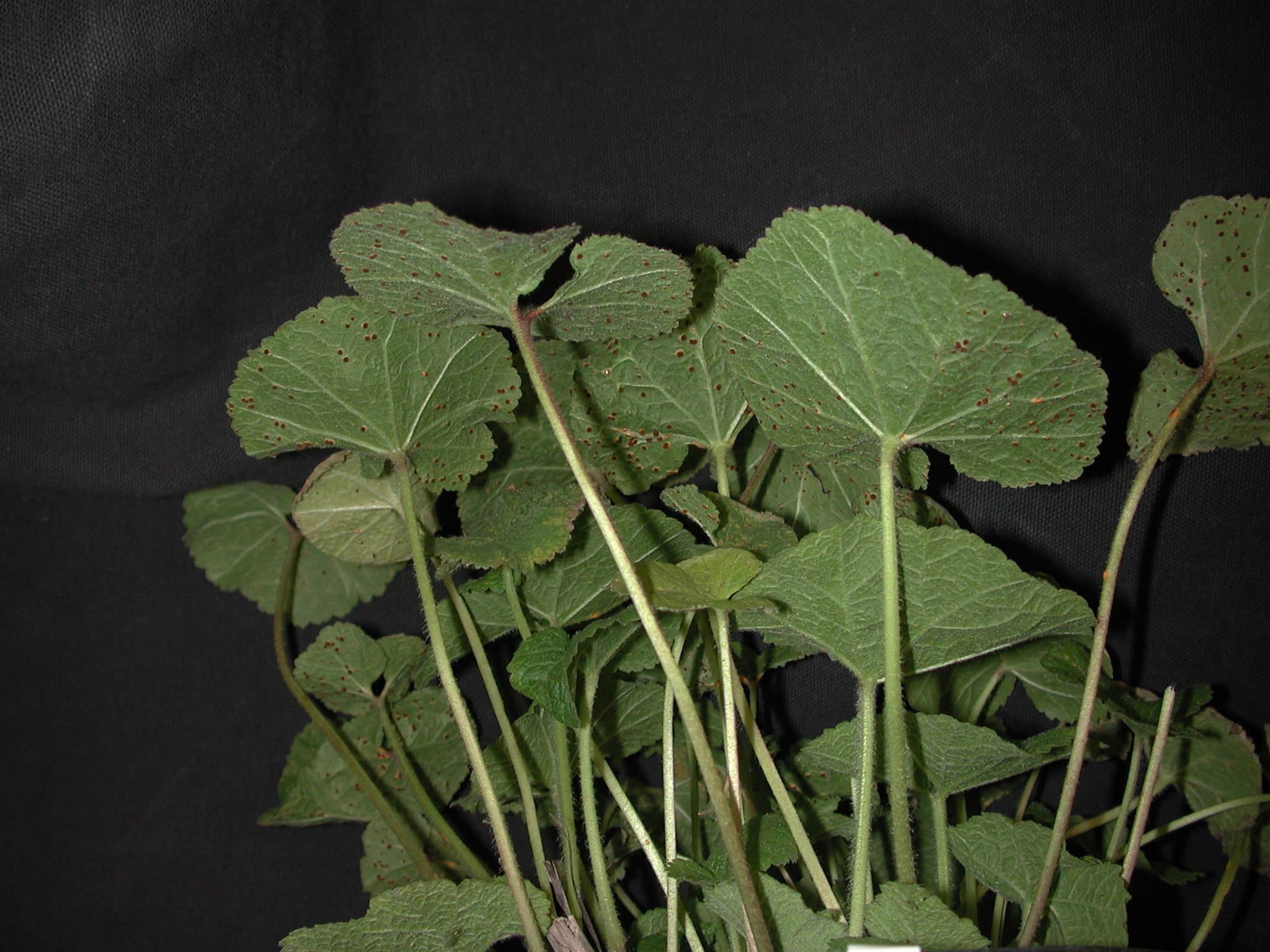
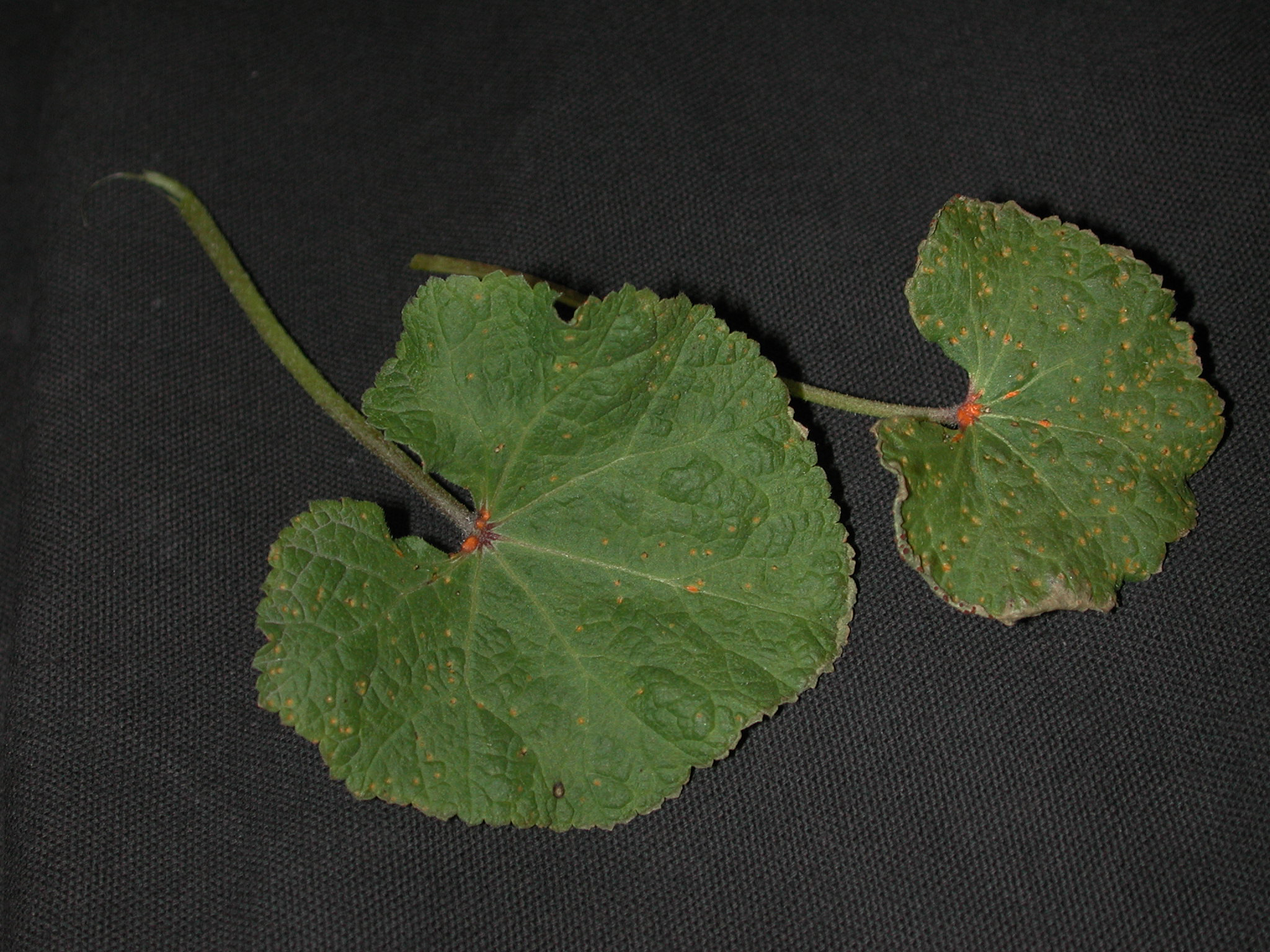
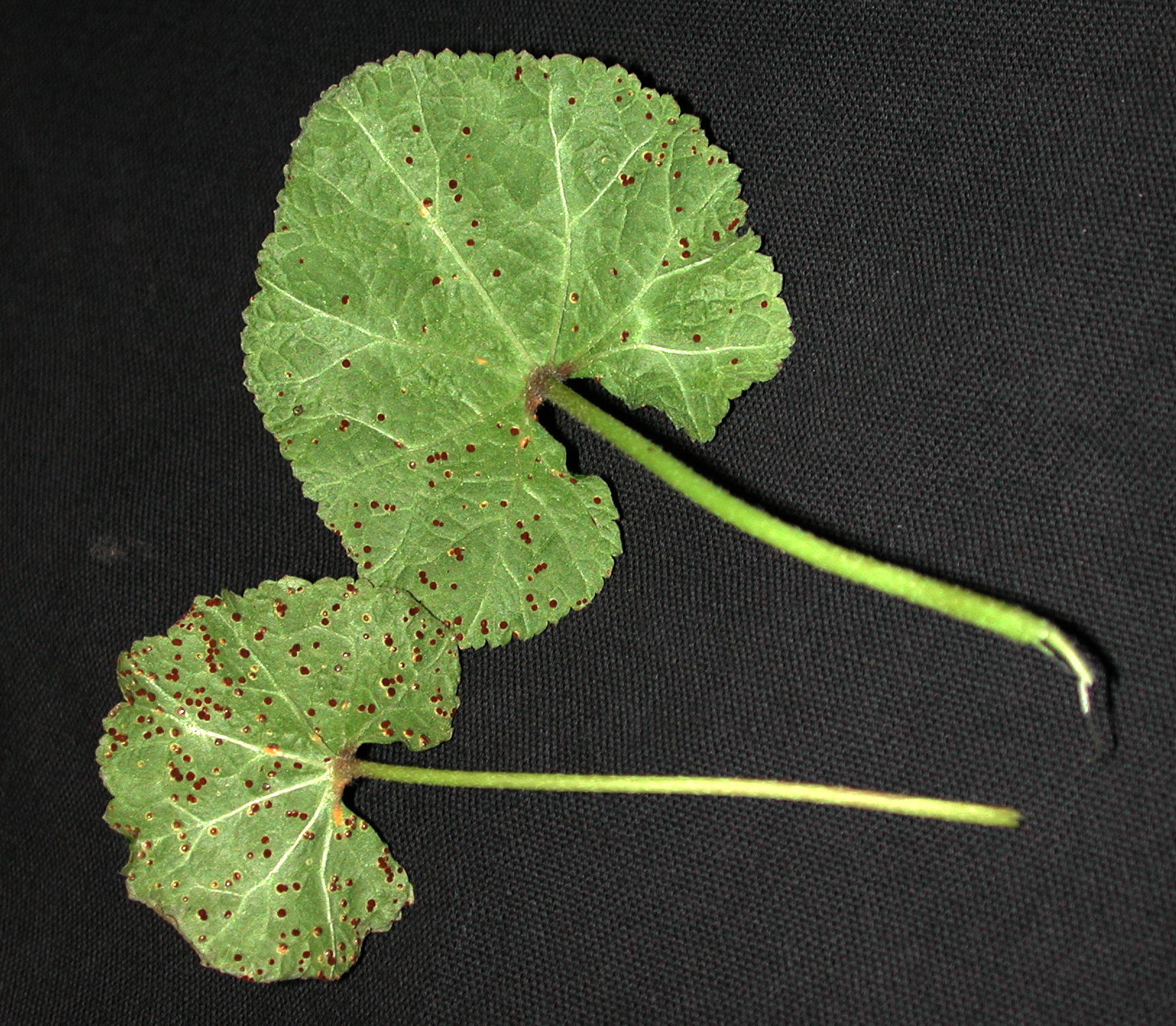
Symptoms: Small brown spots develop on the underside of foliage. Raised, bright yellow or orange pustules are visible on the upper leaf surface. When disease is severe large portions of the foliage are killed.
Spread: Spores can over winter on diseased plant tissues infecting new foliage the following year. Spores are also produced on susceptible weeds these can subsequently infect and cause disease on hollyhocks. Spores are wind dispersed.
Management: Disease control on seedlings is especially important. Fungicide applications at regular intervals are necessary when disease is severe. Plants should be cut back as soon as flowering is done. Plant debris should be removed and destroyed, it should not be composted. Several weeds (in the mallow family) are also susceptible; these weeds should be controlled to limit inoculum in the growing area.
Other Documents in this Series
You Might Also Be Interested In
-
Michigan to host national conference on disability in agriculture
Published on January 15, 2026
-
Spotted lanternfly resources from MSU Extension
Published on January 14, 2025
-
Spotted lanternfly: A colorful cause for concern
Published on November 12, 2020
-
MSU AgBioResearch, MSU Extension announce 2026 field days across Michigan
Published on May 20, 2026
-
Spotted lanternfly is spreading in Michigan, and MSU Extension is helping Michiganders prepare
Published on September 10, 2026
-
Virtual MI Ag Ideas to Grow With conference returns for sixth year with focus on food and livestock production
Published on January 27, 2026



Accessibility Questions:
For questions about accessibility and/or if you need additional accommodations for a specific document, please send an email to ANR Communications & Marketing at anrcommunications@anr.msu.edu.