Hosta Virus X (HVX)
 Print
Print Email
EmailPathogen: Hosta Virus X (HVX)
Hosts: Hosta
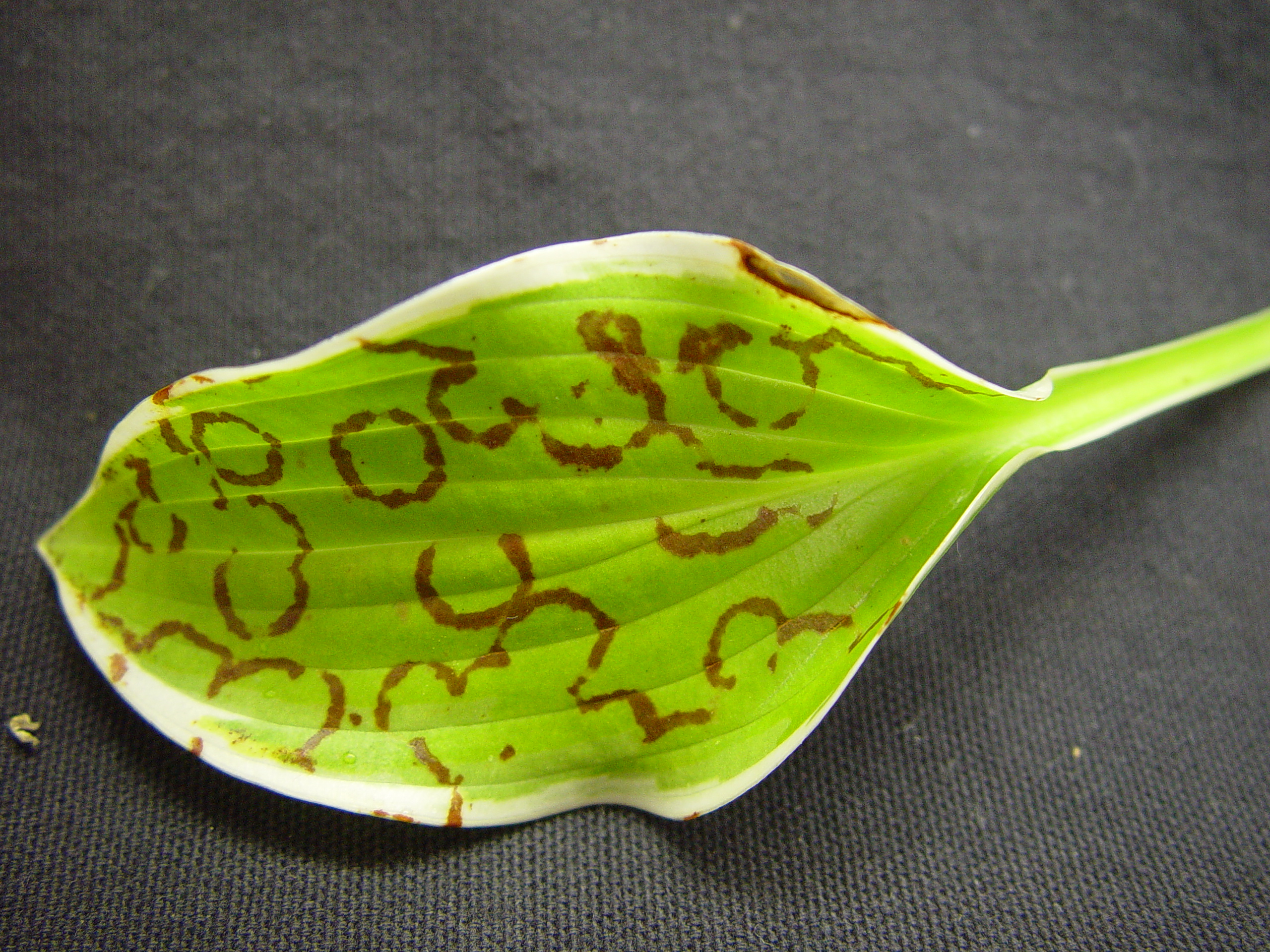
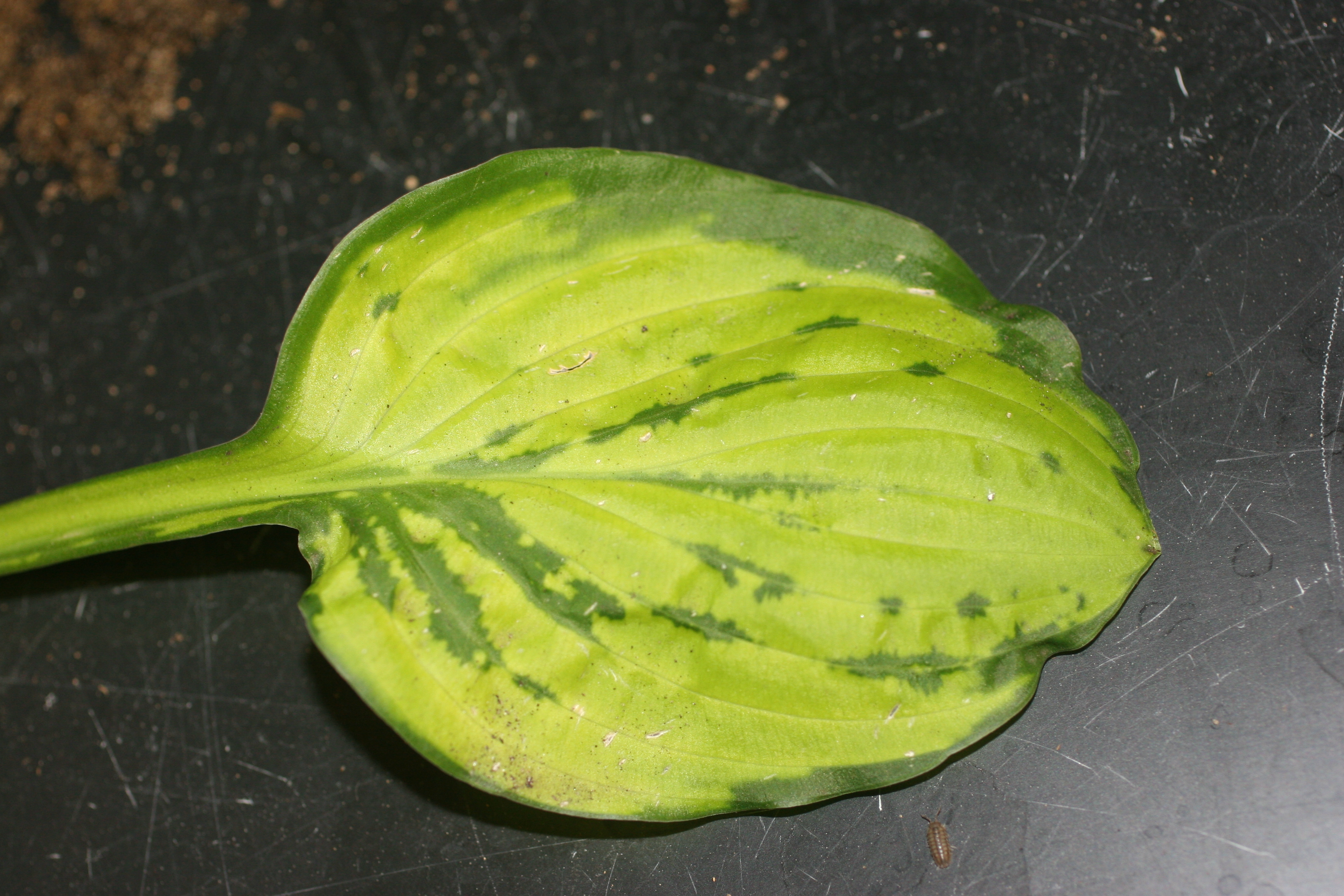
Symptoms: Cultivars vary in their susceptibility, symptoms vary as well. Mottling or mosaic patterns on the foliage are common. Foliage may be puckered or distorted. Severely affected foliage may become necrotic. Blue-flowered cultivars may have color breaking.
Spread: The most significant source of disease spread is through the movement of infected plant material. The virus is sap transmissible and therefore can easily be spread during plant propagation. This virus is not spread by insect vectors.
Management: Infected plants can not be treated and should be removed and destroyed. Carefully inspect all incoming plant material, particularly that coming in from outside the U.S., to be sure it is free from symptoms. Material to be used for propagation should be tested prior to propagation. Contact your local plant diagnostic lab to see what testing options are available. The MSU Diagnostic Services lab offers HsVX testing by ELISA. Regularly disinfest equipment used during propagation or trimming to avoid sap transmission of the virus.