


Liverworts – Division Marchantiophyta
 Print
Print Email
Email(Division Marchantiophyta)
Life cycle
Mat-forming, annual spore-producing plants.
General description
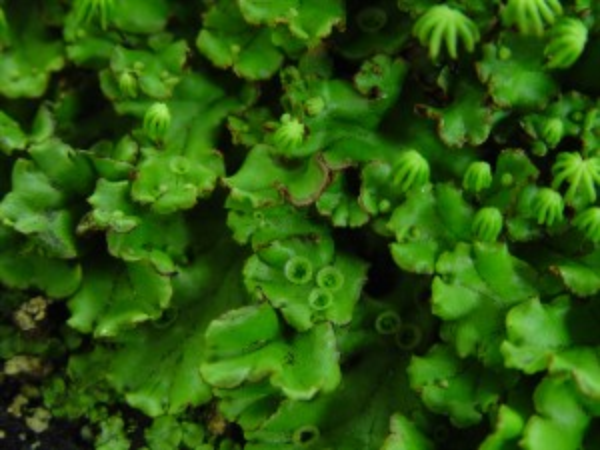
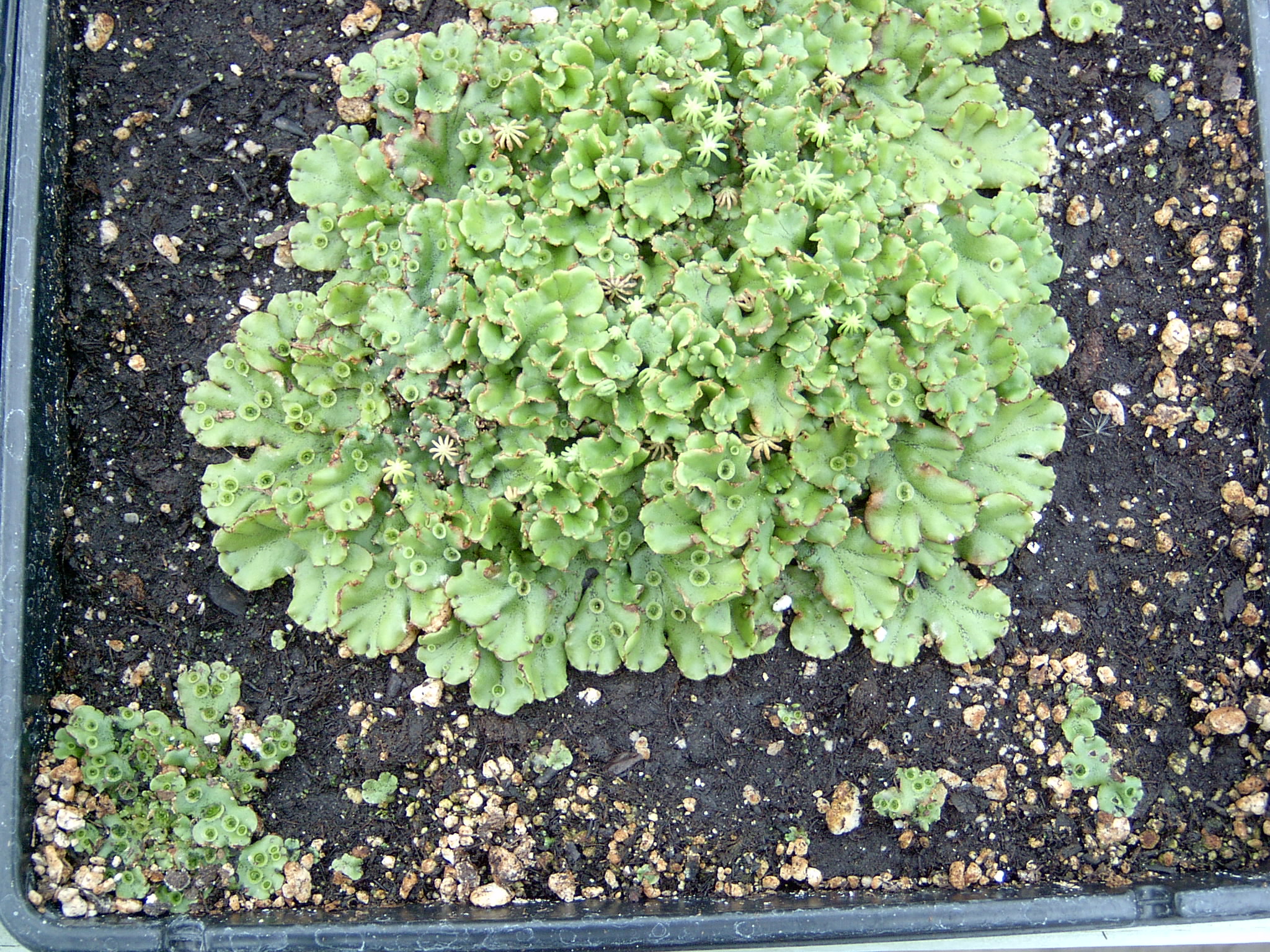
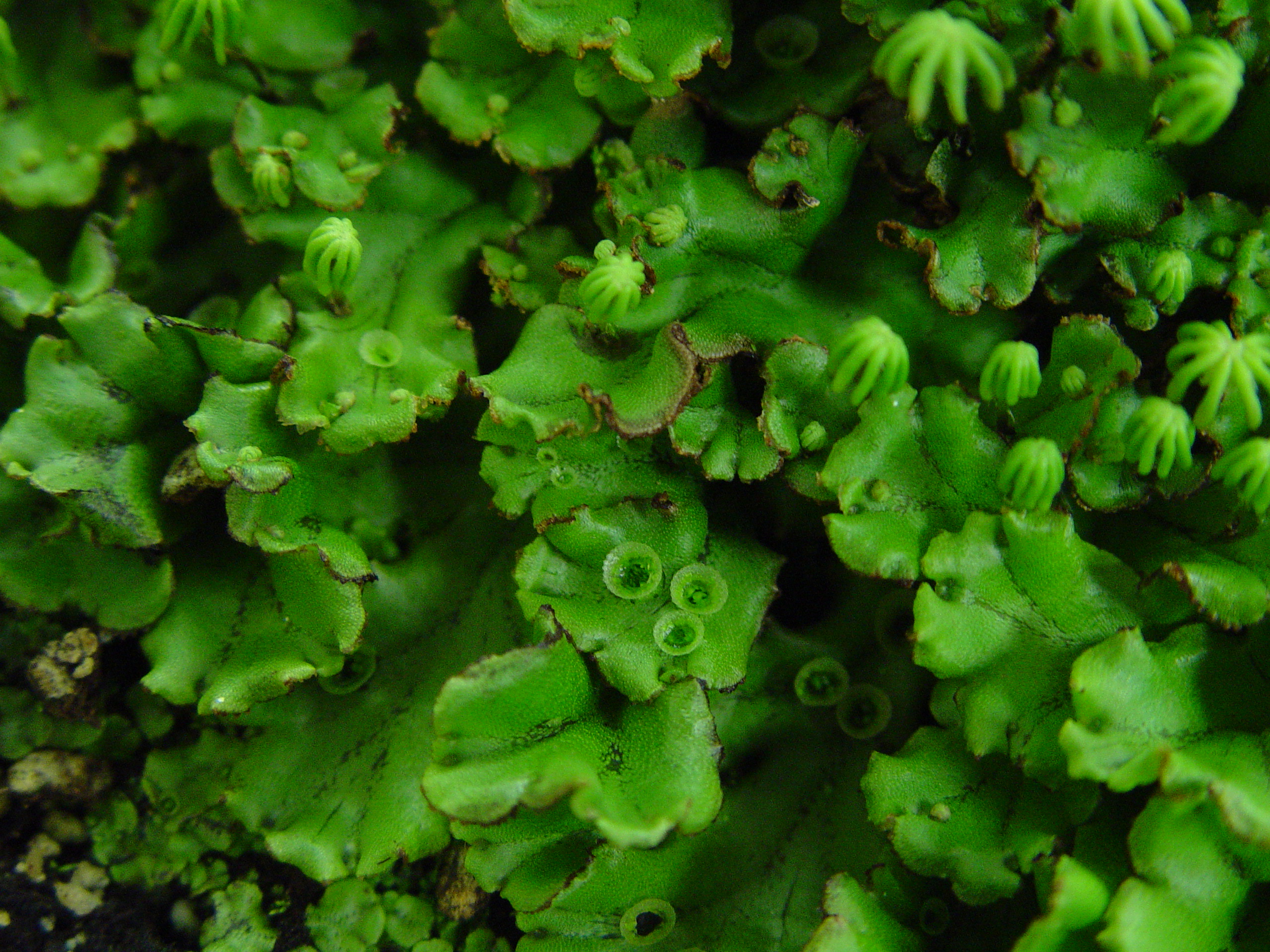
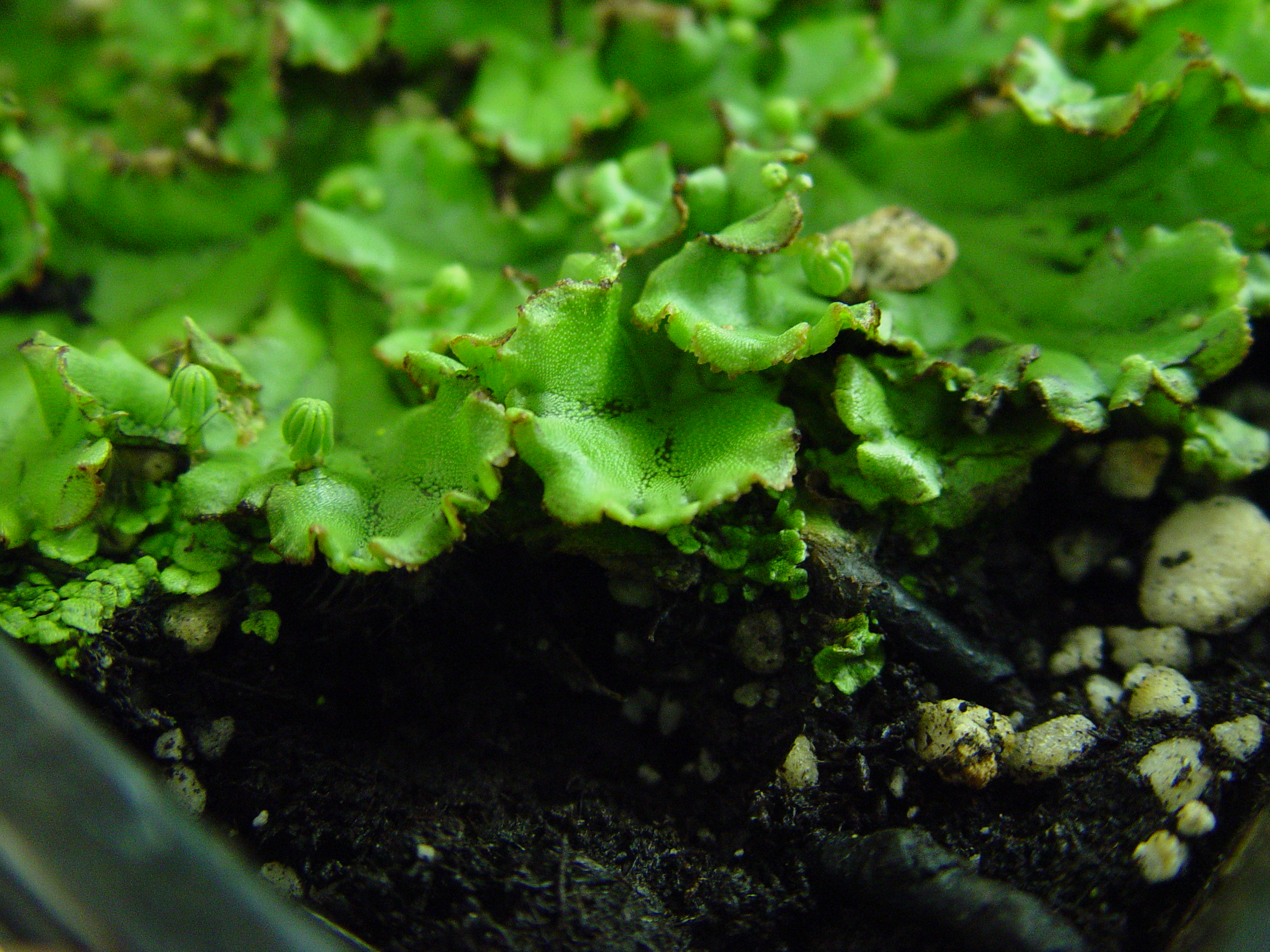
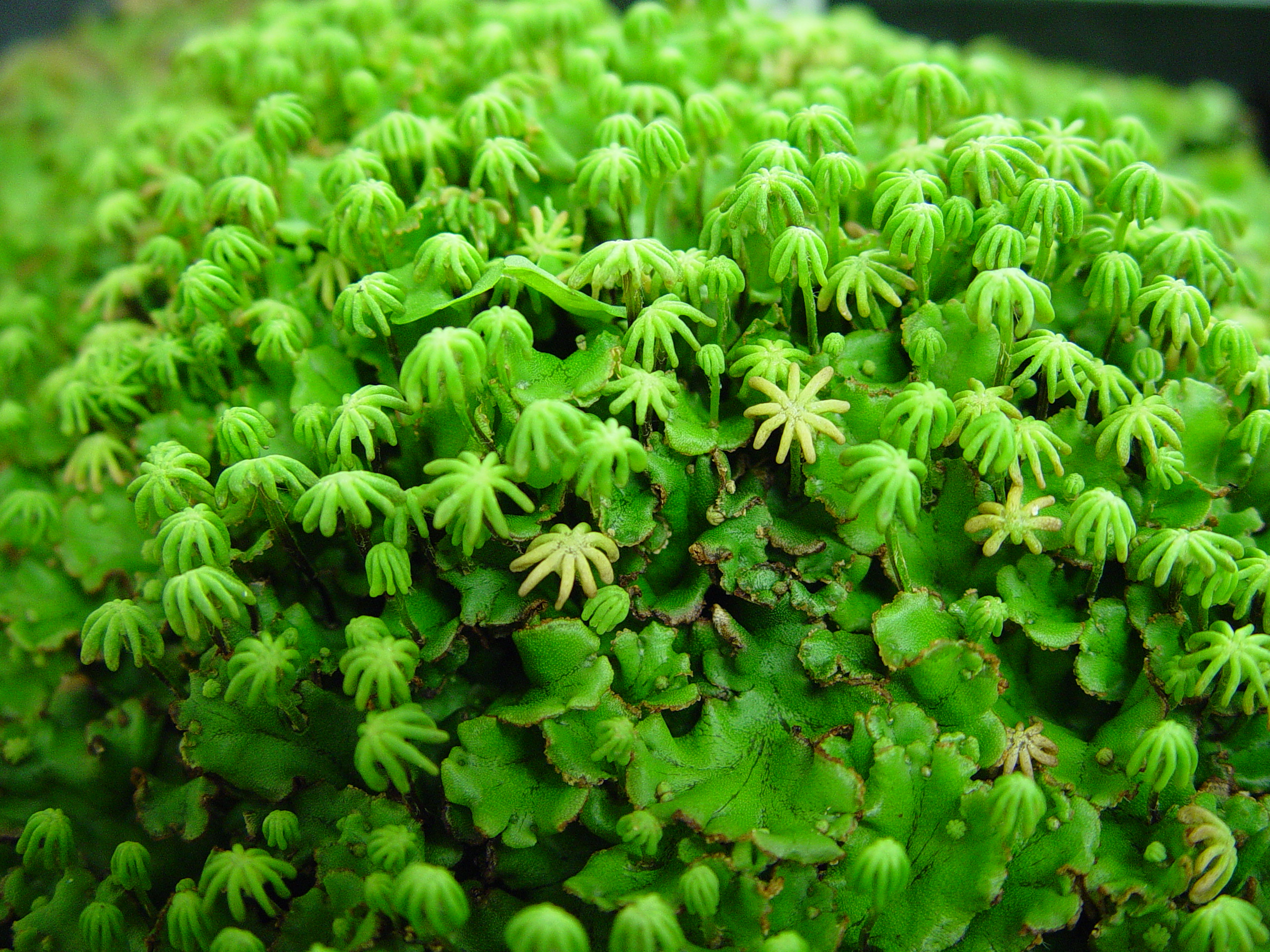
Prostrate and spreading plants that often grow together to form thick mats on the surface of excessively moist soils. The foliage is not obviously differentiated into true leaves, stems, or roots. Plants have rootlike rhizoids, which are not true roots but have similar functions. Small, round to crescent-shaped cups are formed on the foliage. These cups produce budlike structures that are dispersed by water to form new plants. Reproduction also occurs by spores released from palm-treelike structures. No true flowers or fruit are produced.
Foliage
Thick, dull green, ribbonlike foliage with lobed to forked margins.
Reproduction
Vegetatively and by spores.
Other Documents in this Series
You Might Also Be Interested In
-
Tangible geospatial modeling for collaborative solutions to invasive species management
Published on March 28, 2017
-
ECOSYSTEM SERVICES -- Global relationships between biodiversity and nature-based tourism in protected areas
Published on October 30, 2018
-
ECOLOGY AND SOCIETY -- Feedback of telecoupling: the case of a payments for ecosystem services program
Published on July 9, 2018
-
Effects of Global Household Proliferation on Ecosystem Services
Published on April 19, 2013

Accessibility Questions:
For questions about accessibility and/or if you need additional accommodations for a specific document, please send an email to ANR Communications & Marketing at anrcommunications@anr.msu.edu.