


Mosses – Division Bryophyta
 Print
 Email
Life cycle
Mat-forming, mostly perennial spore-producing plants.
General description
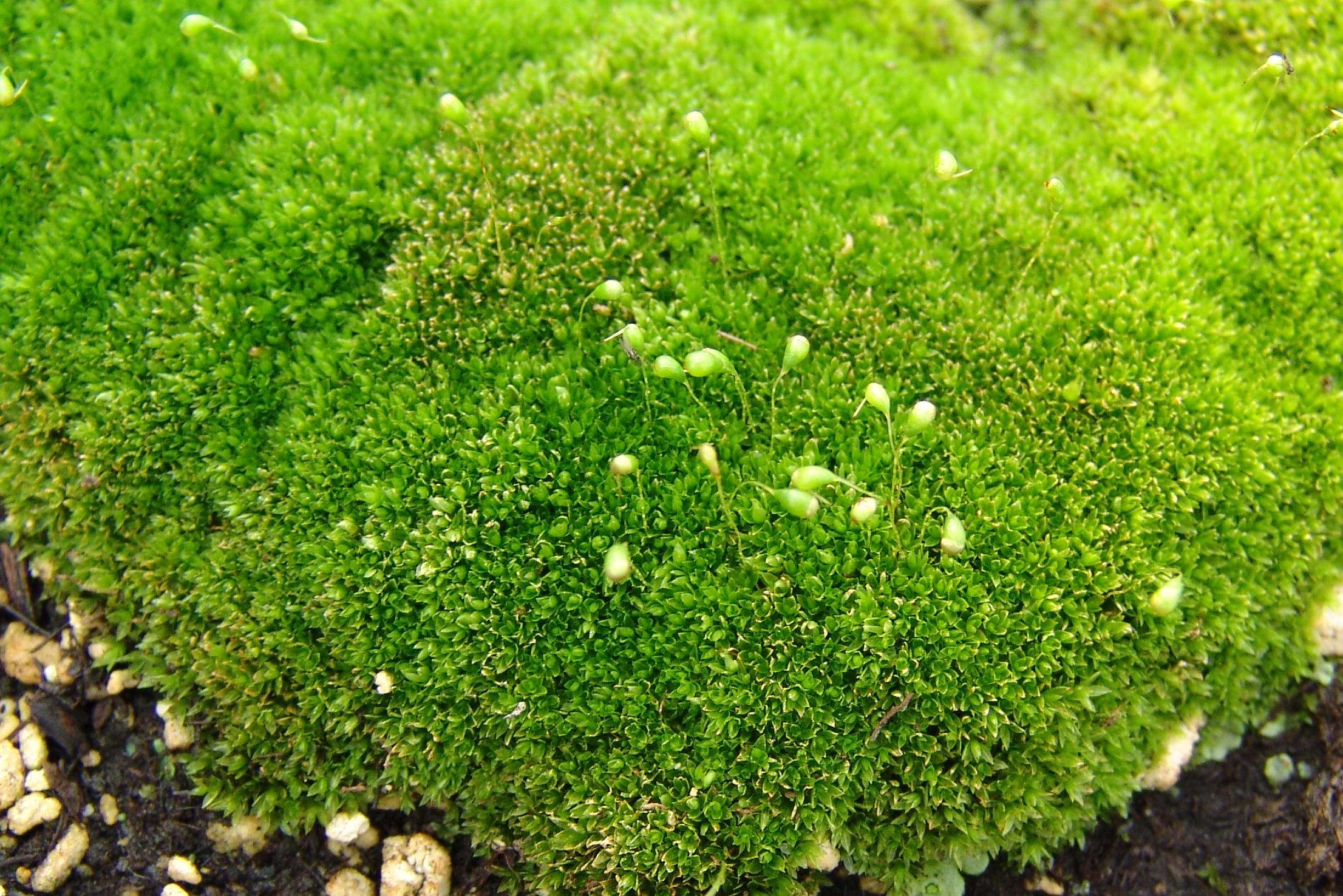
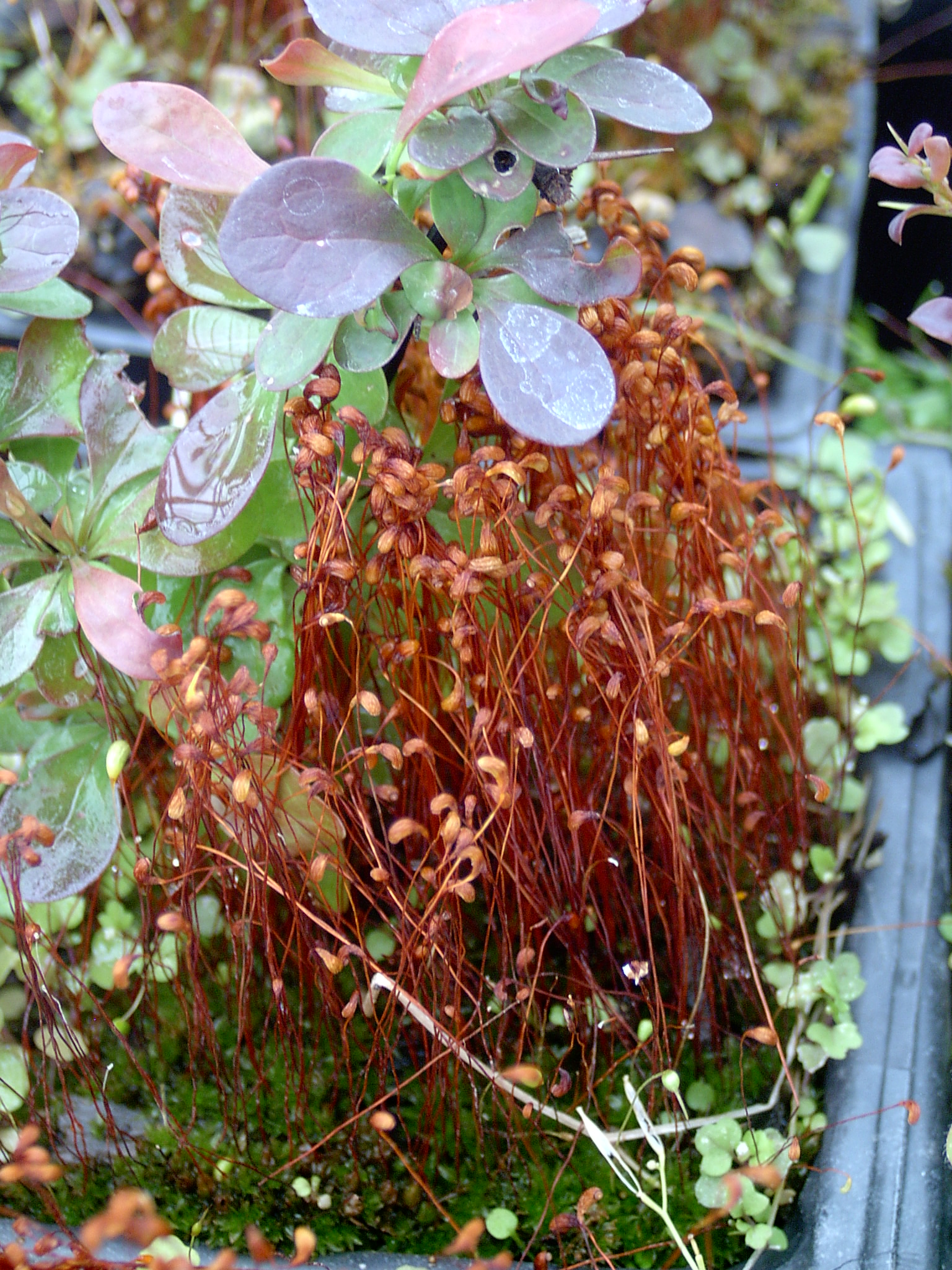
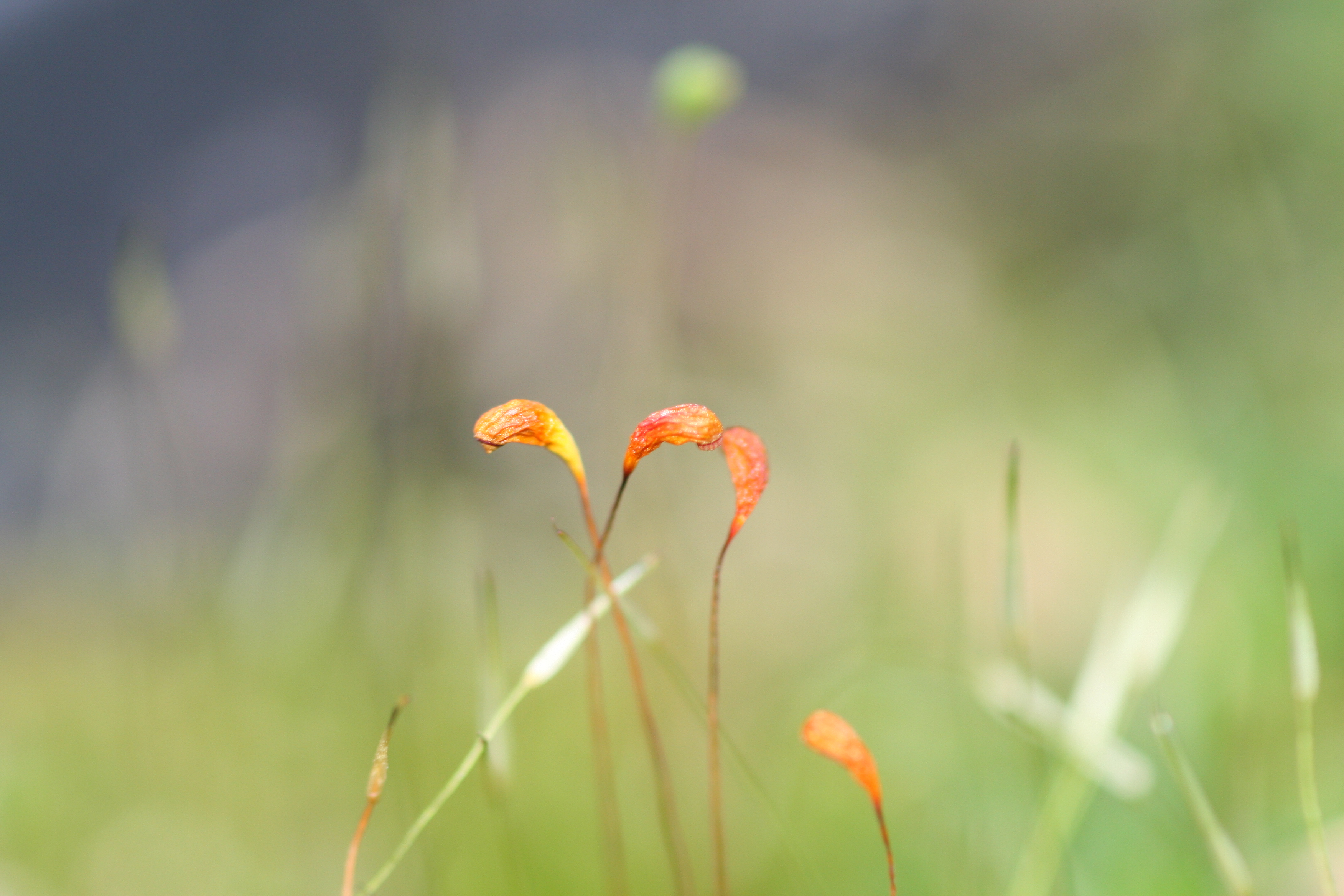
Low-growing plants with very small foliage that form dense clumps in shady, moist places. Clumps rang from dime-sized to several feet across. Some upright growth is possible, but plants usually reach only 0.25 to 1 inch in height. Plants have rootlike rhizoids, which are not true roots but have similar functions. New plants form by vegetative reproduction and by spores released from capsules at the ends of leafless stalks. No true flowers or fruit are produced.
Leaves
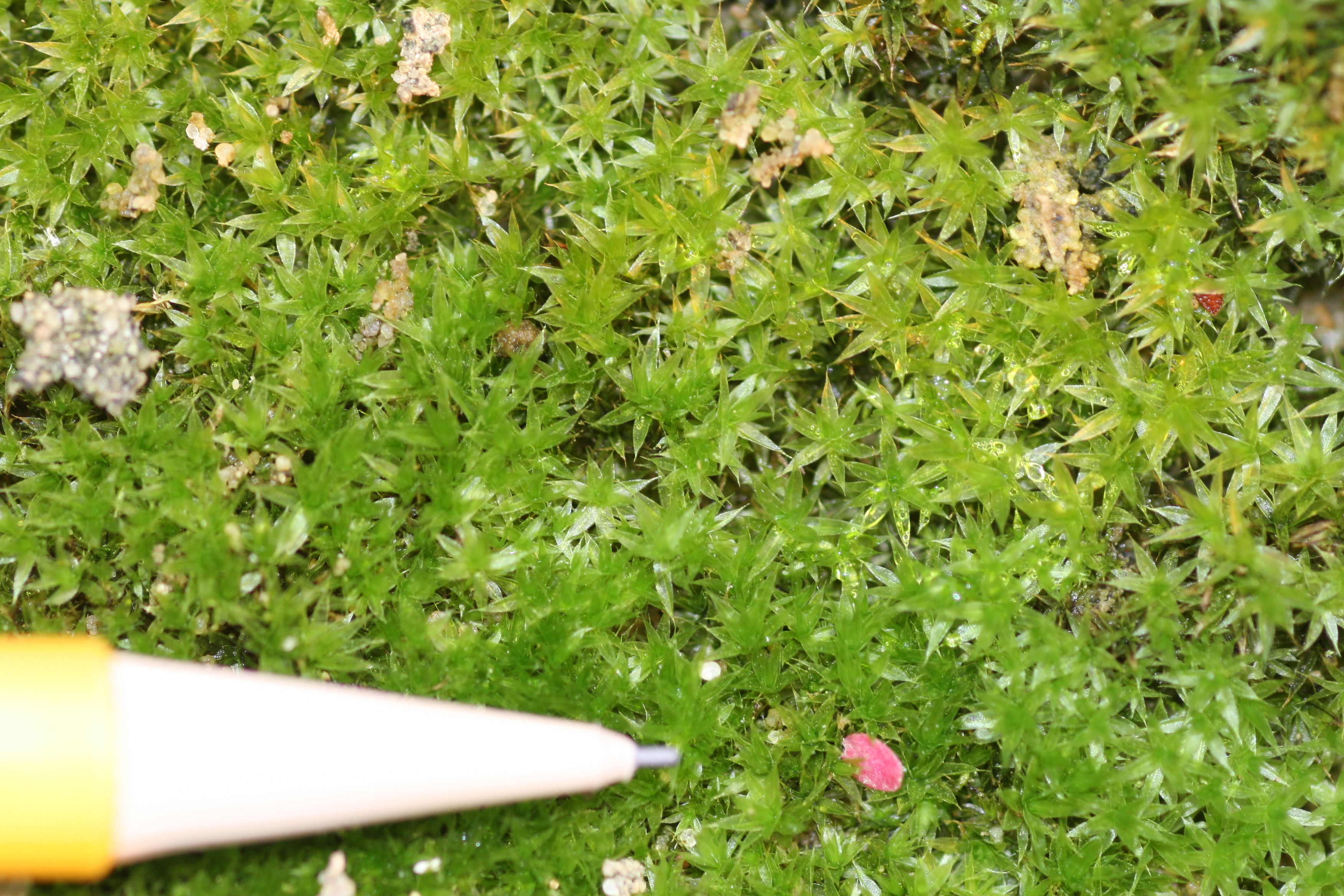
Densely and spirally arranged leaves are very small, 1/16 to 1/8 inch long and awl-shaped. They lack petioles.
Stems
Slender, hairlike and highly branching.
Reproduction
Vegetatively and by spores.
Other Documents in this Series
You Might Also Be Interested In
-
Impacts of Religion on Environmental Worldviews: The Teton Valley Case
Published on June 17, 2007
-
ECOLOGY AND SOCIETY -- Synthesis of human-nature feedbacks
Published on September 11, 2015
-
ECOLOGY AND SOCIETY -- Integration across a metacoupled world
Published on November 26, 2017
-
Diving deep into water and energy trade-offs
Published on April 30, 2019
-
AMBIO: Effects of global shocks on the evolution of an interconnected world
Published on August 23, 2022


Accessibility Questions:
For questions about accessibility and/or if you need additional accommodations for a specific document, please send an email to ANR Communications & Marketing at anrcommunications@anr.msu.edu.