


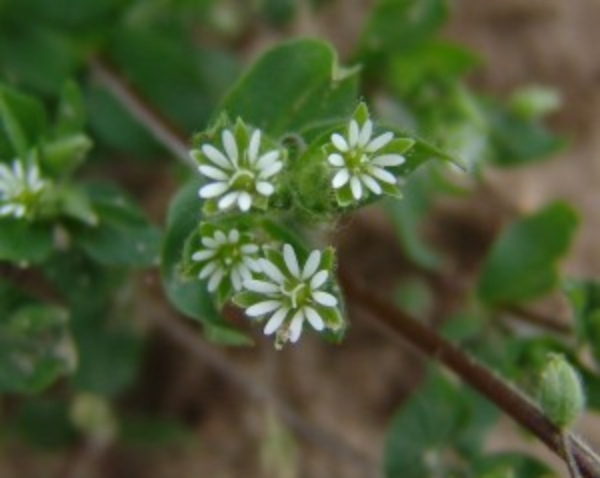
Mouseear chickweed – Cerastium fontanum ssp. vulgare
 Print
 Email
Cerastium fontanum ssp. vulgare (Hartman) Greuter & Burdet
Caryophyllaceae (Pink family)
MI Status
Non-native
Life cycle
Patch-forming perennial.
Leaves
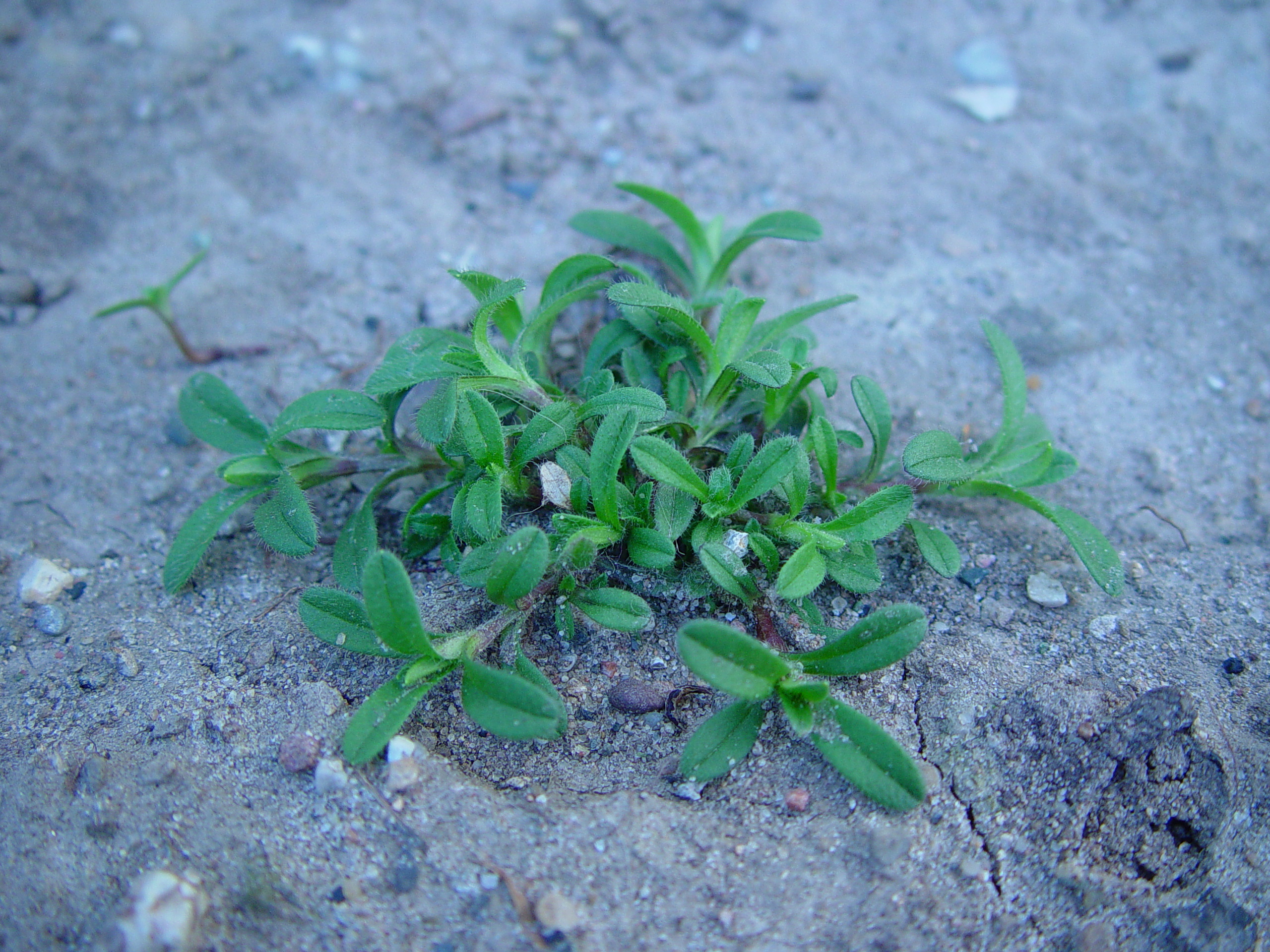
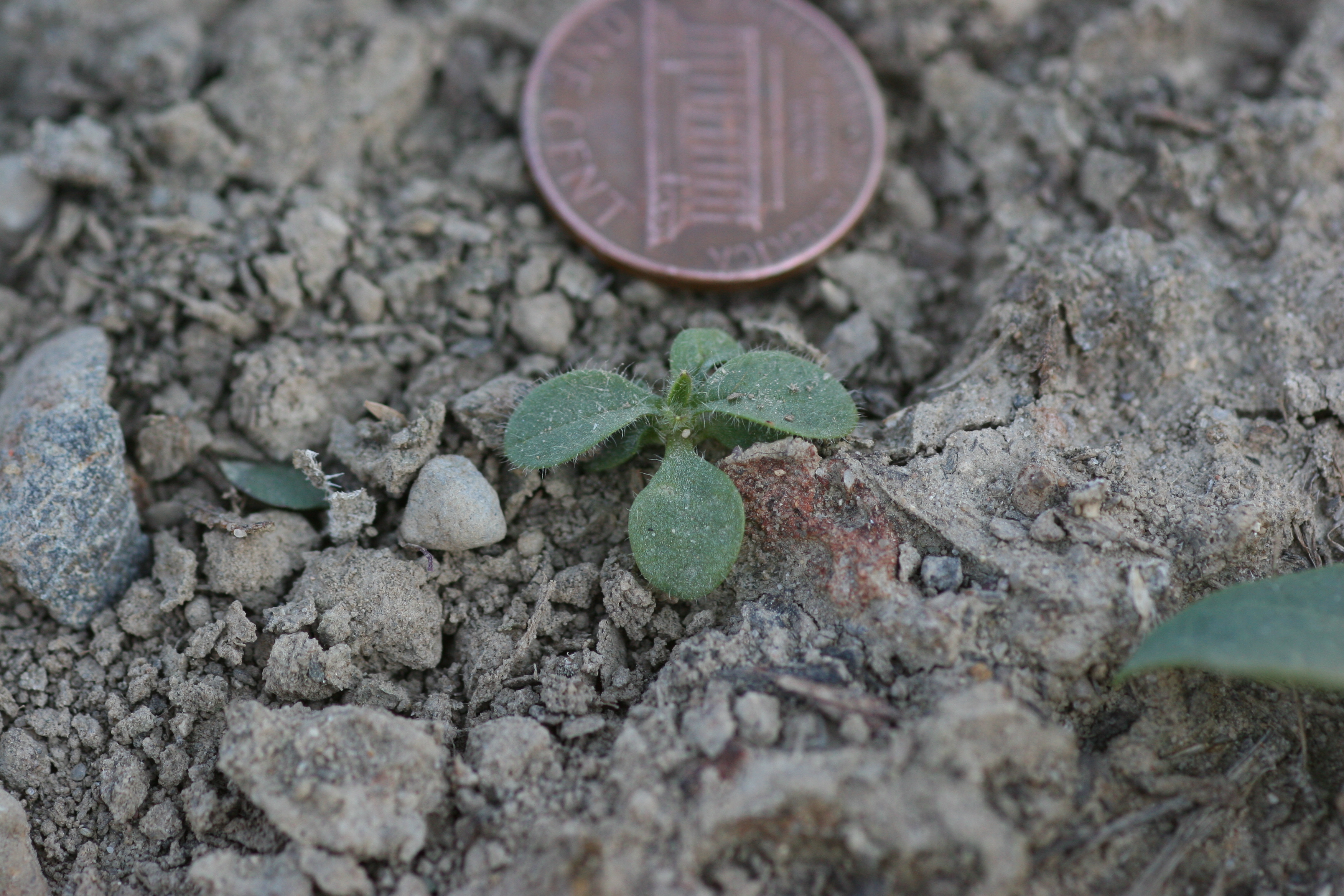
Opposite, dark green, oval to spatula-shaped leaves with pointed tips and smooth margins are densely hairy and stalkless.
Stems
Prostrate, spreading stems can root at the nodes, forming dense patches. Stems are slender and very finely hairy with swollen nodes.
Flowers and fruit
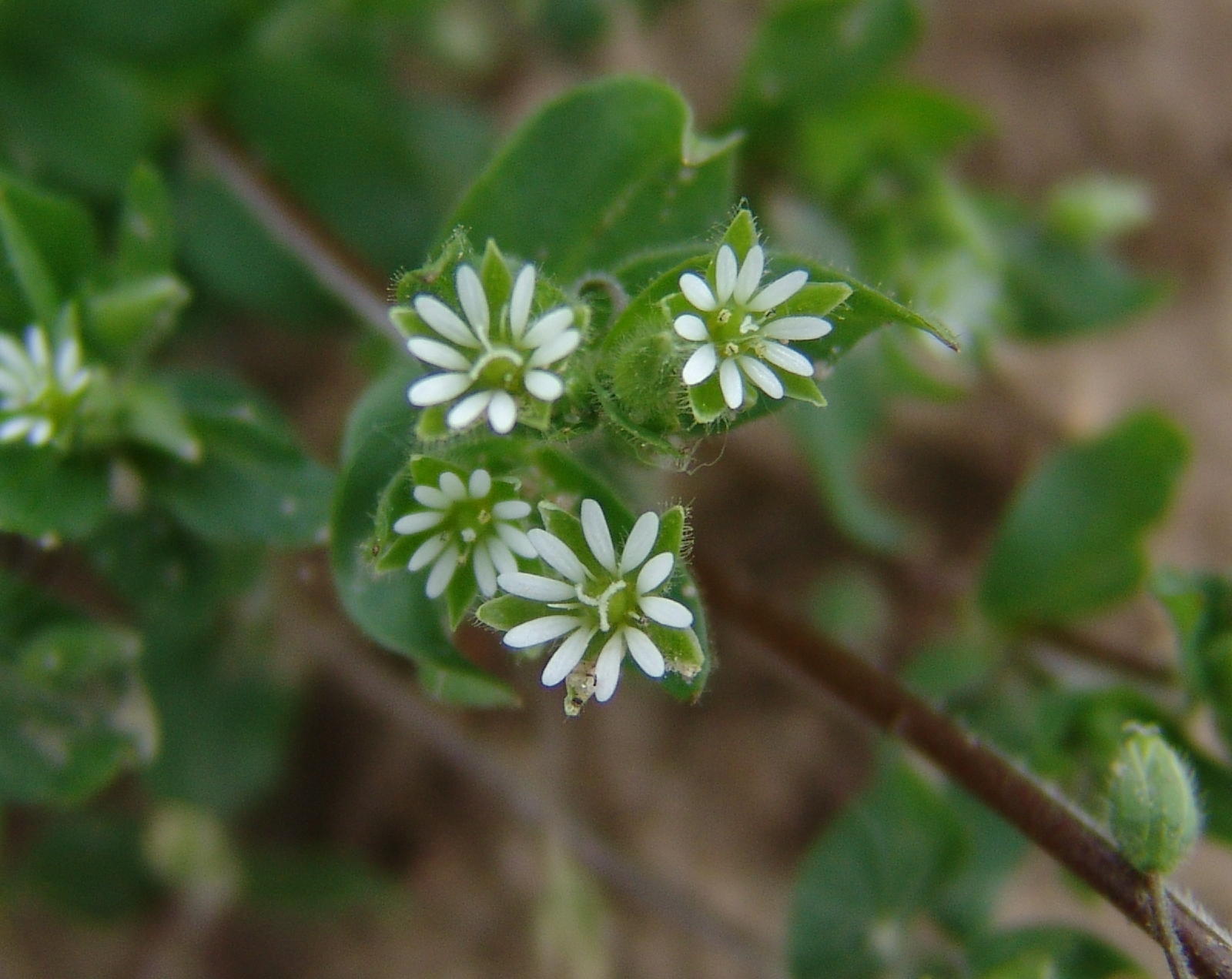
Small, white flowers have five petals. Each petal is notched deeply to resemble a pair of petals. Green, hairy sepals surround petals. Fruits are slightly curved, cylinder-shaped capsules that contain many tiny, brown seeds.
Reproduction
Seeds and creeping stems.
Similar weeds
Common chickweed
[Stellaria media (L.) Vill.]
Differs by having an annual habit with hairless leaves and light green foliage.
Other Documents in this Series
You Might Also Be Interested In
-
Effects of payments for ecosystem services on wildlife habitat recovery
Published on January 28, 2016
-
Performance and prospects of payments for ecosystem services programs: Evidence from China
Published on June 23, 2013
-
Temporal changes in giant panda habitat connectivity across boundaries of Wolong Nature Reserve, China
Published on January 17, 2007
-
Space use by endangered giant pandas
Published on March 29, 2015
-
Evaluation of Ecosystem Service Policies from Biophysical and Social Perspectives: The Case of China
Published on March 13, 2013

Accessibility Questions:
For questions about accessibility and/or if you need additional accommodations for a specific document, please send an email to ANR Communications & Marketing at anrcommunications@anr.msu.edu.