Shade trees (maple, oak, elm, etc.)
 Print
Print Email
Email
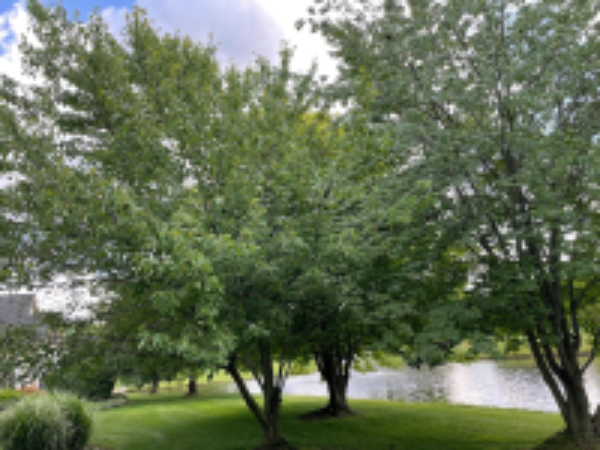
Whole Tree and Surroundings
Whole-tree photos provide essential context for diagnosing problems. They show the tree's overall growth habit, the pattern and distribution of symptoms, and how the plant interacts with its surroundings. These images help identify environmental stressors such as nearby structures, competing vegetation, soil conditions, or exposure issues that may be contributing to the symptoms. Be sure to include a photo of the entire tree from a distance to help identify factors that may be affecting its health.
Trunk and Base of Tree
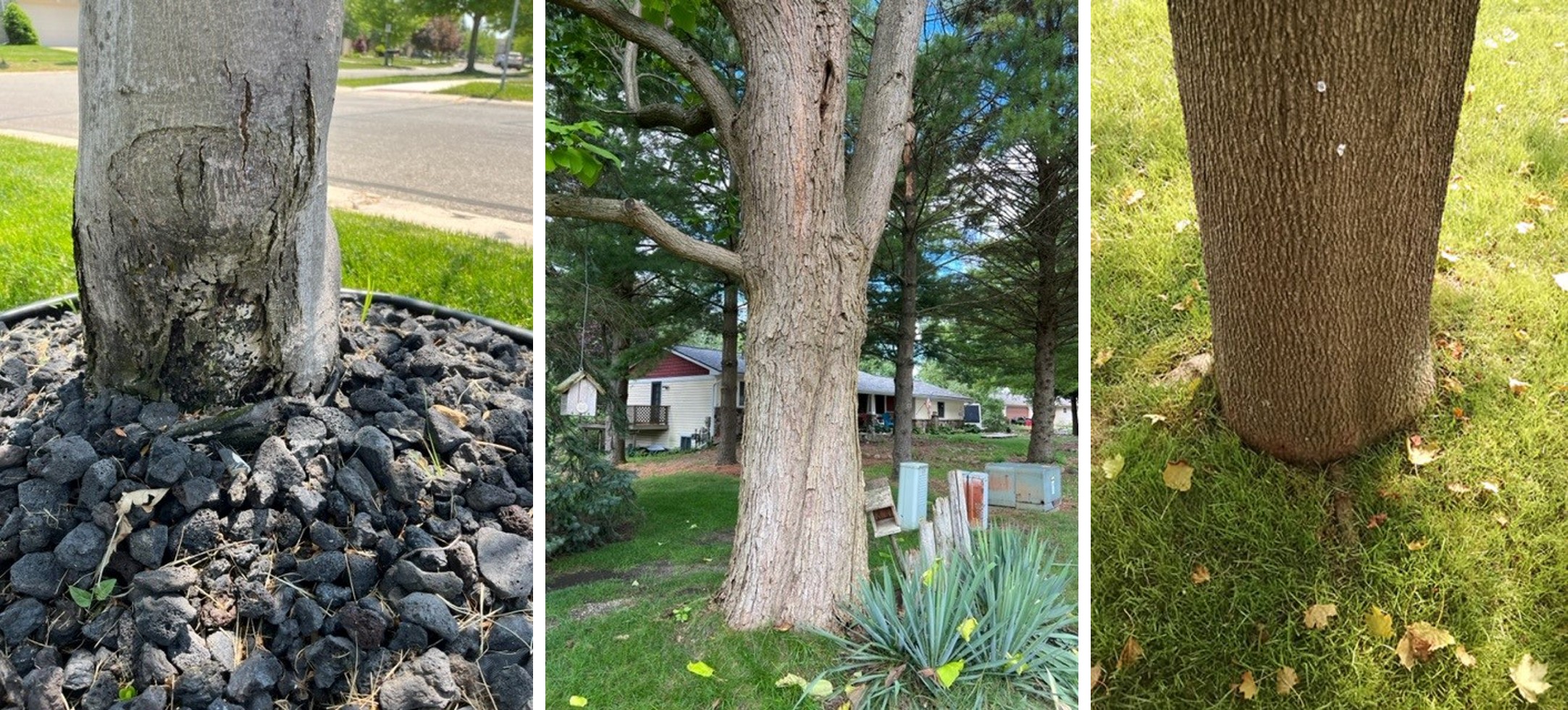
Include images of the trunk from multiple angles and the ground around the base of the tree. Photos of the tree trunk, trunk flare, and area around the base are very important for diagnosing tree problems. These images help experts assess planting depth, mulching practices, physical damage, and early signs of disease or decay that often contribute to overall tree stress or decline. Trunk photos provide essential context that cannot be determined from leaves or canopy symptoms alone, making them a key part of an accurate diagnosis.
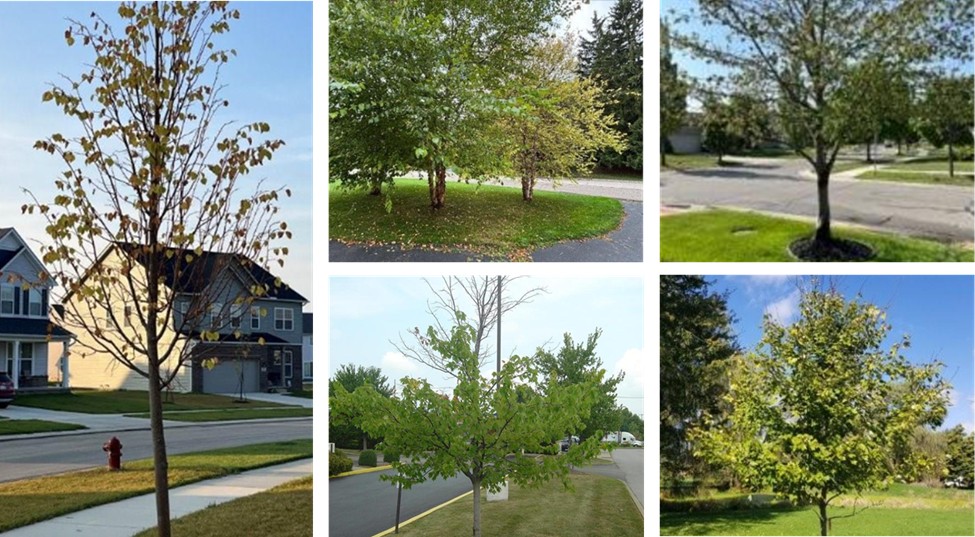
Canopy
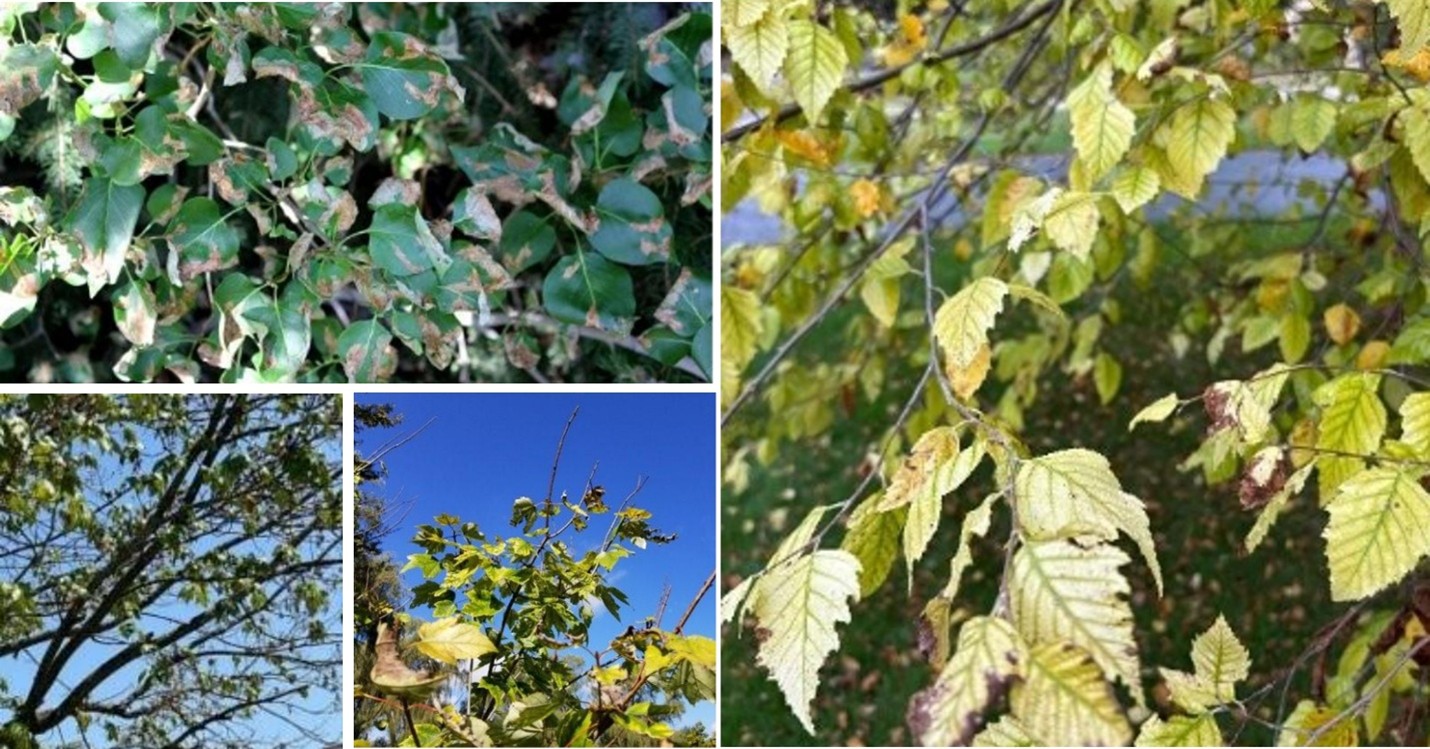
Wide shots of the canopy help show the big picture—like overall thinning, discoloration, or dieback—while photos that zoom in on problem spots help zero in on specific branches or sections. Looking at both helps clarify whether the issue is limited to one area or affecting more of the tree, making diagnosis easier and more accurate. Be sure to take a few wide canopy photos and then snap close-ups of any areas that look unusual or concerning.
Close-up Photos of Foliar Symptoms
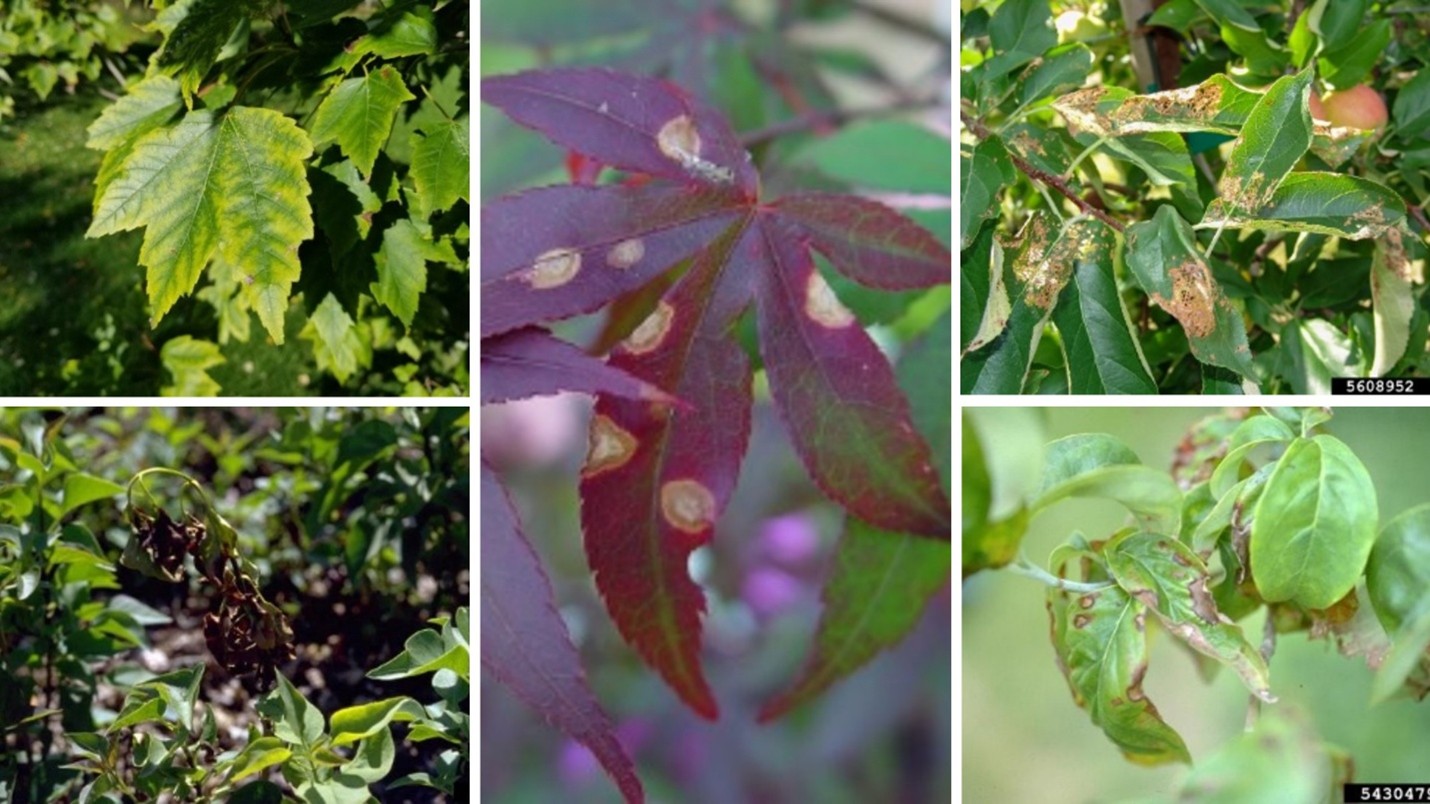
Close-up images reveal the fine details of symptoms that cannot be seen from a distance.
These images can show leaf spots, insects, or insect feeding damage, and nutritional deficiencies. Clear close-ups make it much easier to identify the problem and recommend the right solution. Close-ups also allow diagnosticians to identify signs such as insect frass, fungal spores, exit holes, or discolored patterns that are critical for determining the true cause of the problem. By providing these detailed views, you make it easier to pinpoint the exact issue and recommend the most effective treatment.
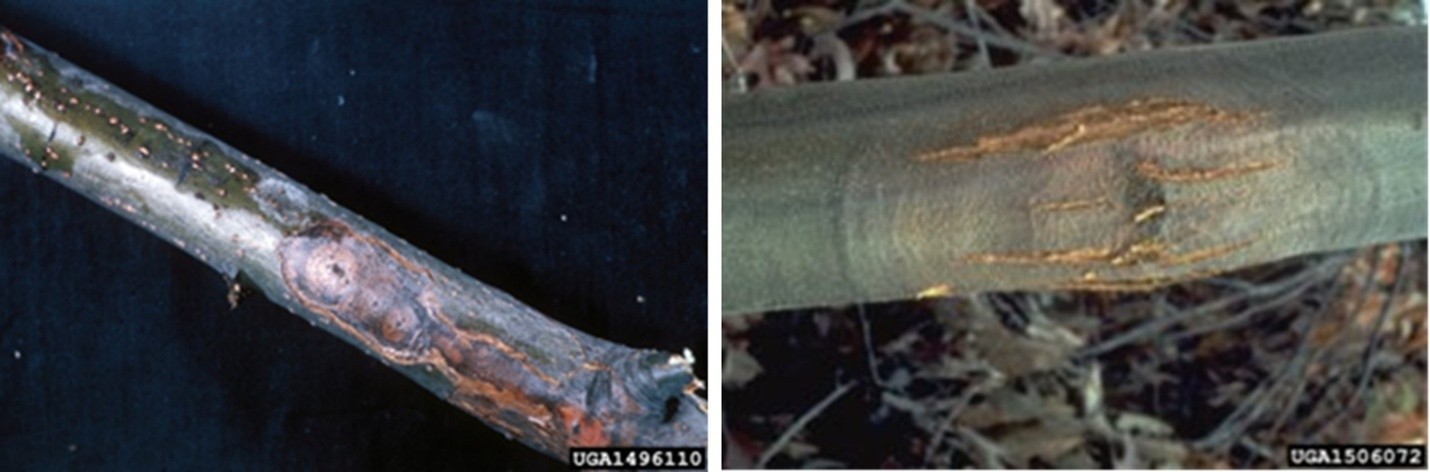
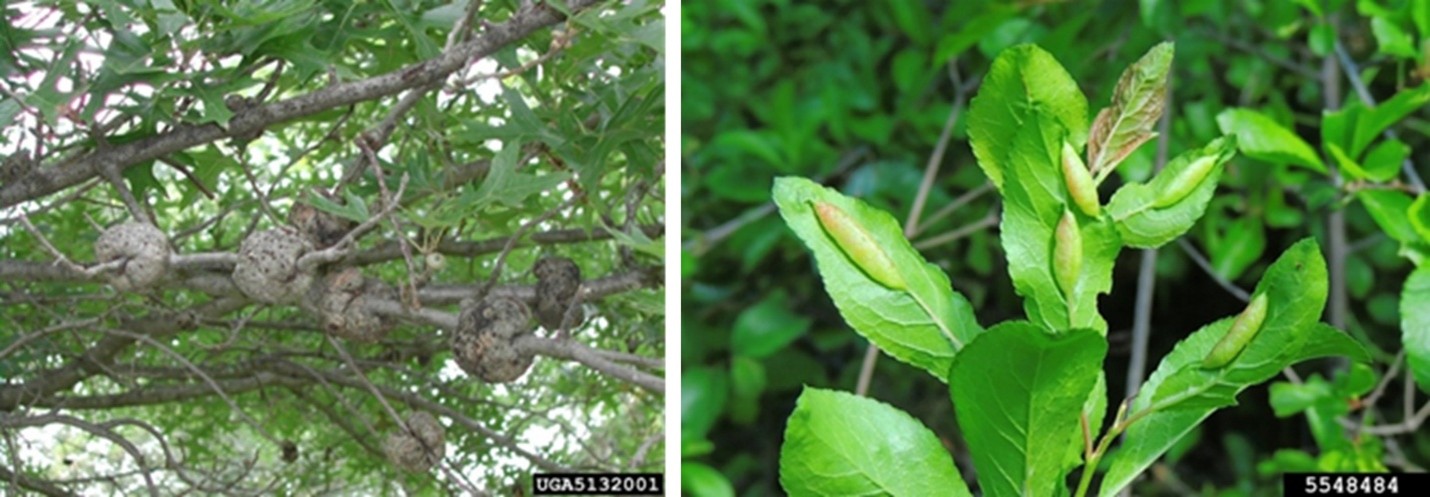
Cankers and Galls
Photos of unique or unusual symptoms—such as cankers, galls, swellings, or odd growth patterns—help spot important details that may not be visible in wider shots. These closeups can reveal key clues about what’s affecting your tree and lead to a more accurate diagnosis. If you notice anything that looks out of the ordinary, take a few clear, close‑up photos and include them with your submission—they can make a big difference in getting helpful answers.