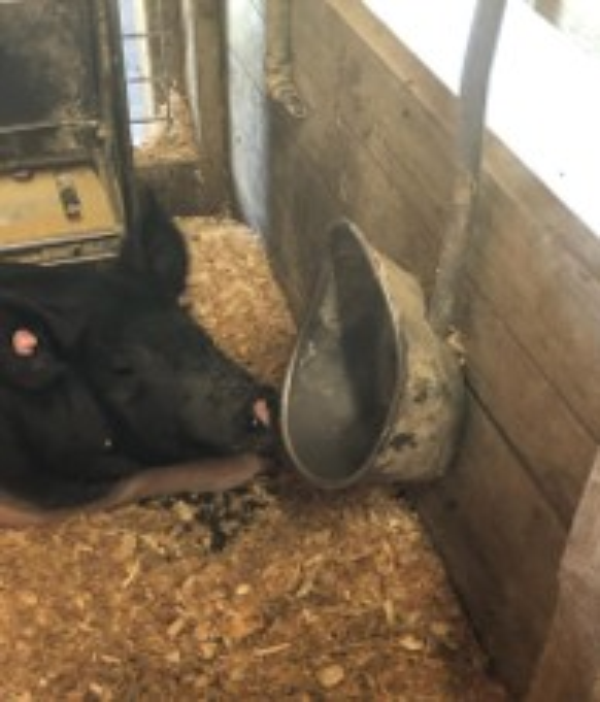
Water Is More Than Just a Drink: Management Over Medication
DOWNLOADAugust 3, 2026 - Casey Zangaro, Michigan State University Extension
 Print
Print Email
EmailWater is the most important nutrient pigs consume and properly managing it can make producers feel confident in their role in herd health and performance.
When pigs appear to be off-feed or are not performing as expected, disease is often the first concern. However, before reaching for medication, take a few minutes to evaluate your water system by inspecting water flow, checking for leaks, and assessing water cleanliness. Correcting these management issues can often resolve problems without additional treatment.
Management Tip
Before treating pigs, ask yourself:
- Is every waterer working properly?
- Is the water clean?
- Can every pig easily access water?
Water and Feed Intake Go Hand in Hand
Water intake and feed intake are closely linked (Kansas State University, 2024). When pigs consume less water, they generally consume less feed. Reduced water intake can quickly lead to:
- Reduced feed intake
- Slower average daily gain
- Poorer feed efficiency
- Reduced milk production in lactating sows
- Increased risk of dehydration and heat stress
Maintaining continuous access to clean, fresh water is one of the simplest management practices producers can use to support pig health and performance.
Daily Water Requirements
Water requirements vary depending on age, production stage, diet, housing system, and environmental conditions. Outdoor pigs often require additional water during periods of heat stress.
|
Pig Class |
Approximate Water Intake per Day* |
|
Nursery pigs |
1–2 gallons |
|
Growing pigs |
2–4 gallons |
|
Finishing pigs |
3–5 gallons |
|
Gestating sows |
3–6 gallons |
|
Lactating sows |
5–10+ gallons |
Approximate water intake under normal conditions. Actual consumption varies with temperature, diet, health status, housing system, and production stage (Adapted from Kansas State University, 2024).
Evaluating water quality daily helps producers feel proactive and confident in maintaining herd Health and performance.
Simply having water available does not always mean it is suitable for pigs. Outdoor watering systems are exposed to mud, manure, algae, insects, wildlife, and changing weather conditions. Poor water quality may discourage pigs from drinking and can negatively affect performance (NRC, 2012).
During routine chores, inspect your watering system for:
- Clean, fresh water
- Algae growth
- Manure contamination
- Leaks or muddy areas around waterers
- Adequate water flow
- Properly functioning drinkers
If unexplained health or performance issues occur, consider testing your water source for bacteria, nitrates, sulfates, iron, mineral content, and total dissolved solids (TDS). Understanding these results can help you determine if water quality is affecting pig health and guide necessary corrective actions.
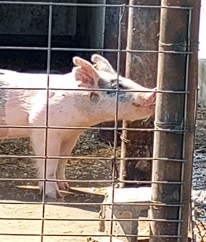
Transitioning Pigs to a New Water Source
Newly purchased feeder pigs may temporarily reduce water intake after arriving at a new farm. Differences in mineral content, sulfur, iron, chlorine, or even the taste of the water may make the new water source unfamiliar, even when it is safe to drink.
During the first several days after arrival:
- Provide immediate access to clean, fresh water.
- Observe pigs to ensure they begin drinking normally.
- Minimize additional stress whenever possible.
- Verify that every pig can easily locate and access the water source.
Monitoring pigs during this transition can help identify potential problems before they affect health or performance.
Water Systems Need Routine Maintenance
Water systems should receive the same routine attention as feeders, fencing, and facilities. Plugged nipples, frozen lines, broken valves, or inadequate water flow may go unnoticed until pigs begin showing signs of dehydration or reduced performance.
One of the simplest management tools is observation. Watching pigs while they drink can quickly identify problems with water availability or access.
Seasonal Considerations for Michigan Producers
Michigan's changing weather presents unique water management challenges throughout the year.
|
Summer |
Winter |
|
Increased water requirements |
Frozen water lines |
|
Heat stress |
Frozen drinkers |
|
Check waterers multiple times daily. |
Monitor water availability daily. |
|
Provide shade near water sources when possible |
Develop a backup water plan |
Regardless of the season, pigs should always have unrestricted access to clean water (Adapted from Zimmermann, 2019).
Plan for Water Emergencies
Many Michigan farms rely on private wells that require electricity to pump water. During power outages, water availability may be interrupted unless a backup system is in place.
Before an emergency occurs, develop a plan to provide water during extended outages. Backup options may include:
- A generator
- Stored water supplies
- Portable water tanks
- Temporary alternative watering systems
Planning can help prevent dehydration and reduce unnecessary stress during severe weather or unexpected power interruptions.
Key Take-Home Message
Water is often the least expensive management tool on the farm, yet it has one of the greatest impacts on pig health and performance. Clean, reliable water supports feed intake, growth, reproduction, milk production, and pigs' ability to cope with environmental stress (NRC, 2012).
Good management starts long before medication is needed. Taking a few extra minutes each day to evaluate your water system may prevent larger health challenges and improve overall herd performance.
References
- Kansas State University. Water Requirements. Swine Nutrition Guide. https://www.asi.k-state.edu/extension/swine/swinenutritionguide/general_nutrition_principles/waterrequirements.html
- National Research Council (2012). Nutrient Requirements of Swine (11th Rev. Ed.). National Academies Press.
- Zimmerman, J.J. et al. (2019). Diseases of Swine (11th Ed.). Wiley-Blackwell.