
Bulletin 1
Welcome! Simple Meals & Hydration Basics
March 5, 2026 - Ghaida Batarseh Havern, Michigan State University Extension
 Print
Print Email
EmailMake every meal a balanced meal
A balanced plate encourages eating a variety of healthy foods at every meal. Choose foods that you enjoy and aim to eat from each of the five food groups. These include fruits, vegetables, grains, protein, and dairy. Follow these tips to build a healthy, balanced plate:
- Make half of your plate fruits and vegetables.
- Choose whole grains for at least half of your grain intake.
- Include a variety of protein sources.
- Select dairy options that meet your nutritional needs and preferences.
- Focus on minimally processed, whole foods as an important part of a healthy eating pattern.
Focus on small, realistic steps you can take to make your plate more balanced.
- Home cooking can give you more control over ingredients, as well as improve nutrition and save you money.
- Using frozen, canned, or pre‑cut foods without added ingredients can make cooking whole foods easier.
Use reliable nutrition sources
These lessons will provide more ideas on how to cook and eat a balanced diet in ways that work for you – but it’s just a taste of what you need to eat healthy. If this information inspires you to learn more about a topic, make sure the content is from a credible source.
Having reliable nutrition information helps people make informed, healthy choices and feel confident while avoiding misinformation—especially in the digital age!
To recognize signs of less-than-credible nutrition information, look for:
- Statements that seem too good to be true.
- Using extreme or absolute language.
- Providing recommendations not based on credible research.
Read our article Navigating Nutrition Misinformation to learn more.
Find budget-friendly recipes that appeal to your tastebuds
MSU Extension offers many nutrition tips and examples of meals that are balanced and tasty by incorporating a variety of foods. The MSU Extension Recipes website contains dozens of dietitian-approved recipes, along with videos and guides on food safety, preparation, budgeting and basic cooking skills. These six lessons are inspired by our programs, and these recipes and tips can fit everyday life.
Make hydration a part of your daily routine
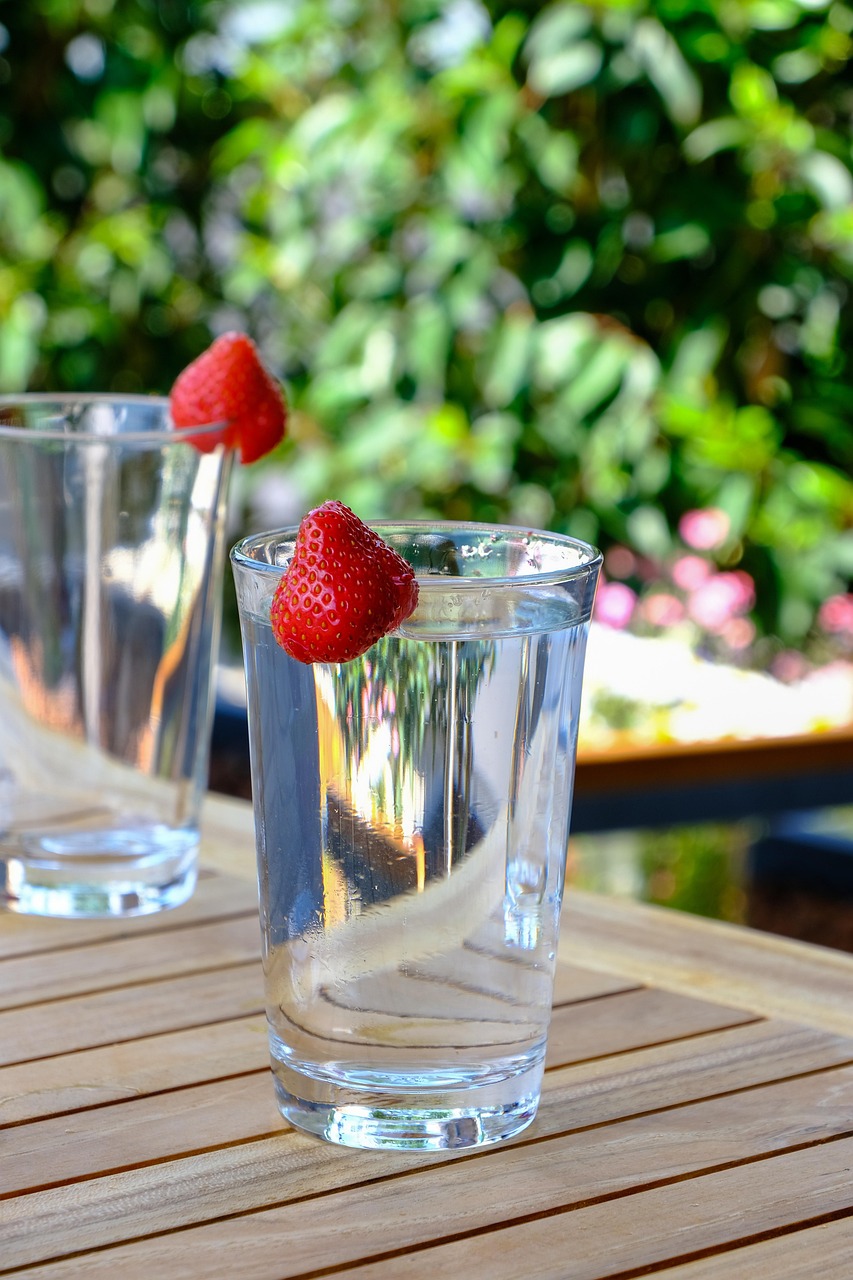
Maintaining proper hydration is key to having a healthy body. Drinking water does amazing things for our bodies, such as:
- Regulating body temperature
- Lubricating joints
- Supporting proper digestion
Fluid needs vary based on your age, sex, activity level, and overall health. On average, women need about 9 cups of fluids per day (with higher needs during pregnancy or breastfeeding), and men need about 13 cups. These amounts already include the water we get from food, which makes up about 20% of our daily intake. It’s also important to increase your fluid intake during physical activity to restore the water lost through sweating and respiration. Find more tips on staying hydrated.
Not a fan of plain water? Try infusing it with sliced fruit, herbs, or berries. Cheers!
Make Time for Movement
Physical activity plays an important role in overall health! Did you know that dancing counts as physical activity? Try the electric slide!
For more movement ideas, visit the MSU Extension Physical Activity Website.
Bonus: Did you know that walking for just 15 minutes after a meal can be beneficial? Learn how to fit a post-meal walk into your day.
Let’s Get Cooking
Each week before you get started in the kitchen, we'll review a food and kitchen skill. This week, we are focusing on safe knife handling. Read more here about the different parts of a knife and how to keep your knives properly sharpened. See this video explaining safe knife use in the kitchen:
Featured Recipe
This lesson’s featured recipe: Pulled Salmon BBQ! This recipe is a nutritious and budget‑friendly option because it includes protein from salmon, whole‑grain bread, and your favorite vegetables toppings. Using sugar‑free BBQ sauce helps limit added sugars while keeping the meal delicious and balanced. You can use fresh, frozen, or canned salmon. Enjoy!
For more budget-friendly, healthy recipe ideas, check out the MSU Extension Recipes Website!
Thank you for participating in this lesson. See you at the next one!