Bulletin 2
Food Safety, Food Thermometers & Protein-Rich Foods
March 6, 2026 - Ghaida Batarseh Havern, Michigan State University Extension
 Print
Print Email
EmailWelcome to Lesson 2 in our 6-part Cook Healthy, Spend Less series! The previous lesson covered balanced meals, hydration, and safe knife use. This lesson, you will dive into food safety basics, protein-rich foods, and discover one way of cutting up a whole chicken.
Follow Food Safety Best Practices
Following proper food safety practices is important, regardless of how many people you’re cooking for. It will help protect you from foodborne illnesses, which can lead to vomiting, diarrhea, or even death. There are a few things you need in the kitchen to help ensure proper food safety:
- Food thermometer.
- Refrigerator thermometer.
- Hot, soapy water (and a sanitizing agent such as bleach).
- Separate cutting boards for raw meats and ready-to-eat foods (or the ability to sanitize boards between uses).
To help prevent foodborne illnesses, it’s important to follow these four simple steps: clean, separate, cook, and chill. Read our article Food Safety 101: How To Keep Your Food Safe and Your Family Healthy to learn more.
Using a food thermometer
When cooking, use a food thermometer and follow this minimum internal temperature guide for safety:
- 165°F – Poultry, deli meats, leftovers
- 160°F – Ground meat, egg dishes, casseroles
- 145°F – Beef, pork, lamb, veal (roasts/steaks/chops) and fish
- 140°F – Ham (precooked)
A food thermometer not only helps you cook food to a safe internal temperature, but it also helps avoid overcooking by showing you when food reaches the right temperature. See the video below from MSU Extension on properly using a food thermometer:
Bonus: Are there food safety concerns when cooking if you have pets? Learn more here about pets in the kitchen.
Food group of the week: Protein
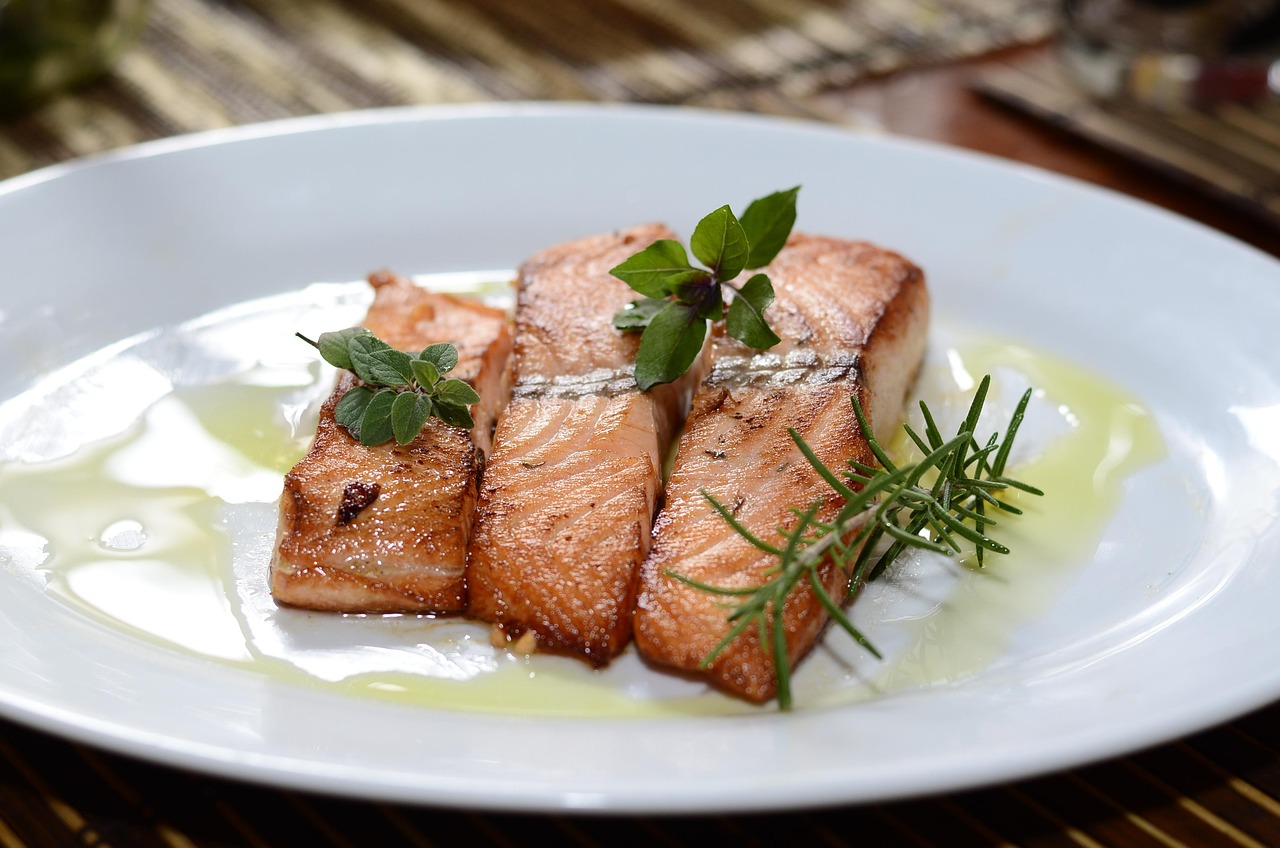
Protein is an important nutrient that our body uses to repair itself. Protein-rich foods are vital for strong bones and muscles. We can find protein in a variety of foods including animal and plant-based sources. Animal proteins include meat, poultry, seafood, and eggs. They are complete sources of protein. Beans, seeds, nuts, lentils, and soy products are good sources of plant-based protein. Plant-based proteins are also a great source of fiber! Include a variety of plant-based protein sources for complete protein.
Aim to make protein about a quarter of your plate.
Protein needs vary from person to person. Eating a variety of protein foods each week helps support overall health, since different protein sources provide different benefits. Fish, poultry, beans, and nuts are nutritious, flexible options that pair well with vegetables or can be easily added to salads or bowls.
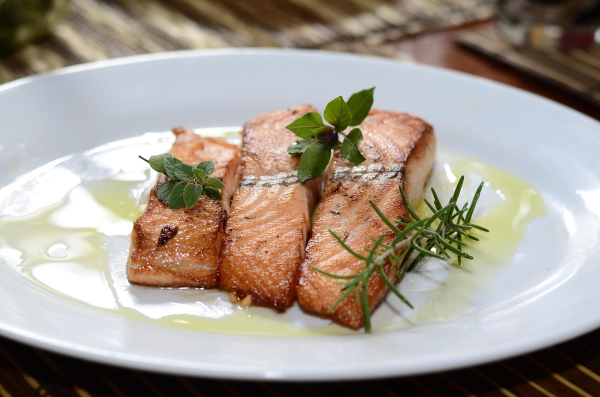
Some animal protein sources contain higher amounts of saturated fat. The Dietary Guidelines for Americans 2025-2030 recommends that saturated fats make up no more than 10% of total daily calories. For example, for a 2000 calorie per day diet, 10% would be 200 calories, which is about 20 grams of saturated fat. Omega-3 fatty acids are a type of unsaturated fat that is considered essential because the body can’t make them; we must get them from food. Protein-rich food options that are high in omega-3 fatty acids are fatty fish, like salmon and sardines, and nuts, like walnuts. Find more information about protein sources and how much to consume.
Bonus: Did you know that you can enjoy seafood safely while pregnant? Seafood options that are low in mercury can be a great source of nutrition for both mom and baby during pregnancy.
Foods that are good sources of protein may also provide iron, which is an important mineral that helps carry oxygen throughout the body! Iron from animal proteins (heme iron) is absorbed by our bodies more easily than iron from plant-based sources (nonheme iron). However, pairing plant-based iron-rich protein sources such as beans or lentils with a vitamin C source, such as citrus, berries, or peppers helps with absorption! Find more information on how plant-based iron and vitamin C make a great pair!
Make Time for Movement
You can try chair yoga almost anywhere!
For more movement ideas, visit the MSU Extension Physical Activity Website.
Let’s Get Cooking
Whole chickens are sometimes cheaper per pound than buying pre-cut chicken pieces like breasts, thighs or wings. Cutting a whole chicken into parts helps it cook faster, stretch across multiple meals, and allows portions to be frozen for later. This video from MSU Extension shows one way of cutting up a whole chicken:
Raw poultry should not be rinsed. This causes the sink and the surrounding area to be contaminated. Potential pathogens on the chicken will be killed if the poultry is cooked to an internal temperature of 165 degrees F. Raw meat, poultry, seafood, and eggs and ready-to-eat foods need to be prepared separately to prevent cross-contamination! Cross-contamination is the transfer of harmful bacteria to food from other foods or food contact surfaces and utensils. Additionally, the type of material for your cutting boards could also affect the sharpness of a knife. Read more here for information on the different types and caring for your cutting boards.
Featured Recipe
This lesson’s featured recipe: Asian Mango Chicken Wrap. See the video below for recipe and steps. You can also access the recipe here. This wrap is a nutritious, colorful, and flavorful option that includes lean protein from chicken, whole‑wheat tortillas, and a variety of fruits and vegetables that provide healthy nutrients. Enjoy!
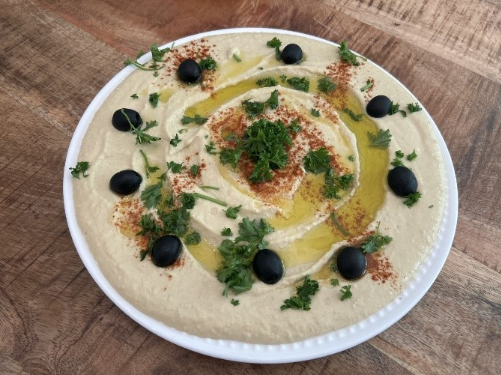
Bonus: Chickpeas (also called garbanzo beans) are a great source of plant-based protein! See here for a simple hummus recipe using chickpeas. Garnish with parsley, paprika, olive oil, or anything else to your liking!
For more budget-friendly, healthy recipe ideas, check out the MSU Extension Recipes Website!
Thank you for participating in this lesson. See you at the next one!
This lesson is part of the six‑part Cook Healthy, Spend Less email series. Sign up here to have each lesson delivered weekly by email.