


News
-
Learn farm budgeting essentials at the Planning for Profit Workshop
Published on October 12, 2026
A program hosted by MSU Extension, MSU Institute of Agricultural Technology Program and Montcalm Community College. -
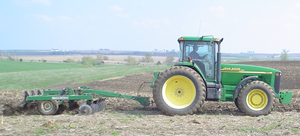
Reasonable custom work rates with higher diesel prices
Published on October 9, 2026
How to account for higher diesel prices in custom work rates. -
Four NCR-SARE grant opportunities to fund farmers, educators and researchers are open for applications
Published on October 5, 2026
Apply by December 3 for Farmer Rancher, Youth Educator, Partnership and Research and Education grants. -
Sugarbeet root aphids plentiful in Michigan fields
Published on October 5, 2026
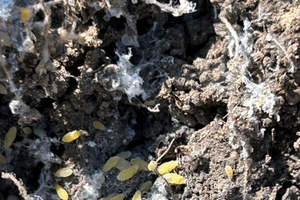
Sugarbeet root aphid populations are increasing across Michigan. Industry and producers are asking why and what should we do? -
Earn RUP and CCA credits through 2026-2027 MSU Pesticide Safety Webinar Series: The RUP/CCA Credit Clinic
Published on October 5, 2026
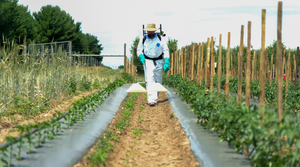
The series includes 10 webinars covering pesticide safety and application topics. Pesticide and education credits are available for participants in Michigan and participating New England states. Registration is now open. -
2025 Farm Bill Program payment estimates available
Published on October 2, 2026
Does PLC or ARC-CO offer more support in your county? -
Understanding the water use needs of Michigan growers
Published on October 1, 2026
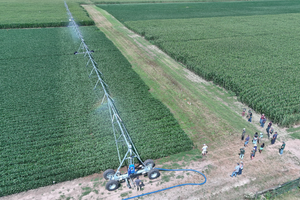
A statewide agricultural water use needs assessment provides insight into irrigation practices, water management challenges and the resources needed to make informed water-use decisions. -
Navigating fall seed orders and free farm hats
Published on September 29, 2026
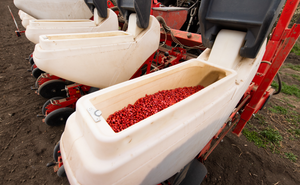
Securing the seed purchases you want at the lowest possible cost. -
Farm Financial Resiliency Resources guide now available
Published on September 28, 2026
This factsheet highlights resources available to help farms better position themselves to withstand economic stress. -
MSU Extension to hold free office hours for farm financial recordkeeping software questions and consultations
Published on September 28, 2026
In these free online sessions, we will discuss with you factors to consider when evaluating accounting software and compare options that can help your farm.



 Print
Print Email
Email