


How to Plan Meals
Meal planning is the process of planning ahead of time what you will eat for your meals.
It focuses on what happens before you get to the store, to include creating a meal schedule, choosing what meals to make and how much, taking inventory of foods on hand, and creating a shopping list.
Why plan meals? Preparing meals at home is typically more nutritious and less expensive than eating out. Meal planning also helps stretch your food budget by using ingredients you already have, shopping for only what you need, and reducing food waste.
Try these meal planning steps and find what works best for you!
Choose Meals to Prepare
You can narrow down meal options by considering these questions:
What foods fit within your food budget?
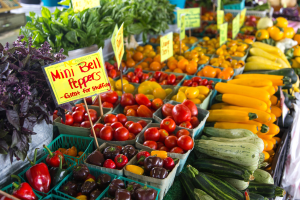
What seasonal foods are currently available?
What ingredients do you already have on hand?
What food preparation equipment do you have?
What foods are preferred by you and your family?
Are there any dietary restrictions or allergies to consider?
Are there cultural ingredients or dishes significant to you?
What new foods might your household be open to trying?
Do seasonal food benefits need to be used before they expire?
If applicable, what meals can be made using food from charitable organizations?
What types of meals fit your family’s schedule, seated family-style meals or quick grab-and-go options?
By taking these questions into account, you can select recipes or meals to build into a meal schedule.
Recipe Resource to Try: Explore healthy, cost-effective recipes through MSU Extension's Recipe Website.
Build a Meal Schedule
Creating a meal schedule includes deciding which meals will be prepared on specific days or at specific times. Be sure to include breakfasts, lunches, snacks and dinners that will be prepared at home. Additionally, plan for special food occasions, such as holidays, birthdays, or other celebrations.
Meal Scheduling Calendar: Print, then sketch out a meal schedule using the MSU Extension Food Planning Calendar.
Plan Servings and Portion Sizes
Planning how much food to prepare helps ensure everyone in the household has enough to eat while also reducing food waste.
Servings refer to how many people will eat each dish, while portion sizes help you decide how much food is appropriate for each family member.
Plan for leftovers, too. In addition to planning for the meal itself, consider preparing a few extra servings on purpose. Cooking a bit more can save time and money by providing easy leftovers for lunch the next day or extra portions you can freeze for quick meals later in the week or month.
Together, servings (including planned extras) and portion sizes can help guide your meal schedule and grocery list.
Check Foods on Hand
To make the most of your food budget, consider your pantry, refrigerator and freezer as a personal grocery inventory. “Shopping” from these areas first helps stretch food dollars by using items that have already been purchased. Taking note of ingredients on hand can guide meal planning for the week and help avoid unnecessary purchases at the store.
Food Storage Resource: Use the FoodKeeper App to learn how to properly store food and beverage items, and to see how soon they should be consumed.
Make a Grocery List
Create a grocery list based on the meals you plan to prepare, omitting any ingredients already on hand. Having this list eliminates guesswork and impulse purchases. You can organize the list by grocery store sections or by food group, such as fruits, grains, dairy, vegetables, protein foods and others.
Grocery List Tools: Use a favorite paper list or try a reusable digital list. The Notes app on a smartphone, for example, allows checkboxes to be added next to grocery items for easy tracking while shopping.
Meal Planning Articles
-
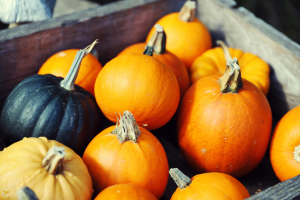
Pumpkins: They’re not just for jack-o-lanterns!
Published on November 18, 2025
Don’t throw away those extra pumpkins that weren’t carved into jack-o-lanterns! Pumpkins are a great addition to numerous fall recipes and contain nutrients that have many health benefits. -
New MSU Extension recipe site makes healthy eating easier for Michiganders
Published on September 30, 2025
Check out this new resource to learn new skills and tips and find nutritious and affordable recipes for you and your family. -
Healthy recipe makeover ideas
Published on July 9, 2025
Ingredient substitutions offer a simple way to incorporate nutrient rich options! -
Planning ahead for holiday meals
Published on June 23, 2025
Planning ahead and being prepared keeps foodborne illness off the table. -
Mealtime Minefield: Childhood Food Aversions
Published on June 18, 2025
While food aversions can be a challenge, tips from MSU Extension community nutrition instructors can help parents and caregivers make mealtimes easier. -
A how-to guide to eating for the season
Published on June 9, 2025
Michigan agriculture makes seasonal eating easy.



 Print
Print Email
Email