


How to Shop Smart and Save Money
While planning meals happens before you get to the store, shopping smart focuses on what happens during grocery shopping. This includes using store discounts, comparing prices, getting the most value for your food dollars, and using food assistance programs.
Here are some useful ways to save money when shopping for food.
Follow a Grocery List
Write your list based on your meal plan, then stick to it at the store.
Sticking to a list means fewer unplanned items make it into your cart, and better alignment with your food budget. A list also helps you make fewer shopping trips, which reduces the opportunity for impulse buys.
But also, be flexible. If something on your list costs more than you planned for, be ready to select an alternative that better aligns with your food budget!
Join Store Loyalty Programs
If you tend to shop at the same store regularly and they offer it, sign up for their free loyalty or rewards program. This may give you access to members‑only discounts, digital coupons, and points that can be redeemed for savings. If available, download the store app to track and clip deals easily.
Consider Generics and Store Brands
Generic and store-brand items often cost less while offering similar quality. Comparing brand types is an easy way to lower your grocery bill without changing your eating habits.
Shop Sales Wisely
Review store flyers, apps, and websites for weekly specials.
Look for markdowns on items close to their sell-by date but buy them only if you can use or freeze them quickly.
Avoid buying items simply because they're on sale or because a coupon is available. While sales can offer good value, they only save money if the food gets eaten.
Ask for rain checks if sale items run out.
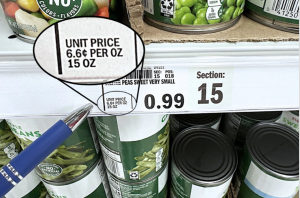
Use Unit Prices to Compare Products
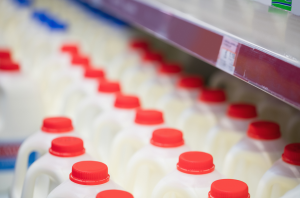
When determining the best value of products that differ in size, check the unit price. Listed on the shelf price tag, it tells how much the food costs per unit, such as ounces, pounds, or the number of items in the container.
Keep in mind that unit price is one thing to consider when choosing between products. The brand, ingredients, and size of the product may matter, too.
Buy in Bulk if it Saves Money
While the upfront cost may be higher, bulk items often cost less per unit. This can offer long-term savings if the bulk food is something your household enjoys, and it is consumed, frozen, or preserved before it spoils. If the bulk quantity is more than what you want or need, split the product and cost with a friend or family member, or choose a smaller option that costs more per unit to avoid waste and overspending.
Choose Frozen, Canned, or In-Season Produce
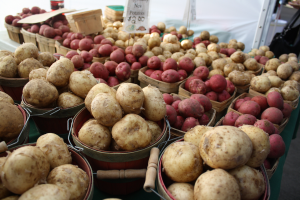
Compare the prices of frozen, canned, and fresh fruits and vegetables. During the growing season, Michigan-grown produce is often the most affordable, especially when paired with food assistance benefits that cover fresh produce like Double Up Food Bucks, Senior Project Fresh, or WIC Produce Connection.
Produce tool: Use the Michigan Availability Guide to see what fresh fruits and vegetables are available during the year.
Consider Shopping Online
Online grocery shopping can help prevent unnecessary purchases and allows you to more easily check what you already have before finalizing your order. Many stores offer free pickup or reduced delivery fees when you meet minimum purchase amounts.
Use Food Assistance Benefits
If you qualify, programs such as SNAP, Double Up Food Bucks, WIC, WIC Produce Connection, and Senior Project Fresh can help stretch your food budget. These programs either provide electronic benefits for funds to buy groceries or increase the value of the benefits you already receive, allowing you to purchase more food for the same cost. Learn more on our Stretch Your Benefits page.
Grocery Shopping Articles
-
Milk’s role in a balanced, healthy diet
Published on April 3, 2026
Choosing the right type of milk for you. -
Making the most of your u-pick experience
Published on December 19, 2025
Have an adventure, save a little money and avoid foodborne illness. -
Shopping to save money and eat healthy
Published on October 24, 2025
Discover simple tips you can use at the grocery store and farmers market. -
Locally-Grown Food on a Budget: A Shopper’s Guide
Published on August 12, 2025
MSU Extension offers tips for stretching your dollar when buying local foods. -
Where can I purchase food for my family?
Published on July 3, 2025
Explore some of the most common places to buy food and learn how to make the most of these shopping experiences, especially when shopping with children. -
How to stretch your food budget
Published on June 26, 2025
Food shopping on a budget takes knowledge and practice. Here are ways to make the most of your food dollars.

 Print
Print Email
Email