Advancing MSU’s One Health Initiative by Creating Healthy Built Environments at SPDC
 Print
Print Email
EmailSPDC faculty and students are advancing research, education, and practice that improve health and well-being in line with MSU’s One Health Initiative through planning, design, and construction.
For some, the thought of measuring brain waves via electroencephalography (EEG) conjures an image of medical doctors studying patient ailments. At the School of Planning, Design and Construction (SPDC), however, researchers use EEG technology to study different problems with the same goal: improving human health and well-being. Reflecting the priorities of MSU’s One Health Initiative, professor of construction management Dr. Dong Zhao combines EEG data with other physiological metrics to better understand safety and design in construction fields.
Unique among construction professionals, Zhao’s research seamlessly aligns with the vision and mission of SPDC’s four distinct but interconnected programs; Construction Management (CM), Interior Design (ID), Landscape Architecture (LA), and Urban & Regional Planning (URP). Exemplified in the school’s four core scholarly areas of research and innovation, each program at SPDC embraces a duty beyond training technically proficient professionals and acknowledges the connection between health and environment.
As the only unit at MSU dealing with the natural, built and virtual environments, SPDC is strategically positioned to address industry challenges around placemaking and design that directly impact individual and community health and well-being, both locally and globally.
Where we work and live affects how we work and live
Dr. Zhao’s research especially corresponds to the school’s core scholarly area of healthy environments for human well-being. Utilizing neurological and physiological data, Zhao and his research team work to improve the health of everyone affected by a construction project. Starting with the construction workers themselves.
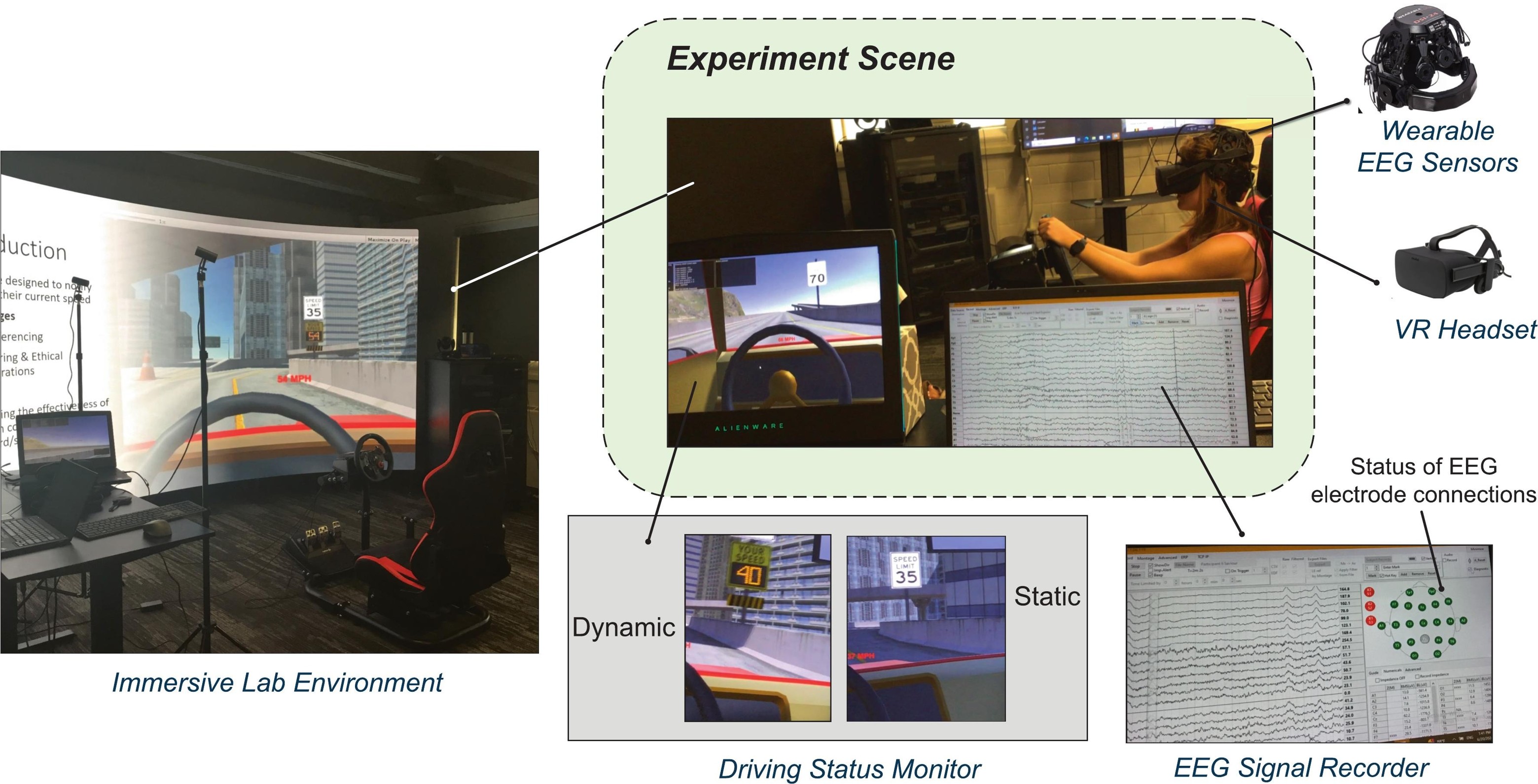
For the past ten years, Zhao has directly measured workers’ brain waves on the job using wearable EEG sensing technology. This data is combined with other physiological measures, like heart rate monitors and eye-trackers, to form a multimodal sensing approach. The resulting dataset provides an unprecedented, real-time window into a worker’s cognitive state. “This allows us to pinpoint precise sources of stress, mental fatigue, and cognitive overload,” Zhao explains.
By understanding these triggers, Zhao wants to re-engineer work environments to prevent the root causes of burnout, chronic stress, and physical injury. “We are shifting the industry’s focus from reactive safety measures to a proactive model of holistic health,” says Zhao. This vision is indeed holistic, extending beyond workers directly involved, as well as proactive, reaching as far back as the design stage of a project.
By applying the same multimodal sensing approach, Zhao and his team measure the neurological and physiological responses of volunteers as they navigate Virtual Reality (VR) simulations of projects still in the design phase. This data-driven process reveals how people truly experience a design – identifying points of confusion, stress, or discomfort that are invisible to the naked eye. According to Zhao, these insights “allow us to create infrastructure that is not just physically functional but is neurologically optimized to be more intuitive, efficient, and psychologically comfortable.”
Not only does Zhao’s work have significant implications for the health impacts of the construction industry, but it also exemplifies SPDC’s commitment to improving how the environments people occupy affect their health and well-being. A commitment that is school-wide.
Designing with health in mind from the start
While Dr. Zhao’s research involves testing designs with human health and well-being in mind, ID students address the health impacts of placemaking as they plan and draft designs from scratch. ID students enrolled in IDES 352 (Interior Design Synthesis II), instructed by Professor Laura Winter, teaching specialist in the ID program, did just that when they participated in the 2025 International Interior Design Association (IIDA) Student Design Competition. The competition focused on developing a health care facility design project. Working collaboratively, students in her design studio class were tasked with designing an approximately 8,000 square foot building to house an adult inpatient behavioral health facility in Denver, Colorado.
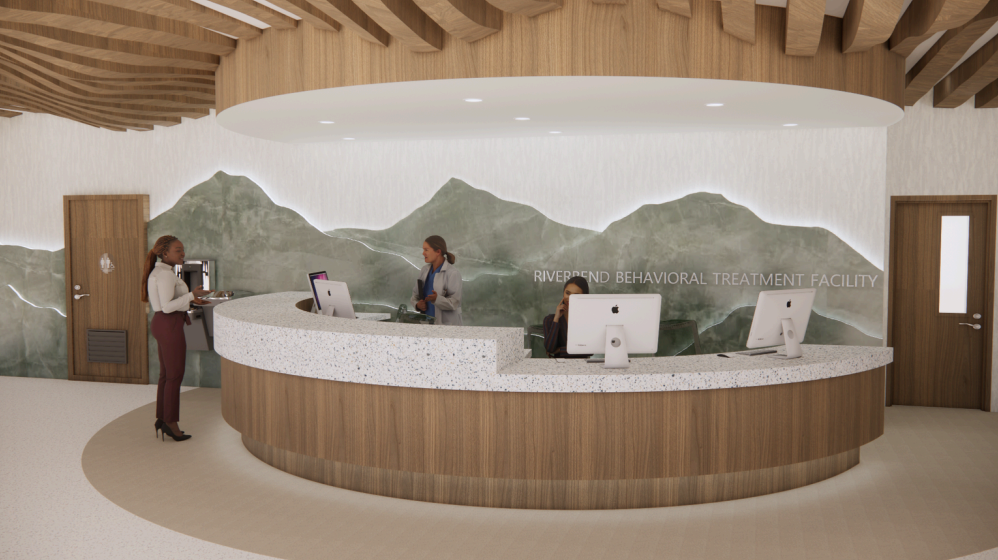
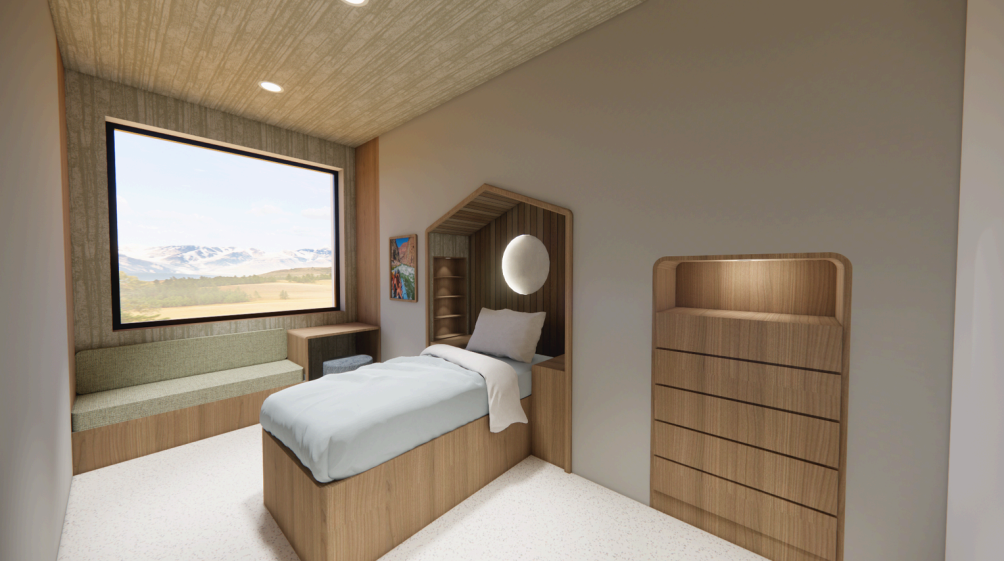
Students were required to include spaces that support healing, incorporate intuitive way-finding, and evoke confidence and trust for adult patients and their families. Their submitted designs were also expected to optimize the experience and outcomes of patients by promoting their seamless interaction with family and care staff.
The competition also helped students stay up to date on relevant research and trends, as their designs had to consider new drivers in behavioral care. These include family focused areas, adaptable and flexible areas, supportive and collaborative staff areas, as well as acoustics and sensory interventions, and positive distractions – all within a therapeutic care environment that provides safety for patients, staff, and families, and complies with ADA standards and HIPAA Privacy Rules.
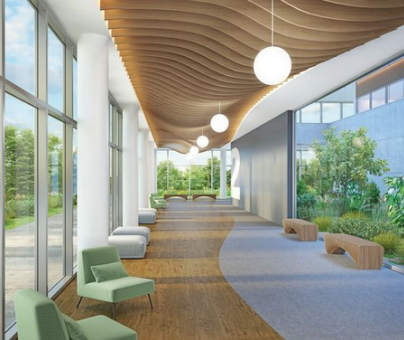
The IIDA Student Competition and other similar experiential learning opportunities allow SPDC students to regularly participate in real-world challenges like health and well-being in design. Another way SPDC consistently engages with practical health challenges in built environment industries is some of the school’s research and outreach initiatives.
Maintaining a consistent vision of health
SPDC supports several dedicated research and outreach initiatives that are vital to maintaining focused progress in the school’s core scholarly areas of research and innovation. They each play a key role in promoting the school’s shared values, and each reflects the interdisciplinary nature of SPDC’s four programs.
Two of these initiatives most clearly emphasize SPDC’s commitment to healthy environments for human well-being: Crime Prevention Through Environmental Design (CPTED) and the Sustainable Built Environment Initiative (SBEI).
The CPTED program, led by Dr. Linda Nubani, associate professor of interior design, promotes safe environments through research, trainings, and assessment. Employing an evidence-based research model, CPTED improves health and well-being for individuals and communities by spreading awareness and understanding of the relationship between crime and the built environment.
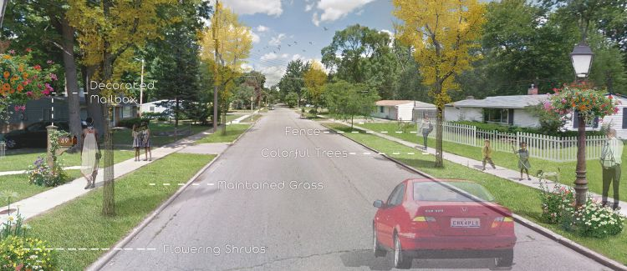
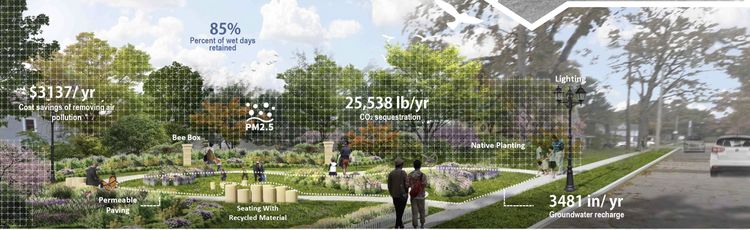
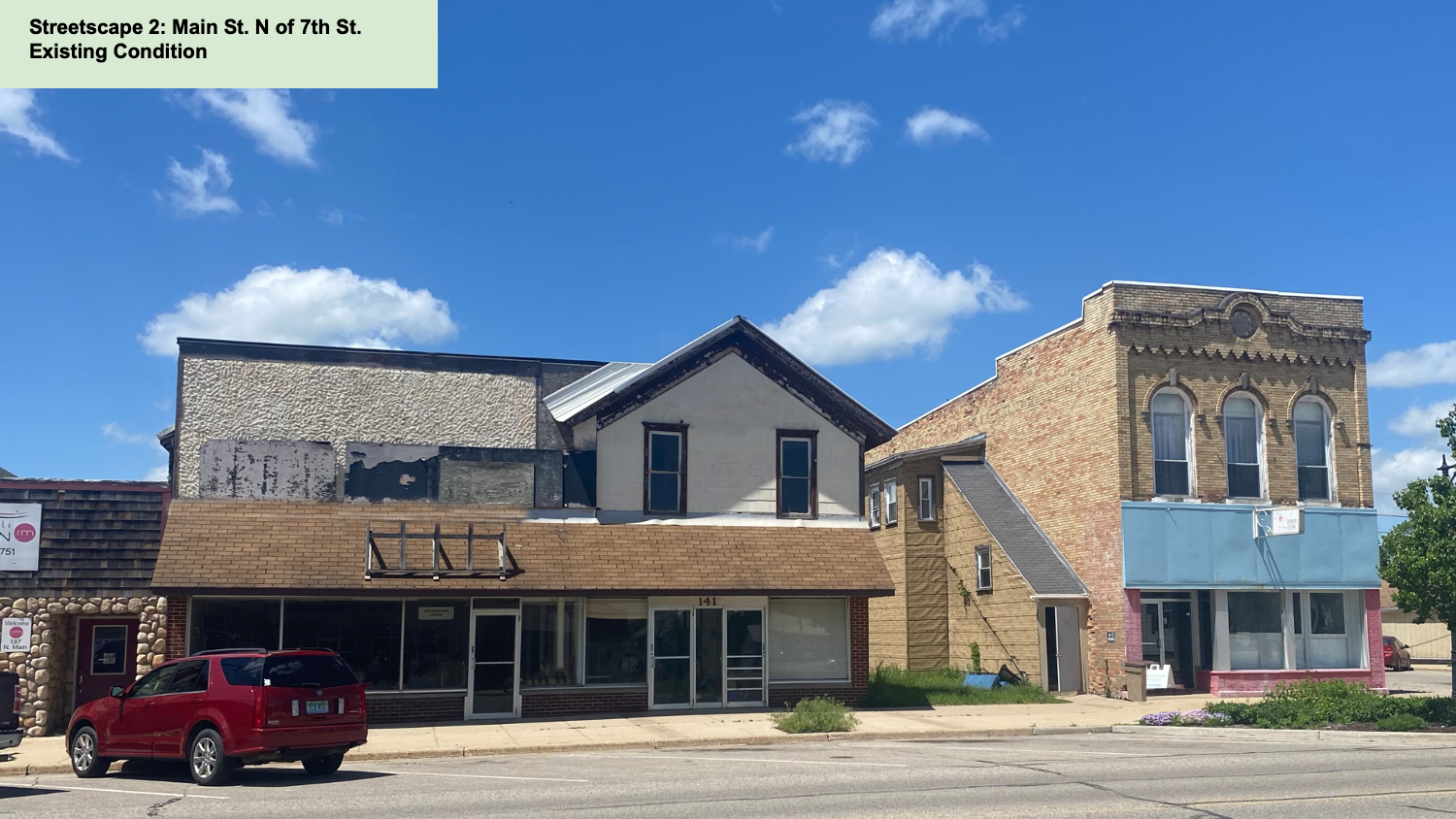
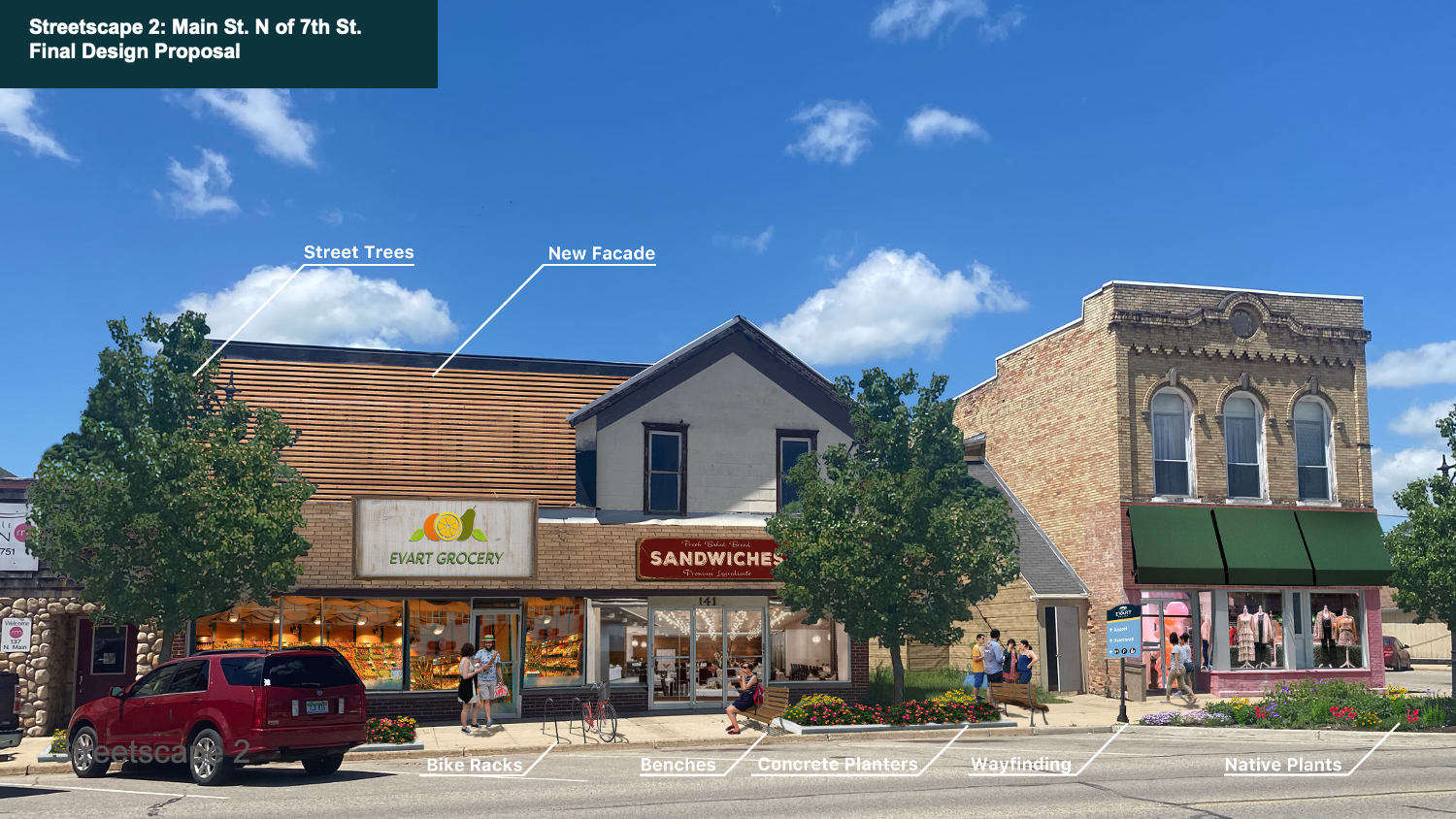
Coordinated by SPDC outreach specialist Harmony Fierke-Gmazel and teaching specialist in the LA program, Allison Baldertson, SBEI works with Michigan communities to develop planning and design ideas focused on sustainability and acts as a bridge between communities and consulting professionals. When selecting communities to partner with, SBEI gives priority to applicants looking to address health-related challenges.
In addition to these efforts within the school, SPDC values collaboration across campus. Dr. Haoyue Yang, assistant professor of landscape architecture, proved this value in her work during the Spring 2026 One Health Research Sprint. After intensive workshop participation, Yang co-authored two successive drafts of the biodiversity and ecological resilience pathway team’s research vision paper and contributed to the team’s final presentation at the One Health Summit. The paper is now one of five structural anchors for MSU’s One Health Research Network and will help shape a cross-disciplinary research agenda.
Building a healthy world at SPDC
SPDC sees the broader connections between built, natural and virtual environments and human health and well-being, aligning with MSU’s One Health approach that recognizes the interconnected health of people, animals and the environment.
While interdisciplinary research, teaching, outreach, and community engagement within the school has proven an effective way for SPDC faculty and students to advance knowledge and practice that creates healthier, safer and more resilient communities, SPDC’s capacity is enhanced by MSU’s One Health initiative. MSU's position as the nation’s premier land-grant university provides the perfect opportunity for SPDC to leverage its partnerships across campus to effect positive change.
Empowered by the One Health initiative, SPDC's research, experiential learning opportunities, and professional partnerships can continue to demonstrate how planning, design and construction can meaningfully impact physical, mental, social, and environmental health while improving quality of life for communities across Michigan and beyond.