Engagement Leadership for KBS-LTAR Transitions from Tayler Ulbrich to Rachel Drobnak
 Print
Print Email
EmailAs Associate Director for Engagement, Tayler Ulbrich, prepares to move to Germany with her family, Agroecologist and agricultural outreach specialist, Rachel Drobnak, will be filling her role as the interim Associate Director for Engagement.
In mid-June, W. K. Kellogg Biological Station’s Long Term Agroecosystem Research (KBS-LTAR) program will bid farewell to Associate Director for Engagement, Tayler Ulbrich, as she and her family prepare to move to Germany. Agroecologist and agricultural outreach specialist, Rachel Drobnak, will be filling her role as the interim Associate Director for Engagement.
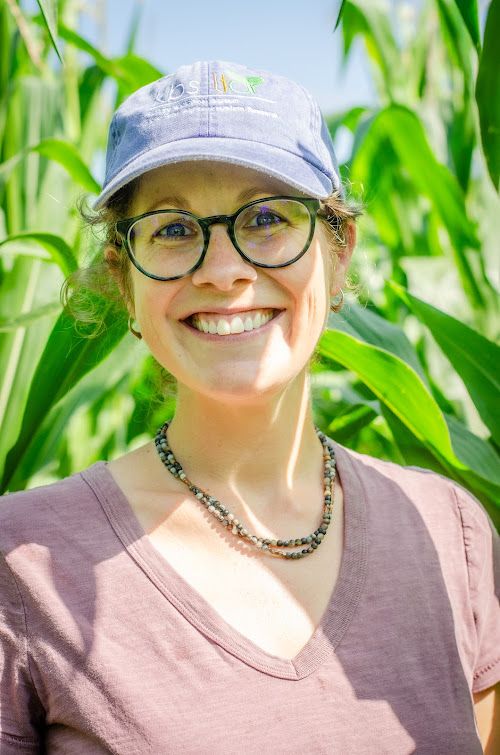
Tayler has been involved with KBS since beginning her PhD program in 2016. After earning her doctorate, she became the LTAR Program’s Associate Director for Engagement in 2023. Joining the national USDA LTAR program in the early stages of development, Tayler has also helped the broader LTAR network think more strategically about how to best engage stakeholders.
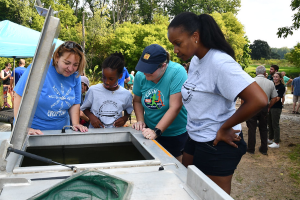
Interest and engagement in the KBS-LTAR program have significantly increased since the start of the Aspirational Cropping System Experiment, with attendance at the annual KBS-LTAR Field Day now attracting more than 150 participants. In 2025, more than 2,000 stakeholders participated in KBS-LTAR events.
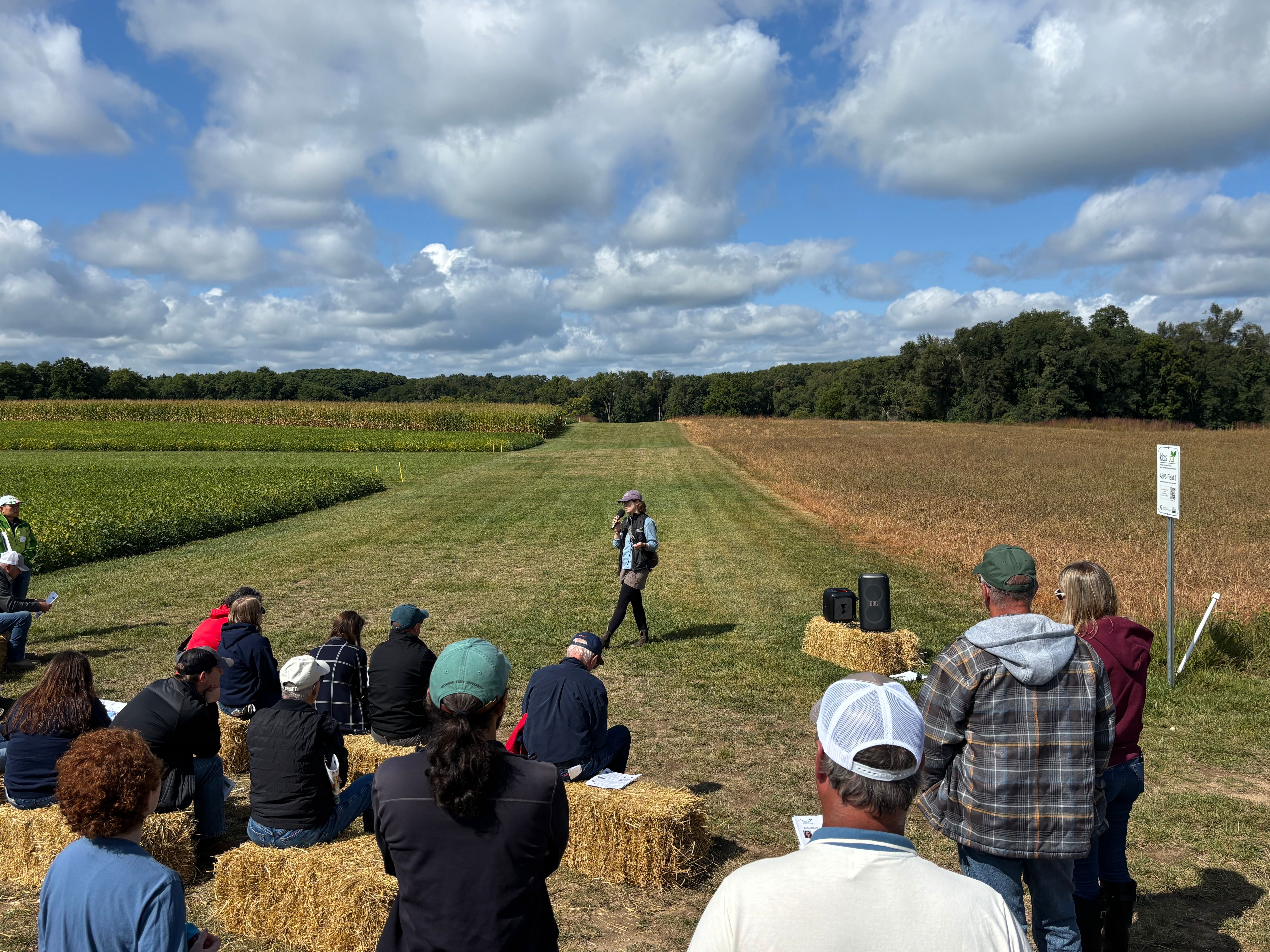
One aspect of the LTAR program that Tayler has valued most is its commitment to bringing together a wide range of perspectives. She hopes participants leave LTAR events knowing that “their diverse perspectives and experiences are so valuable to this project.”
“I think one of the reasons this project has done so well is that we have people from NGOs and farmers and processors that come and say, ‘this is what we need from science,’” she said. “That’s really what’s built a project that we intend to be meaningful across the agricultural spectrum.”
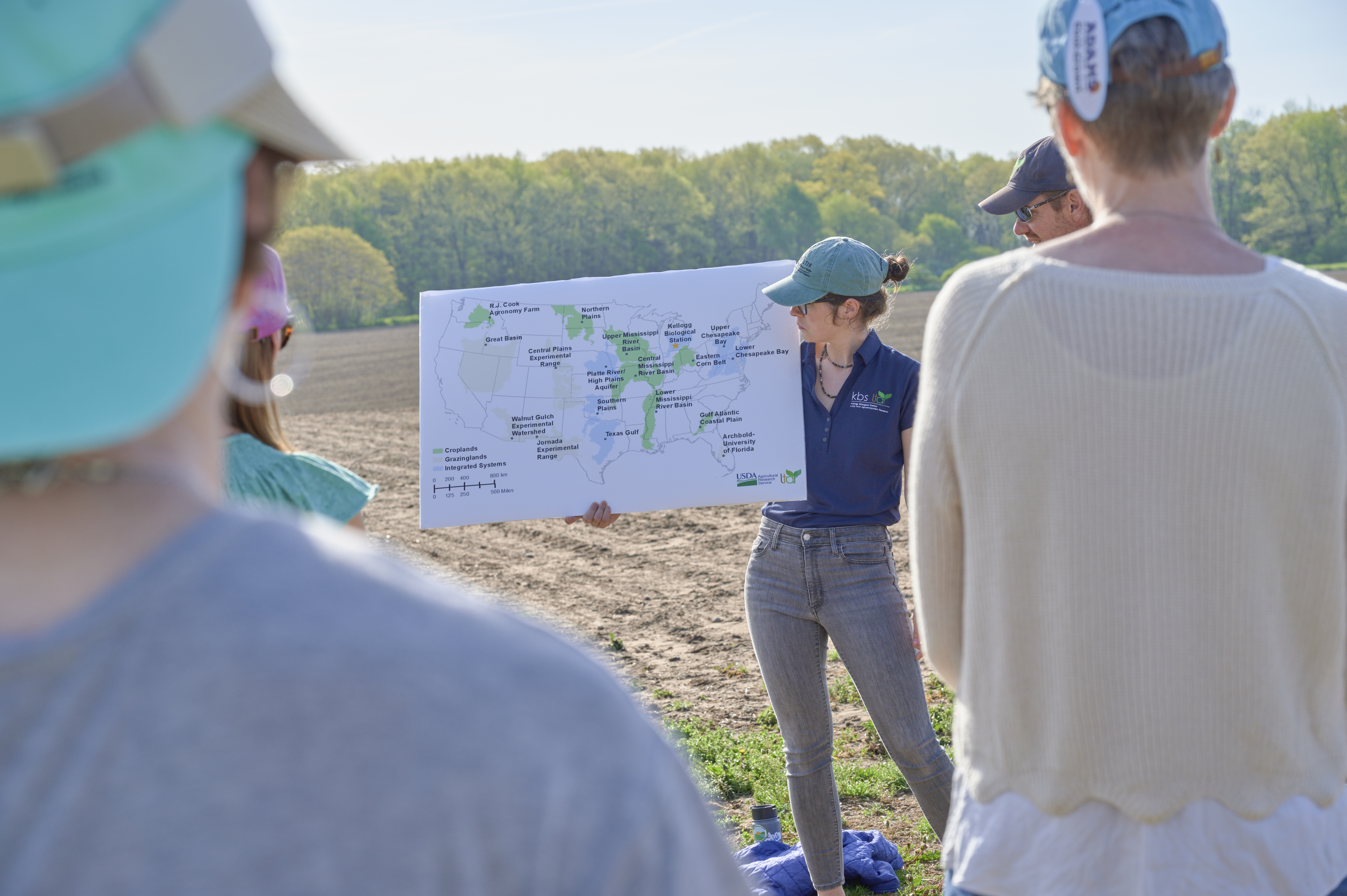
Phil Robertson, KBS-LTAR Director, notes that “Tayler has greatly contributed to the impact and reach of KBS LTAR, and while we’re sorry to see her depart, she leaves us in a great position to continue our strong engagement trajectory.”
Although Tayler is leaving the LTAR program, she will continue contributing to research on the social dimensions of agriculture, helping ensure that the environmentally friendly practices promoted by scientists are also practical and beneficial for farmers. In her new role in the German Living Labs Program, Tayler looks forward to maintaining connections with the LTAR Network and its stakeholders and even foresees potential to help forge international collaborations.
As Tayler reflects on her time with the program, she is especially grateful for the relationships she has built with members of the LTAR community.
“I want to say thank you to the community for their kindness and thoughtfulness as the project has grown,” she said. “It’s really been a lot of fun to see friendly faces return at every event, and I’ll miss that. I hope to come back to visit.”
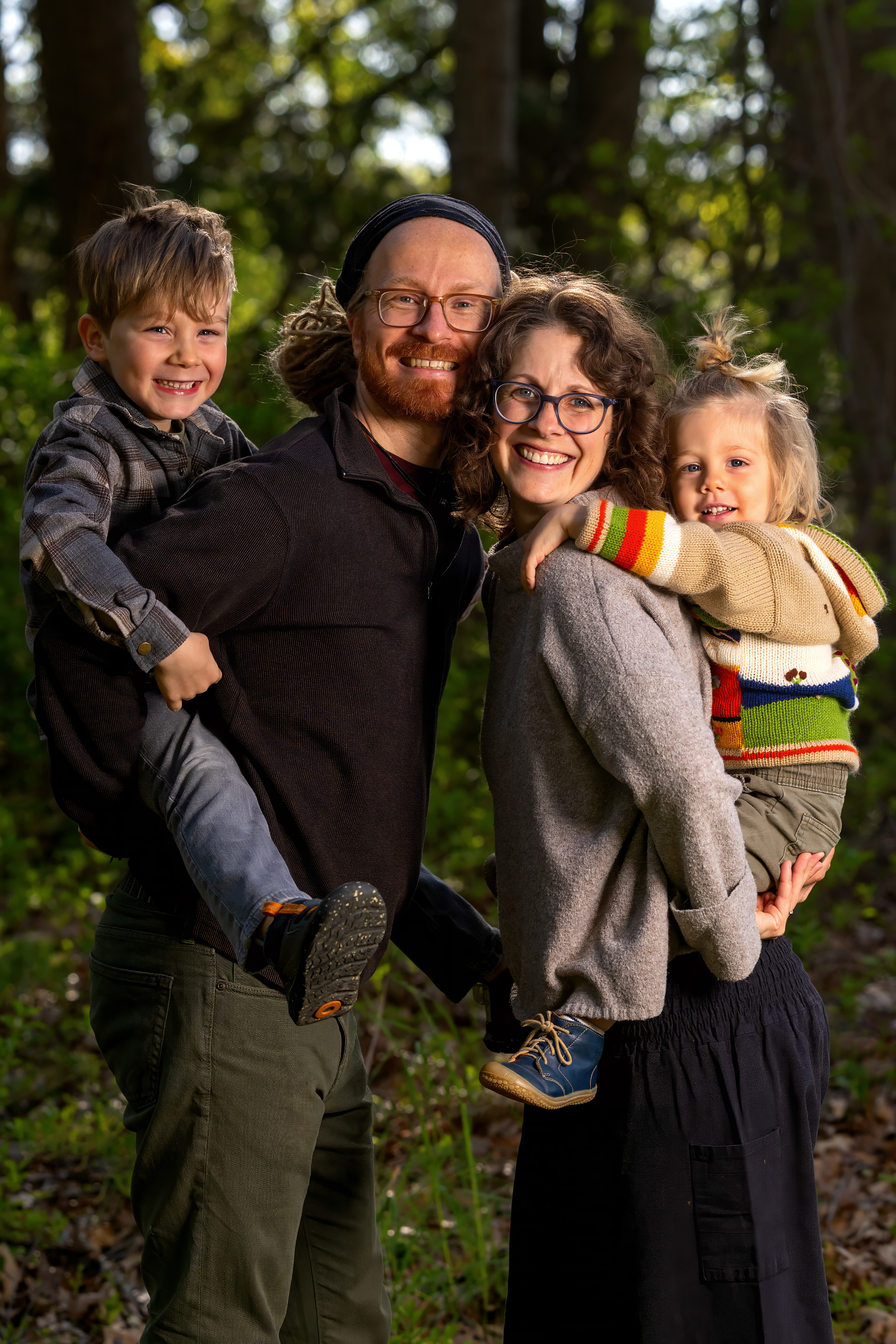
As Tayler concludes her work with the KBS-LTAR, Rachel Drobnak will begin serving as the interim Associate Director for Engagement. Rachel will continue to build on the work Tayler led during her time in this position. This includes coordinating engagement activities and events, supporting ongoing communication between researchers and stakeholders, and strengthening partnerships across the LTAR network.
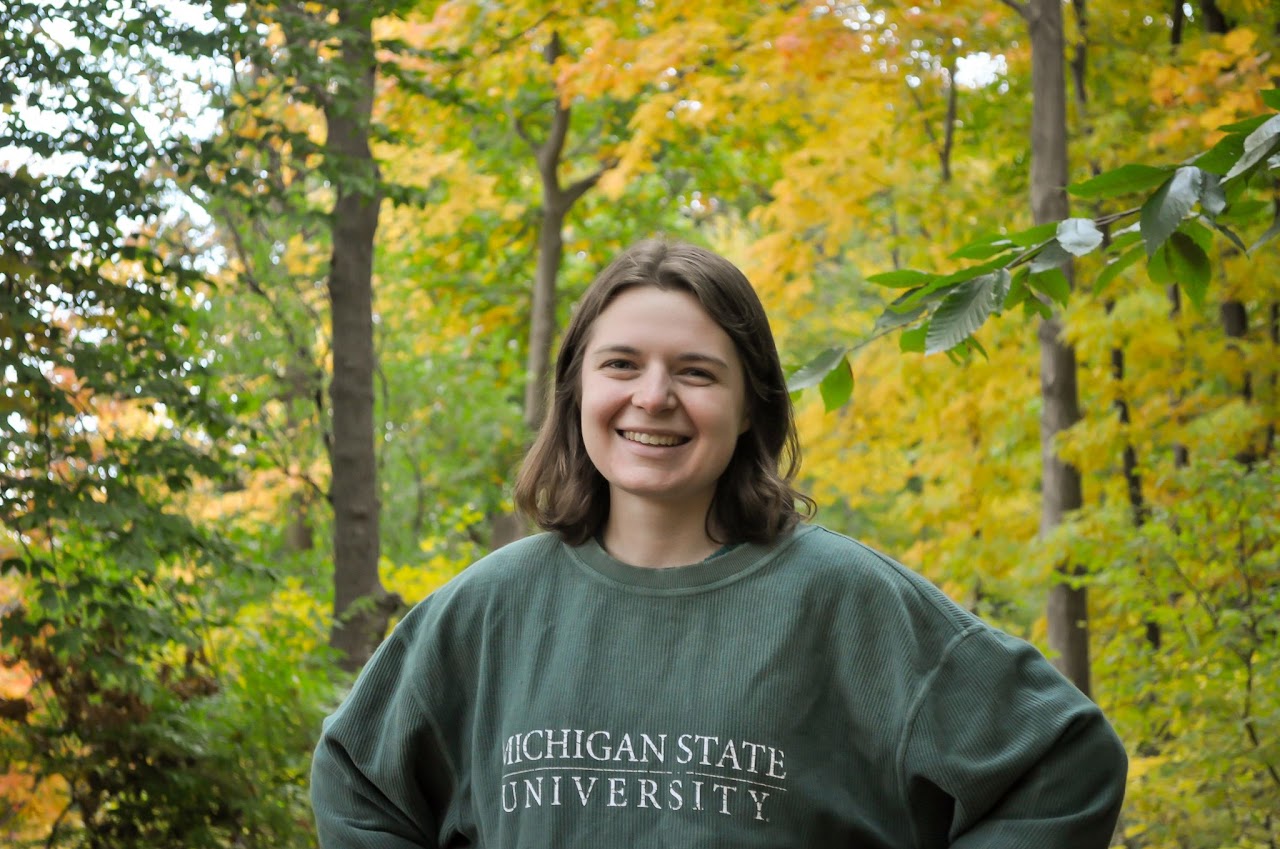
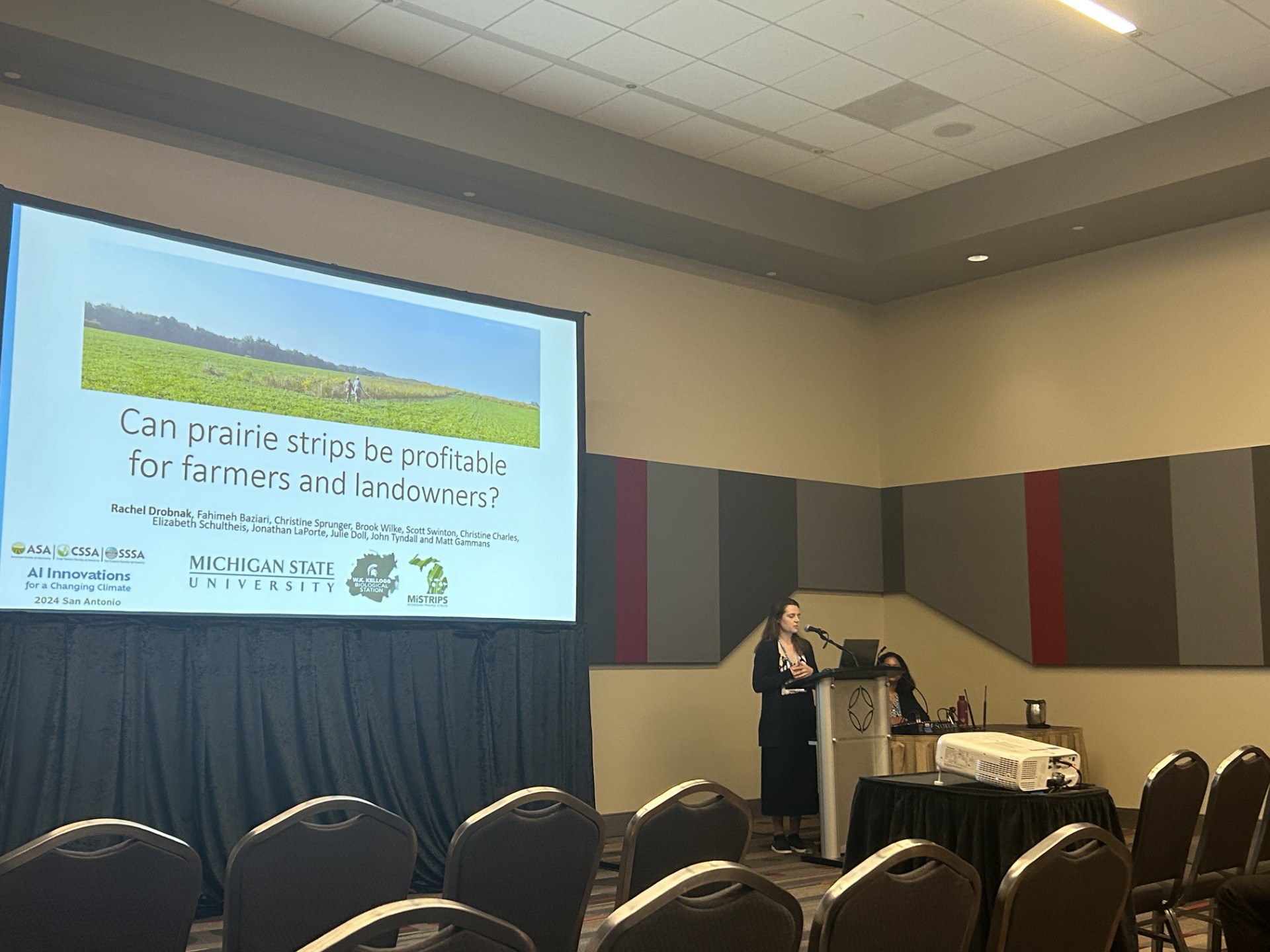
Rachel has been involved with KBS since her time as an undergraduate at MSU and is currently in the final stages of her PhD in Crop and Soil Sciences. Her dissertation research assesses the soil health impacts of prairie strips as a conservation practice. Throughout her PhD, Rachel has incorporated science communication and outreach as core aspects of her projects by conducting on-farm research with farmer collaborators, speaking at LTAR events, and creating outreach products such as soil health reports and a farm-based calculator for estimating the cost of installing prairie strips. Rachel’s focus on integrating agricultural science and outreach directly relates to many of the questions farmers seek answers to through the LTAR program.
Rachel’s connection to the LTAR program began while she was a summer MSU Extension intern in 2021 working with Brook Wilke and Dean Baas, where she installed the stakes designating the first experimental plots. Since then, she has remained consistently involved through attending and assisting with LTAR events, including field days.
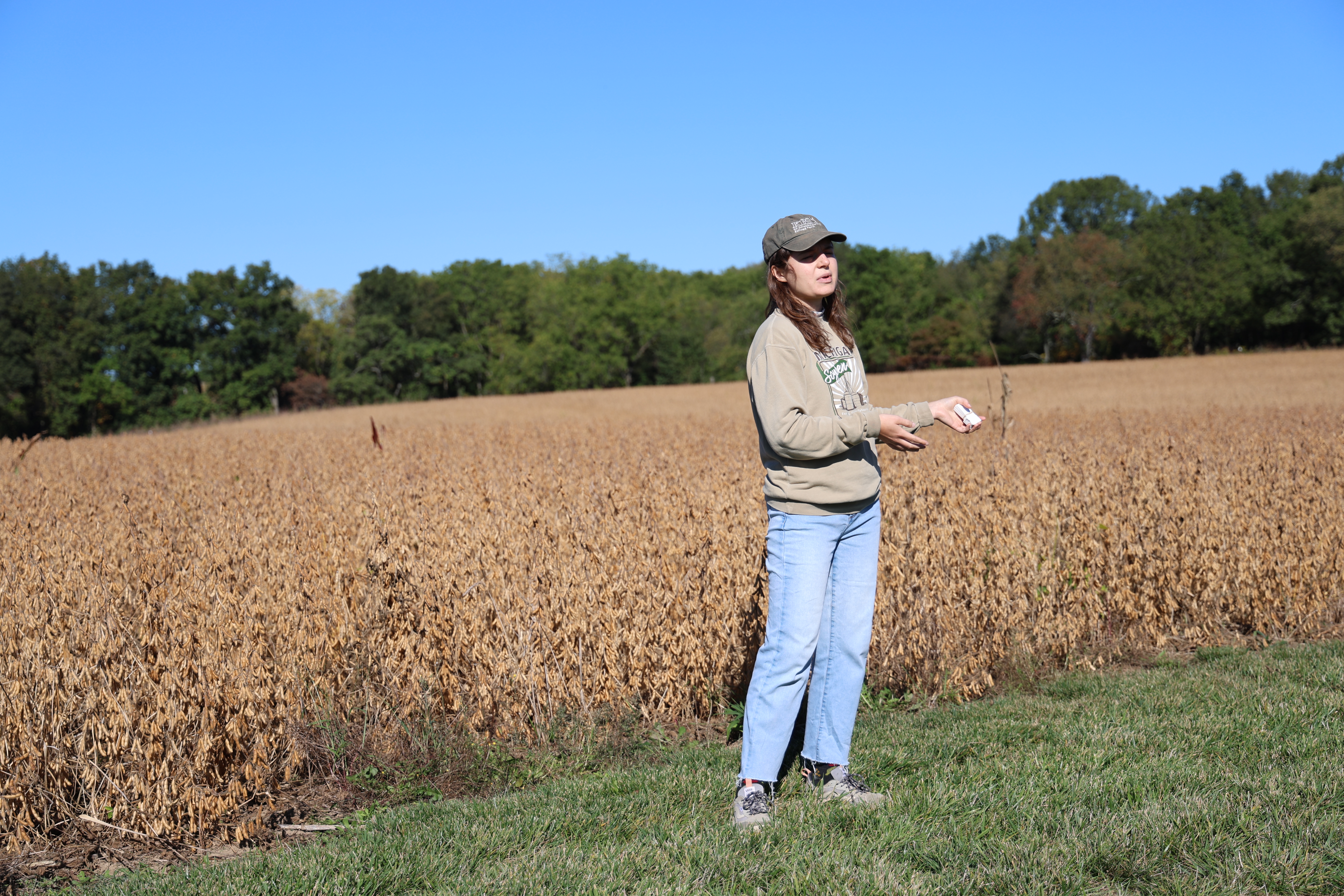
Outside of KBS, Rachel has also worked closely with MSU Extension field crop educators collaborating directly with farmers, the Michigan Soybean Committee, and on a cherry farm in Leelanau County. Reflecting on these experiences, she emphasized the value of understanding different perspectives within agricultural systems. “I’ve had the opportunity to get to know non-profits, commodity groups, farmers, and Extension programs,” she said. “It’s really helpful for this position to understand how every agricultural stakeholder really matters, and how different people bring unique perspectives.”
Given her early ties to KBS-LTAR and her exposure to various agricultural stakeholder perspectives, stepping into this new role feels like a serendipitous and natural culmination of her experiences, research interests, and career goals.
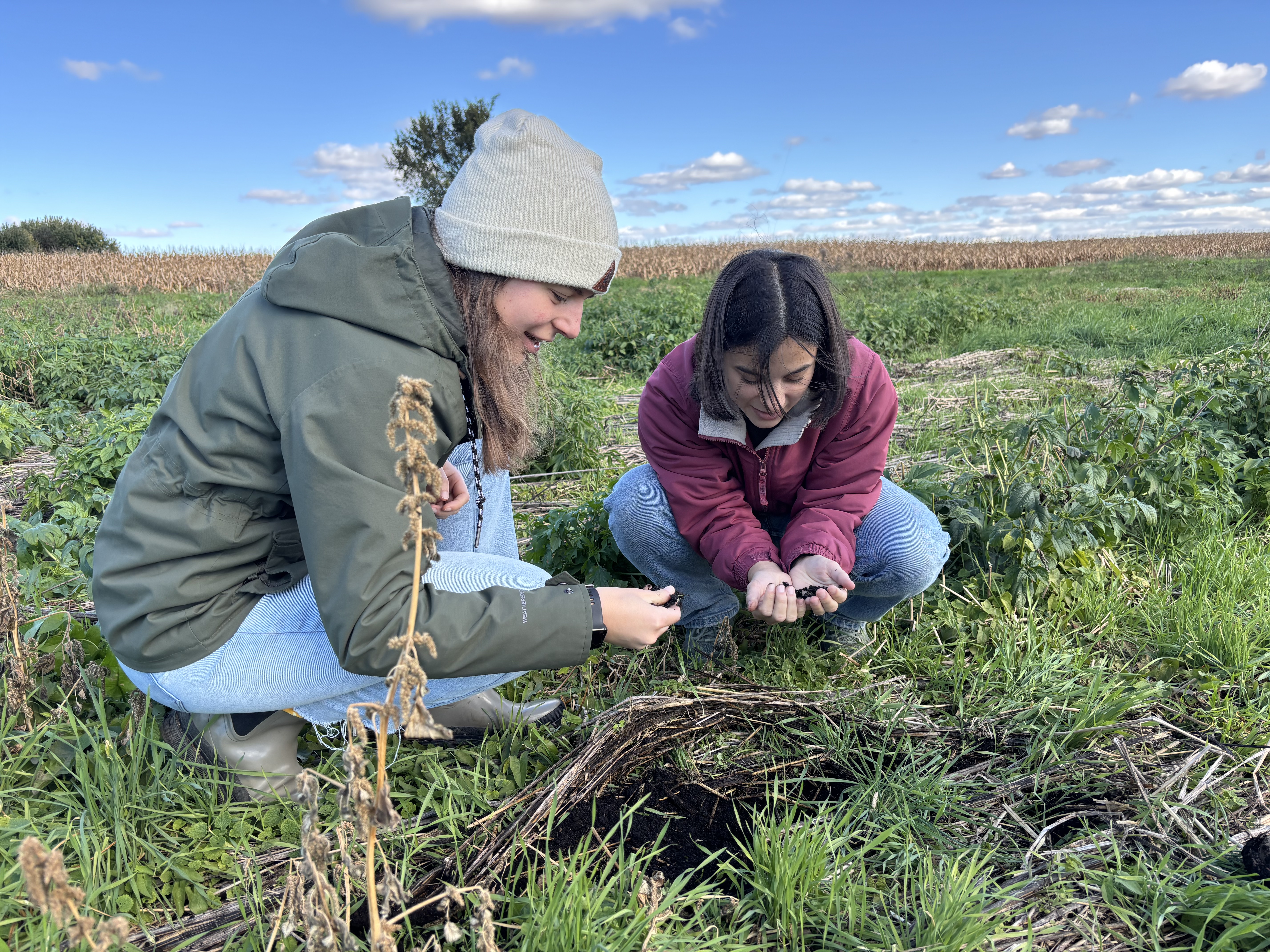
“Rachel brings a passionate interest in outreach programming and facilitation to the position and has been a valuable LTAR participant for several years while conducting her PhD research in soil health,” Phil Robertson notes. “We're excited to have her join the team in this new role and look forward to ongoing success.”
Rachel will be spending the coming months getting to know LTAR stakeholders to continue fostering collaborative partnerships with individuals and organizations. She is especially looking forward to learning more about the challenges farmers face and the adaptations they currently use to adjust to extreme weather and markets. Rachel welcomes opportunities to connect and encourages anyone who would like to introduce themselves, share feedback, or ask questions to reach out to her, either in person or virtually.
To connect with Rachel, please reach out via email or visit her website to learn more about her research and experience.
Email: drobnakr@msu.edu
Website: www.racheldrobnak.com