How to safely clean infant feeding items in an emergency
 Print
Print Email
EmailLearn how to clean and sanitize items used to feed your baby with safe water in an emergency.
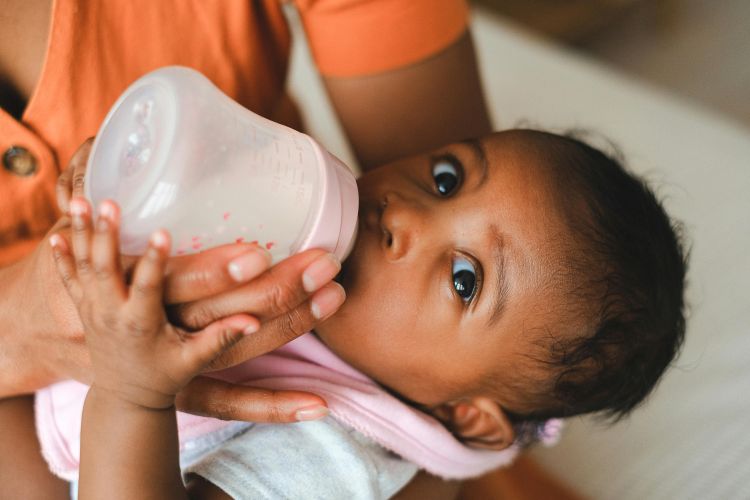
Germs can grow on baby bottles, nipples, sippy cups, cups, bowls, and any other containers used to prepare and store infant formula, baby food or breast milk. All these items need to be cleaned after every use, according to the U.S Centers for Disease Control and Prevention.
Always use safe drinking water for cleaning infant feeding items. If your tap water becomes unsafe, bottled water is the safest option to use in most emergencies. If bottled water is not available, learn how to treat water to make it safe for drinking. This is only an option if the water does not contain fuel, radioactive materials or toxic chemicals. If safe water and soap are not available, use disposable feeding items and throw them out after each use. If nipples, pacifiers, or other hard-to-clean items come in contact with floodwater, you need to throw them out.
You can assemble a kit to store everything needed to safely feed your baby, including:
- A wash basin or storage container with lid (don’t use this stored wash basin to clean anything else)
- A scrub brush (don’t use that stored brush to clean anything else)
- Dish soap
- Paper towels
- Mesh bag for drying items
To safely clean infant feeding items in an emergency, follow these steps:
- Wash your hands with soap and water or use a hand sanitizer with at least 60% alcohol.
- Dump any leftover liquids or foods from bottles, containers and cups.
- Take apart all items and put them into your wash basin or storage container. Never put the items directly into the sink, because there are germs in the sink that can make your baby sick. Fill wash basin with safe water and add dish soap.
- Scrub and wash all surfaces with dish soap and the brush in the basin or storage container. Squeeze or pour soapy water through bottle nipples, valves, straws and sippy cup spouts.
- Rinse the items with safe water.
- Air dry the items on an unused piece of paper towel or a clean drying rack. You can also put them in a clean mesh bag and hang them to air dry. If air drying is unavailable, dry the items with an unused paper towel. Do not dry them with a dish towel, because the towel has germs that can make your baby sick.
- Use soap and safe water to wash the basin, scrub brush and drying rack. Air dry the items after rinsing.
- Once all items are completely dry, store them inside the washbasin or storage container.
If your baby is younger than 2 months old or if your baby is sick, it is also recommended to sanitize all feeding items at least once a day after washing and rinsing them. Use one of the following methods to sanitize:
Boiling Water Sanitizing:
- Put all items in a pot and fill it with safe water.
- Boil the water for 5 minutes.
- Remove the items carefully, and air dry them. Do not rinse the items.
Bleach Sanitizing:
- Put all items in a washbasin. Use a measuring cup to fill the basin with clean water. Keep track of how many cups you used.
- Add 1 teaspoon of bleach per 8 cups of water or per ½ gallon.
- Soak the items for 2 minutes.
- Remove the items carefully and allow them to air dry on an unused piece of paper towel, clean drying rack or hang to dry in a clean mesh bag.
- Do not rinse the items. Any remaining bleach will break down as the items dry and will not hurt your baby.
Please also view this downloadable factsheet from MSU Extension on cleaning infant feeding items in a non-emergency. For answers to your safe food and water questions, call MSU Extension's Food Safety Hotline at 1-877-643-9882. For more information on food safety, visit MSU Extension's Safe Food & Water website.