


Interested in making your own home-fermented foods?
 Print
Print Email
EmailWhat you need to know about food safety and home fermentation.
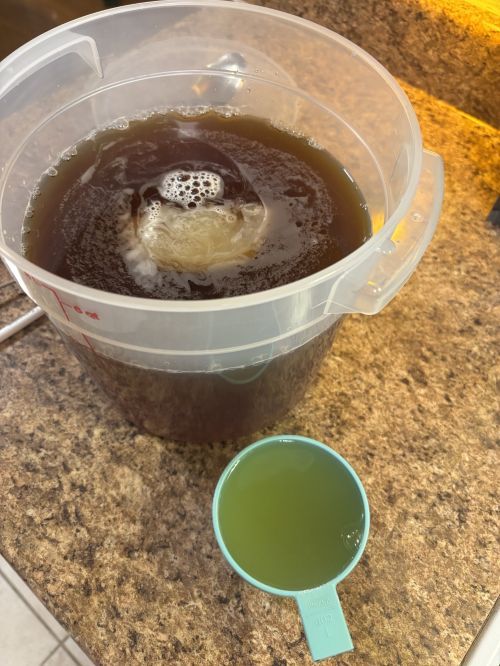
The process of fermenting food and drinks has been around for thousands of years. The practice has become increasingly popular again in the United States. Many of us have probably eaten fermented foods without even realizing it. For example, soy sauce is made from fermented soybeans, and sourdough is made from fermented flour.
So, what is fermentation? Fermentation is a process that turns raw ingredients into foods that are flavorful, preserved and nutritious. During this process, bacteria, yeasts and molds break down carbohydrates and other complex molecules into acids, alcohol and gases, which give fermented foods their distinctive textures and flavors.
But why would anyone ever want bacteria in their food or drink? Our bodies, especially our digestive systems, are already home to hundreds of different kinds of bacteria, both good and bad. In a healthy human gut, most bacteria are beneficial. The American Medical Association reports that these “good” bacteria can help with digestion, help the body use nutrients from food and protect us from harmful germs.
Fermentation uses many of these same “good” bacteria, along with beneficial yeasts. Research shows that the balance of bacteria in our gut, called the gut microbiome, can affect our overall health, including immune function. Eating fermented foods may help support beneficial bacteria in the digestive system.
By now you might be wondering…are home-fermented food and drinks safe? After all, fermentation typically involves leaving food at room temperature so bacteria grow. The good news is that the beneficial microbes involved in fermentation help create conditions, like increased acidity, that reduces the growth of harmful bacteria.
However, there are some people who should proceed with caution. Individuals who are pregnant, have weakened immune systems, have gut disorders or other severe health conditions should consult with their medical provider before consuming fermented foods.
Keep in mind that not all fermented foods have tested guidelines for safe home preparation. Michigan State University Extension recommends using recipes outlined by reliable sources. Tested recipes ensure the final product reaches an acid level that prevents harmful bacteria from growing, provide information on long-term storage and help reduce the risk of foodborne illnesses. The National Center for Home Food Preservation, University of Wisconsin-Madison Extension or Colorado State University Extension are all examples of places to find tested recipes for fermented foods.
Be adventurous! Give fermented foods a try!