Bulletin E3541
Integrating High-Oleic Soybeans into Farm Systems: Animal Performance and Dairy Feeding Strategies
DOWNLOAD
September 2, 2026 - Martin Mangual, Phil Durst, Eric Anderson, Jonathan LaPorte, and Teresa Crook, Michigan State University Extension
 Print
Print Email
Email
Introduction
Dairy farmers have an opportunity to improve productivity and profitability while meeting the demand for high-quality livestock feed by incorporating high-oleic soybeans (HOSB) into the diet. The key difference from conventional soybeans lies in their fatty acid profile, particularly their higher oleic acid content, which make HOSB a versatile feed ingredient with potential across multiple livestock sectors. Both research and farm experience suggest the dairy industry is a primary destination for HOSB. Dairy cows can effectively utilize both the protein and the unique fat profile, with consistent research showing potential to improve milk yield and component production. Thus, our focus is discussing how HOSB are incorporated into dairy feeding operations.
This bulletin explores the impact of HOSB on ration costs and animal performance while also addressing key management factors such as roasting, particle size, and storage, which play an important role in the production responses. In addition, practical guidelines are provided to help monitor herd response and minimize potential risks when incorporating HOSB into dairy rations. Together, this information provides a practical foundation for producers evaluating HOSB as part of their feeding strategy.
For more information about the background of HOSB development and use in the U.S., impacts on human health, agronomic and marketing considerations, refer to MSU Extension Bulletin E3540, Integrating High-Oleic Soybeans into Farm Systems: Exploring Production, Marketing and Contracts.
Feeding High-Oleic Soybeans
Evidence suggests there is value in HOSB as a livestock feed ingredient. For finishing hogs, rations with HOSB oil led to heavier pigs and more efficient growth (Gaffield et al., 2022), which benefits the pork industry. In poultry diets, expeller-extruded HOSB improved broiler growth performance and meat fatty acid composition (Atoo et al., 2025), while full-fat HOSB meal inclusion in laying hens' diets yielded a positive impact on the nutritional profile of eggs (Maharjan et al., 2023). In the beef industry, HOSB can be used as a source of both protein and energy, though its value is typically less differentiated from conventional soybeans in finishing rations. Although these are promising results, the dairy industry still presents the greatest potential for impacts.
Meeting energy demands of a high-producing dairy cow is always a challenging task. Often, energy-dense ingredients such as fatty acid supplements or oils are used to address this. When such ingredients are used, caution is advised due to the potential impacts of their fatty acid profile in regard to how they are processed in the rumen. Biohydrogenation is the process in the rumen that progressively converts unsaturated fatty acids into more saturated fats, helping protect rumen microbes from the toxic effects of unsaturated fats. However, when the rate or extent of this process is altered by the fatty acid composition of feed ingredients, or rumen conditions, harmful by-products can form that interfere with butterfat production and potentially lead to issues like milk fat depression (MFD).
That's where HOSB present an opportunity. The high oleic acid content supports energy supply with a lower risk of diet-induced MFD compared with more polyunsaturated fat sources, such as those found in conventional soybeans. In addition, current feed market conditions make HOSB an attractive option to partially replace higher-cost ingredients such as purchased fats and protein (or bypass protein) supplements, improving ration flexibility and potential feed cost efficiency.
Many dairy producers began feeding HOSB to reduce purchased feed cost for cows. Reduced ration cost is a function of what is removed from the diet when HOSB are added. Replacing purchased protein and fat supplements with roasted HOSB can lower feed costs and improve margins. Research shows an increased profitability of $1.00 per cow per day (Rickman, 2025), while economic modeling (Nicholson et al., 2024) found a potential increase in milk-income minus feed-cost of up to $0.27 per cow per day.
Dairy farms report that often what is removed are more expensive ingredients used to increase energy density such as fat supplements and rumen-bypass protein sources. According to one dairy nutritionist, “Good nutritionists feed nutrients, not products...HOSB cover multiple nutrient needs in one ingredient” (Rickman, 2025). This is what makes HOSB typically a more competitive ingredient. Although ration cost is a primary reason for farms adopting HOSB as part of their feeding program, animal responses also present a compelling case to support the value of HOSB as a dairy feed ingredient.
Animal Response
Michigan State University research (Bales & Lock, 2024a) has shown significant improvement in milk production including energy corrected milk (ECM), a measure that accounts for milk volume and fat and protein yields. The same study also reported increased milk fat yields when HOSB are included in the ration as a replacement for conventional soybean meal and soy hulls. These gains were reported without negative impacts on protein yield, body weight gain, or body condition score. A slight increase in dry matter intake (DMI) was observed, yet a different study evaluating inclusion rate (Bales & Lock, 2024b) reported a slight decrease in DMI. It is important to mention that milk and component production is increased even with the differences seen in DMI response though the rate varies by herd, baseline diet, management, and HOSB processing consistency.
While those studies were conducted on post-peak cows, another project (Gouveia et al., 2026) evaluated the impact of adding HOSB during the transition period, both in close-up and fresh diets. They reported adding HOSB in the close-up ration increased colostrum yield at calving while HOSB inclusion in the fresh ration increased milk production (ECM and fat yield) and reduced body weight loss without affecting DMI.
High-oleic soybeans can fit into the diet of any dairy cow and are often fed throughout lactation. Both nutritionists and producers like the dual benefits of reduced ration cost and increased milk value. The benefits of HOSB on production are contingent on rate of inclusion (Bales & Lock, 2024b), and factors such as quality of roasting (Bales & Lock, 2024a) and the extent of bean processing for particle size. Managing these three factors is key to achieving greater results.
Inclusion Rate
Just as with conventional soybeans, HOSB feed is a source of energy from fat and protein. And just as with any feed ingredient, profitable feeding is about the comparative advantages or disadvantages of a nutrient source in relation to other feeds in the diet.
| When HOSB are a good fit for dairies |
| Rations high in low protein feeds such as corn silage |
| Rations lacking in undegradable protein |
| High-producing cow rations where added fat is beneficial |
| Rations currently including expensive bypass protein or energy additives |
Conventional soybeans are rich in linoleic acid, a polyunsaturated fatty acid (PUFA). Due to the potential negative effects of PUFAs on fiber digestion and the increased risk for diet-induced MFD, conventional soybeans have an upper limit when it comes to inclusion in the ration. For most farms, this usually translates to inclusion rate limits of 8–10% of the dry matter in the ration. However, the risk of these negative effects is reduced when conventional soybeans are replaced with HOSB that are high in oleic acid (monounsaturated) and low in linoleic acid.
Research from MSU (Bales and Lock, 2024b) evaluated the inclusion of roasted HOSB up to 24% of ration dry matter with no significant negative effects, such as MFD. It is important to consider that HOSB are still 2–10% linoleic acid, thus the risk is not eliminated. These researchers also reported production increases with inclusion rates of 8% and 16% of ration dry matter. The study also noted a slight decrease in DMI as inclusion rate increased beyond 16% of ration dry matter. The increase in production and reduced DMI also led to a significant improvement in feed efficiency (ECM/DMI). Always evaluate ration cost along with production benefits when considering inclusion rate and be aware that responses can vary on a herd-by-herd basis.
The question of inclusion rate includes consideration of availability and inventory management. Whether farmers plan to grow their own HOSB or source them from a local grower, it is important to ensure enough inventory to avoid running out of HOSB and introducing unnecessary changes to the ration. Consistent supply avoids having periods of rumen microbe adjustment for each change as consistency of the ration is crucial. Therefore, some dairy producers determine their inclusion rate by dividing the total harvested supply by the planned days to feed.
Since roasting beans causes shrink (loss of moisture as well as some dry matter with handling), producers will need to adjust their rate to account for these expected circumstances as well.
Processing HOSB
Roasting
Roasting HOSB enhances their feeding value and consistency when managed correctly. It offers at least three important nutritional and economic advantages for dairy herds, but achieving these benefits depends on proper heat control and routine monitoring of product quality.
Nutritional Benefits
First, research done with conventional soybeans (Faldet et al., 1991) has shown roasting increases rumen-undegradable protein (RUP). Stabilizing soybean protein through heat treatment allows more amino acids to bypass rumen degradation and be absorbed in the small intestine. Second, it also denatures anti-nutritional enzymes, such as urease and trypsin inhibitors, improving digestibility and reducing metabolic demand for processing. Third, roasting slows enzymatic oxidation of the oil fraction, which provides stability during feed out, improving bioavailability. Furthermore, MSU research showed that roasting HOSB improved milk production responses in dairy cows when compared to raw HOSB (Bales and Lock, 2024a). Many nutritionists also report that roasted beans can enhance feed palatability, encouraging intake when beans are incorporated into balanced rations. Yet, research by Lock and Bales (2024a) found no impact of roasting on DMI.
Fatty Acid Profile After Roasting
Roasting does not alter the favorable fatty-acid composition of HOSB. Bales and Lock (2024a) did not report any significant differences in fatty acid profile between raw and roasted HOSB. Additionally, according to Lopes et al. (2017), oleic acid concentration remains unchanged after heat treatment. Though there was a slight increase in linoleic acid concentration after heat treatment in that study, it was still significantly lower when compared to conventional beans.
Roasting Process and Quality Control
Farmers report their roasting conditions are closer to 345 °F with a 30-minute roast and steeping, followed by 30 minutes of maintaining the temperature without additional heat, depending on the roaster. Steeping, done in an enclosed vessel, allows time for the heat to fully penetrate the beans to get the full effect of roasting. An enclosure that holds the heat within the roasting unit or a bin prevents uneven cooling. Consistency of roasting and the consideration of the starting moisture content of the harvested beans are important. It is recommended that when starting on-farm roasting, producers should keep a record of bean moisture, roasting temperature, and results.
Roasting is always preferred over feeding raw HOSB; however, roasting quality is important. Monitoring quality while roasting HOSB is crucial to avoid potential issues. Overheating causes Maillard reactions, a chemical process that reduces protein digestibility and the bioavailability of amino acids, such as lysine. On the other hand, underheating leaves enzymes active and negates the nutritional gains. Uneven heating or inadequate cooling leads to batch variability and inconsistent results during feeding.
The question then is whether a good analysis of roasted beans exists that would serve as a check on roasting quality. Some nutritionists use the protein dispersibility index (PDI) of the roasted product as a key metric to evaluate the quality of the roasting process. Optimal PDI values fall between 9 and 11, which is indicative of sufficient heating without protein damage. However, it is important to note that the PDI analysis was originally designed for soybean meal, and thus the values to represent full-fat roasted soybeans could fall between 8 and 12.
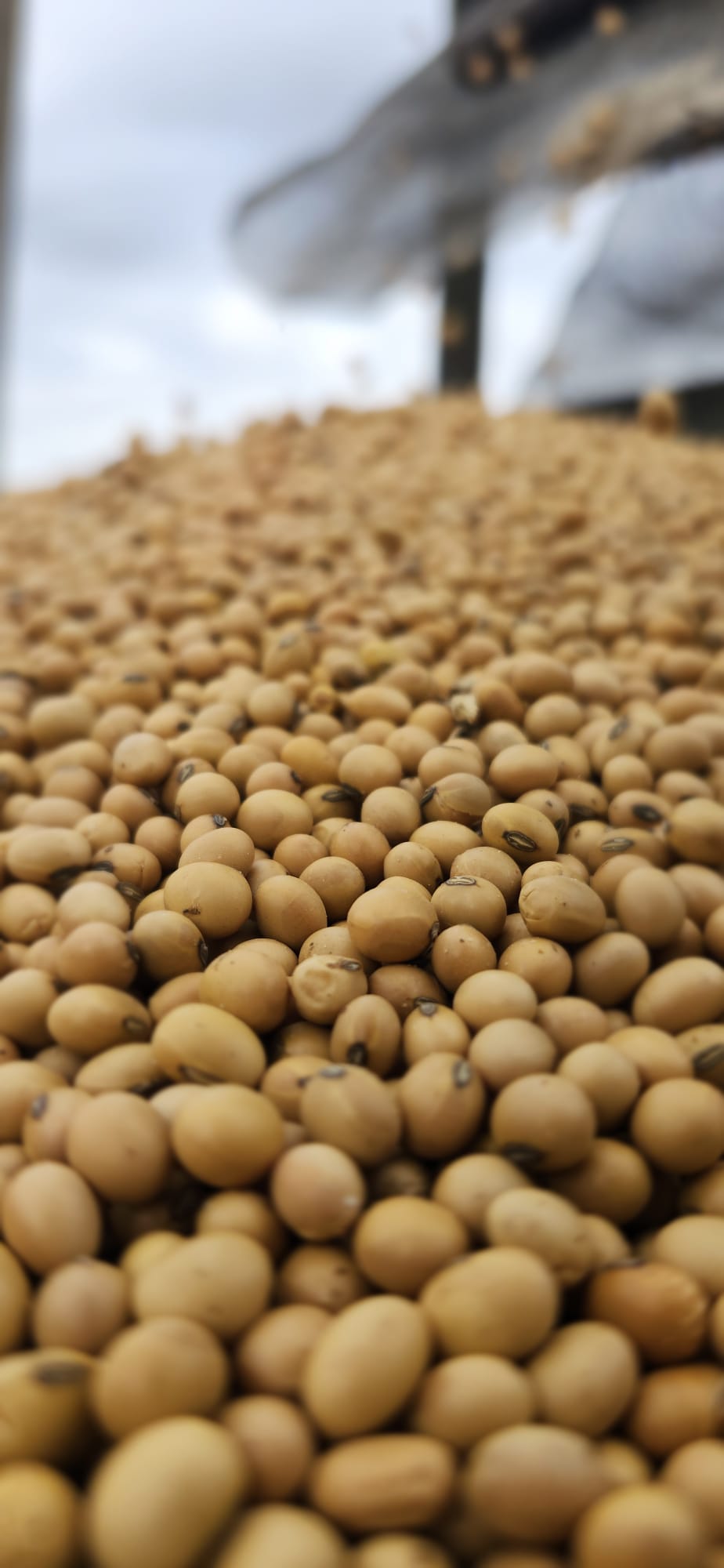
| Protein Dispersion Index (PDI) |
| A laboratory test to measure how well the protein in a feed disperses in water at standard temperatures. The value reflects the digestibility of the protein and, therefore, the nutritional value of the feed. However, it is an indirect measure, not measuring digestibility directly nor protein quality. Yet, as a standard measure of the same type of feed (roasted HOSB), it can be valuable to monitor the roasting process. |
Interestingly, the authors reviewed a report of 306 sample analyses from Dairyland Laboratories (Oct 2024–Oct 2025, unpublished data) and found only 26% met this target, with 42% of the samples reporting a PDI under 7.0 or over 13.99. In fact, evaluating PDI and other metrics affected by roasting may only identify inadequate roasting rather than differentiating nutritional quality. This further supports the need for research to develop optimal guidelines.
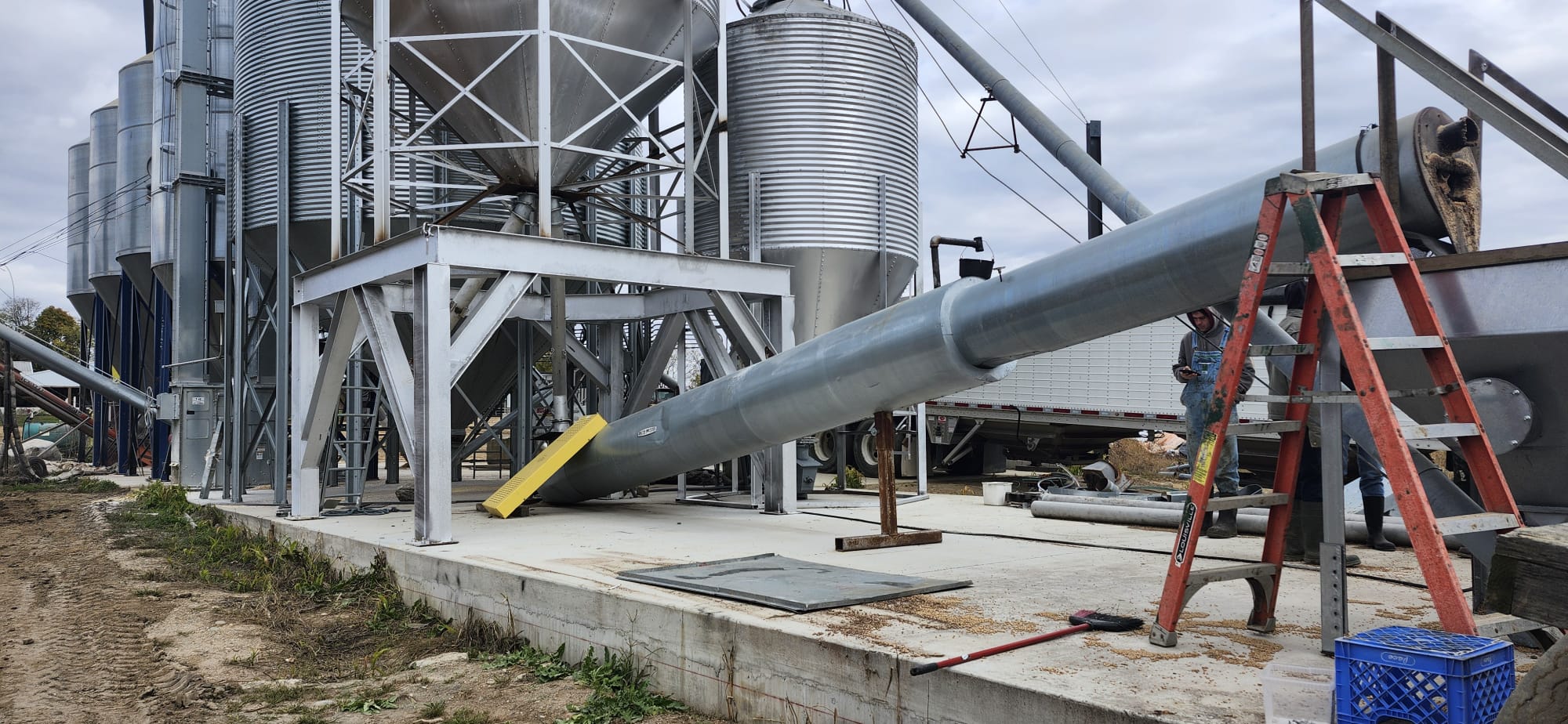
Most on-farm systems use flame (natural gas or propane) or electric roasters, often equipped with oil-filled jackets to promote even heating. Roaster design and throughput speed strongly influence uniformity; some farmers have modified gear ratios to slow movement through the drum and improve consistency. Moisture of raw beans should be considered when setting time and temperature. The key is to monitor the quality of the roasted product and not rely solely on preset parameters.
Investment in roasting equipment can be significant. Commercial or on-farm roasters range from $10,000 to $100,000 with additional annual operating expenses (Rickman, 2025). Before investing, producers should compare the expected savings from feed cost reduction with the payback period for the equipment. Operations with limited roasting experience may face slower returns until roasting consistency and efficiency improves.
Particle Size
The degree to which HOSB are processed has a direct influence on nutrient utilization, milk response, and feed efficiency. Particle size impacts how much protein and fat are degraded in the rumen versus how much is bypassed to the small intestine. Getting this balance right reduces waste and supports consistent animal performance.
Research with conventional beans (Dhiman,1997) showed whole beans or large particles (>4–5 mm) protect more RUP, but are often less completely digested. Whole or half beans frequently appear undigested in manure, and this could lead to reduced production. Intermediate particle sizes roughly 2–3 mm, such as cracked or quarter pieces, tend to provide a good compromise between rumen protection and digestibility. On the other hand, fine grinding (<1 mm) increases surface area and speeds up rumen degradation of both protein and fat. While this can raise total digestibility, it can also reduce bypass protein and may alter milk fat composition due to greater fatty acid biohydrogenation. This risk, however, is affected by processing factors such as roasting, which slows rumen degradation.
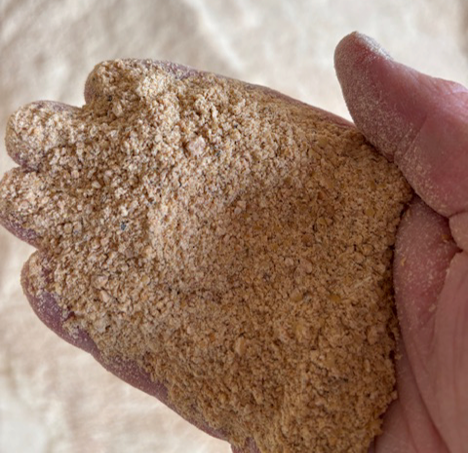
Reports from farms and dairy nutritionists indicate that for ground HOSB, a practical target lies around 0.7–1.0 mm (700–1000 microns). This range balances digestibility with bypass protein supply, maintaining nutrient efficiency, while avoiding excessive degradation in the rumen. Aiming for small- to mid-sized grind minimizes waste and supports milk yield. Fine grinding can be used strategically in grain mixes or pelleted feeds for uniformity, but monitor performance changes and adjust as needed. In total mixed rations (TMR), cracked or moderately ground beans help reduce sorting and improve consistency. Research is currently ongoing to determine optimal particle size recommendations for HOSB.
Practical Considerations for On-Farm Management
Equipment Options for On-Farm Grinding
Farmers have several practical options for processing soybeans depending on herd size, throughput needs, and whether the beans are fed raw or roasted.
Hammer mills, the most common on-farm option, use swinging hammers to break beans against a screen. Screen size determines final particle size (smaller screens = finer grind). Hammer mills are versatile and handle both raw and roasted beans, but they can produce variable particle size if screens or hammers wear unevenly. Regular maintenance and cleaning help ensure uniformity.
Roller mills crush beans between rotating rollers, producing a more uniform, flatter particle size with fewer fines than hammer mills. They are ideal for cracking beans to intermediate sizes (1–3 mm). Roller spacing can be adjusted to achieve the desired grind. These mills work best with roasted or conditioned beans; raw soybeans can be harder on the rollers. This equipment can reach particle sizes under 1 mm (1,000 microns) by using multi-stage milling. Material passes through multiple pairs of rollers with each successive pair set to a smaller gap. This progressive reduction minimizes the creation of oversized particles, producing a more uniform, fine end-product.
On-Farm Storage
High-oleic soybeans share many handling needs with conventional soybeans. Whether beans are kept for a few days during feeding or for several months, the structure and duration of storage determine how well nutrient and oil quality are preserved.
Storage structures and trade-offs.
Storage bins provide the most reliable environment for both raw and roasted soybeans, offering control of aeration, temperature, and moisture. Regular monitoring helps prevent heating and mold pockets. Grain bags are convenient for temporary or overflow storage and easy to set up on-farm. However, grain bags offer limited temperature control and are prone to punctures and wildlife damage. Piles or open bays are the lowest-cost option but carry the greatest risk of shrink, moisture wicking, and rodent damage. These are best if reserved for short-term storage during active feeding.
If new storage bins are needed, construction costs should be included when considering the investment in adopting HOSB. Farms may find the investment more feasible if additional storage also provides flexibility of use across multiple crops and marketing strategies (Rickman, 2025).
Moisture management.
Safe, long-term storage depends on moisture control. Target 11–12% moisture in bins to minimize mold growth and oil oxidation. Even modest increases to 13–14% can shorten safe storage time. On-farm grain moisture testing is strongly recommended when storing beans beyond a few weeks.
Shrink and quality losses.
Shrink results from moisture loss, handling, fines, and spoilage. Well-managed bins have the lowest shrink (about 0.5–1%), followed by grain bags (1–3%) and outdoor piles (3–5% or more). For HOSB, shrink also reflects declines in oil stability. Oxidized oil can reduce feeding value and palatability.
Whole vs. cracked beans.
Whole soybeans store better than cracked ones because the seed coat protects the oil and protein from oxidation and microbial growth. Once beans are broken, exposed oil surfaces oxidize, and mold risk rises if moisture exceeds safe limits. Storage time decreases when more than 15% of beans are cracked. Whenever possible, store soybeans whole and grind or crack them as needed near feeding.
| Practical Takeaway |
| Keep beans cool, dry, and whole for best shelf life. Aim for 11–12% moisture and monitor conditions routinely. Roast and grind only what can be fed within a few months as shorter storage preserves oil quality and feed performance. |
Managing Feeding Risks: What to Watch for?
Feeding HOSB can improve milk yield and feed efficiency, but careful monitoring helps avoid nutritional imbalances and performance losses. The main risks involve the feeding of unsaturated fat, oxidation, poor processing consistency, or feed spoilage.
Potential feeding challenges. Over-inclusion of any unsaturated fat sources can disrupt rumen biohydrogenation and cause diet-induced MFD. Although oleic-rich fats are safer than polyunsaturated sources, the total dietary fat level should remain within the typical range of 4–6% of dry matter. Rancid or oxidized fats reduce palatability and animal performance; this risk increases when ground beans are stored above recommended moisture levels or kept warm for extended periods of time. Processing inconsistency, such as uneven roasting or particle size, can also lead to variable results. Finally, cracked or damaged beans stored above 13% moisture are prone to mold and spoilage, further lowering feed value and production responses.
Key monitoring areas. Track total ration fat and unsaturated fatty acid load, adjusting HOSB inclusion if milk fat or fiber digestion declines. Monitor milk components regularly, including concentration of fat, protein, and the fat-to-protein ratio to identify potential early signs of MFD. Observe DMI: stable or rising intake indicates good acceptance, while sustained declines or sorting behavior suggest rumen or palatability issues. Manure evaluation offers additional clues, such as loose or foamy manure, visible bean pieces, or oily residues that signal excessive dietary fat or poor processing.
Management practices. Introduce HOSB gradually, rebalance other fat sources, and apply standard MFD prevention strategies such as maintaining effective fiber, adjusting starch, and evaluating feeding or feed push frequency if needed to reduce the risk of sorting. Keep storage fresh, grind close to feeding, and rotate inventory to minimize spoilage.
Conclusion
Research and on-farm experience indicate that HOSB can contribute to improved milk yield and component production. Its unique fatty acid profile offers both a protein and energy source that fits well in high-producing dairy cow rations. From an economic standpoint, HOSB can offer a competitive alternative to purchased protein (including bypass protein) and fat sources, particularly when produced and processed on farm.
Processing and handling play a critical role. Factors such as roasting quality and consistency, particle size, and nutrient availability can influence overall animal response. Proper storage provides product stability and minimizes losses. Attention to these management areas helps ensure that the benefits observed in research translate to on-farm performance. As with any high-fat feed ingredient, successful use depends on balancing the ration to avoid excessive unsaturated fat intake and monitoring cows for signs of MFD or performance variability.
Overall, HOSB can be a valuable addition to dairy rations when integrated thoughtfully. Producers are encouraged to work with their nutritionist, monitor herd response closely, and apply sound feeding and management practices to capture their full benefit within the dairy system.
Thanks to Dr. Adam Lock and Dr. Alycia Bales for providing their expertise in reviewing this bulletin.
Visit the MSU Extension Soybeans website for more soybean-related resources.
References
Atoo A.F., Perez-Palencia J.Y., Levesque C.L., Underwood K., Koch K., Mueller S., Krishnan H.B., and Hong J. (2025) Effects of feeding expeller-extruded high oleic soybeans in broiler diets on growth performance, blood profile, and meat quality. Poultry Science 104:04960. https://doi.org/10.1016/j.psj.2025.104960
Bales A.M., & Lock A.L. (2024a) Effects of raw and roasted high oleic soybeans on milk production of high-producing dairy cows. Journal of Dairy Science, 107, 10869-10881. https://doi.org/10.3168/jds.2024-25092
Bales A.M., & Lock A.L. (2024b) Effects of increasing dietary inclusion of high oleic acid soybeans on milk production of high-producing dairy cows. Journal of Dairy Science, 107: 7867- 7878. https://doi.org/10.3168/jds.2024-24781
Dhiman T.R., Korevaae A.C., and Satter L.D. (1997) Particle size of roasted soybeans and the effect on milk production of dairy cows. Journal of Dairy Science 80: 1722-1727. https://doi.org/10.3168/jds.S00220302(97)76104-6
Faldet M.A., Voss V.L., Broderick G.A., and Satter L.D. (1991) Chemical, in-vitro, and in-situ evaluation of heat-treated soybean proteins. Journal of Dairy Science 74:2548-2554. https://doi.org/10.3168/jds.S00220302(91)78432-4
Gaffield K.N., Boler D.D., Dilger N., Dilger A.C., and Harsh B.N. (2022) Effects of feeding high oleic soybeans oil to growing-finishing pigs on growth performance and carcass characteristics. Journal of Animal Science 100: 1-10. https://doi.org/10.1093/jas/skac071
Gouveia, K., J. E. Parales-Girón, A. Bales, J. de Souza, and A. L. Lock. (2026) Feeding high-oleic soybeans during the transition period improves colostrum yield and milk production in early lactation dairy cows. Proceedings Tri-State Dairy Nutrition Conference. p. 137.
Lopes J.C., Harper M.T., Giallongo F., Oh J., Smith L., Ortega-Perez A.M., Harper S.A., Melgar A., Kniffen D.M., Fabin R.A., and Hristov A.N. (2017) Effect of high-oleic- acid soybeans on production performance, milk fatty acid composition, and enteric methane emission in dairy cows. Journal of Dairy Science 100:1122-1135. https://doi.org/10.3168/jds.2016-11911
Maharjan P., Rahimi A., Harding K.L., Vu T.C., Malheiros R., Oviedo-Rodon E.O., Mian R., Joseph M., Dean L., Anderson K.E., and Toomer O. (2023) Effects of full-fat high oleic soybean meal in layer diets on nutrient digestibility and egg quality parameters of a white laying hen strain. Poultry Science 102(4):102486. https://doi.org/10.1016/j.psj.2023.102486
Nicholson F.C., Stephenson M.W., Armentano L., & Harvatine K. (2024). Economic analysis of high-oleic soybeans in dairy rations. J. Dairy Sci. 107: 3642-3650. https://doi.org/10.3168/jds.2023-23738
Rickman, S. (2025) Market potential for high-oleic soybeans in the Michigan dairy industry: A case study of Michigan stakeholder perspectives. Thesis - Major Professor: Brent Ross. https://doi.org/doi:10.25335/yj1t-jw95
Other Bulletins in Series