Bulletin E3545
Optimizing Corn Hybrid Maturity Selection for Maximum Yield and Profit in Michigan and Northern Regions
DOWNLOAD
August 10, 2026 - Benjamin Agyei, Postdoctoral Fellow, Michigan State University and Maninder Singh, Associate Professor and Extension Cropping Systems Agronomist, Michigan State University
 Print
Print Email
EmailKey Points
- Developed an optimal hybrid relative maturity (RM) map under typical corn planting times in Michigan.
- Hybrid RM that maximized profits was typically lower than the RM that maximized yield for most Michigan locations.
- The RM that maximized yield and profits changes based on planting date.
- If corn is planted early (late April to early May in south central Michigan), use RMs that are 5–10 units greater than what is usually planted.
- If corn is planted in late May, use the baseline RM recommendations to ensure corn has enough time to dry down.
- For plantings in June, use RMs that are around 5 units lower than what is usually planted.
- For growers in northern locations, use lower end of our recommendations for adjusting RM based on planting date.
- Kernel weight does not change after black layer is formed, so corn can be left in the field for additional dry down if needed, but extended field drying can increase risk of harvest losses.
Introduction
Corn is widely grown in Michigan and other northern states because soils in this region are naturally fertile, with high organic matter and water holding capacity. Seasonal precipitation average is also about 30 inches, which is generally considered sufficient given that corn typically requires about 22 to 30 inches of water from planting until physiological maturity.
In recent years, a lot of weather-related changes have occurred in this region. One example is the expansion in the frost-free season length due to the later occurrence of the first fall frost and the earlier occurrence of the last spring frost. For Michigan corn growers, this observation is important as it presents a unique opportunity to make strategic agronomic changes.
While changes in weather have created new opportunities, they have also created additional challenges. The frequency and intensity of severe storms have increased in recent years. Most of these extreme storms occur in the spring; hence, they often leave fields flooded for several days, forcing growers to delay planting. In fact, the number of workable field days has decreased in some locations due to these wet conditions. A recent example was the 2019 growing season, where many acres were planted more than a month later, while several others were left unplanted.
Growers are also dealing with significant market shocks in recent years. While corn prices have declined, input costs continue to rise. It has therefore become more critical than ever for growers to understand how to effectively use the growing season length to maximize yield and profitability.
Planting date and hybrid relative maturity (RM) are the two most important management decisions that impact yield and profits. There is limited control over when corn can be planted because it depends on field conditions. Additionally, planting into non-ideal conditions (cold and wet) is not recommended as corn is less forgiving than soybeans (Singh et al., 2026).
There is more control over RM decisions because multiple RMs can be obtained when buying seeds. The RM used for a given planting date is critical as these two decisions will determine the actual length of the field season. Planting date and RM combination will also influence silking time, black layer formation, dry down rate, and timing of fall operations. To maximize yield and profitability, it is important to match RMs to planting date to ensure greater use of the growing season length and available resources.
Fall operations following corn harvest mostly include tillage, cover crop planting, or both. Early cover crop planting is generally preferred to ensure greater biomass accumulation. Using early-maturity hybrids is a strategy that can allow early cover crop planting; however, it may significantly affect corn yield and profitability. Information on cover crop biomass across different RM and planting date combinations is needed to help growers maximize yield and profits while maintaining adequate time for cover crop establishment.
The goal of this bulletin is to provide resources on how to optimize hybrid RM selection based on planting date to maximize yield, profits, kernel dry down, and fall cover crops establishment.
Methods
First, we used data from corn hybrid trials conducted across Michigan locations between 2006 and 2022 to develop optimal RM recommendations at typical planting dates for Michigan growers. We created two separate maps: one for the RM that maximizes yield and the other for the RM that maximizes profit. In estimating profit, a grain price of $4.38 bu⁻¹, two drying costs were used: $0.06 (commercial drying facility) and $0.045 bu⁻¹ (farmer owned drying facility) for each point above 15.5%. Profits were also adjusted to account for harvesting and grain hauling cost. For additional details, see Agyei et al. (2025).
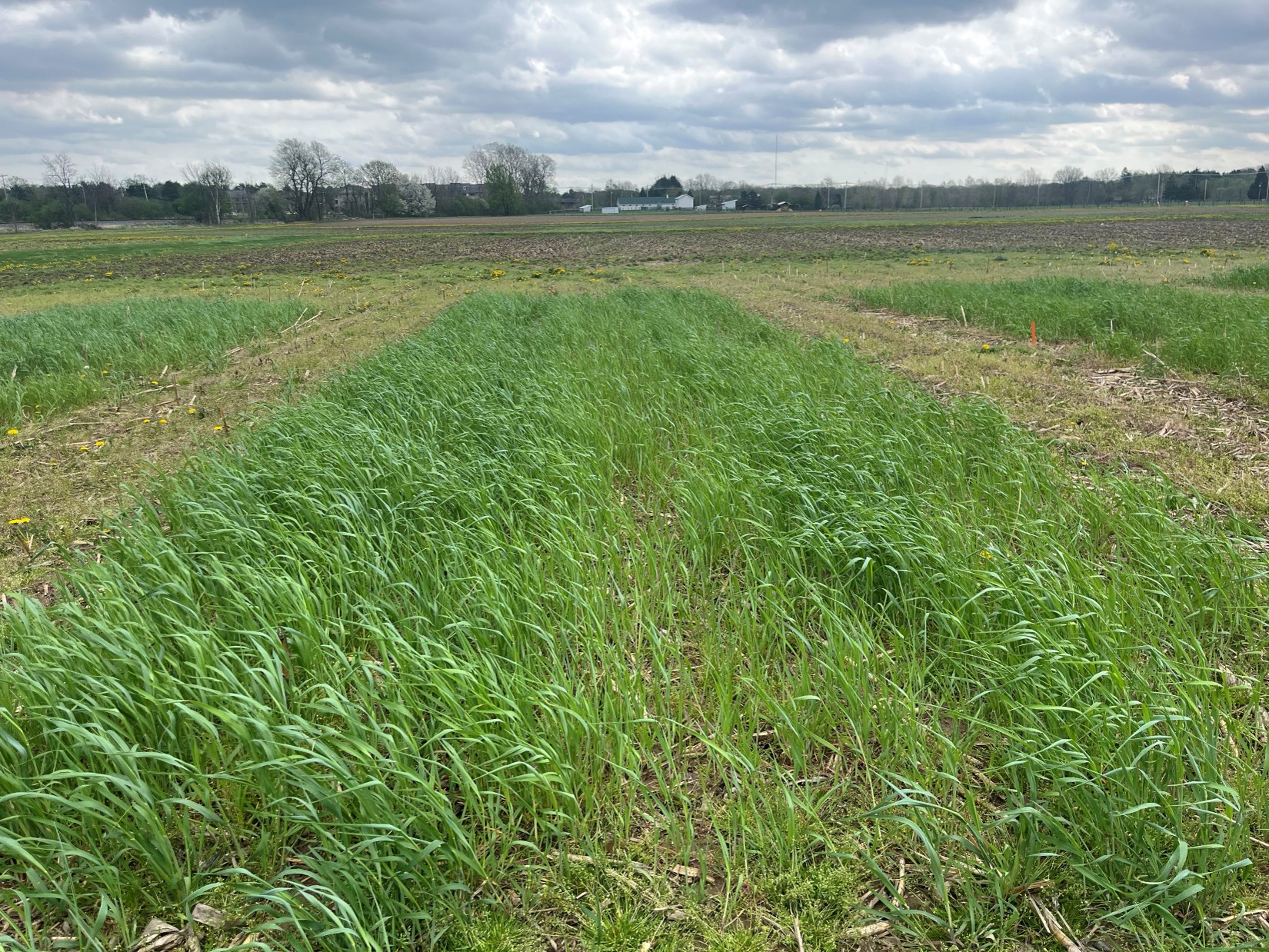
Additionally, a multiyear (2021–2023) trial was set up at one location (Lansing, Michigan) to evaluate how to adjust hybrid RM based on planting date to maximize yield and profit. We planted corn between late April and early June to reflect current planting windows in Michigan and the northern region. The RMs ranged from an early RM (89 RM) to a very late RM (109 RM), with 99 RM typical for the location. In estimating profit, we used average corn price in each year and discounted for moisture ($0.045 for each point above 15.5%) and test weight ($0.025 below 53 lb bu⁻¹). See Agyei and Singh (2025) for additional details.
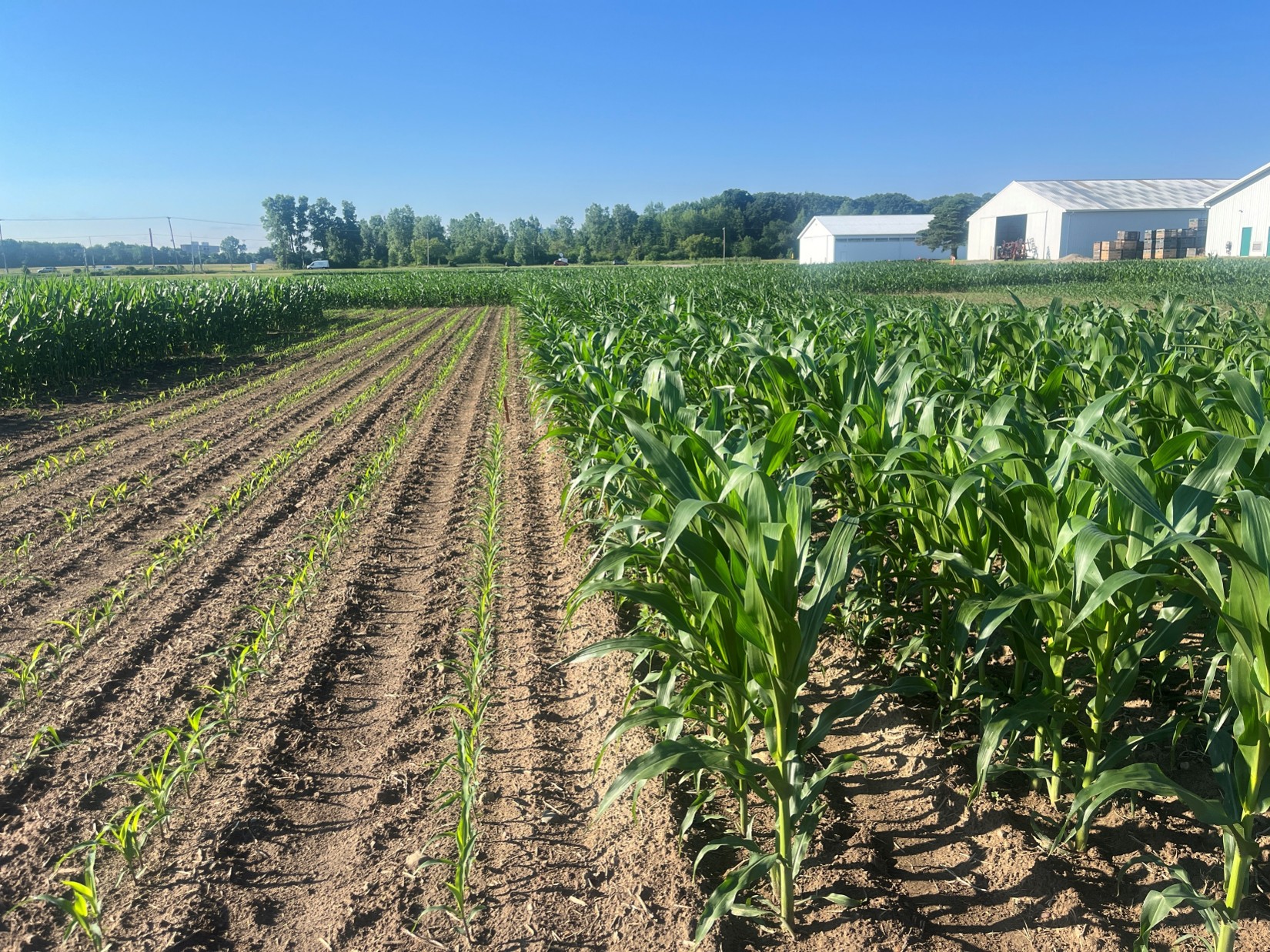
We also examined kernel moisture and kernel weight for two planting dates (mid- and late May) and three hybrid RMs (89, 99, and 109) from 2021–2024. Kernel moisture was measured three times a week, starting at black layer until no additional dry down was observed. Individual kernel weight was also measured for each moisture sample. In fall 2023 and 2024, cereal rye was broadcasted when each RM and planting date combination reached black layer. Cover crop biomass was measured in the following spring.
Results
Optimal hybrid RM for maximum yield at typical planting time
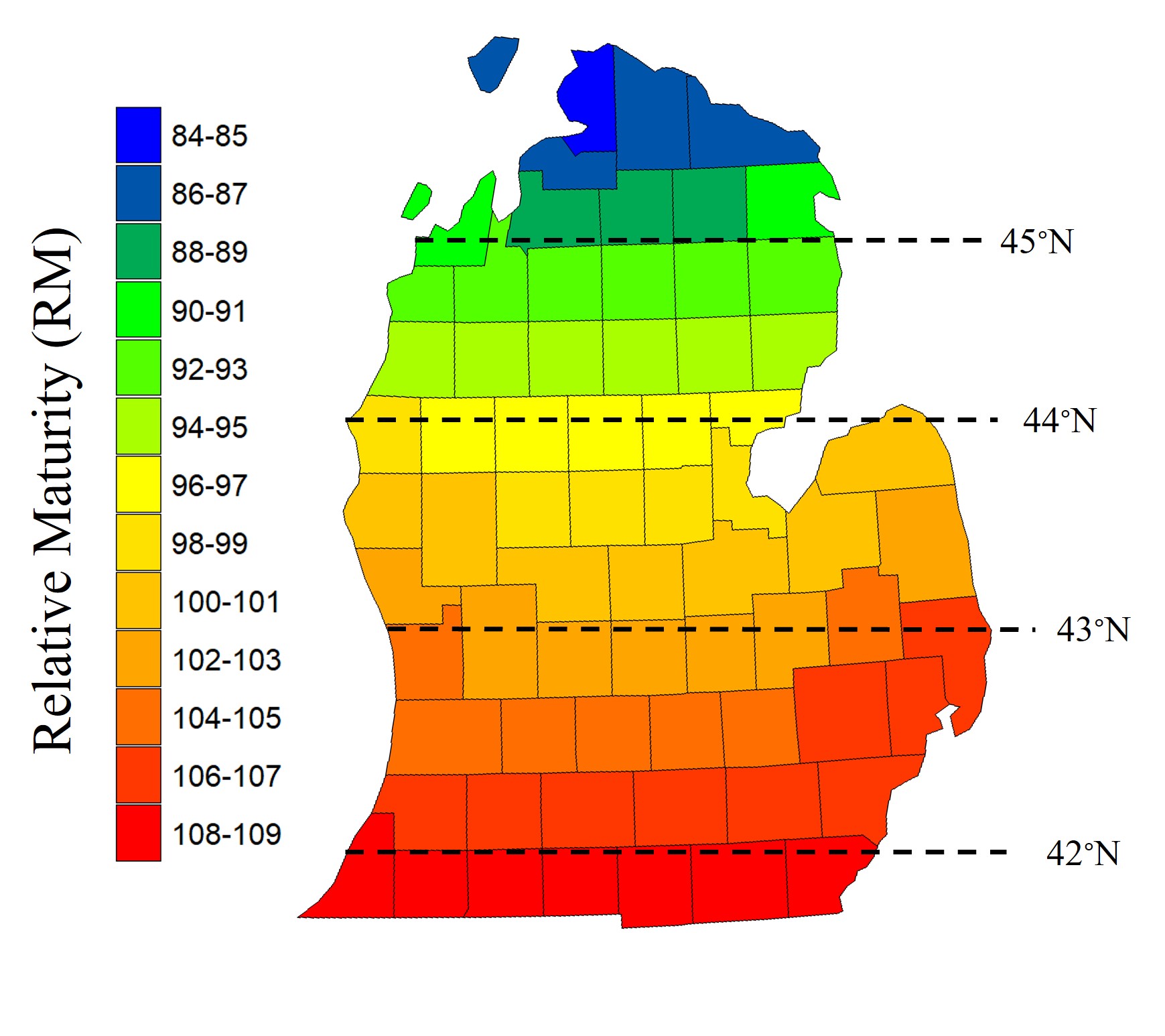
We examined if optimal RM for maximum yield for a given location changed over the 17 years (2006–2022). In 14 out of the 17 years, the optimal RM identified for a location remained consistent, indicating more stability in optimal hybrid RM. Subsequently, we averaged data across all years and predicted RM for all Michigan locations.
Overall, northern locations of the state were adapted to RMs between 84 to 95, while the central areas were suited to RMs between 96 to 105 (Figure 1). The southern part of the state had the longest RMs ranging from 104 to 109. There was more uncertainty in RM predicted for the northern locations because of the greater variability in weather conditions such as frost occurrence dates. The RM predicted for each location maximized yield around typical planting date for the region, and we recommend growers to plant hybrids close to these RMs.
Optimal hybrid RM for maximum profit at typical planting time
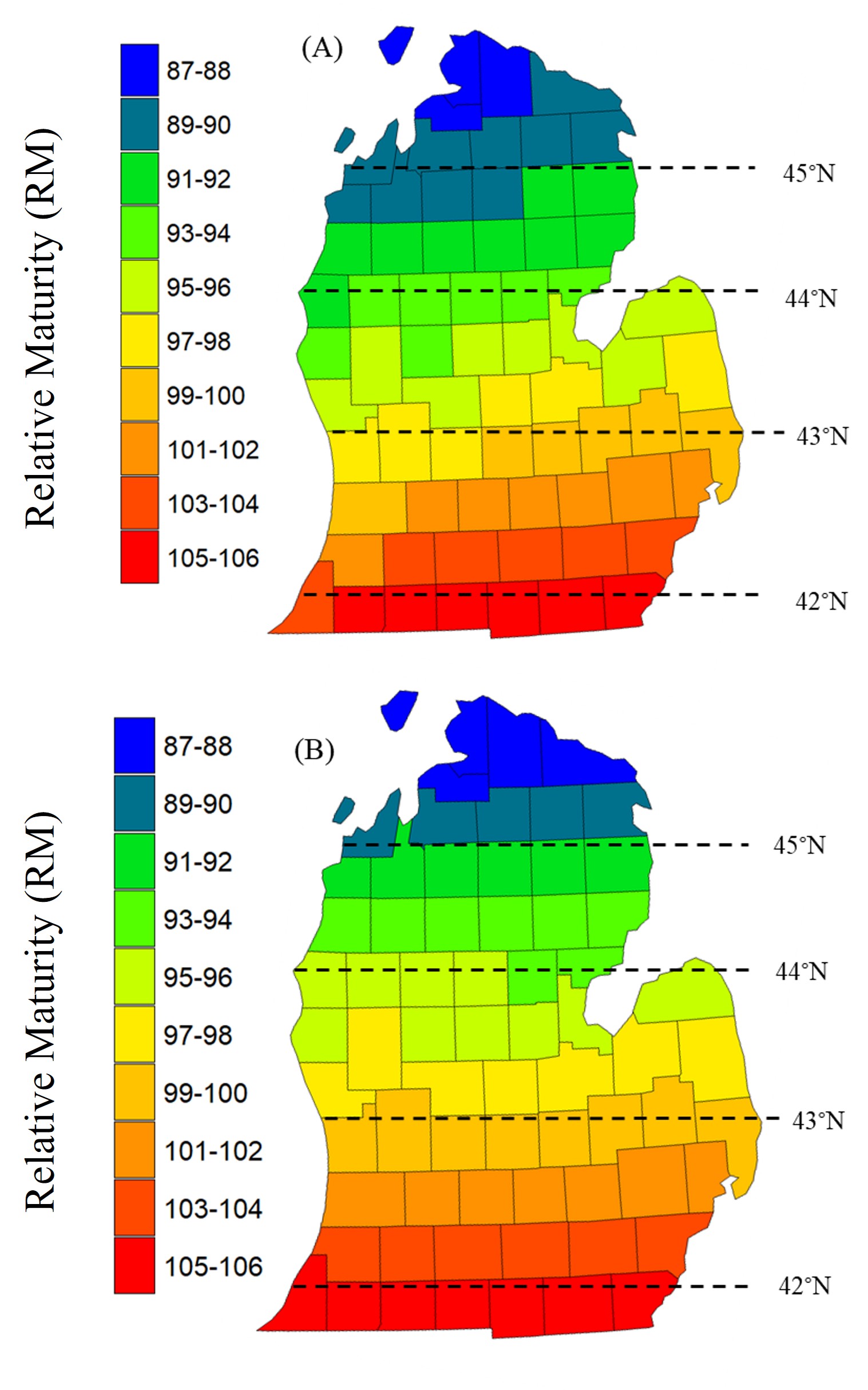
For the two drying cost scenarios that we examined, we found no differences in optimal RM. Overall, optimal RM for northern locations was between 87 and 94, whereas the central locations were better adapted to RM between 93 and 102 (Figure 2). The southern locations were suited to RM between 101 and 106. The RM needed to maximize profit was about 2–5 units lower than what was needed to maximize yield. This is because RMs that mature earlier often have more time to dry down leading to lower harvest moisture and smaller moisture discount. It is also possible these ranges could shift under different economic conditions. We plan to develop a calculator that can predict optimal RM that maximizes profit under different price and production scenarios.
Hybrid RM adjustments for maximum yield based on planting date
Our results show that, under early planting (late April through early May), using late RMs produce the greatest yields (Figure 3). Between the second and third week of May, yields for all RMs are at maximum, but there are still benefits to using late RMs. From late May through June, there is little to no yield benefits from RM adjustment.
Using 99 RM as the optimal hybrid for the study location (Lansing, Michigan), we predicted yield response when RM is adjusted (earlier or later than optimal). In late April, using hybrid RMs that are 5 and 10 units earlier than optimal reduced yield by 8% and 10%, respectively, but when we switched to RMs that are 5 and 10 units above the optimal, yield increased by 6% and 12% (Table 1). As planting progressively delayed, the rate of yield reduction or improvement from RM adjustments was lower than earlier plantings. For example, in late May, yield benefits were 3% and 5% for 5 and 10 units above the optimal RM, with 4% and 8% yield reductions for 5 and 10 units RM below the optimal.
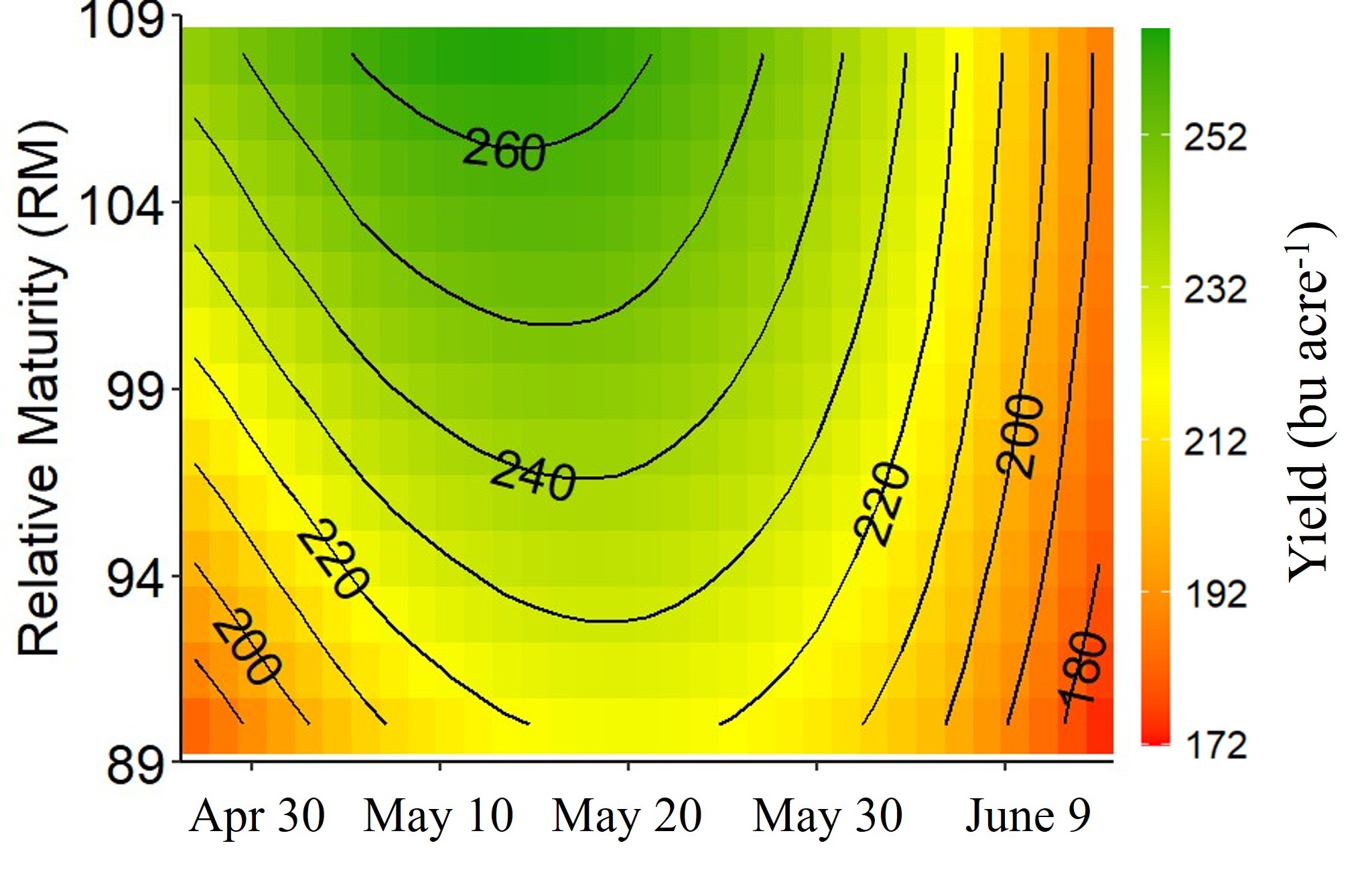
Table 1. Estimated grain yield of the optimal hybrid relative maturity (99 RM) in Lansing, MI and the percentage changes from RM adjustments (5 and 10 units above or below of optimal RM). Source: Agyei & Singh (2026).
| Planting Date | -10 RM | -5 RM | Optimal RM Yield (bu acre-1) | +5 RM | +10 RM |
|---|---|---|---|---|---|
| 28-Apr | -16% | -8% | 233 | +6% | +12% |
| 10-May | -12% | -6% | 252 | +5% | +9% |
| 30-May | -8% | -4% | 245 | +3% | +5% |
| 10-Jun | -7% | -3% | 220 | +1% | +2% |
Hybrid RM adjustments for maximum returns based on planting date
Between late April and mid-May, partial returns were considerably greater for late-maturity compared to the mid- and early maturity hybrids (Figure 4). The highest returns for all RMs were observed between May 10 and May 20. Partial returns started declining for all RMs from late May with the lowest returns observed in June.
In late April, using RMs that were 5 and 10 units below the optimal RM resulted in 8% and 17% reduction in returns, respectively (Table 2). However, when we used RMs that were 5 and 10 units above the optimal, partial returns increased by 5% and 8%, respectively. The penalties and rewards of using RMs that are below or above the optimal decreased as planting was delayed. For example, in mid-May, where the maximum returns for RMs were observed, hybrids that are 5 and 10 units below the optimal had 6% and 13% lower returns, respectively while those that are 5 and 10 units above had 4% greater returns.
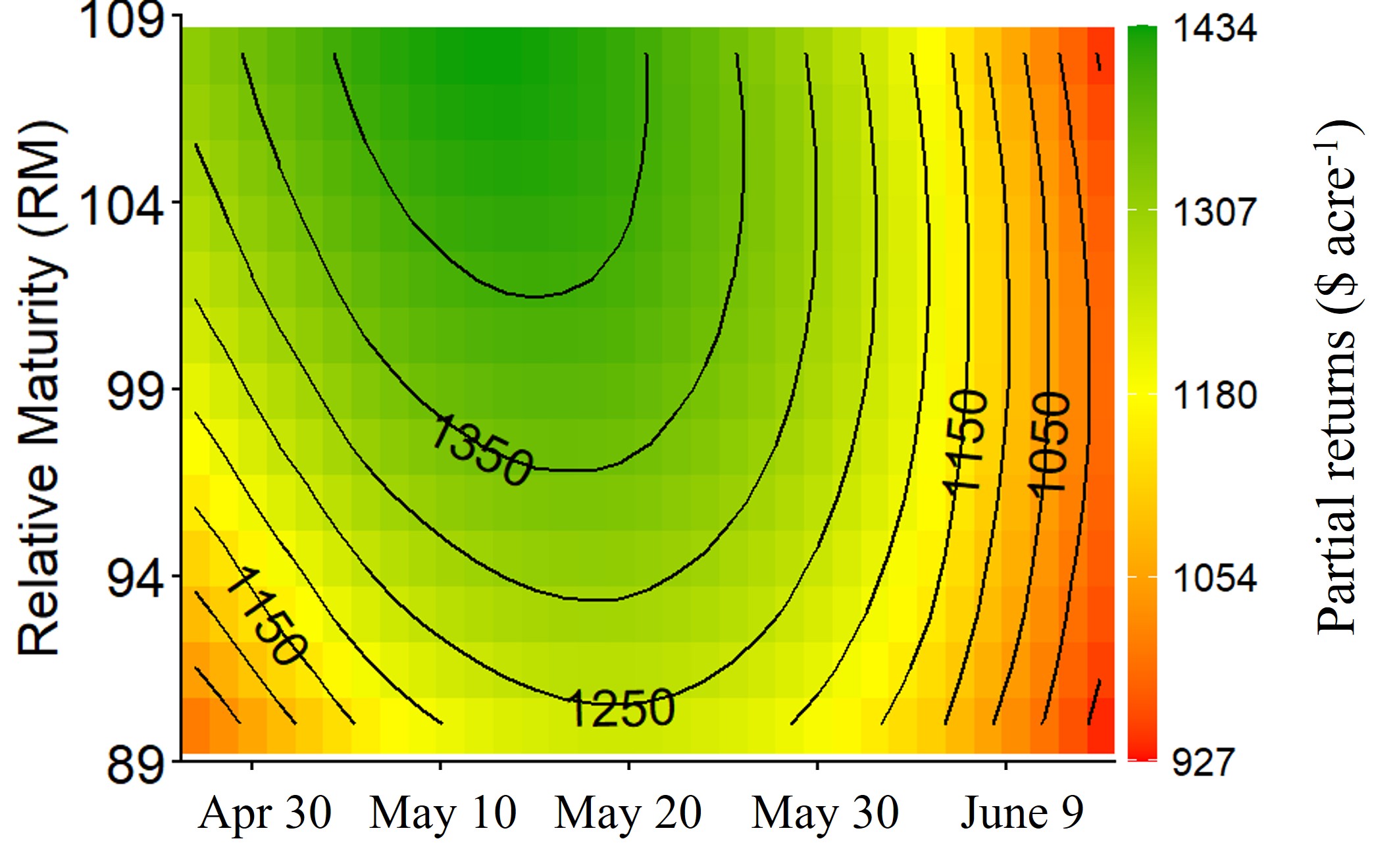
Table 2. Estimated partial returns of the optimal hybrid relative maturity (99 RM in Lansing, MI) and the percentage changes from decreasing or increasing RM by 5 and 10 units of the optimal. Source: Agyei & Singh (2026).
| Planting Date | -10 RM | -5 RM | Optimal RM Partial Returns ($ acre-1) | +5 RM | +10 RM |
|---|---|---|---|---|---|
| 28-Apr | -17% | -8% | 1,277 | +5% | +8% |
| 10-May | -13% | -6% | 1,383 | +4% | +5% |
| 30-May | -9% | -3% | 1,314 | +1% | +0.10% |
| 10-Jun | -7% | -2% | 1,139 | -0.30% | -3% |
Harvest moisture and their impact on partial returns
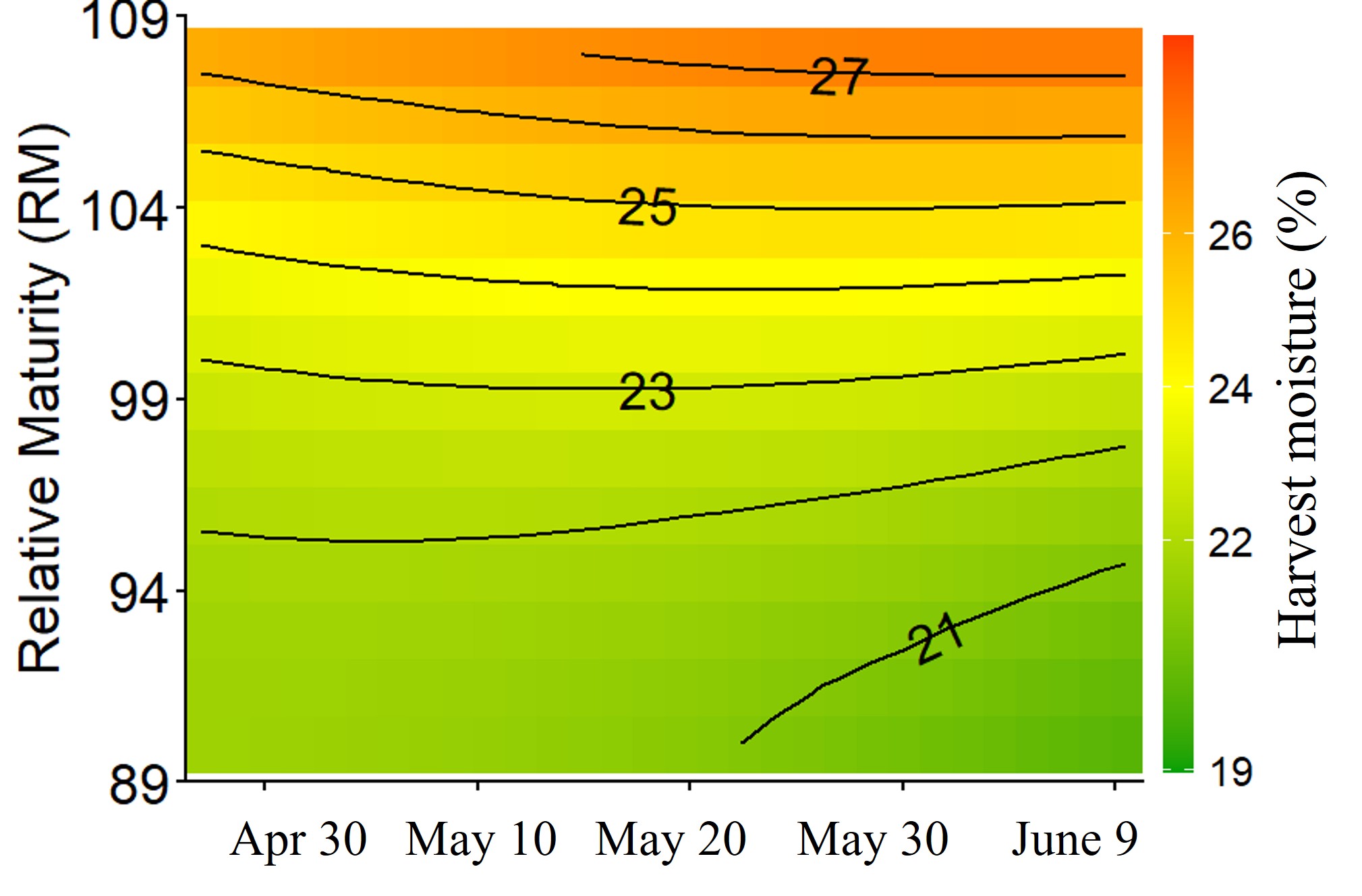
Kernel moisture content was the main factor that impacted partial returns. Late-maturity RMs had greater harvest moisture, especially under delayed planting, except in one year (2022), when drying conditions were exceptional, and all hybrid RMs had harvest moisture around 21% irrespective of planting date.
In 2023 (Figure 5), RMs that were 5 and 10 units greater than the optimal had harvest moisture exceeding 25% for corn planted from mid-May through June. These high harvest moisture numbers were due to prolonged poor drying conditions (cold and wet) that were observed in late fall. The high moisture levels led to greater moisture discounts and lower partial returns.
Drying conditions in 2021 and 2024 were similar to 2022. Overall, ideal conditions for field dry down are becoming more frequent (three out of four seasons in our study) due to the later occurrence of fall frost and warmer fall temperatures. Growers can take advantage of this trend by using later RMs or delaying harvest to achieve adequate field dry down.
Kernel dry down
Kernel dry down rates varied with planting dates and hybrid RM. The 89 RM had the fastest dry down (0.74 % per day) across both planting dates. The 99 and 109 RM had an average dry down rate of 0.63% and 0.56% per day across both planting dates. The main factor that drove dry down rates for the different RM and planting dates combinations was fall weather as previously explained.
In a year where fall conditions are warm and dry, as we observed in 2022 (Figure 6A and 6B) and again in 2024, dry down rates for all RMs were high (exceeding 0.5% per day), irrespective of planting date (Table 3). Additionally, plateau moisture content was below or within the range considered optimal for harvest (18%–25%). However, in a very wet and cold fall, as observed in 2023 (Figure 6C and 6D), dry down rate dropped to a low of 0.32% per day. Additionally, no plateau moisture was observed with late May planting with 109 RM having final moisture above 25% (Figure 6D). The timing and value of plateau moisture is important, as no further dry down is expected beyond this value.
This variability in weather is part of the reason why it is important to optimize RM selection, especially under delayed planting, to ensure that a wet fall does not slow dry down and cause corn to be harvested at high moisture. Consequently, additional factors such as access to grain drying capabilities and daily harvest capacity might also need to be factored in deciding when to switch to an earlier RM under delayed planting.
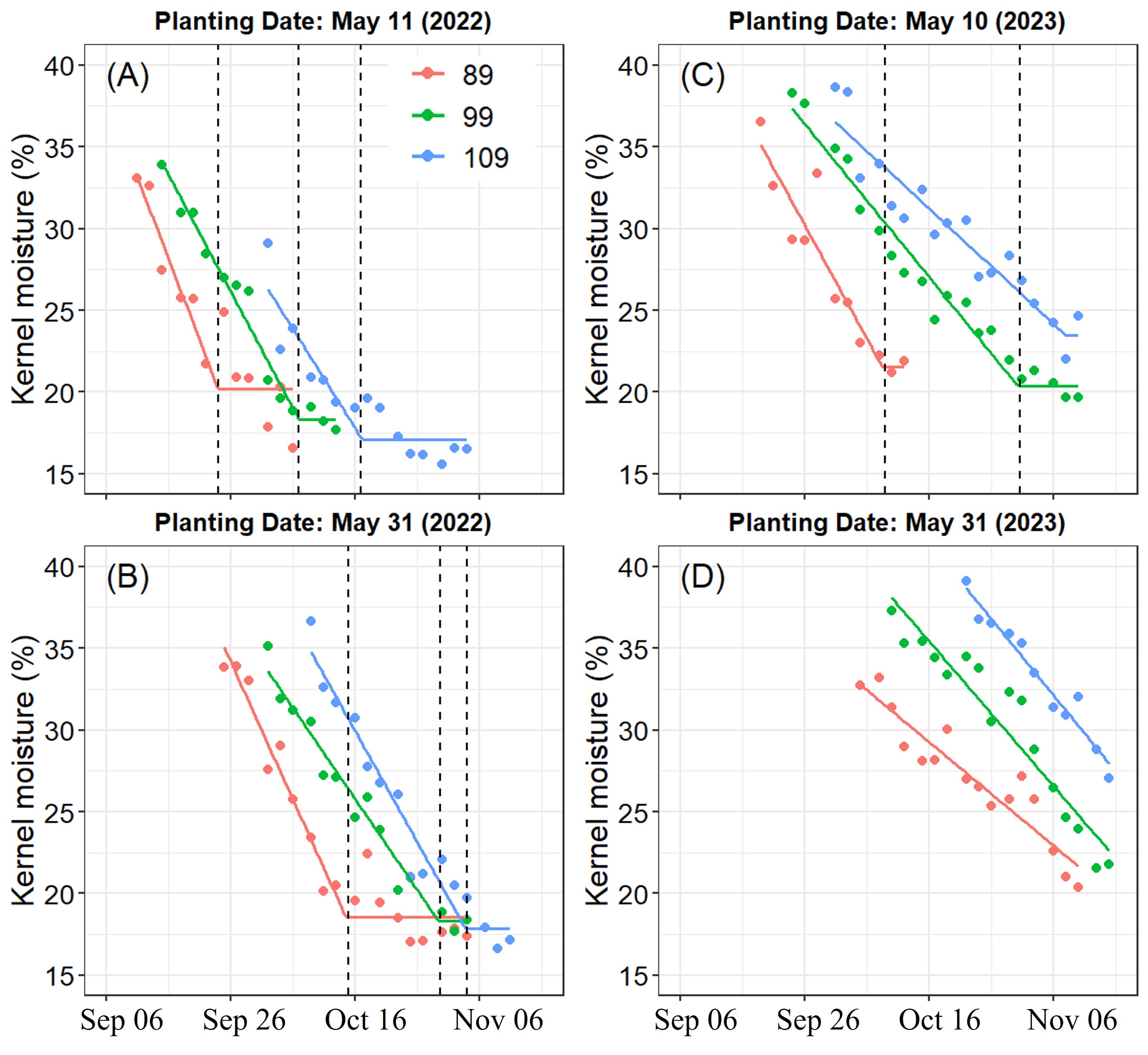
Table 3. Kernel dry down rates for two planting dates and three hybrid relative maturities (RM) in Lansing, MI in a year with a dry fall (2022) versus a wet fall (2023). Source: Agyei (2025).
| Planting Date | RM | Dry Down Rate (%) 2022 |
Dry Down Rate (%) 2023 |
|---|---|---|---|
| Early May | 89 | 0.99 | 0.7 |
| Early May | 99 | 0.71 | 0.47 |
| Early May | 109 | 0.61 | 0.39 |
| Late May | 89 | 0.84 | 0.32 |
| Late May | 99 | 0.56 | 0.45 |
| Late May | 109 | 0.67 | 0.47 |
Kernel weight during dry down
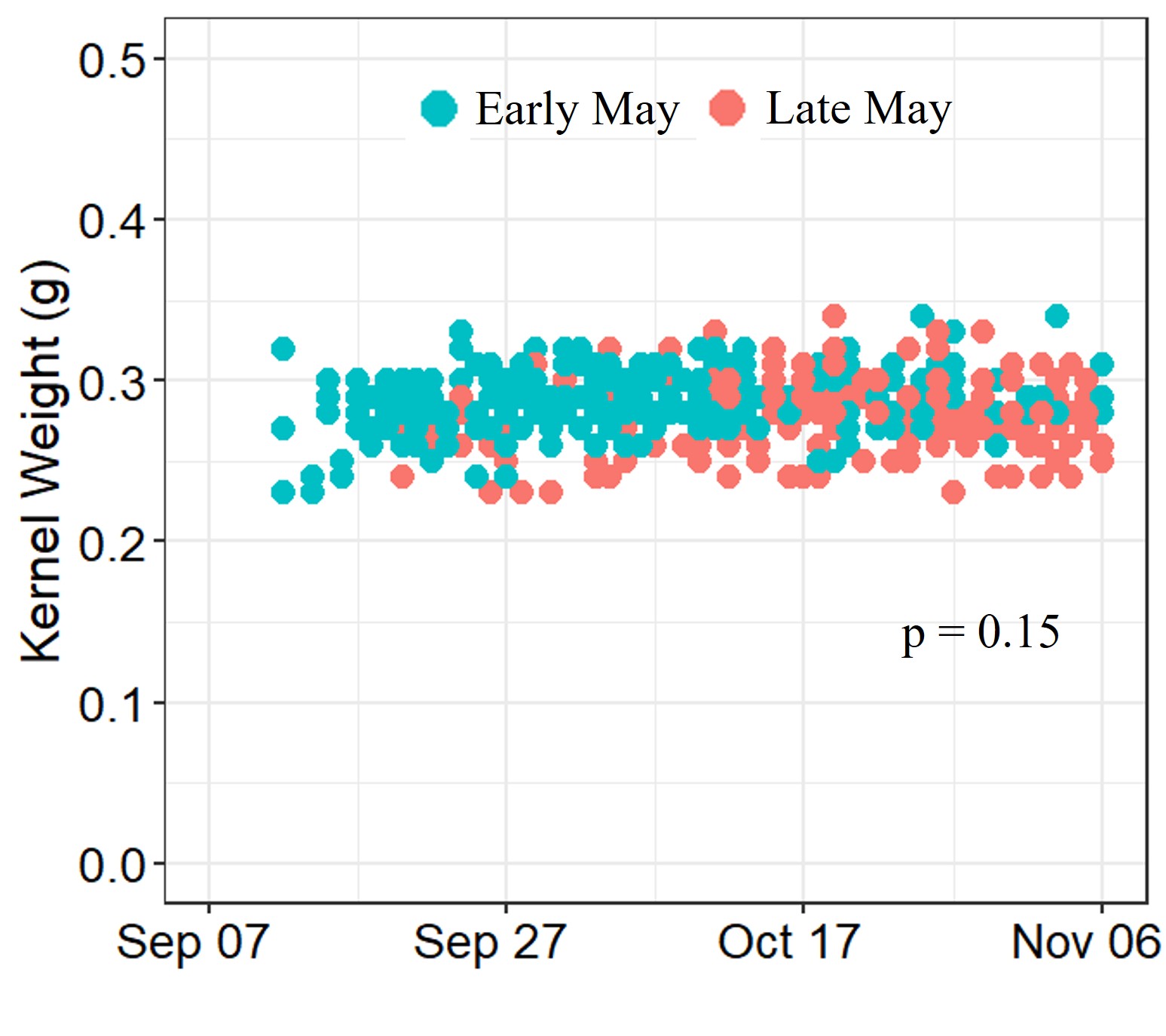
Over four years, we monitored individual kernel weight starting from September through the second week of November. Our data shows that kernel weight does not change after black layer is formed, irrespective of how long they stay in the field (Figure 7). Individual kernel weight varied slightly among RMs, but weights ranged between 0.25 g and 0.35 g. This shows that growers don’t need to worry about the possibility of kernels losing weight after maturity (i.e., phantom yield loss) when harvest is delayed. However, it is important to mention that delayed harvest can still cause yield or quality losses due to lodging, header losses, and insect feeding.
Impact of planting date and hybrid RM on cover crop establishment
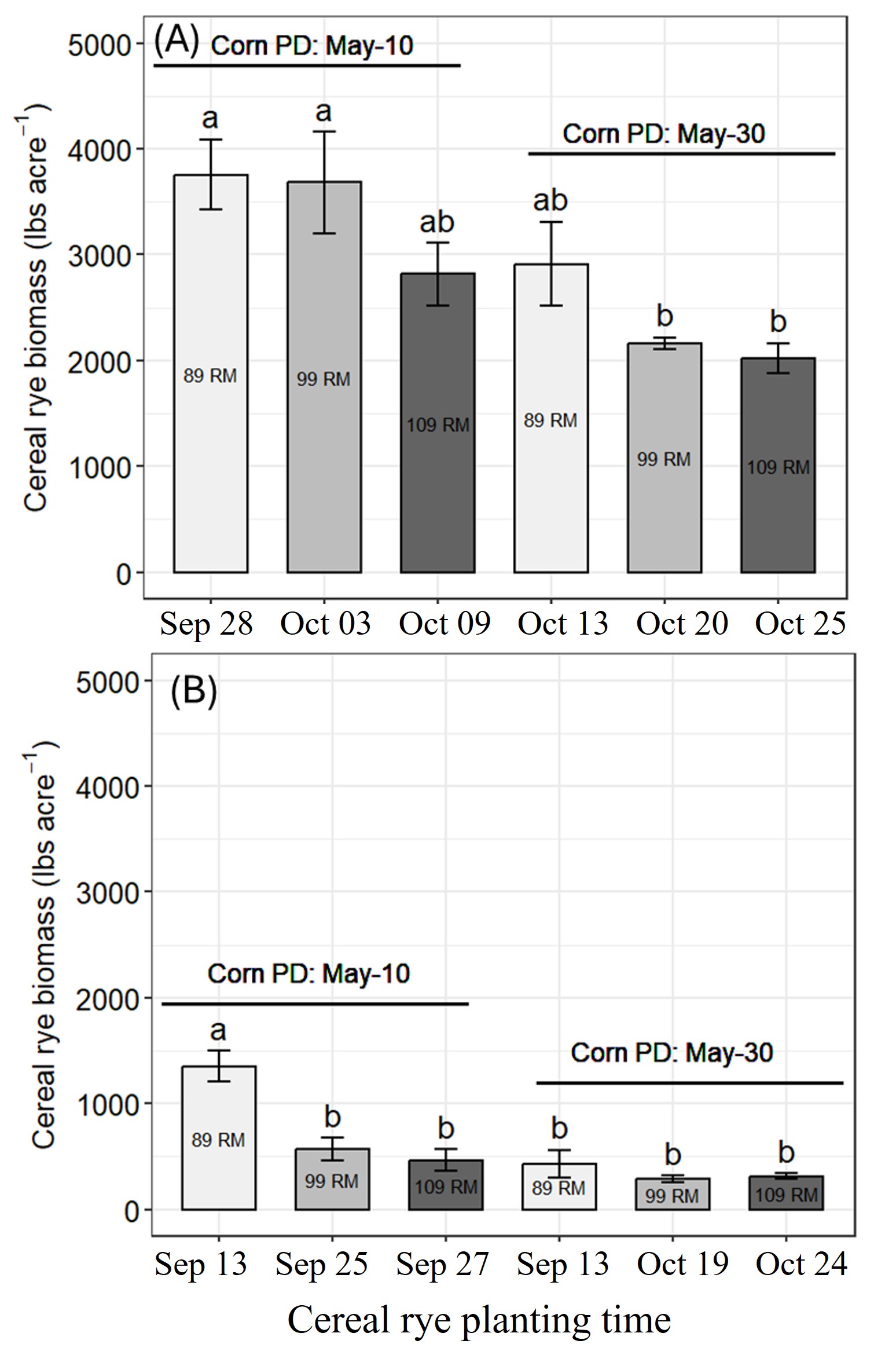
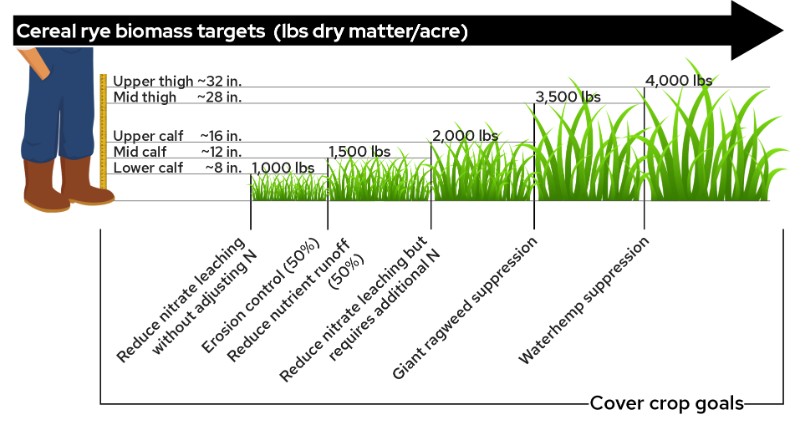
We measured spring biomass for cereal rye cover crop planted at different times, based on when each corn RM and planting date combination reached black layer. Overall, differences in biomass among cover crop planting dates were minimal compared to seasonal differences. The warm spring produced significantly greater biomass compared to the cool spring. When spring conditions were warm, average cereal rye biomass for all planting dates exceeded 1,000 lb acre⁻¹ (Figure 8), which is within the minimum range required to achieve benefits such as nitrogen retention and erosion control (Elmquist et al., 2026; Figure 9). However, when spring conditions were cooler, only the cover crop planted around mi-September produced biomass greater than 1000 lbs acre⁻¹, despite being planted 10 days earlier than the other season.
This observation shows that, while planting cover crops early is important, it may not always lead to greater biomass. Therefore, it is more important to prioritize RM selections that maximize profit rather than targeting early maturing RMs solely to make way for cover crops.
Selecting hybrid maturity, the right way
Using RM ratings specified by seed companies for hybrid maturity selections is common among growers. The word “days” is often loosely added to these RM ratings, which can lead to incorrect interpretation as calendar days required to reach black layer. Our data showed that RMs took more actual number of days to achieve black layer than the “day” value of their respective RM ratings, and even more days to reach harvest moisture (see Agyei & Singh, 2026a for details).
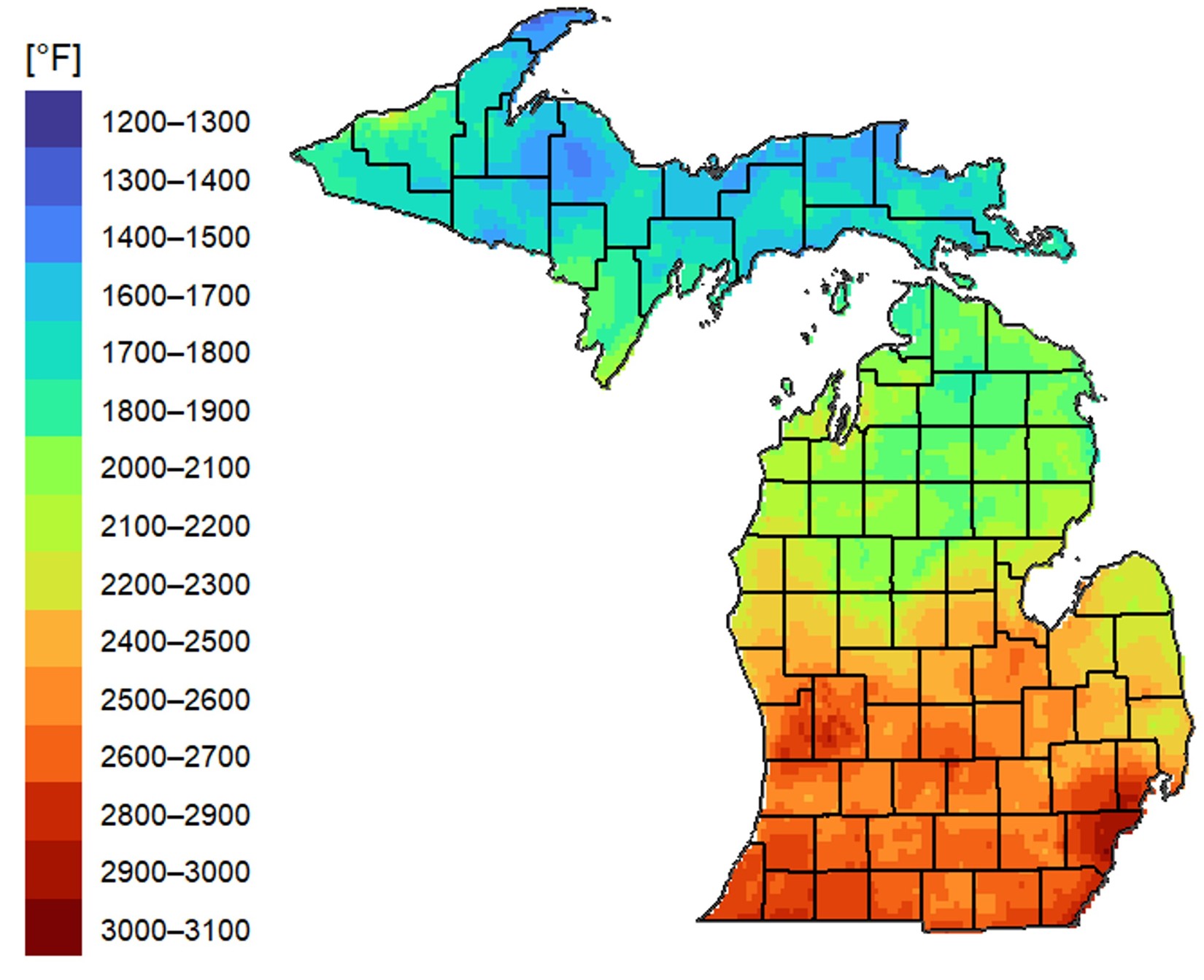
The growing degree day (GDD) rating of a hybrid is another method that growers can use in making RM selection. We recommend growers pay attention to hybrid GDD, as these ratings account for growing season conditions that directly influence corn growth and development. Additionally, GDD data can easily be obtained for your location from various resources or using your own temperature sensor. In Figure 10, we have provided average GDD accumulated in Michigan over the past five years (2020–2025), as these numbers have been increasing over the years. These data can be used as a guide in making hybrid selections based on their GDD rating.
There are important caveats to consider when using the GDD values in Figure 10. The GDD values were estimated starting from May 1; therefore, if planting is delayed beyond this date, the accumulated GDD available will decrease accordingly, and appropriate adjustments should be made. Additionally, seed companies use different reference points (planting versus emergence) when estimating and assigning GDD ratings. It is important to carefully review hybrid information sheets to ensure proper interpretation and adjustment.
Most importantly, when planting is delayed, hybrids require fewer GDD to reach black layer. On average, hybrids require about 6.5 fewer GDD per day after May 1 to form black layer. Therefore, we recommend growers to adjust GDD ratings by this factor when selecting hybrids under delayed planting (see Agyei & Singh, 2026b).
The web-based interactive U2U tool (https://mrcc.purdue.edu/tools/corngdd) is an important publicly available resource that uses GDD accumulation to predict corn phenology. It is also a valuable tool for planning hybrid maturity selection. However, U2U prediction does not account for GDD compression when planting is delayed. To improve prediction accuracy for late-planted corn, we recommend adjusting the hybrid total GDD requirement based on the planting date before entering it into the online tool.
Recommendations
Our study examined two important management decisions (hybrid RM selection and planting date) that contribute significantly to corn yield and profitability. For Michigan corn growers, we recommend using the optimal RM maps to guide hybrid selection during typical planting times. Growers in regions where such maps do not exist can still use it as a guideline for hybrid selection, but we strongly recommend using our data only in addition to your hybrid RM selection history.
If corn is planted early (starting late April in south central Michigan), we recommend growers to use hybrids that are longer in maturity than what they typically plant. Specifically, for growers in more southern locations, RMs can be adjusted up to 10 units longer, but those in northern locations should adjust up to about 5 units. If planting is delayed until late May, use the baseline RM recommendations to ensure that corn matures and has enough time to dry down before harvesting. If planting is delayed to June, plant RMs that are at least 5 units lower than baseline recommendations. Consider factors such as grain drying and harvest capacity while deciding when to switch to earlier RM hybrids under delayed planting.
After black layer, kernel weight does not change; hence, growers can allow corn to stay in the field for a longer time to achieve additional dry down if necessary. However, strong winds can cause lodging, which can still lead to harvest losses.
Early cover crop establishment does not guarantee adequate biomass production. Therefore, we recommend that growers prioritize hybrid maturity selections that maximize profitability, rather than solely choosing RMs to facilitate early cover crop planting.
Finally, we recommend that growers use GDD ratings for hybrid selection and not only RM ratings, as GDD better reflects actual growing season conditions. Most importantly, a free public tool (the U2U tool described above) is available to help with selection and adjustment across locations and planting dates. When selecting the optimal RM, we encourage growers to also consider other agronomic traits that are critical for their field conditions.
Dataset limitations for the hybrid RM and planting date study
The planting date and hybrid RM trial, used to develop recommendations for adjusting RM across planting dates, was conducted at a single location over several years. This location lies within 40°–43°N latitude; therefore, growers within this region can apply our recommendations with a high level of confidence. For growers outside this latitude, particularly those further north, the growing season length may not support our specific RM adjustments based on planting dates. Thus, we recommend growers to use our data trends only as a guidance and rely on data from similar locations to theirs.
Acknowledgments
This research was funded by Michigan State University AgBioResearch. Authors appreciate the support provided by Tom Siler, Micalah Blohm, Patrick Copeland, Bill Widdicombe, Lori Williams, and Mike Particka in field work, and various graduate and undergraduate students in Singh lab for help in data collection.
List of Reviewers
- Alexander Lindsey; Ohio State University
- Harkirat Kaur; University of Wisconsin-Madison
- Jonathan LaPorte; Michigan State University Extension
References
Agyei, B. (2025). Evaluating conservation agricultural practices and optimizing agronomic strategies for enhancing grain yield, profitability, and soil health in northern U.S. row crop systems. Michigan State University Dissertation. Available at https://www.proquest.com/docview/3281739561/56C1349BACA2428FPQ/2?accountid=12598 &sourcetype=Dissertations%20&%20Theses
Agyei, B. K., Mourtzinis, S., & Singh, M. P. (2025). Maximizing corn yield and partial returns in Michigan by optimizing hybrid maturity selection. Crop, Forage & Turfgrass Management. https://doi.org/10.1002/cft2.70035
Agyei, B. K., & Singh, M. P. (2026). Optimal corn hybrid relative maturity is dependent on planting date in northern production systems. Crop Science. https://doi.org/10.1002/csc2.70228
Agyei, B., & Singh, M. (2026a). Are we interpreting corn hybrid maturity ratings correctly? Michigan State University Extension.
Agyei, B., & Singh, M. (2026b). Using growing degree days in making corn hybrid maturity selections. Michigan State University, Department of Plant, Soil and Microbial Sciences.
Elmquist, D., Fulwider, W., Arriaga, F., Conley, S., Ruark, M., Smith, D., & Werle, R. (2026). Biomass thresholds for cereal rye cover crop goals. University of Wisconsin–Madison Extension. http://digital.library.wisc.edu/1793/96980
Singh, M., Agyei, B., & Copeland, P. (2026). Should you prioritize planting soybean or corn? Michigan State University Extension.