
Bulletin 5
Store Food Safely & Try More Michigan Fresh Fruit
March 12, 2026 - Ghaida Havern
 Print
Print Email
EmailWelcome to Lesson 5 in our 6-part Cook Healthy, Spend Less series! In the previous lesson, you learned how to shop smart for meals, repackage bulk foods, whole grains as a food group, and healthy substitutions in cooking and baking. In this lesson, you will learn about safe food storage and product dating to help keep food fresh and reduce waste. This lesson will also focus on fruits as a food group, explore the fresh fruits that Michigan has to offer, and how to safely freeze foods for later.
Safe Food Storage & Product Dating
You’ve shopped, made smart choices, and stocked your fridge and pantry, but do you know how long the foods you bought are actually safe to eat? How food looks, smells, or tastes is not a reliable way to tell if it is safe. This section will help you understand food product dates, use your freezer effectively, and follow basic food safety guidelines to reduce waste, protect your health, and make sure the food you buy stays safe, fresh, and worth your money.
Food product dates
Many food items have a “best if used by” date on them, which helps you determine quality and freshness, not safety. Use these dates to plan when to eat, cook, or freeze foods. Fresh products should be used or frozen on or before the “use‑by” date to maintain best quality and reduce food waste. Checking dates when you bring groceries home can help you prioritize foods to use first and decide what to freeze for later.
Use your freezer for leftovers
Extra food is common when recipes make more than needed or plans change. Instead of letting leftovers go to waste, freeze extra ingredients or cooked foods to use later within 4 days. You can also double or triple small recipes and freeze individual portions to save time, reduce waste, and stretch your food dollars.
Danger zone
Keep perishable food out of the “danger zone” — between 40°F and 140°F— where bacteria grow rapidly. Discard perishable leftovers that sit at room temperature for more than 2 hours, or after 1 hour if the indoor or outdoor temperature is 90°F or higher.
Food group of the week: Fruit
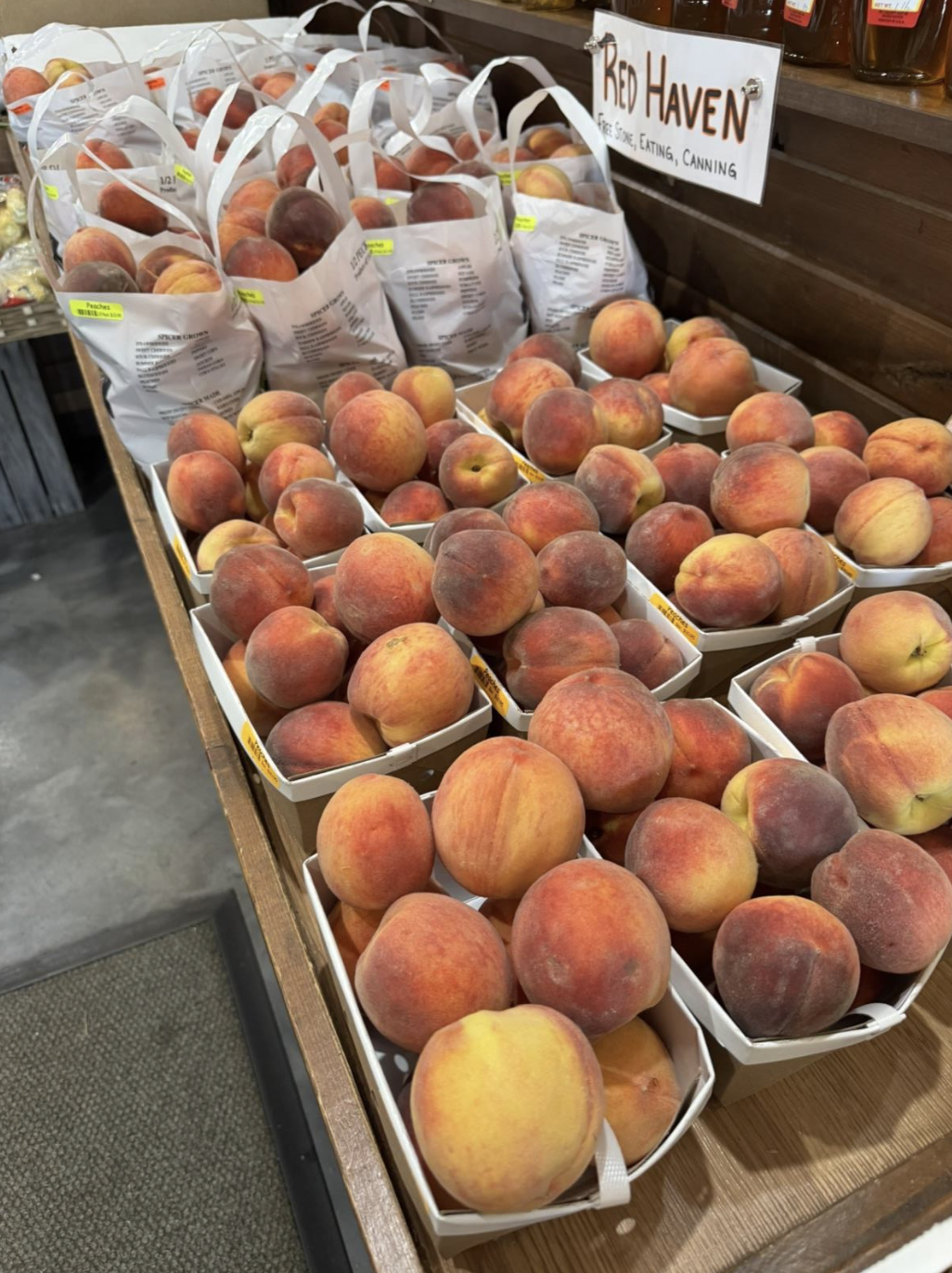
Fruit can be served in various ways, such as whole, cut up, pureed, or juiced. You can purchase fruit in several forms — fresh, canned, frozen, or dried. Fruits in all of these forms contain several nutrients that are essential for good health, including fiber, vitamin C, folic acid, and potassium. These nutrients may help reduce your risk of developing heart disease, some cancers, and type 2 diabetes.
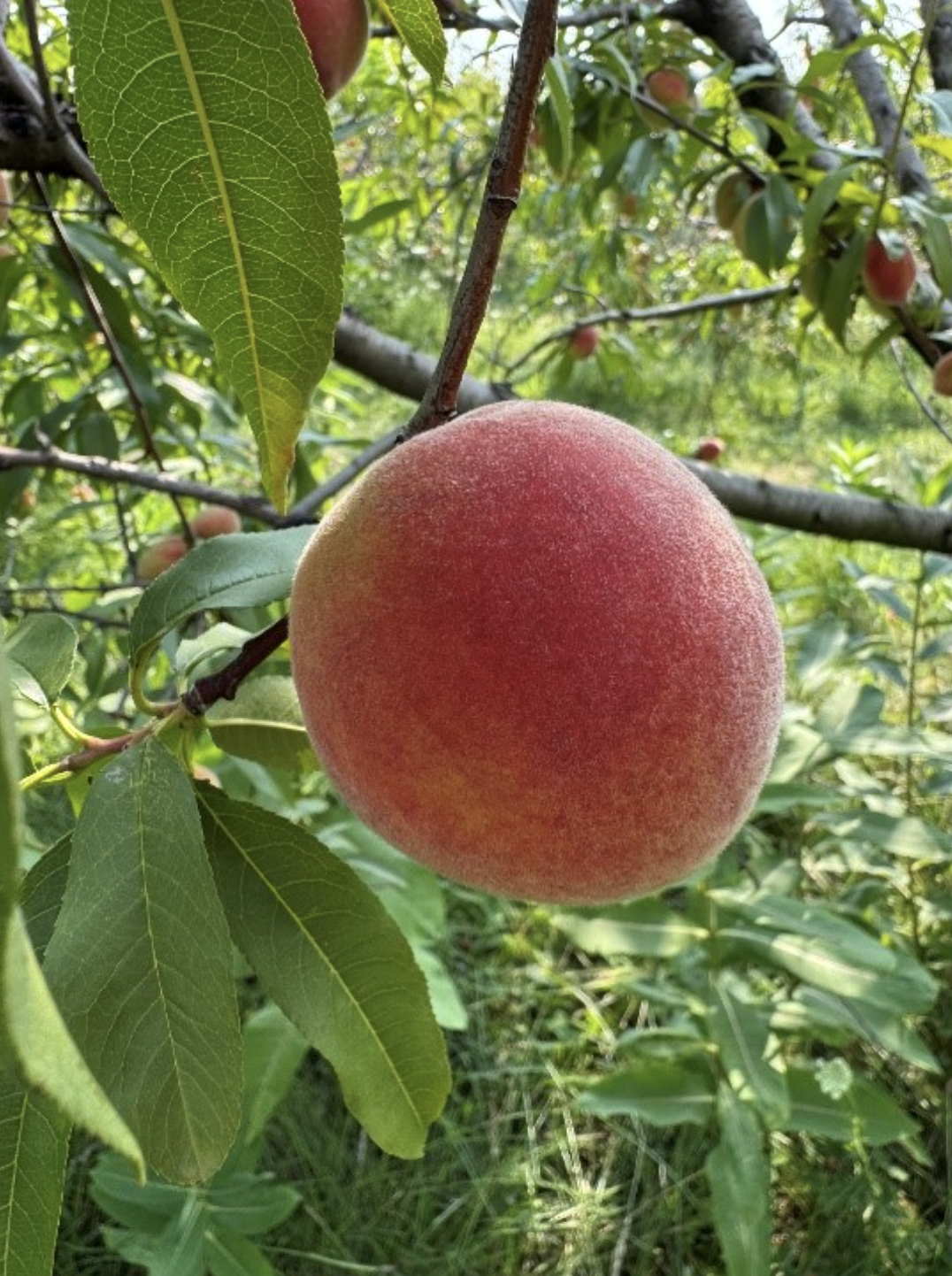
Michigan is home to many delicious fruits—from raspberries and apples to peaches and cherries. Thanks to our diverse climate and growing regions across the state, Michigan’s growing season is a great time to enjoy fresh, nutritious fruits from local farmers markets.
Supporting local farmers strengthens Michigan’s economy and helps ensure access to seasonal fruits that are at their peak from May through November. Looking for more information about Michigan-grown fruits? Explore Michigan fruit resources from Michigan Fresh, including tips for selection, storage, and use.
Aim for about 2 cups of fruit per day.
For example, one large banana, one orange, or one peach equals one cup of a fruit serving each. Dried fruit is more concentrated than fresh fruit, so a smaller amount: 1/2 cup of dried fruit equals 1 cup of fruit. If you don’t eat any fruit, start with a small goal and work your way to the recommendation. Try placing whole, uncut fruit on display in your kitchen. If it’s sitting out in the open, it’s easy to grab it for a snack. Make sure you rinse your produce under lukewarm, clean water before eating.
Bonus: Have you ever tried a paw paw fruit? They are nutritious, delicious, and native to Michigan! Look for paw paws in the summer at your local market, you might be surprised by what you like. Learn about safe storage and preservation methods for best quality paw paws. To eat, cut it in half lengthwise and scoop the flesh to consume directly (do not eat the seeds or skin). A Michigan fruit with a tropical taste! Enjoy!

Here are some other ways for eating more fruit:
- Stock up on frozen fruit and make a fruit and yogurt smoothie.
- Cut up a banana to put on your cereal.
- Add blueberries or cherries (fresh or frozen) to your oatmeal.
- Have a fruit salad for dessert or an afternoon snack.
- Use fruit as toppings on your protein. For example, put mango salsa on top of a chicken breast.
Bonus: Did you know that the Supplemental Nutrition Assistance Program, SNAP, (and the Women, Infants, and Children Program) benefits can be used at select farmers markets and roadside stands? Let’s visit Fulton Street Market in Grand Rapids and find out how to use SNAP with Michigan growers!
Make Time for Movement
Try some Tai Chi warmups this week! MSU Extension also offers Tai Chi classes – check it out.
Bonus: If you have a baby, try this exercise with your baby!
For more movement ideas, visit the MSU Extension Physical Activity Website.
Let’s Get Cooking
Freezing your food when you have an abundance can be an easy way to make it last. Learn the best process for packaging and freezing fruit so you can enjoy it year-round with MSU Extension’s article Freezing Fruits. We also learned about safely freezing leftovers earlier in this lesson. Sometimes, buying a block of cheese can be more cost efficient than shredded cheese. Watch the video below to preserve a block of cheese by shredding it and storing it in the freezer for future recipes!
Featured Recipe
Make the most from Michigan Fresh fruit! Try any seasonal fruit and make a fruit yogurt pop. A fruit yogurt pop combines both fruit and yogurt to provide vitamins, calcium, and protein.
You can also make delicious Yogurt Parfaits with fresh or frozen fruit! For more budget-friendly, healthy recipe ideas, check out the MSU Extension Recipes Website.
Thank you for participating in this lesson. See you at the next one!
This lesson is part of the six‑part Cook Healthy, Spend Less email series. Sign up here to have each lesson delivered weekly by email.