Bulletin 4
Shop Smart, Learn to Read Labels & Choose Whole Grains
March 11, 2026 - Ghaida Batarseh Havern, Michigan State University Extension
 Print
Print Email
EmailWelcome to Lesson 4 in our 6-part Cook Healthy, Spend Less series! The previous lesson discussed strategies of meal planning, vegetables as a food group, and different ways to use seasonings, dressings, and marinades to build flavor. In this lesson, you will learn how to shop smart for meals, choosing produce that fits your needs, and buy foods in bulk while safely repackaging them for later use. This lesson will also focus on whole grains as a food group and explore healthy substitutions in cooking and baking.
Shopping for Your Meals
Now that you’ve planned your meals in the previous lesson, the next step is choosing ingredients at the store. A variety of forms (e.g., fresh, frozen, or canned) can work well depending on your budget, availability, and what stores well.
Choose the produce that fits your needs
Fresh, frozen, and canned fruits and vegetables are all nutritious options.
Fresh produce is nutritious and flavorful, and buying locally grown produce in-season may be less expensive because it’s more abundant and doesn’t have to travel as far.
Frozen produce can be especially convenient for single servings; you can measure what you need and save the rest for later.
If you use canned produce, look for:
- Low sodium options, or
- Rinse them thoroughly in a strainer to reduce sodium.
- If a full can is more than your recipe requires, rinse and freeze leftovers to use in another meal.
- For canned fruit, choose a variety packed in 100% juice instead of syrup.
Shop with confidence
- Grocery stores are designed to encourage us to buy food. But you can save money and time by learning how to navigate the grocery store efficiently.
- One of the best ways to make informed choices is by reading the Nutrition Facts label. Learn about food labels and how to use them to guide your purchases.
What to learn more? Visit our Shop Smart Website for more resources and tips on finding the best value for your dollar.
Buy in Bulk (when it makes sense)
Buying in bulk can offer cost savings but can also lead to wasting food and money if the food is unused.
For shelf stable foods:
If you have the storage space, you may choose to stock up on shelf-stable staples like rice, beans, pasta, nuts, seeds, flour, cooking oils, oats, condiments, and spices in bulk amounts. To keep them safe and tasty for a long time, put a few meals’ worth in smaller, easily accessible jars or bags and store the rest out of the way in sealed containers until you need more.
If you don’t have the money or space to build a well-stocked pantry of bulk foods, focus on the items that give you the most value. Look for the “cost per unit” on the price tag and choose foods with the lowest cost per unit – not just the largest package.
Either way, avoid buying bulk foods you won’t use often. If you’ve never cooked dried beans, for example, do a trial run with a smaller amount before buying that ten-pound bag. Learn how to cook dried beans.
For fresh foods:
If you buy fresh foods in bulk, take a few minutes to separate the food into individual portions and freeze in freezer bags. See the video below on repackaging bulk foods.
You can learn how to safely preserve foods at home by using resources from MSU Extension, including the Home Food Preservation website and Michigan Fresh Food Safety & Preservation fact sheets.
Food group of the week: Grains
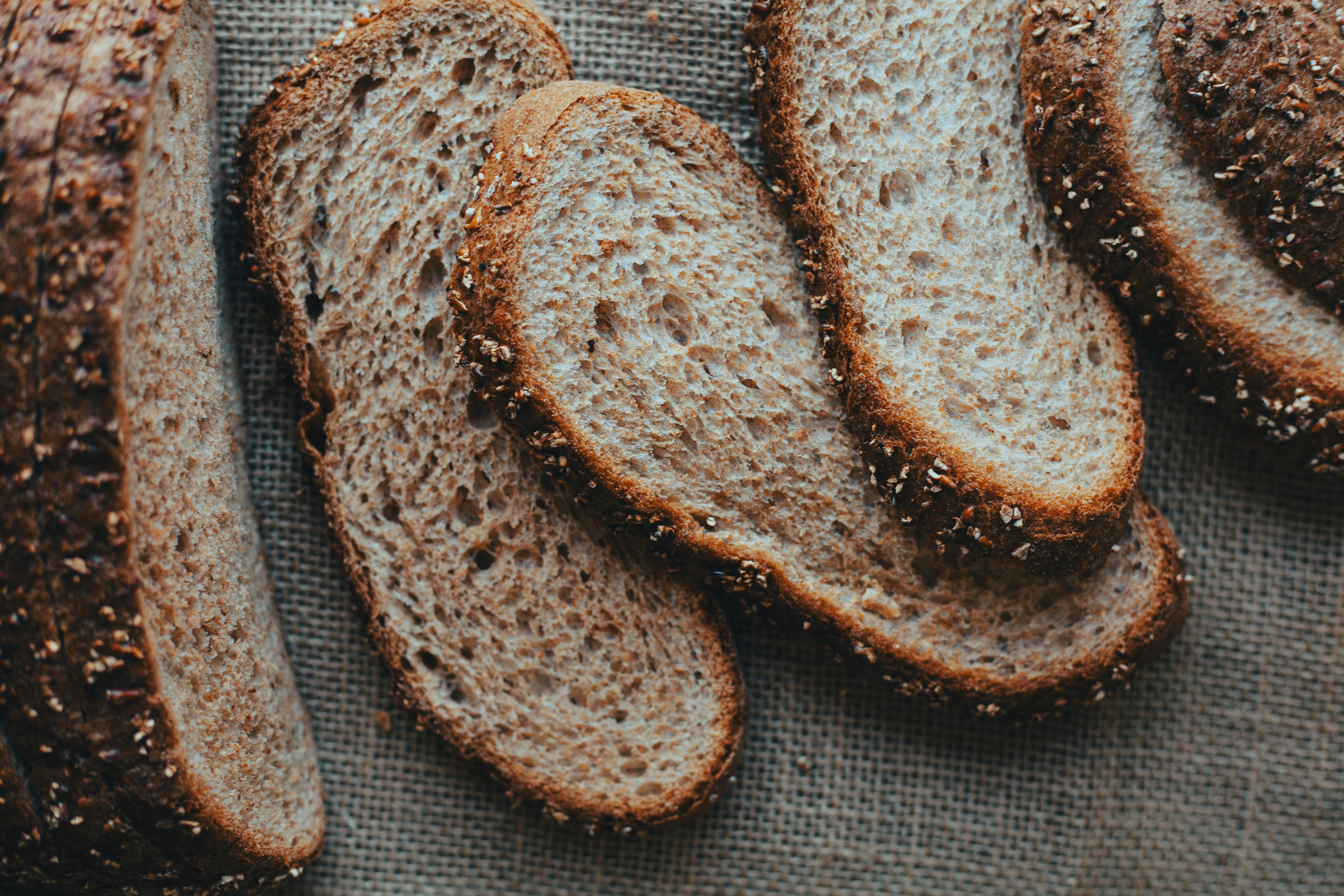
Aim for 2–4 servings per day. Make at least half of your grains whole grains.
Foods such as bread, pasta, and cereal that are made from grains such as wheat, rice, and oats are all examples of grain products.
Grains are split into two categories: whole grains and refined grains.
Whole grains are just that — the whole grain, and they keep their original nutrients. This means they contain bran, germ, and endosperm. Examples: brown rice, oatmeal, popcorn, quinoa, and whole-wheat products. Only foods made with 100% whole grains count as whole grain foods. Check the ingredient list for the word “whole”.
Refined grains have the bran and germ removed. This removes many nutrients, including fiber, iron, and B vitamins. Many refined grains are enriched, meaning some nutrients (like iron and B vitamins) are added back, but not fiber.
Fortified grains are products that have nutrients added to them that were not originally present, such as folic acid or vitamin D.
When selecting grain foods, try choosing whole grains at least half the time. Eating a healthy diet with whole grains may help reduce your risk of several chronic diseases. Here are some of the nutrients in whole grains and why they’re important:
- Fiber: Helps create a feeling of fullness with fewer calories. Important for proper bowel function and reduces chances of constipation. May reduce cholesterol levels and the risk of developing heart disease and type 2 diabetes.
- B vitamins: Help the body release energy from carbohydrates, proteins, and
- Minerals: Iron to help prevent Magnesium to build bones and release energy from muscles.
Bonus: Many grains are shelf-stable and make great options for buying in bulk!
Movement Break
Need a break? Try this 5-minute cardio.
For more movement ideas, visit the MSU Extension Physical Activity Website.
Let’s Get Cooking
Did you know that you can make simple ingredient swaps for your recipes, including desserts and comfort foods? Thoughtful swaps can add fiber, increase nutrients, and support overall health without taking away the joy of eating. Healthy Substitutions In Cooking and Baking shares how you can pack a greater nutrient punch to your favorite recipes.
Featured Recipe
This lesson’s featured recipe: Southwestern rice bowl using brown rice. The whole grain brown rice adds fiber, while the beans and vegetables make it colorful, flavorful, and filling. Enjoy!
For more budget-friendly, healthy recipe ideas, check out the MSU Extension Recipes Website!
Thank you for participating in this lesson. See you at the next one!
This lesson is part of the six‑part Cook Healthy, Spend Less email series. Sign up here to have each lesson delivered weekly by email.